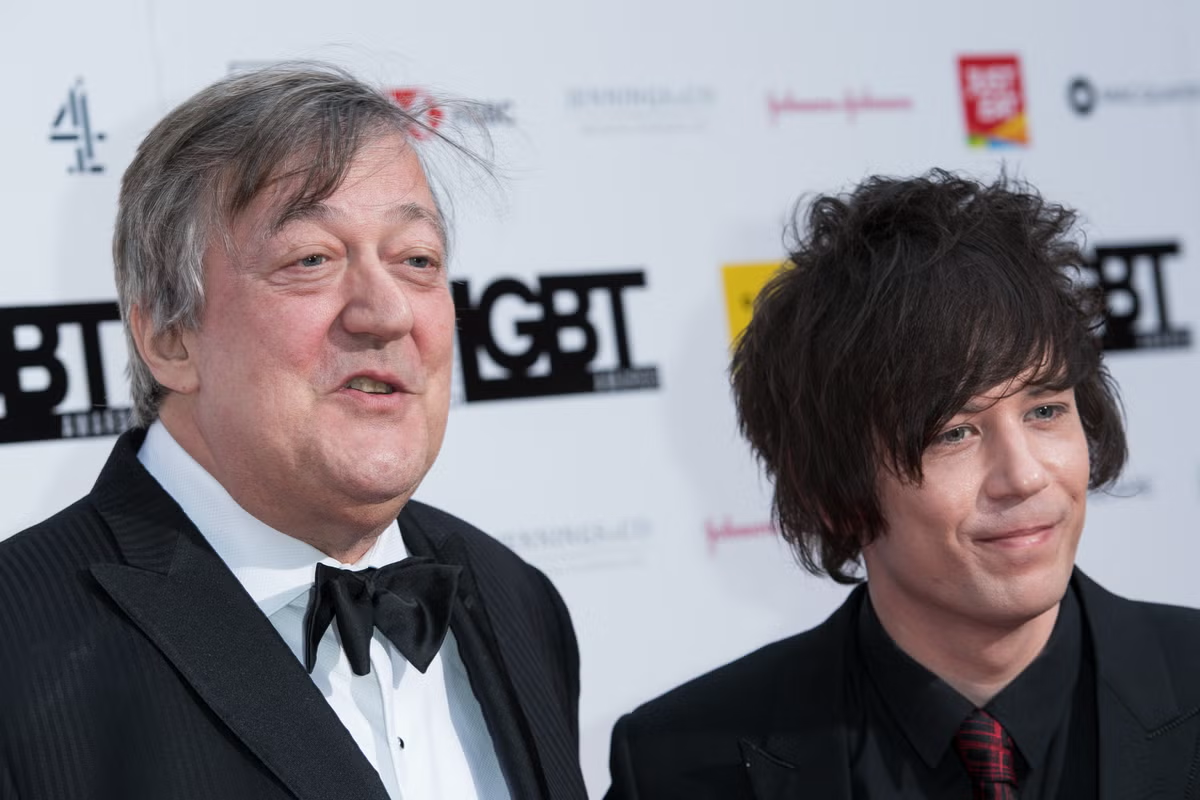
A group of neurodivergent and disabled young adults ask Stephen Fry the tough questions most others don’t dare to – and it makes for a truly liberating experience
A
s opening questions in celebrity interviews go, it’s a bold one. You can’t imagine Norton, Ross or Winkleman beginning with it. But the latest guest on The Assembly, Stephen Fry, is just settling into his chair when he’s given this as his starter: “You tried to kill yourself a couple of times. Are you happy to be alive now?”
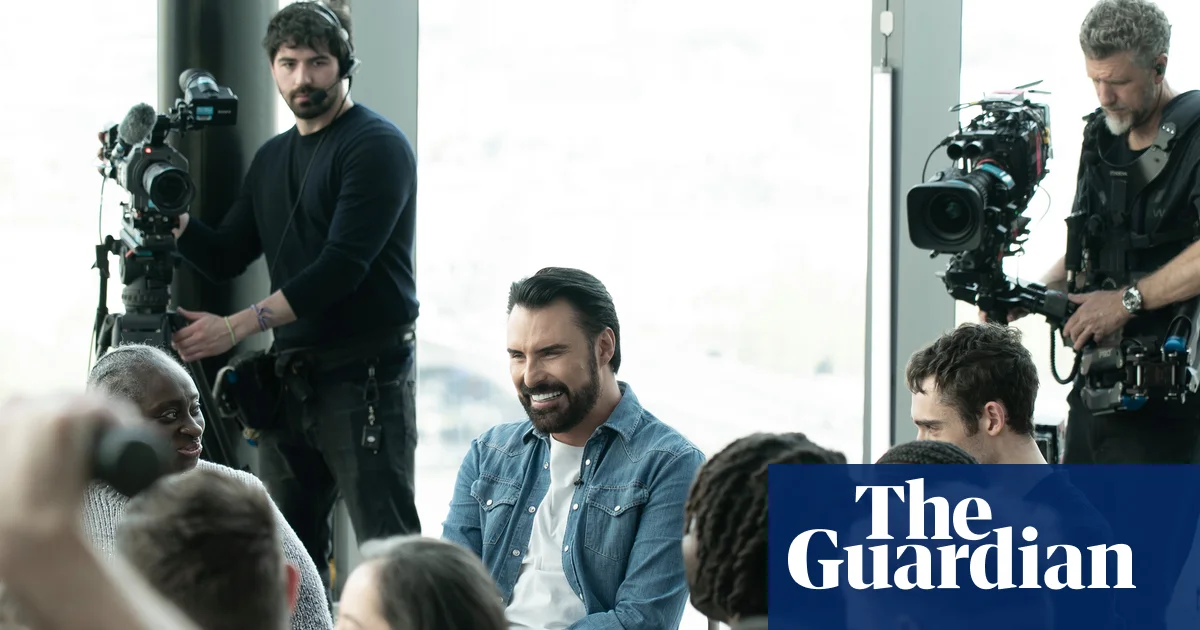
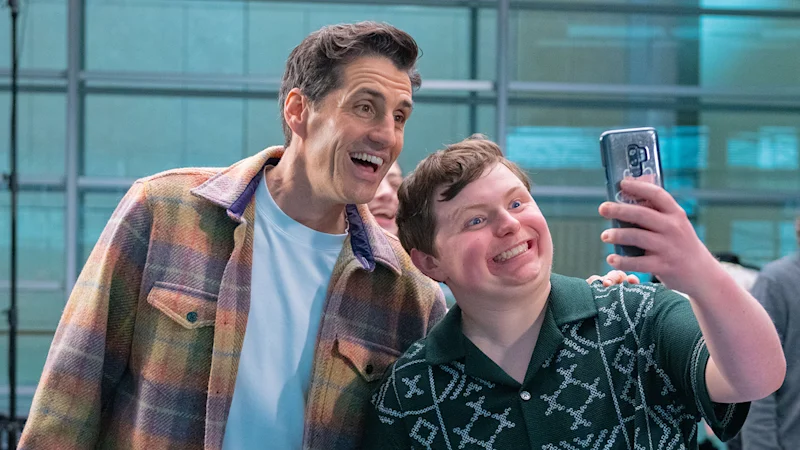
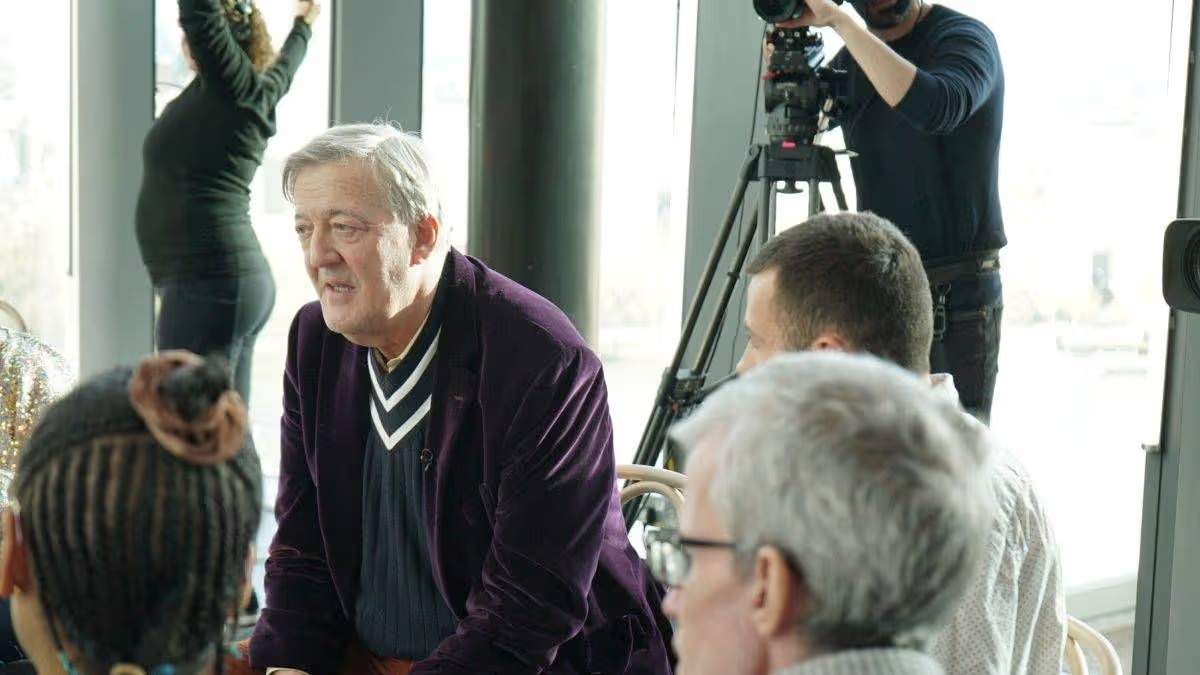
The Assembly, of course, is not a standard chatshow. This is the one where a famous person is interrogated by a group of young adults with neurodivergence or learning disabilities, who are less inhibited by the ordinary protocols of TV interviews. Every question is simultaneously something no conventional interviewer would ever contemplate saying, and something we are immediately interested in seeing the guest react to. Celebs enter that bright, high-windowed room overlooking the Thames with a mix of joy and trepidation, knowing that the artifices and pretensions that usually protect them don’t apply here. “I’ve seen you guys,” says Fry on his way in. “Smiling assassins!”
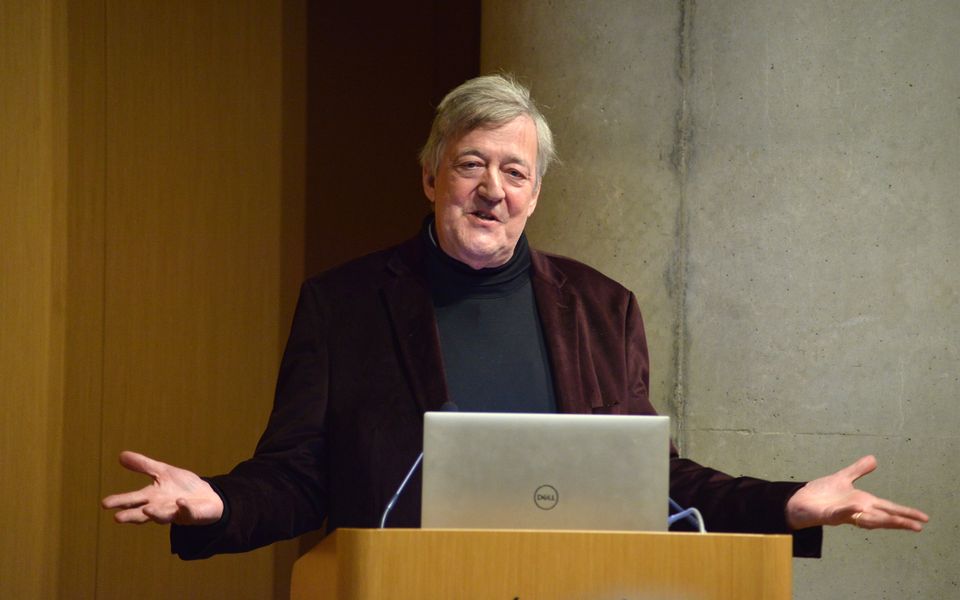
But, while the prospect of an interview where the guest is asked direct questions – rather than being lobbed softball anecdote prompts – is clearly a relief for viewers, it lifts a weight from the celebrity too, giving them a chance to remind everyone why they are on their pedestal. In the case of Fry in his later career, his talent is as a popular communicator, an explainer of simple but profound ideas, especially around religion and mental health. He readily talks about suicidal ideation, drawing a comparison with how one might feel remembering a broken limb: the pain was extreme, but that moment and that person seem alien to him now.