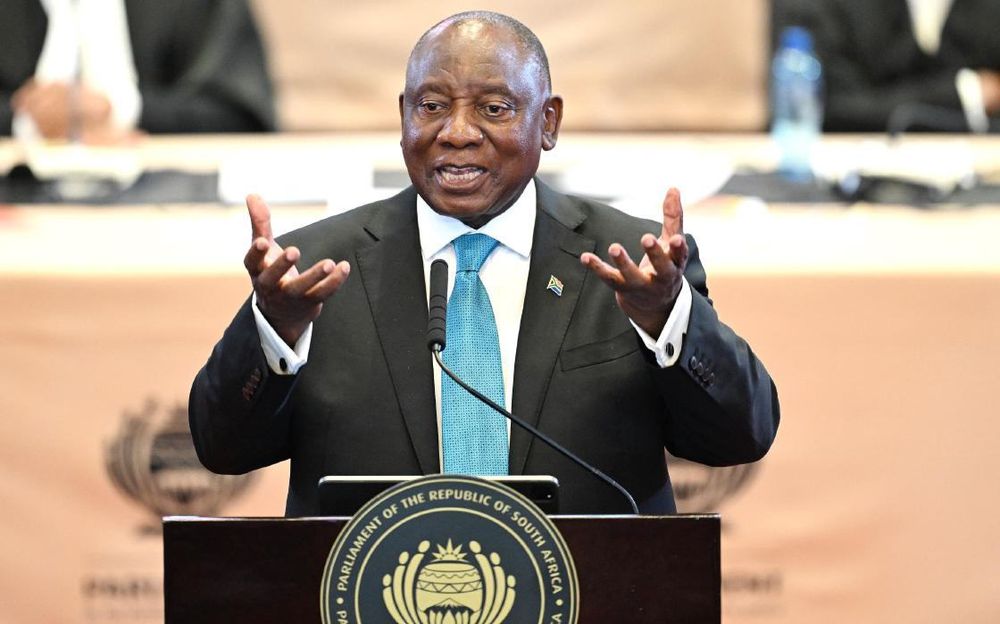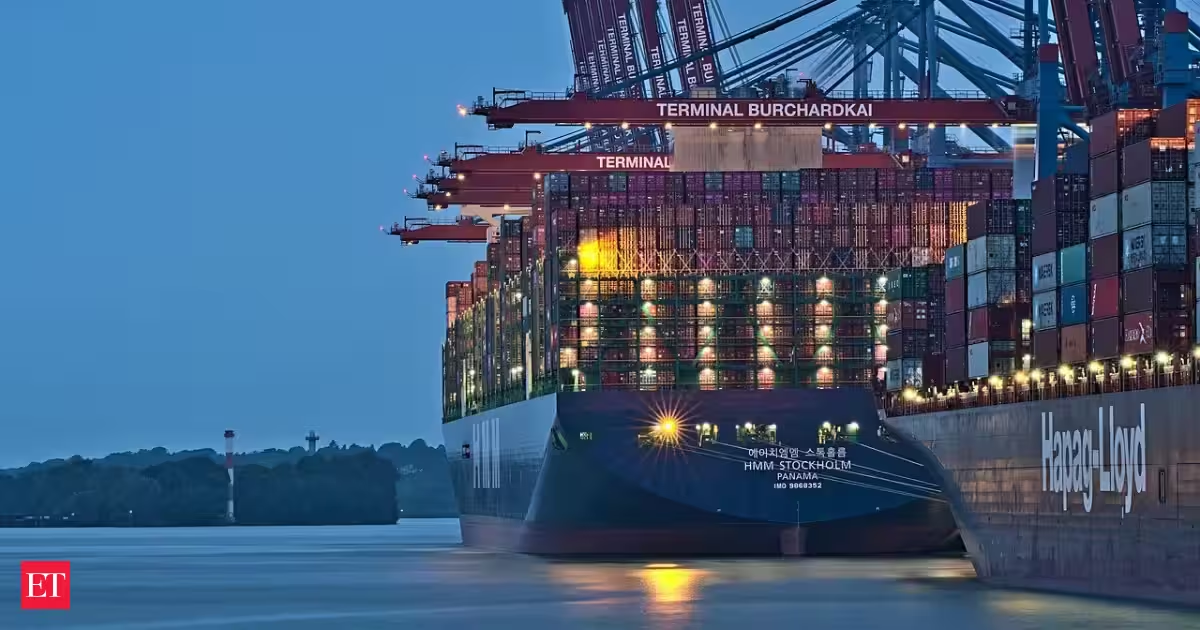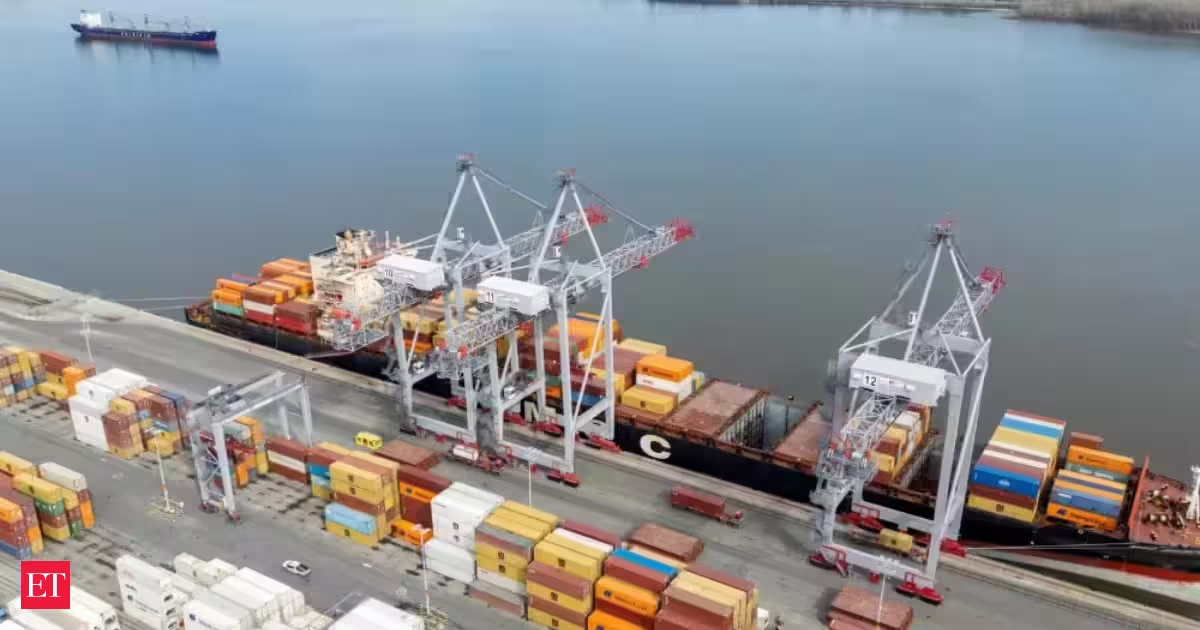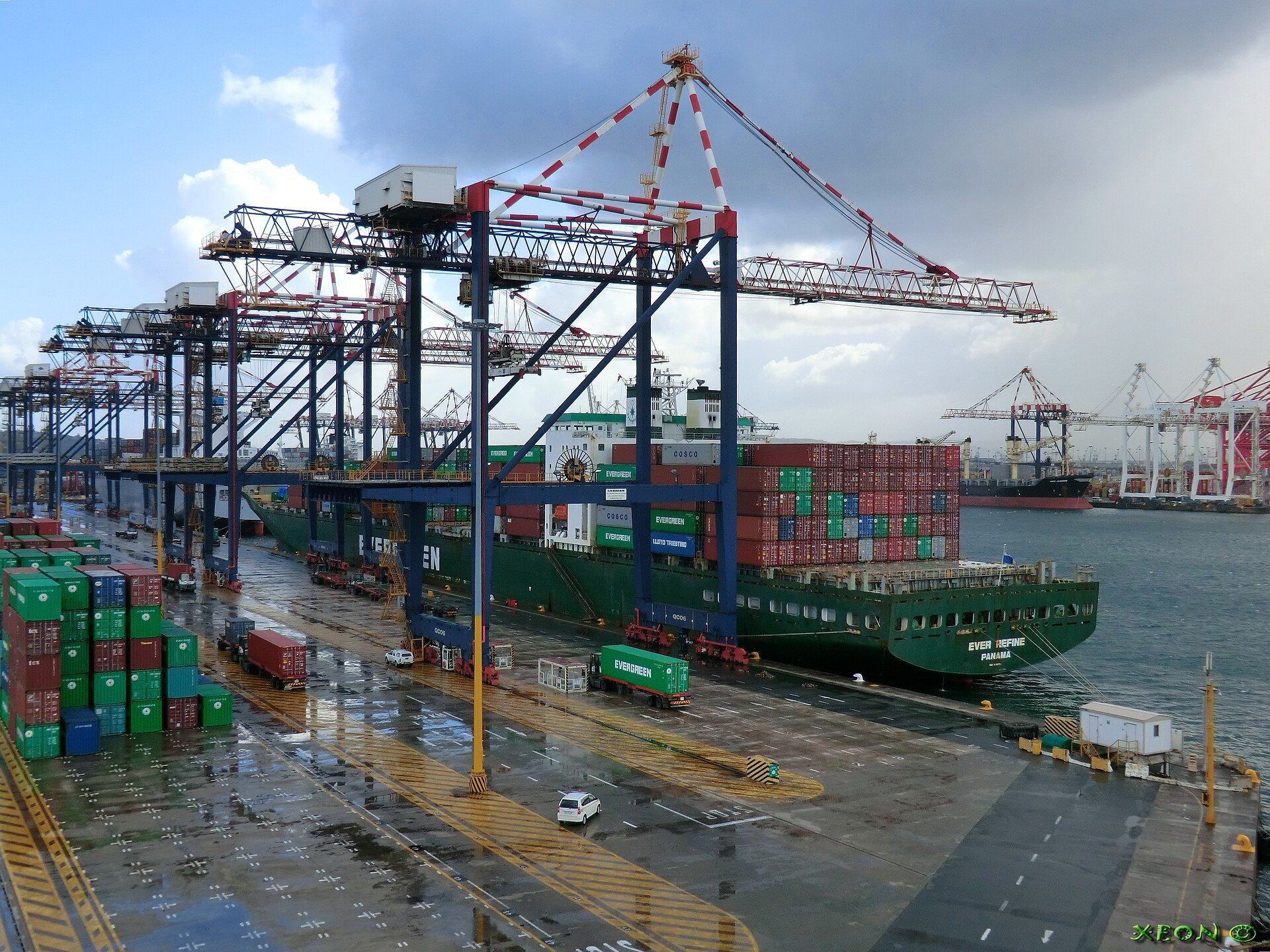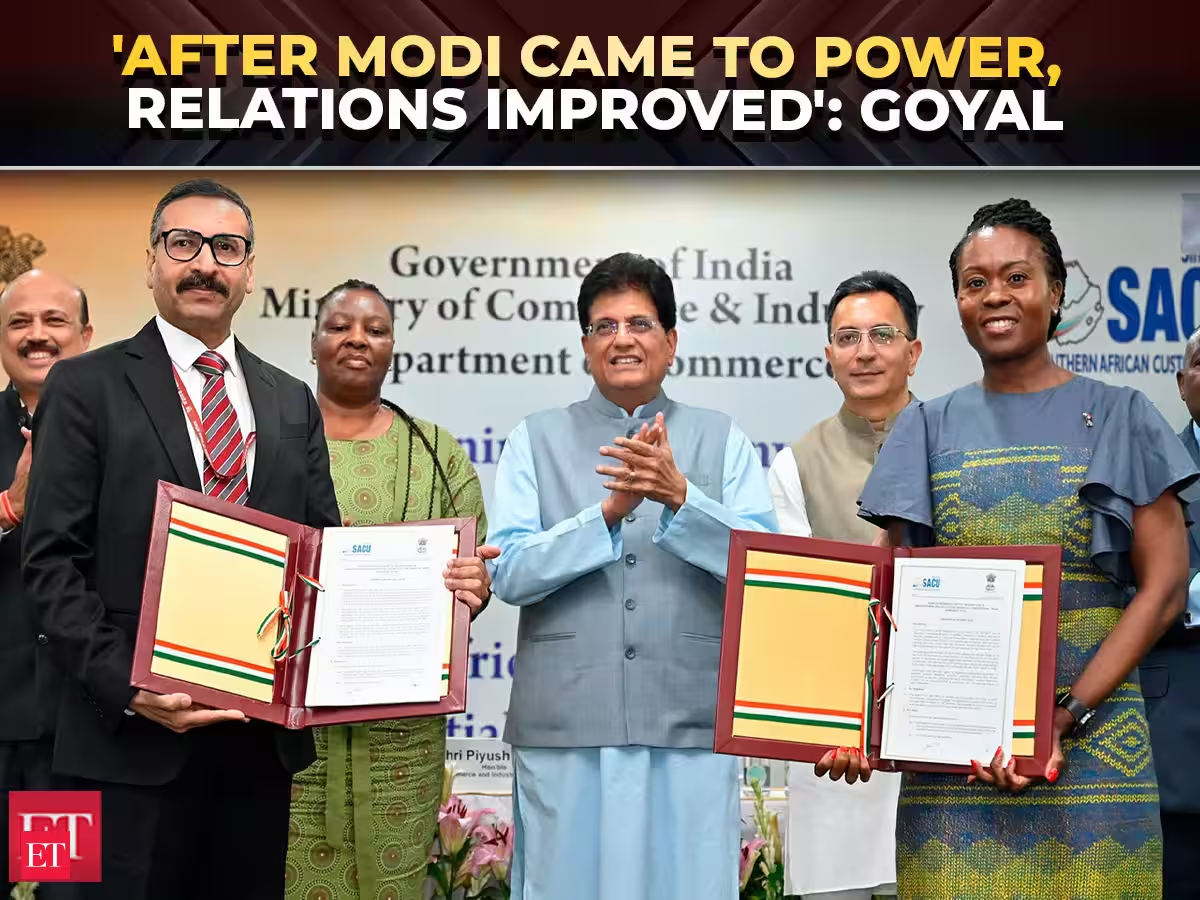
Two weeks ago, the member states of the world’s oldest surviving customs union met in Cape Town. The Southern African Customs Union (Sacu), with origins in the British colonial project to expand its Southern African markets in the 1880s, has endured ebbs and flows. The Cape Town convening was held against the backdrop of a fractious, increasingly belligerent world trading system and tense calls for autarky here at home. The summit noted progress in regional value chains, with a specific focus on the vehicle sector. In the policy speak of technocrats across the region, the communiqué from the day-long parley highlighted work on a “smart specialisation strategy” for the car sector. This “smart” approach includes the exploration of mineral beneficiation opportunities and a regional division of function and labour in the battery value chain and possibilities for vehicle-component manufacturing. So too did the meetup introduce a R5bn kitty for a “regional innovative funding mechanism” (a “fund of funds”). On a working visit last week to Botswana after the summit, discussions with trade officials, factory bosses and consular officials indicated the complicated task of translating these lofty words into deeds. A few complications bear this out. Successive Sacu agreements since 1910 have not only involved the pooling of proceeds from the customs and excise “take”. They have also, since 2002, been involved in the complicated matter of the protection of “infant industry”. This system has allowed members outside South Africa (the Beln ― Botswana, Eswatini, Lesotho and Namibia) to levy “additional” duties for eight years to “protect” industries of interest. How this has played out in practice has been far from simple. While ad hoc import bans and aggressive implementation of infant industry protection elicit expected frustration from South African exporters and seem to be the nub of the complaints about the functioning of Sacu, these “experiments” further underscore the Beln’s input reliance on South Africa. Numerous examples highlighted during the visit illustrate this: from the infant industry protection of milk processors in Botswana hitting up against animal diseases and raw milk imports from South Africa, to lead-acid batteries totally reliant on lead scrap feedstock sourced from South Africa at import parity prices. Regional value chains require, as an indispensable input, regional public goods, incentives, standards and financing to make business cases viable. The communique further highlighted that collaboration is required to ensure “the streamlining of the administration of sanitary and phytosanitary measures, technical barriers to trade and other non-tariff barriers”.Moreover, policy harmonisation must also consider getting prices wrong. Or alternatively, delink market prices from world prices (often distorted by subsidies in key producer nations) towards closer tracking of national production costs, much like the variable tariffs on grain staples in South Africa. Producing grains or milk in desert-like conditions may involve higher input costs than doing it in favourable dryland conditions. Market prices may have to reflect this, as the leadership of the agricultural marketing body suggested to us. Or Botswana lead-acid battery makers may benefit from the extension of South African export controls to reduce feedstock input costs to make their finished goods competitive in key export markets in Southern African Development Community (Sadc). The extent to which the “fund of funds” and other interventions enable these shifts, time will tell. Or the extent to which policy can cushion the prices. All these will determine the durability of the customs area. Or the durability of the industrial ambitions of many of our neighbours who feel their statehood has snuck behind the shadow of a dominant neighbour. However, opportunities remain. The precursor materials of much of the known battery chemistry that power electric vehicles are found in places such as Namibia and Botswana. So too are the nuclear medicine and energy innovations known to the world reliant on the abundant raw materials to be found in the region. Yet to have the endowments is not enough; money, knowledge and policy enablers must follow. • Cawe is chief commissioner at the International Trade Administration Commission. He writes in his personal capacity.Business Day
AYABONGA CAWE | Regional value chains will determine Sacu’s future
Despite ambitious plans and the introduction of a R5bn ‘fund of funds’ for regional innovation, implementation faces challenges, including reliance on SA inputs
671 words~3 min read