This article has been supplied.Africa has no shortage of trade ambition. As the African Continental Free Trade Area (AfCFTA) gains momentum, the bigger question is whether businesses can move goods across borders quickly enough, predictably enough and at a cost that turns that ambition into real growth. While the agreement has laid the foundation for a more connected market, businesses only realise its benefits when goods can move efficiently across borders.
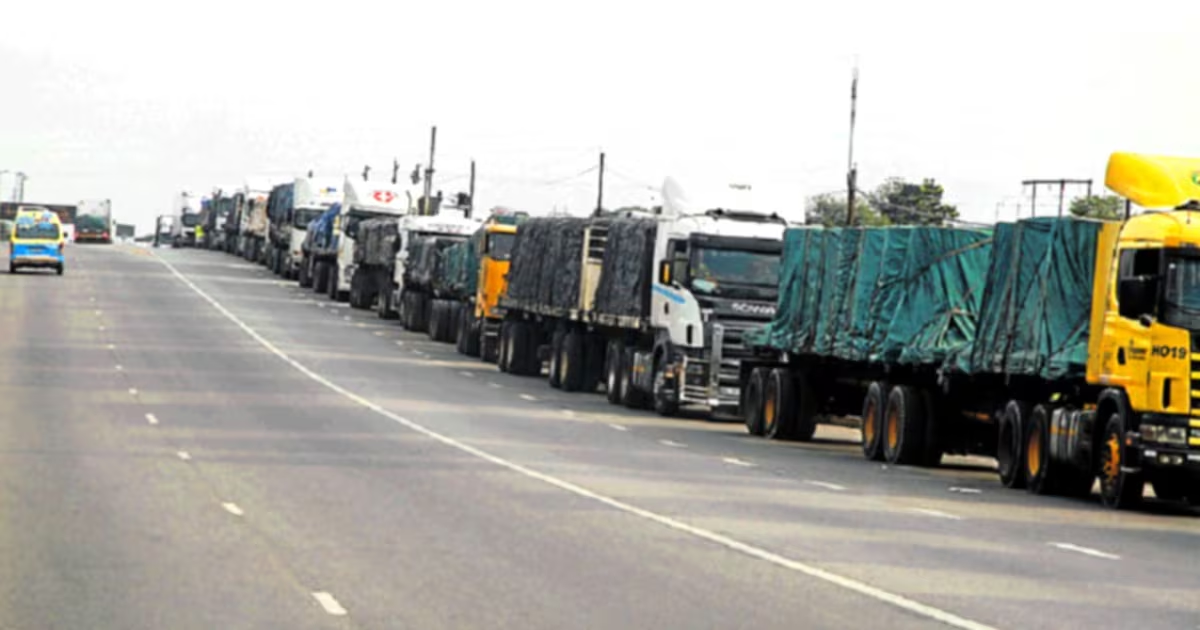
“We’ve made important progress at a policy level with initiatives like AfCFTA, but the benefits are often diluted by operational friction,” says Nelson Teixeira, managing director of operations for Sub-Saharan Africa, FedEx,. “For many companies, particularly small and medium enterprises (SMEs), the reality is that cross-border trade can still be more complex than it needs to be. Different customs requirements, inconsistent documentation processes, and lengthy border procedures continue to add cost and delay shipments.”
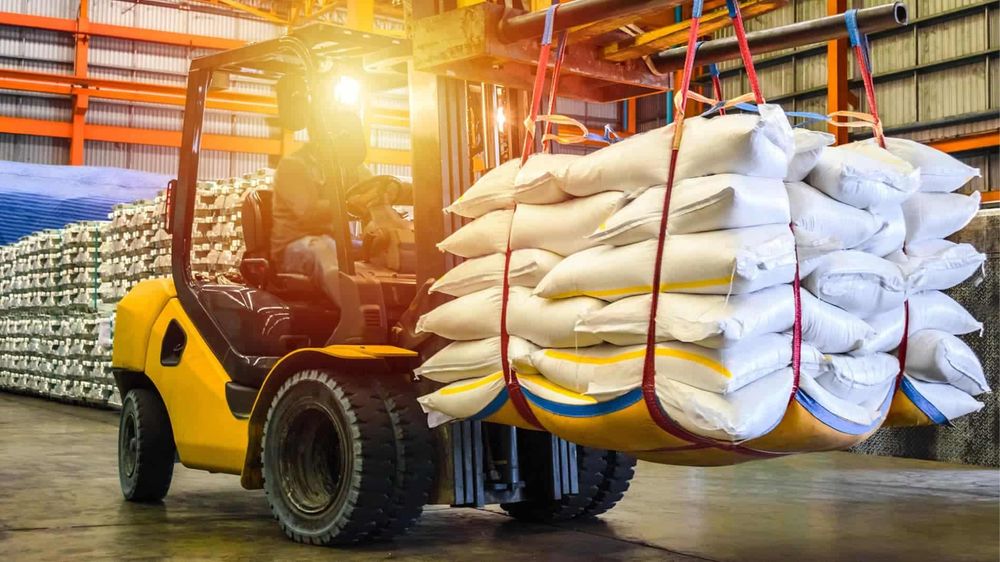
For South African SMEs looking to expand into new markets, those challenges have a direct impact on growth. South Africa sits at the base of vital trade routes, such as the North-South Corridor, which connects Southern Africa to East Africa. A business may have demand for its manufactured goods or agricultural products beyond its home market, but navigating customs requirements, compliance obligations and border processes can quickly become a barrier to scaling.