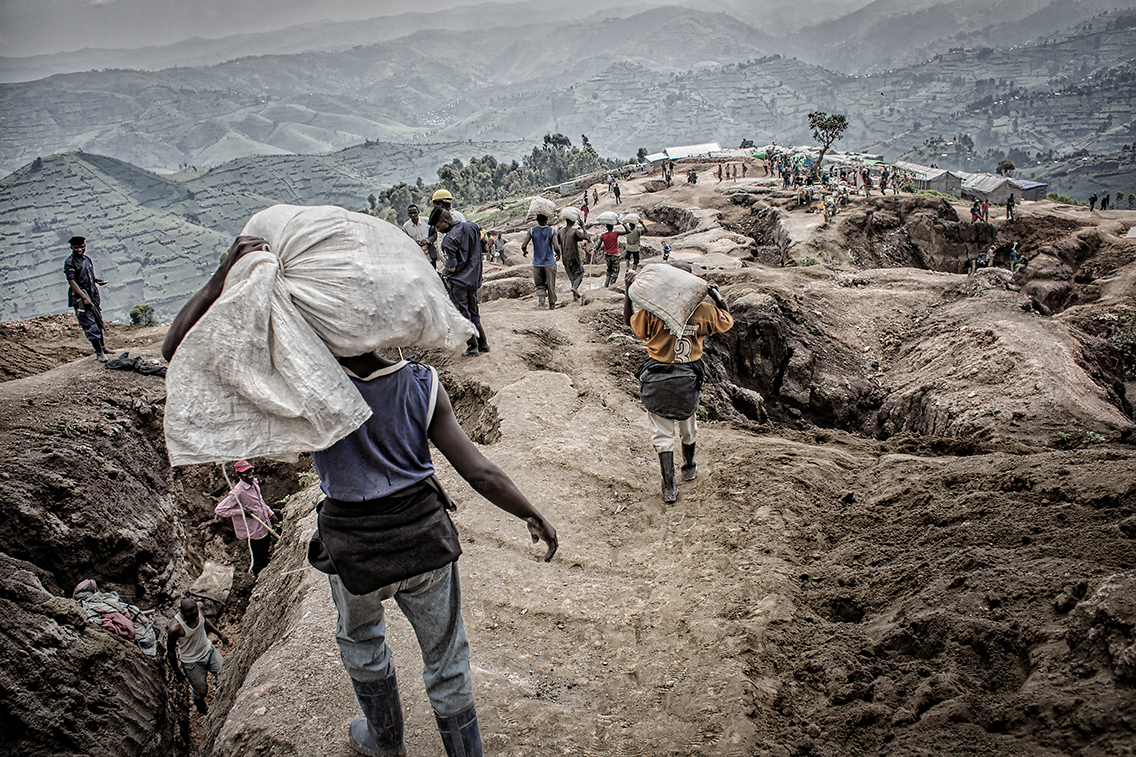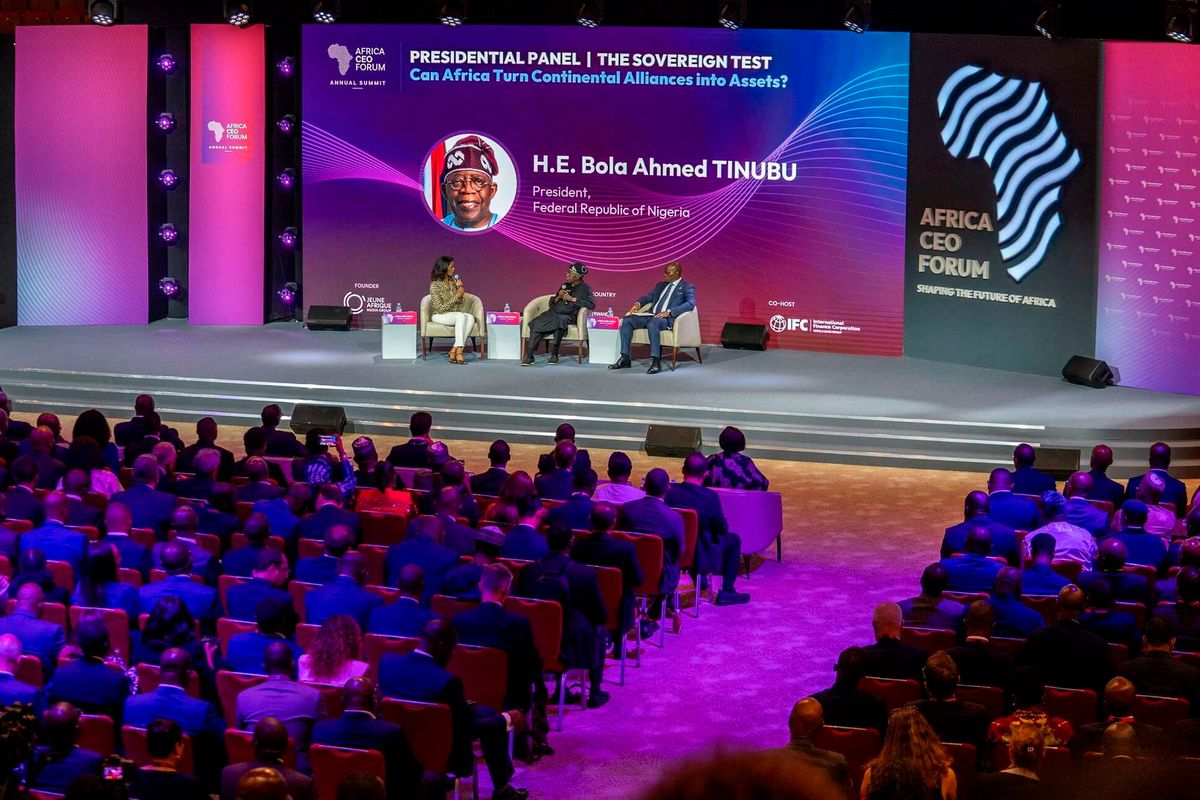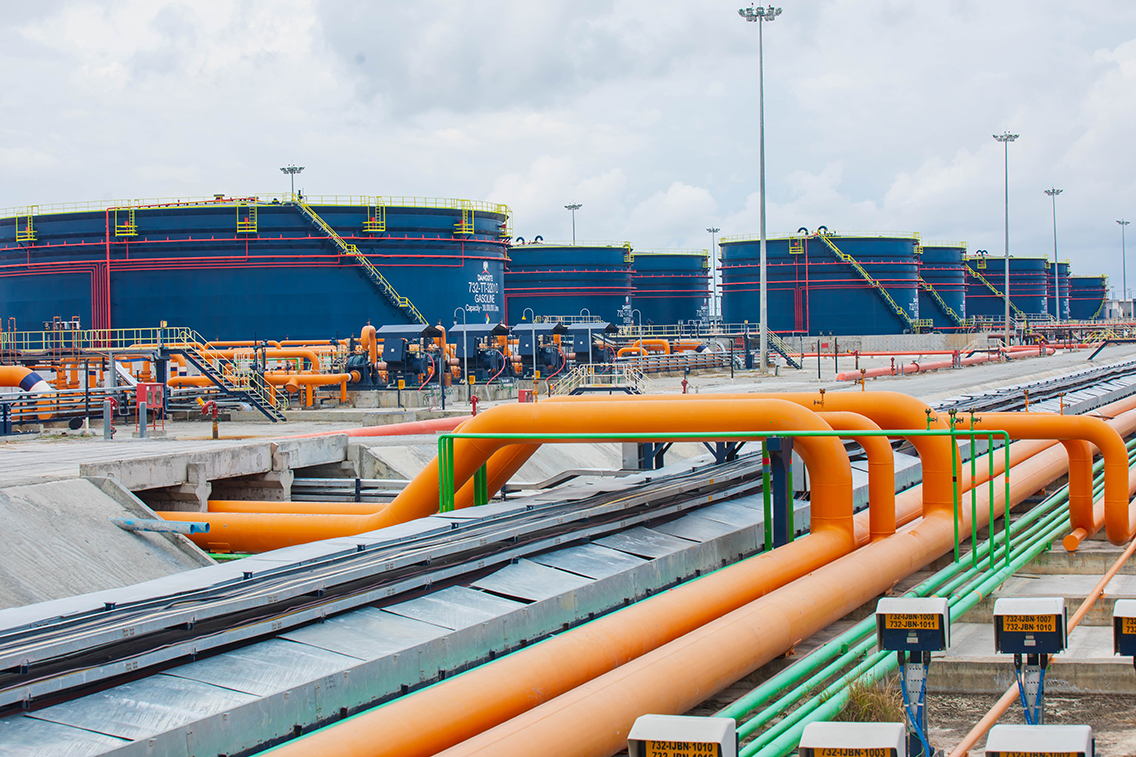
The phenomenon of African resources benefiting external economies more than local ones has long defined the continent’s resource story.Now, as demand for carbon sequestration (as a commodity) grows, Africa’s natural capital is being recognised as a vehicle for wealth and value creation. Whether this value will ultimately benefit the continent itself remains an open question. Seeking to retain more of this value within the region, the Southern Africa Alliance on Carbon Markets & Climate Finance was recently launched. It aims to strengthen regional co-operation under article 6 of the 2015 Paris Agreement and to improve member states’ ability to capture greater revenue from global carbon markets. The alliance brings together eight countries: Botswana, Lesotho, Madagascar, Malawi, Mauritius, Mozambique, Zambia and Zimbabwe. Notably, South Africa is not part of the initiative, despite this country’s dominant role in the region’s energy and emissions profile. Africa’s carbon market is accelerating relatively quickly, and is projected to grow at a compound annual growth rate of 26.25% between 2024 and 2033. This momentum raises an important question, though — is this an opportunity for the continent to monetise its natural capital on its own terms, or will it reproduce the extractive dynamics that have defined the oil and critical mineral markets? Carbon as a commodity Carbon markets are built on the idea that emissions reductions can be traded. Carbon credits are generated through projects that reduce or remove greenhouse gas emissions, such as land restoration or renewable energy installations. These credits are bought by governments or companies seeking to offset their emissions. Southern Africa, and Africa more broadly, is important in the global carbon economy due to its abundance of natural assets. That is to say that the continent has large natural ecosystems that already absorb and store carbon or can be restored to do so through climate projects, making them valuable for carbon credit markets. The continent also possesses plentiful solar and wind resources to power renewable energy infrastructure. By 2030, MSCI projections suggest the carbon credit market could be worth between $5m and $20m. Carbon credits run the risk of resembling traditional commodities Under the conventional extractive model, resource-rich African economies export raw commodities while value-added activities occur elsewhere. This creates enclave-like dynamics with limited domestic value capture, re-inforcing dependence on external markets and pricing. Within Southern Africa this dynamic is evident across several industries. Mozambique’s coal sector is highly export orientated, with much of the beneficiation taking place in importing countries. Similarly, Namibia, the world’s third-largest uranium producer, feeds foreign-controlled supply chains. Across the region this mirrors broader African commodity exports such as gold and cocoa from Ghana or cobalt and copper from Congo, where refining and value-added processing are concentrated outside the continent. Carbon markets may be extending this same structural pattern. Although carbon credits are generated from projects based on Africa’s landscape, a significant share of the value along the supply chain can be captured by intermediaries and global buyers. A report published by the Africa Carbon Markets Initiative found that intermediaries can retain 10%-70% of the value of a credit. This statistic illustrates how value can be captured early in the chain, limiting what reaches local actors on the ground. As a result, some analysts characterise carbon markets as a form of “green colonialism”. In this context, green colonialism refers to a system in which environmental assets in the Global South are harnessed to meet climate and net-zero goals largely set in the Global North, without a shift in who controls the creation and distribution of the value. Former African Development Bank president Akinwumi Adesina stated, “We used to have land grabs; now we are having carbon grabs.” Akinwumi also pointed out that in some cases African carbon credits have traded for as little as $3 per tonne, whereas credits in more regulated markets attract significantly higher prices. The effectiveness of carbon markets depends on more harmonised pricing structures that reflect the actual environmental value of carbon. While complete price uniformity is not necessary, carbon trading should not become a way for high emitters to cheaply absolve themselves instead of making meaningful reductions in emissions. This pricing gap reflects a very obvious structural inequality, including unequal bargaining power and a fragmented valuation system. So, the continent is yet again positioned as an exporter of a raw resource; in this case, carbon absorption capacity, while it remains (for the most part) a price taker in determining how that value is measured and monetised. A window of opportunity The establishment of the Southern Africa Alliance on Carbon Markets & Climate Finance points to a shift in how the region is engaging with global carbon markets. It reflects a move from fragmented national efforts towards a more co-ordinated regional approach. Economically, co-ordinated participation is likely to strengthen the region’s collective bargaining power to attract higher prices for carbon that benefits each country more than they could attain in the absence of collective action. Symbolically, it reflects a shift from being a price-taker in the global climate economy to having greater control over how value is created and captured. Africa captures roughly only 2% of its potential annual carbon value, despite holding some of the world’s largest carbon sinks. At the same time, the continent reportedly supplies 14% of global voluntary carbon credits, with much of the revenue going to external parties, as noted earlier. Regional co-ordination offers a pathway to retaining value locally. The alliance seeks to support this by promoting co-ordinated standards. In practice this includes shared monitoring, reporting and verification processes across national systems. It also seeks to advance baseline harmonisation, meaning that emissions reductions are measured against comparable reference points across member states. Alongside this, it focuses on capacity building by strengthening technical expertise among regulators, policymakers, verification bodies and project developers. At its core the alliance aims to address the fragmentation that keeps African carbon credits undervalued and weakly positioned in global markets. As indicated by South Africa’s former environment minister, Dion George, at the 2025 Carbon Markets Africa Summit: “Africa must act as one. Fragmentation weakens us; unity strengthens us. Let us share knowledge, align our standards, and build regional systems that reflect our shared ambition.” Although this call for regional unity is compelling, there are still challenges to achieving this vision. These include regulatory fragmentation, low local value capture, leakage of value to intermediaries and limited capacity to govern carbon markets effectively. The alliance responds to this through regional alignment, shared carbon registries, improved pricing strategies and the creation of collective bargaining power within international carbon trading systems. In the official launch statement, Zimbabwe’s permanent secretary for environment, climate and wildlife, Tadeous Chifamba, framed collective action as central to the alliance’s success, noting that: “[The region needs] unity of purpose to unlock carbon and climate finance while ensuring environmental integrity, achievement of nationally determined contributions and meaningful sustainable development outcomes that benefit the people of the region.” The demand for African carbon is not inherently a problem. In many ways it reflects the recognition of the continent’s natural capital and economic value. But value does not automatically translate into influence, and it does not guarantee that decision-making power stays where the resources are found. How the carbon market dynamics evolve from here will depend on how effectively countries organise themselves. With stronger state capacity across governments and less fragmented national action, a more unified regional approach could be the key to moving the carbon economy away from old patterns of value extraction. • Lupondwana is a researcher in the natural resource governance and climate change programme at Good Governance Africa.
SISANDA LUPONDWANA | Africa’s carbon boom risks repeating old resource patterns
Regional alliance aims to keep more carbon market value in Southern Africa
1,264 words~6 min read