Africa's leaders are increasingly united around a simple but transformative idea: the continent can no longer afford to remain merely a supplier of raw materials to the rest of the world.
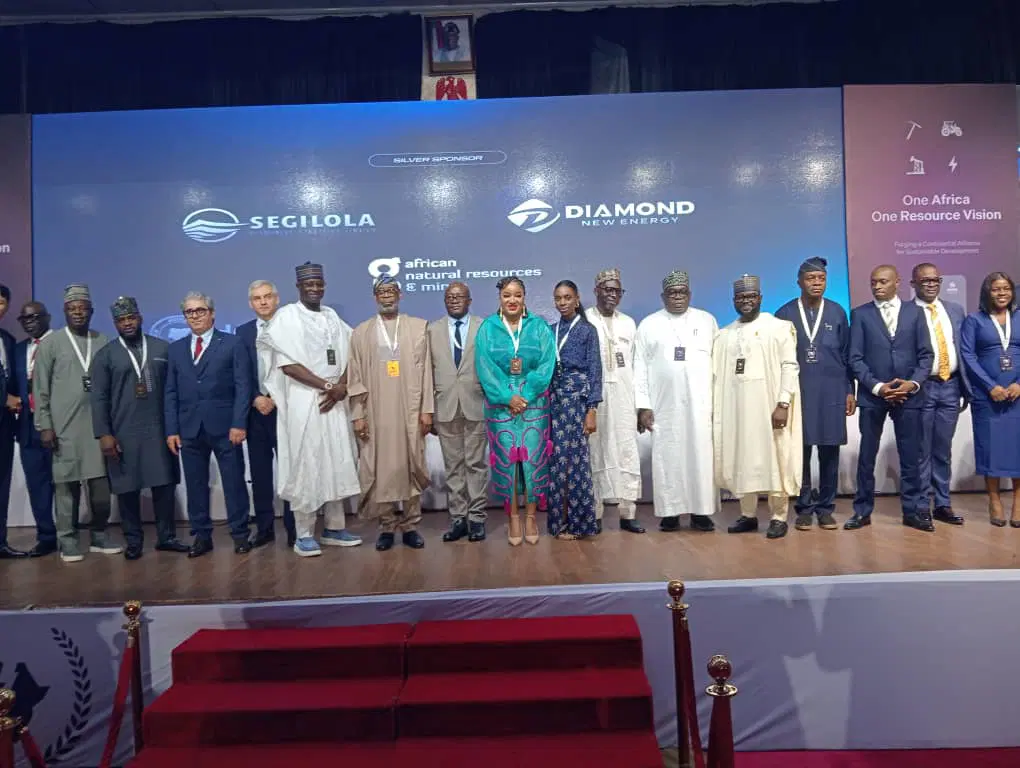
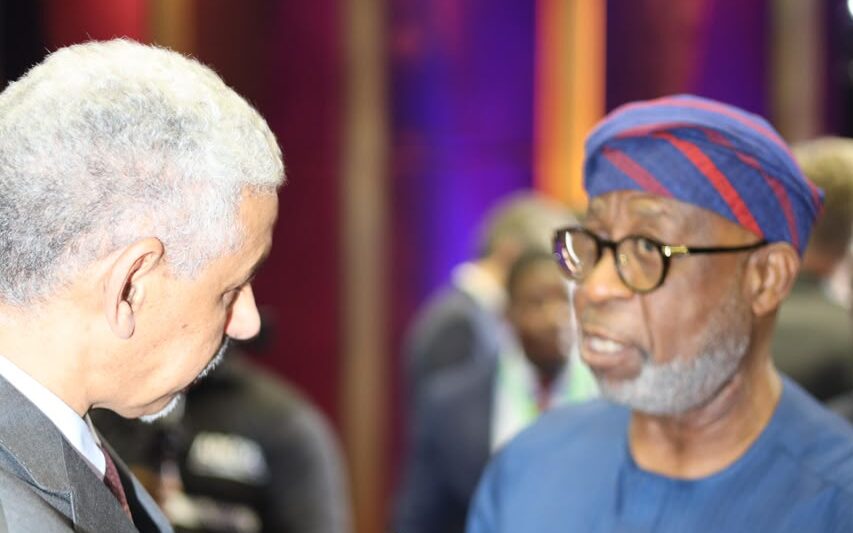
Africa's leaders are increasingly united around a simple but transformative idea: the continent can no longer afford to remain merely a supplier of raw materials to the rest of the world. At the 5th African Natural Resources and Energy Investment Summit (AFNIS 2026) in Abuja, policymakers, investors and industry leaders renewed calls for an end to Africa's dependence on exporting unprocessed minerals, arguing that the continent must capture more value from its vast natural resource wealth through industrialisation, beneficiation and regional cooperation.
The argument is not new. For decades, Africa has exported raw commodities while importing finished products at significantly higher prices. The pattern reflects a colonial-era economic structure that has persisted long after independence. Today, despite possessing some of the world's largest reserves of cobalt, platinum, manganese, lithium and rare earth minerals, many African economies remain vulnerable to commodity price fluctuations and external market shocks.