The authors say investment in engineering skills, technology transfer and local manufacturing is key to Africa's long-term economic growth.
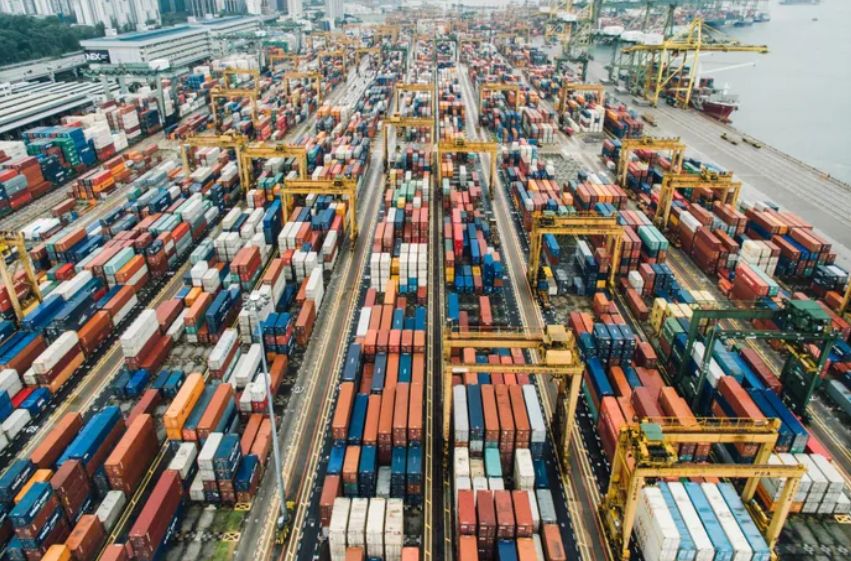
Africa is rich in resources, boasting over 30% of the world's strategic minerals, 12% of its oil, and 40% of its gold. Yet the continent contributes only 3% to global manufacturing output. This stark paradox defines the economic continuum of the erstwhile stark-naked colonial political domination and economic exploitation of Africa.
For decades, continental development models have prioritised the absorption of foreign aid and primary commodity exports. However, this has trapped African economies in an unequal global dynamic: exporting unrefined, low-value raw materials only to re-import finished, high-value goods manufactured from those very same resources Africa exported. The irrefutable abysmal results of this internationally endorsed development model leave its proponents and designers with only two options: either to admit failure and pathetic incompetence or to confess fraud and bad faith.
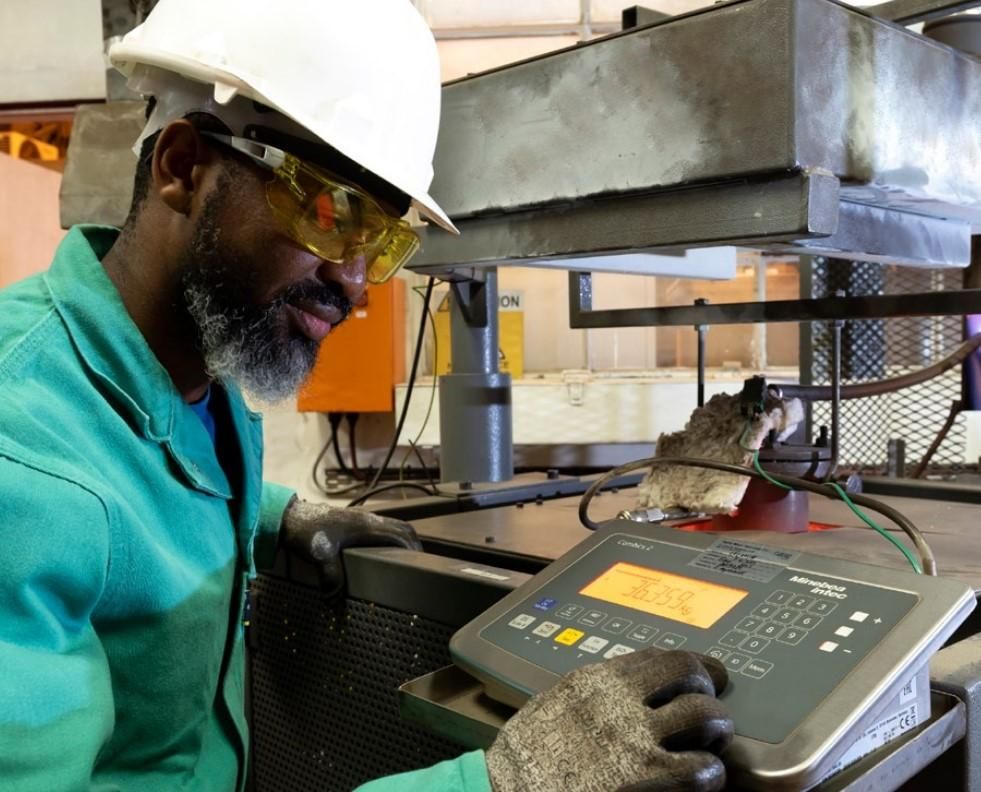
To reverse and break this cycle of external economic exploitation, Africa must shift away from traditional, "soft" science diplomacy, which focuses primarily on academic mobility or environmental data sharing, and adopt an aggressive, transaction-oriented economic diplomacy aimed at the direct transfer, adaptation, and sovereign ownership of industrial technology. This is because true sovereignty is technological sovereignty, as demonstrated in the European possession of the Maxim Gun for military conquest, which facilitated the colonisation of Africa, and the USA’s use of the atomic bomb to create the global post-World War II economic and political order.