Southern Africa’s supply chain networks face significant disruptions driven by geopolitical tensions and rising cyber threats. As costs soar and operational challenges mount, businesses must adapt strategically to safeguard their futures
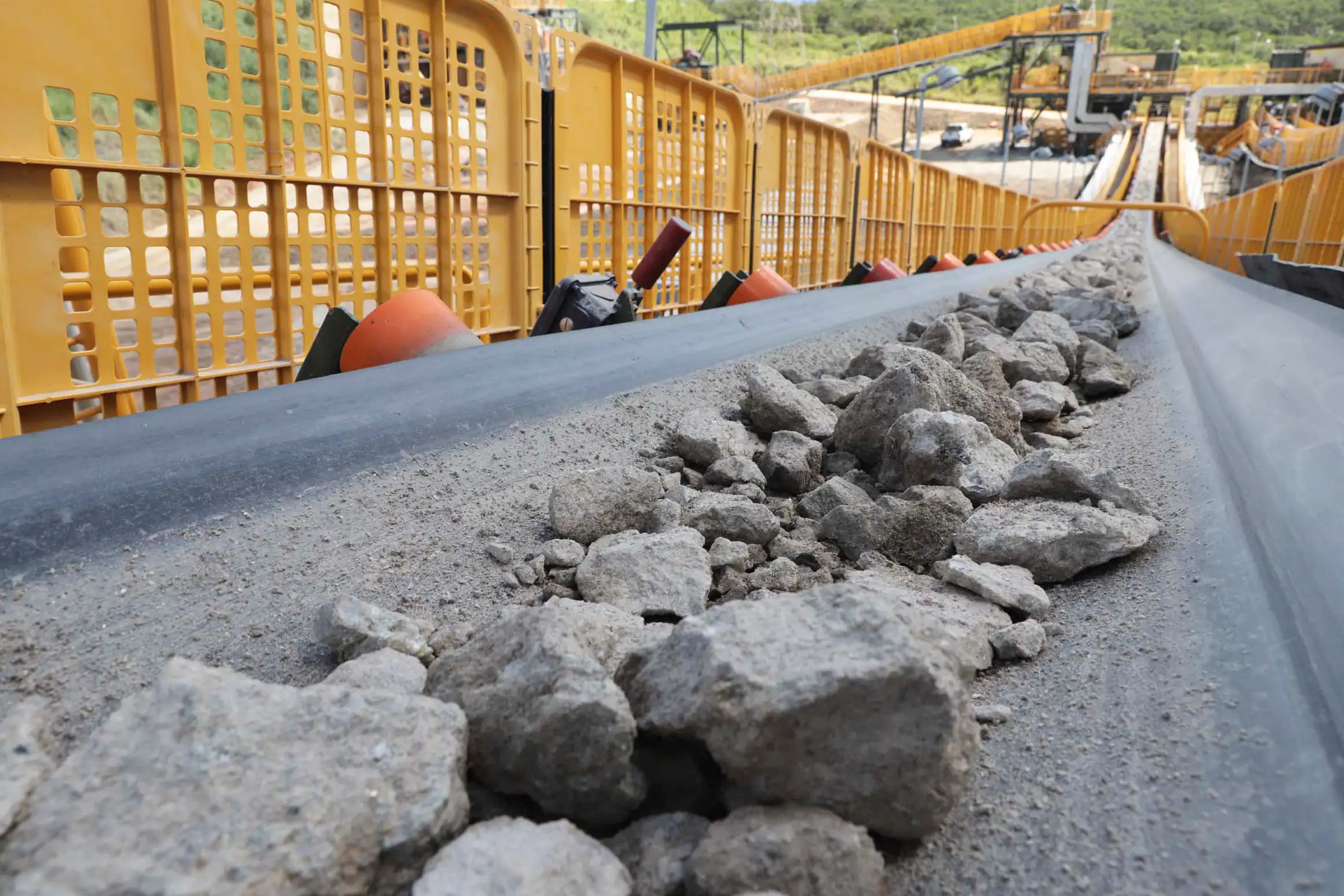
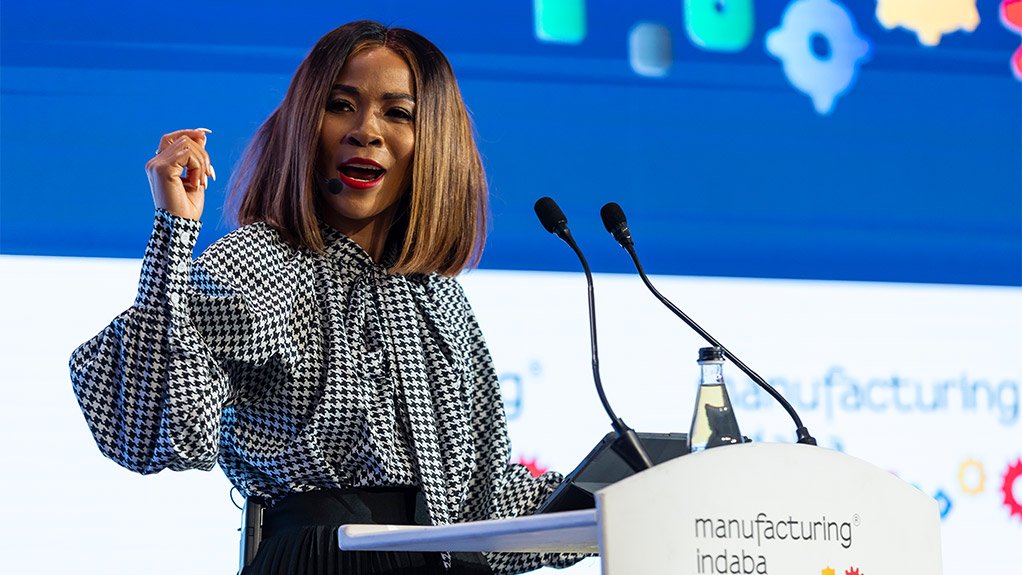
That gap, between what Africa digs up or grows and what Africa actually manufactures, was the subject at the centre of the 13th Manufacturing Indaba, held in Sandton on 14 and 15 July under the banner Made in Africa: Scaling Growth and Shaping Trade. Deputy President Paul Mashatile and a lineup of government and industry figures used the platform to restate a familiar ambition: that Africa should stop exporting raw materials and start exporting finished goods. The harder question, and the one worth sitting with, is whether that ambition is designed to reach the people who most need it to succeed.
The value chain behind something as ordinary as a bag of coffee illustrates the point well. A farmer grows and harvests the beans, but the beans still need to be roasted, ground, packaged, branded and sold before anyone drinks the result, and each of those steps is where money gets made. Manufacturing already contributes about 13 percent of South Africa's economy and supports more than 1.6 million direct jobs, according to government figures, yet Statistics South Africa reported in June that the sector contracted 0.8 percent in the first quarter of 2026, its second consecutive quarterly decline. The ambition to industrialise is not new. What has changed is the urgency, as officials increasingly use the term reindustrialisation, a word that concedes, more honestly than most government language does, that South Africa has already lost a meaningful share of the manufacturing capacity it is now trying to rebuild.