AS someone who has practised international law for years, I have come to appreciate how infrequently genuine diplomatic openings appear. Countries often wait decades for such moments, and even fewer manage to convert them into an opportunity. Pakistan is now standing at one of those rare junctures.
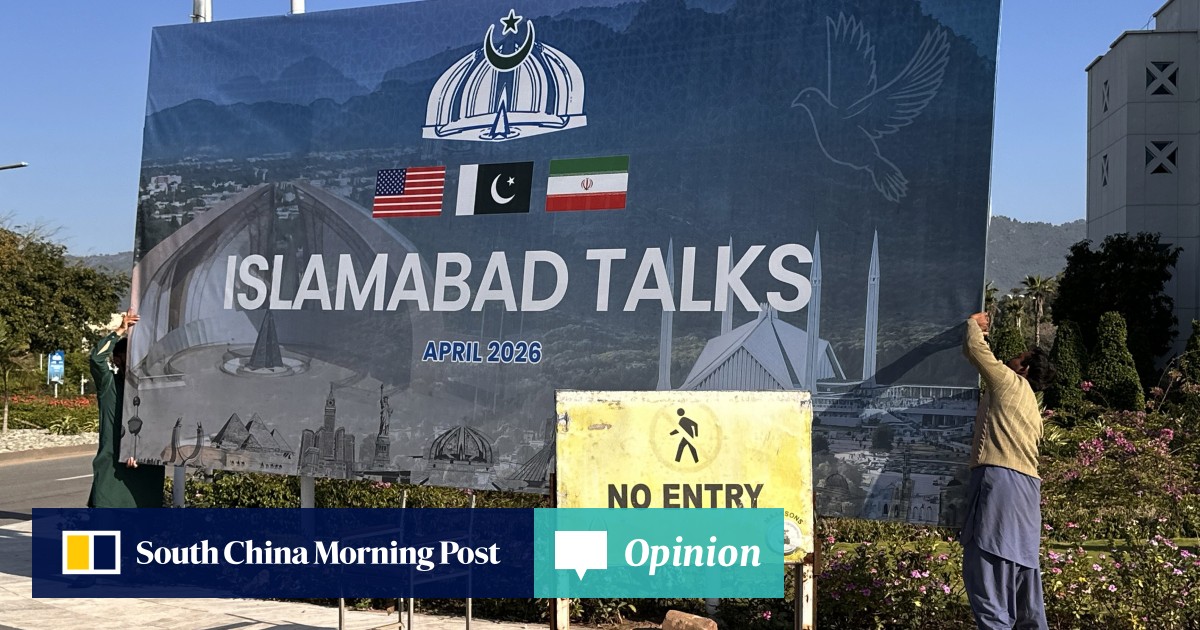
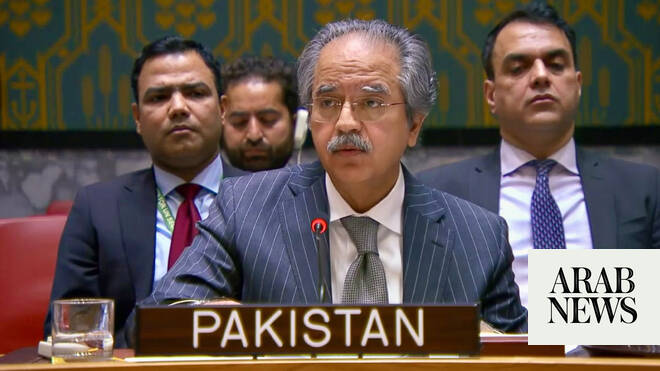
For decades, Islamabad has been at the receiving end of international opprobrium and has complained that its opinion carries little weight. Recently, Pakistan’s role in helping defuse tensions between the US and Iran has changed perceptions in global capitals. As a result, Pakistan’s diplomatic stature has risen significantly.
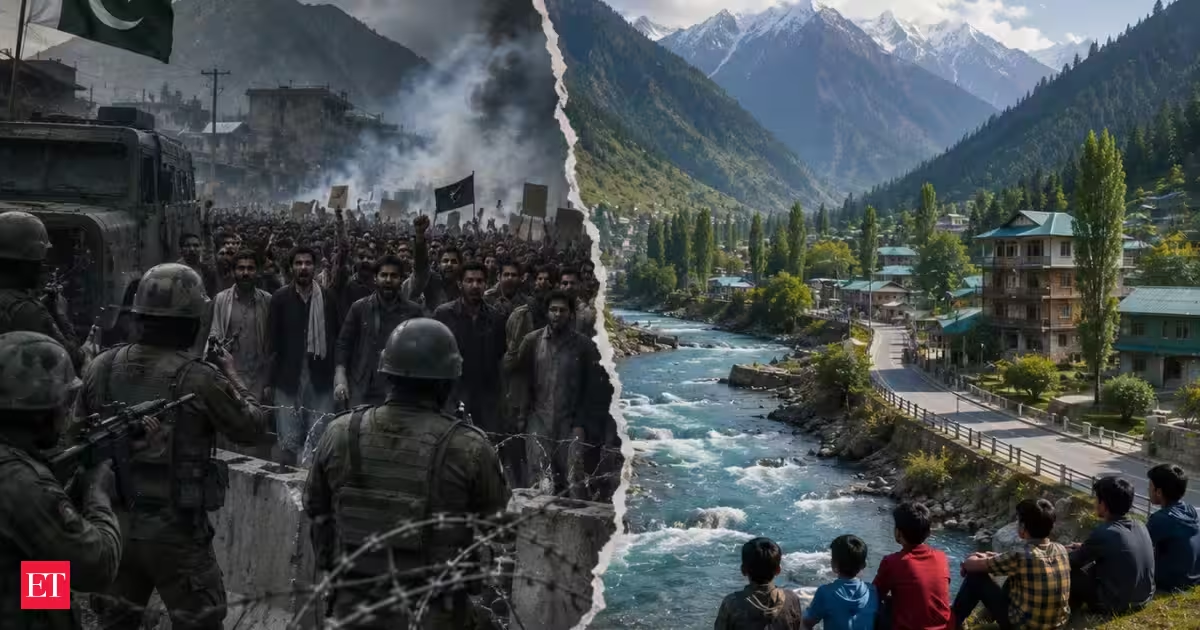
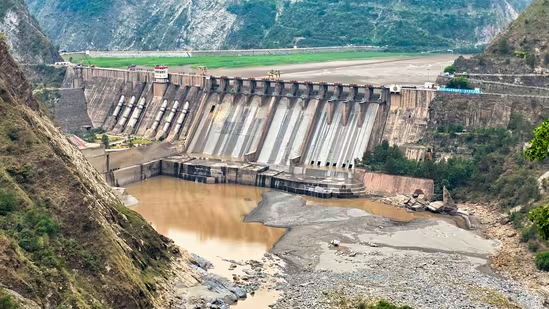
The more important question is what comes next. Diplomatic goodwill has a short shelf life. The time has arrived to think differently about Kashmir. Pakistan has not pursued a sustained lawfare strategy through international institutions with sufficient seriousness.
Put simply, lawfare is the deliberate use of legal institutions to achieve political objectives. For example, legal proceedings pursued as part of a lawfare strategy can shape international opinion, affect international talks, and provide states with opportunities to strengthen their political position. In some cases, lawfare enables smaller states to exert influence beyond their material power.