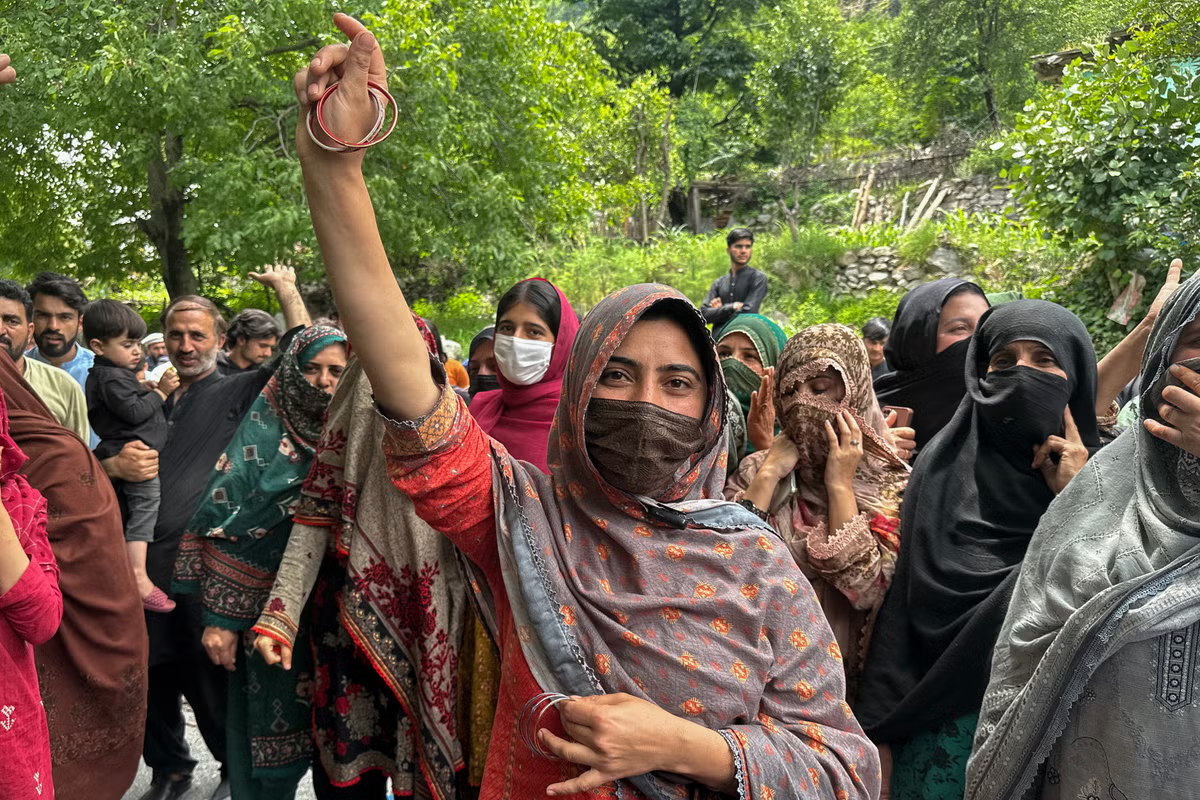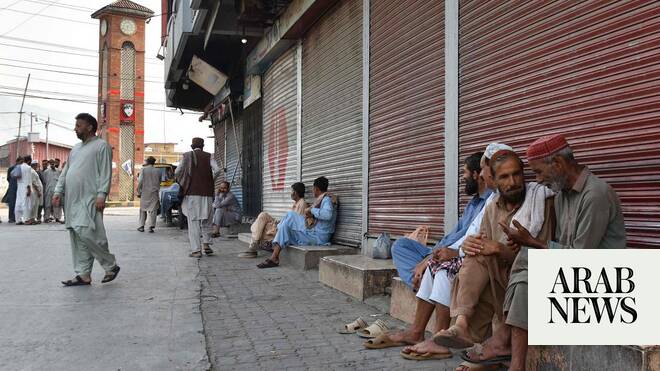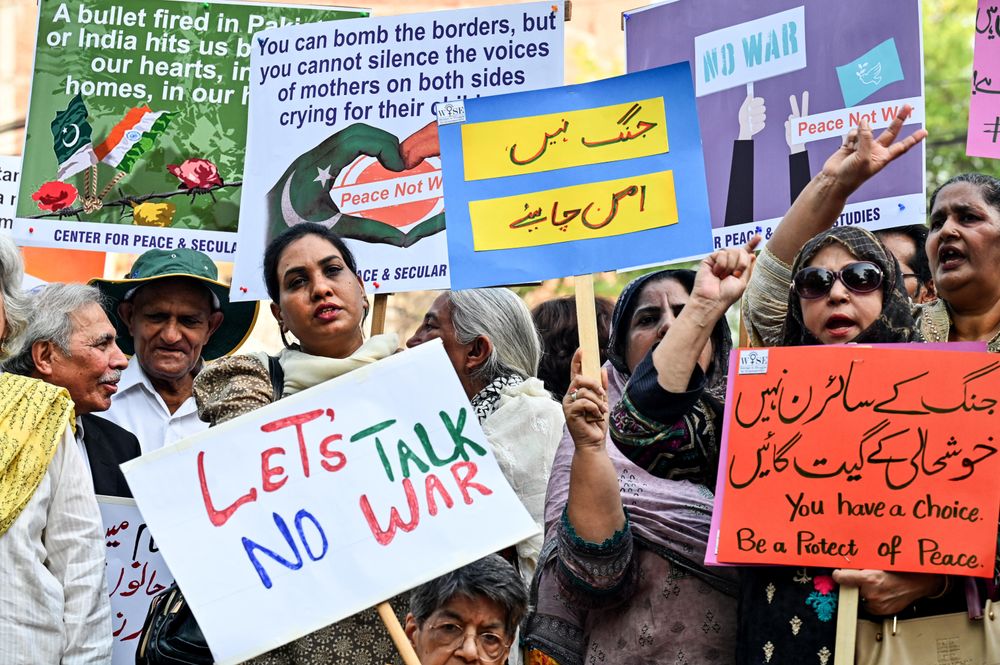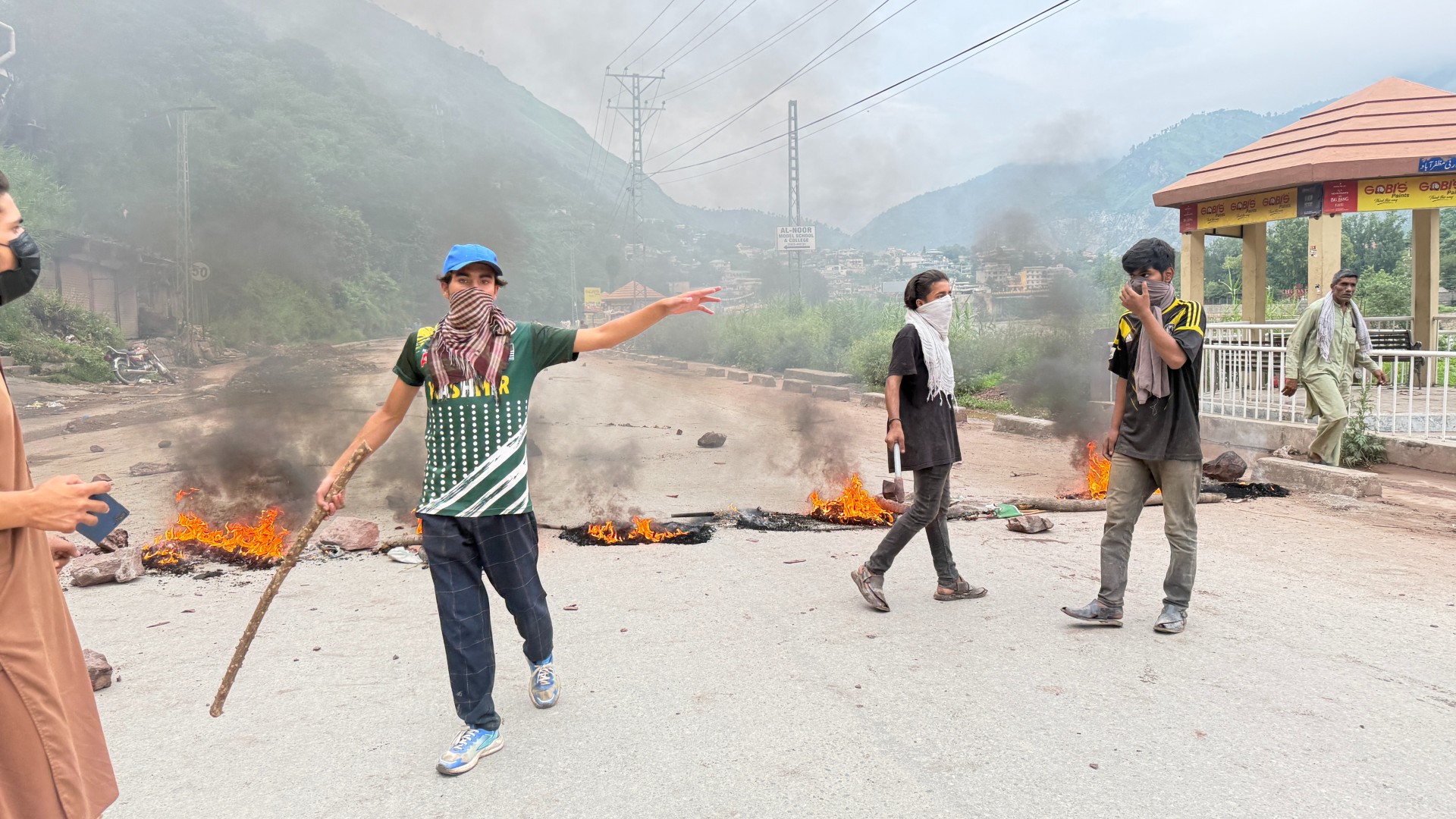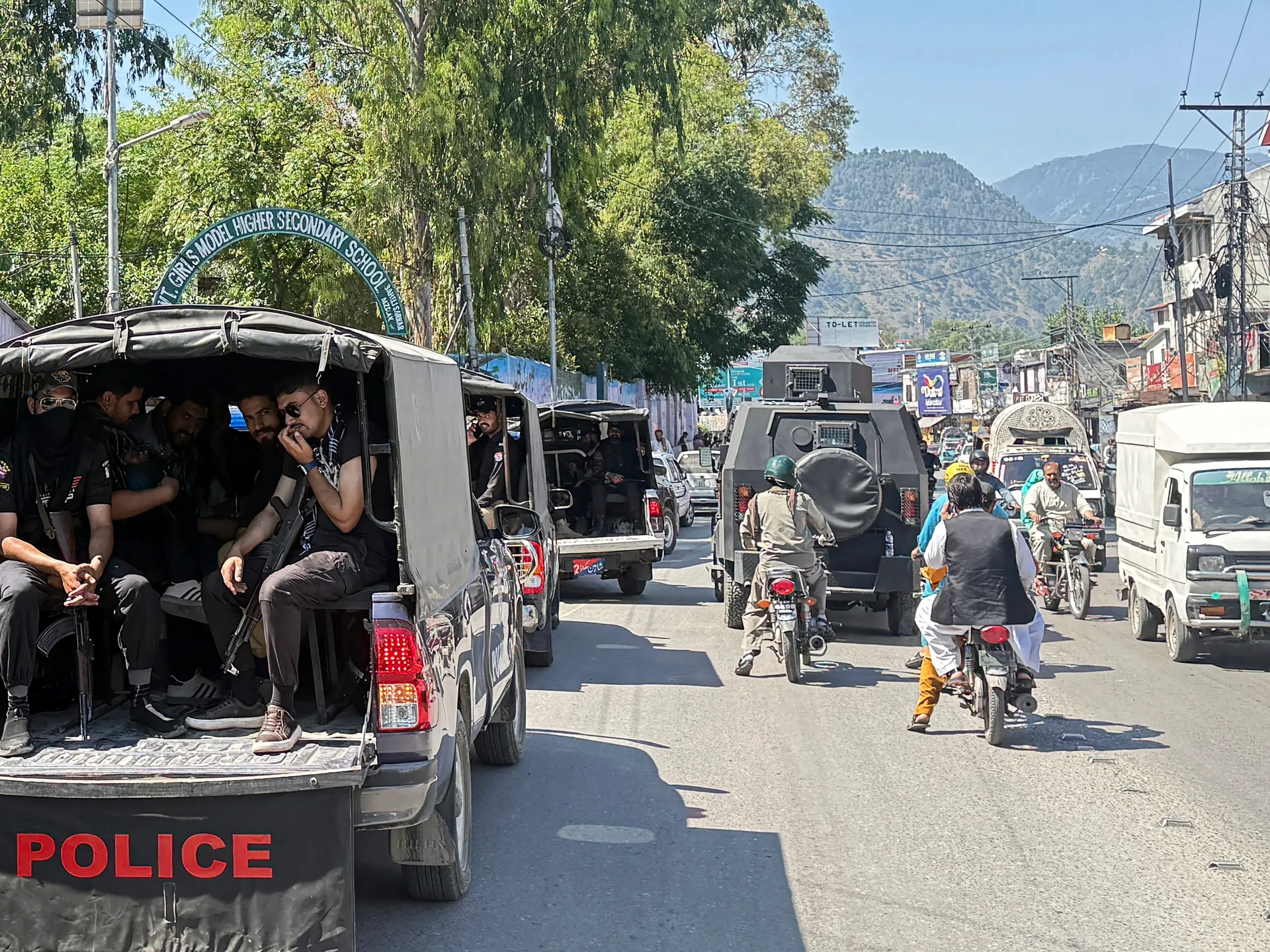
Deadly clashes between protesters and security forces in Pakistan-administered Kashmir this month have underscored the widespread public discontent in the territory, and highlighted Islamabad’s continued overreach there. The Pakistani state’s violent crackdown following popular demands for governance reform in the semi-autonomous region has killed at least 15 people, creating a political crisis for Islamabad and prompting international condemnation. Ahead of legislative assembly elections at the end of July, unrest in Pakistan-administered Kashmir poses a significant domestic challenge for the Pakistani government, which no amount of diplomatic activism or efforts to position itself as a peacemaker can conceal.
On June 5, the electoral commission in Pakistan-administered Kashmir announced that legislative assembly elections would be held on July 27, the first such vote in the territory since 2021. On the same day, the region’s home department proscribed the Joint Awami Action Committee (JAAC), alleging that it was “engaged in terrorism.”
The timing of these simultaneous announcements is unlikely to be coincidental. Anticipating unrest against of the July elections, the local government, almost certainly acting under instruction from Islamabad and more specifically Pakistan’s military establishment, has moved swiftly to curtail the public’s capacity to organize, by targeting the region’s most influential protest movement. The JAAC, a loose coalition of lawyers, traders, transporters, and civil society activists, had previously mobilized large-scale demonstrations across Pakistan-administered Kashmir, including a major protest campaign in September 2025.