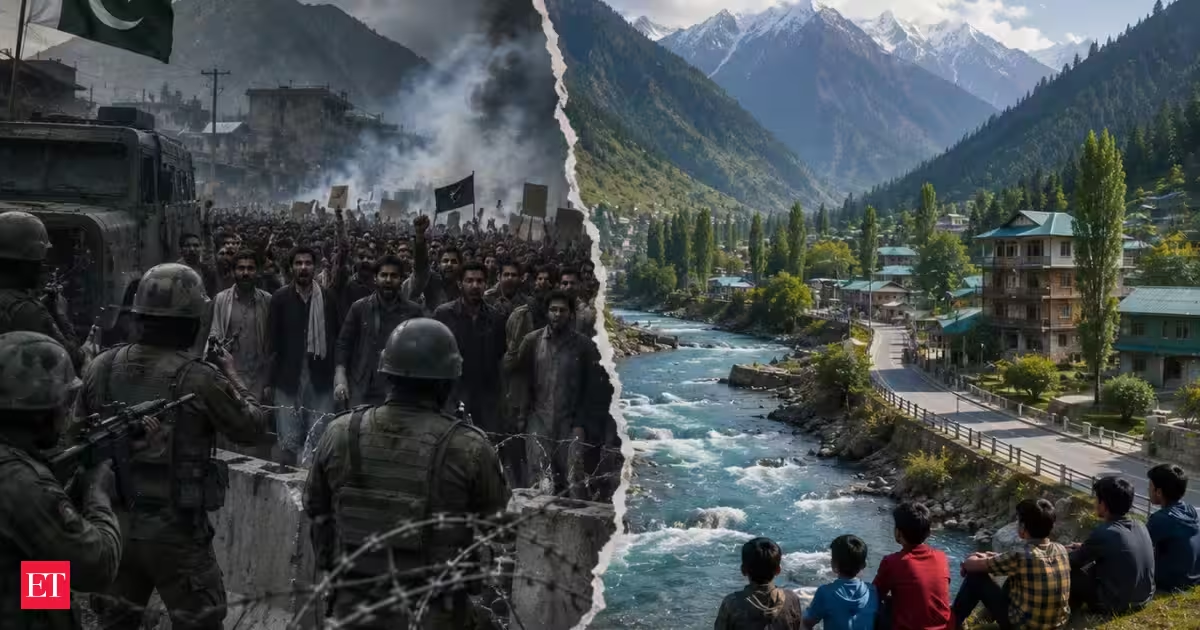
For decades, global attention on Kashmir has focused overwhelmingly on the Indian-administered side of the Line of Control (LoC), the heavily militarised de facto border that divides the disputed Himalayan region between India and Pakistan.
International headlines have largely revolved around repression, insurgency, military deployments, and diplomatic confrontation.
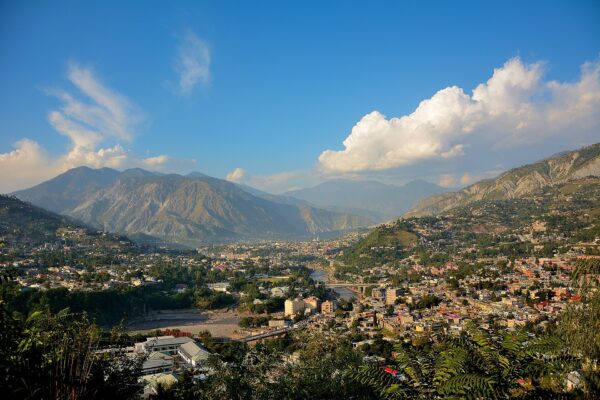
Far less attention has been paid to the political currents unfolding across the LoC in Pakistan-administered Kashmir, officially known as Azad Jammu and Kashmir (AJK).
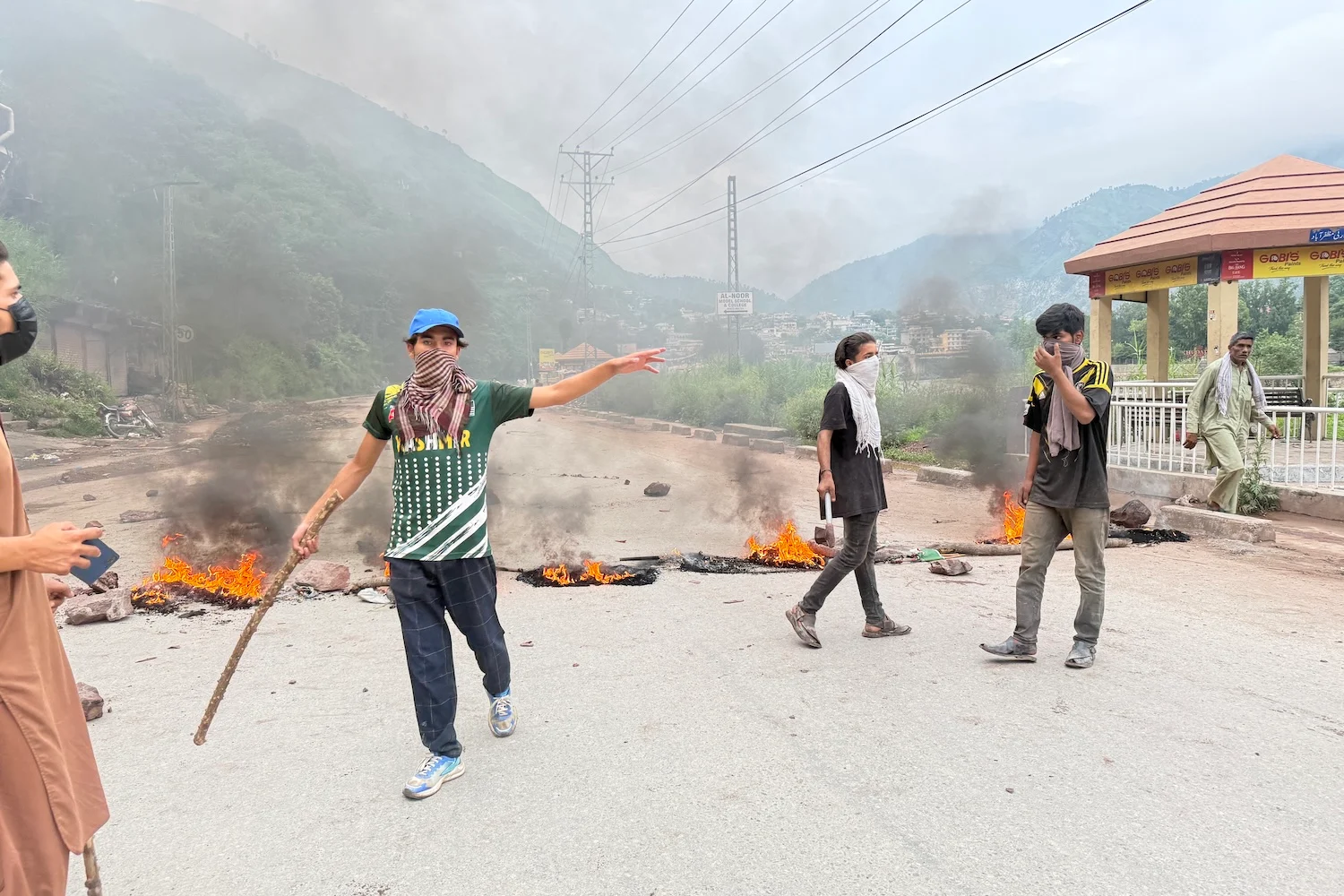
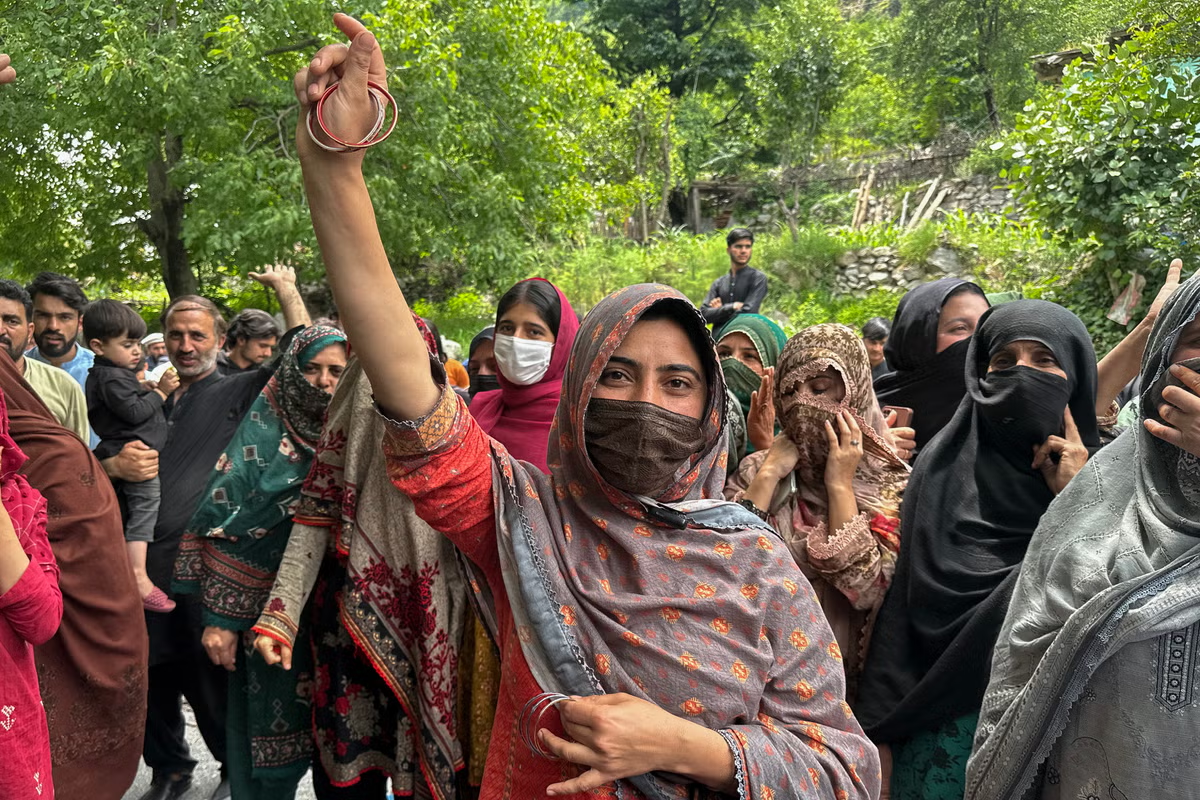
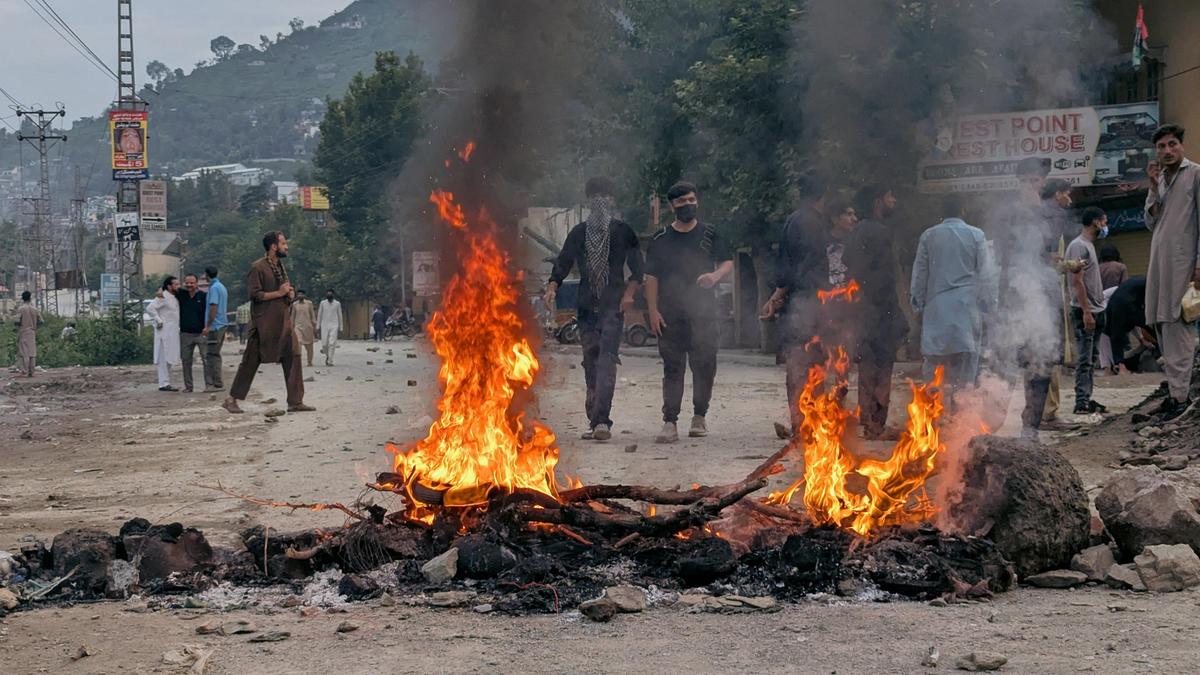
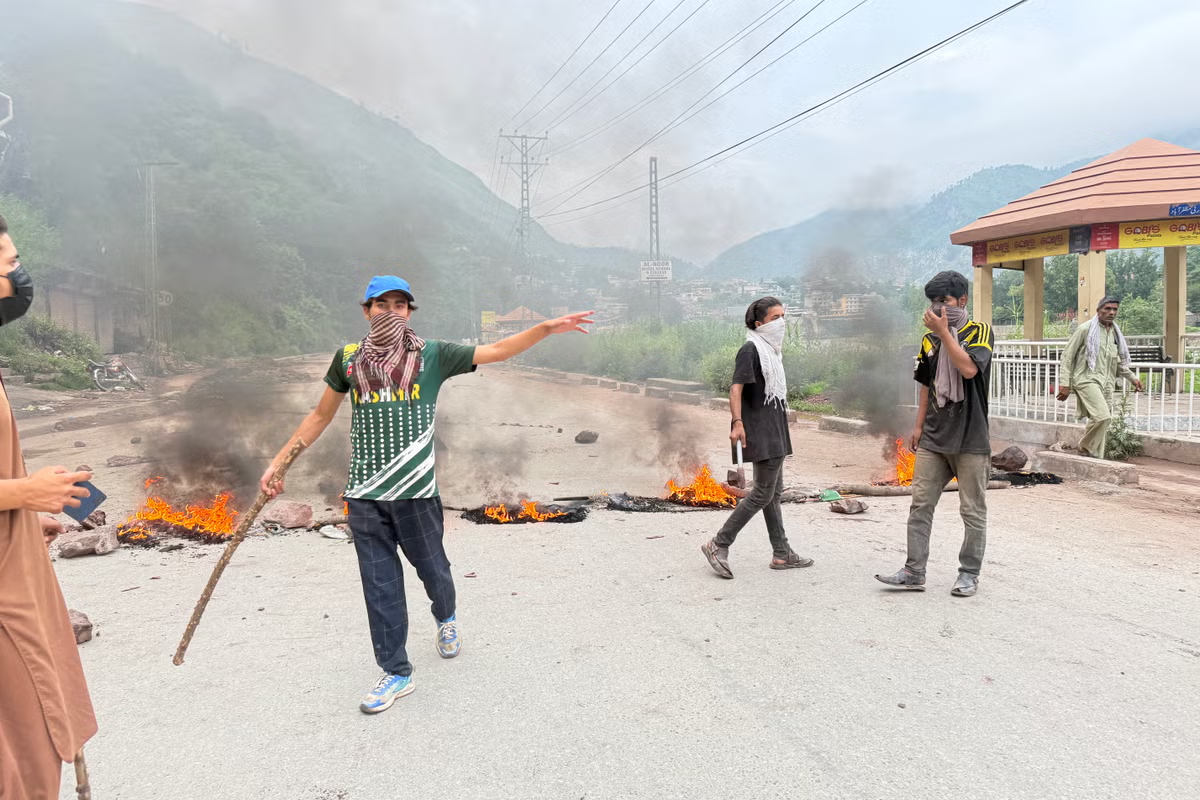
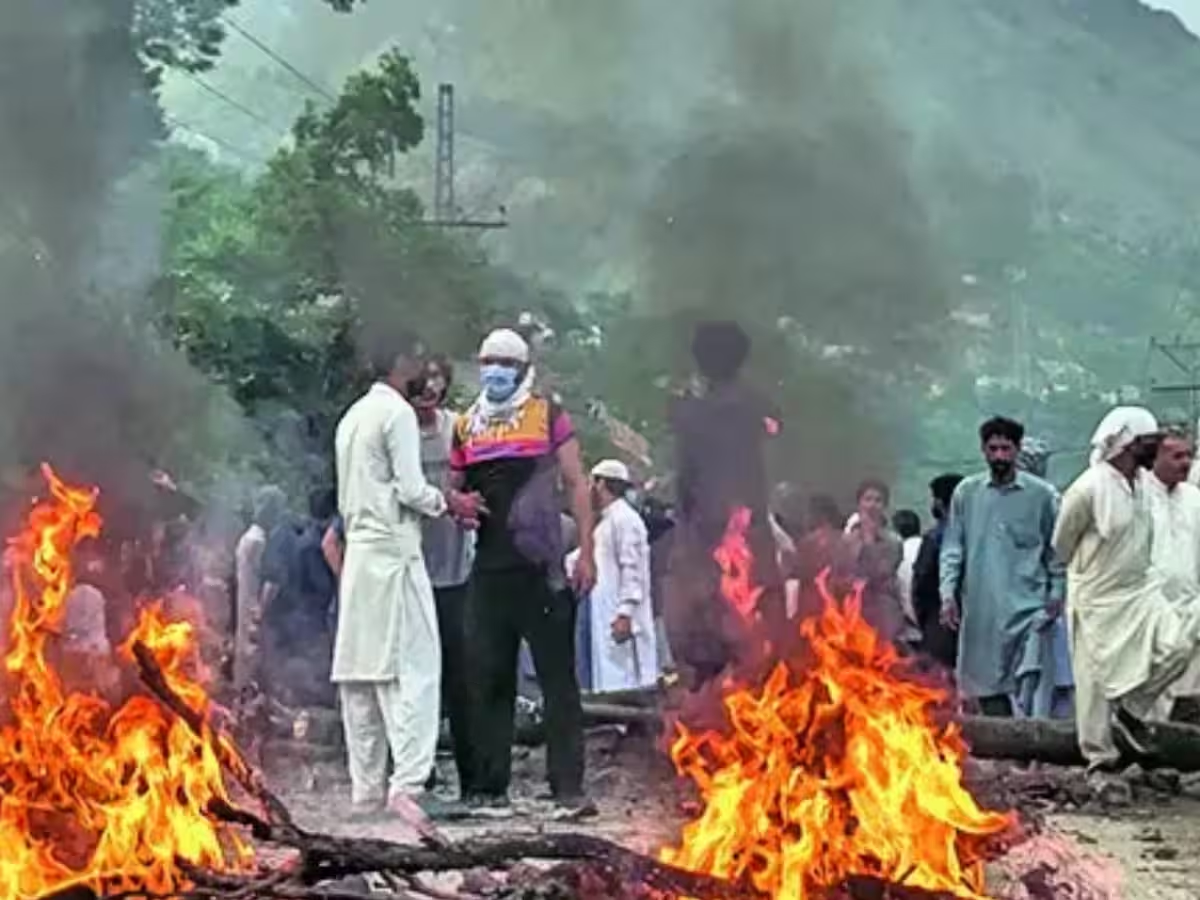
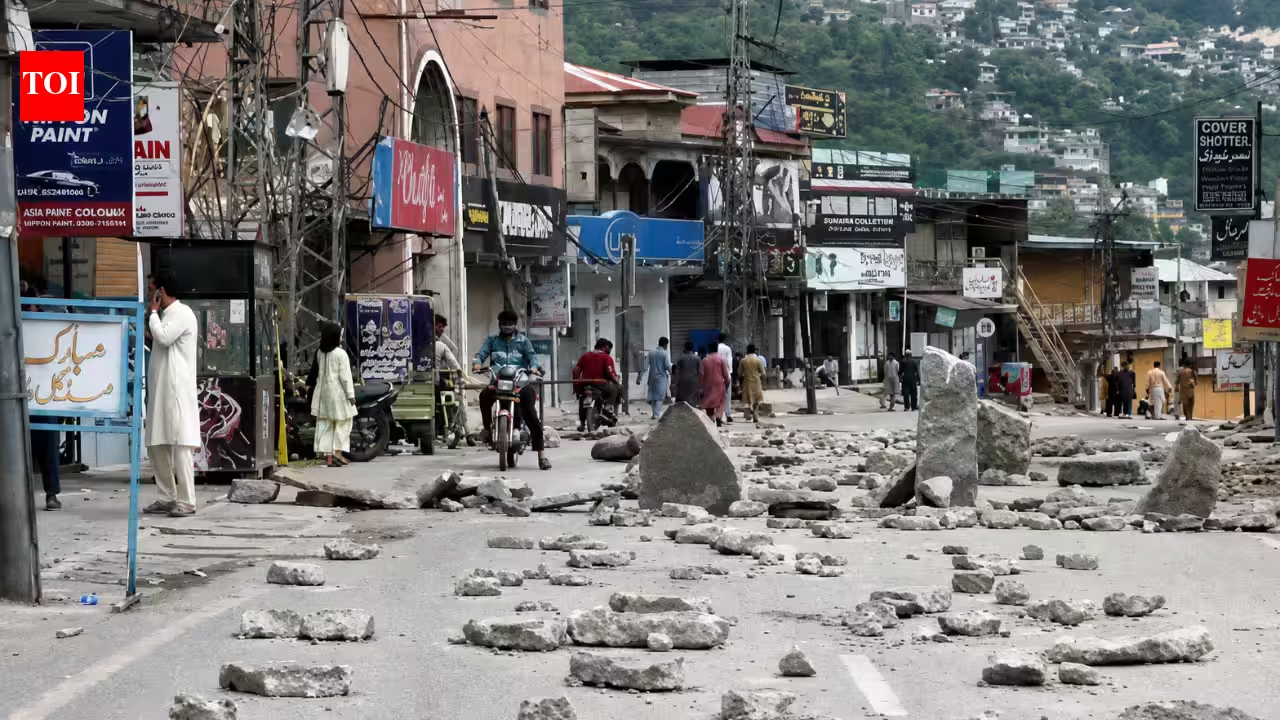
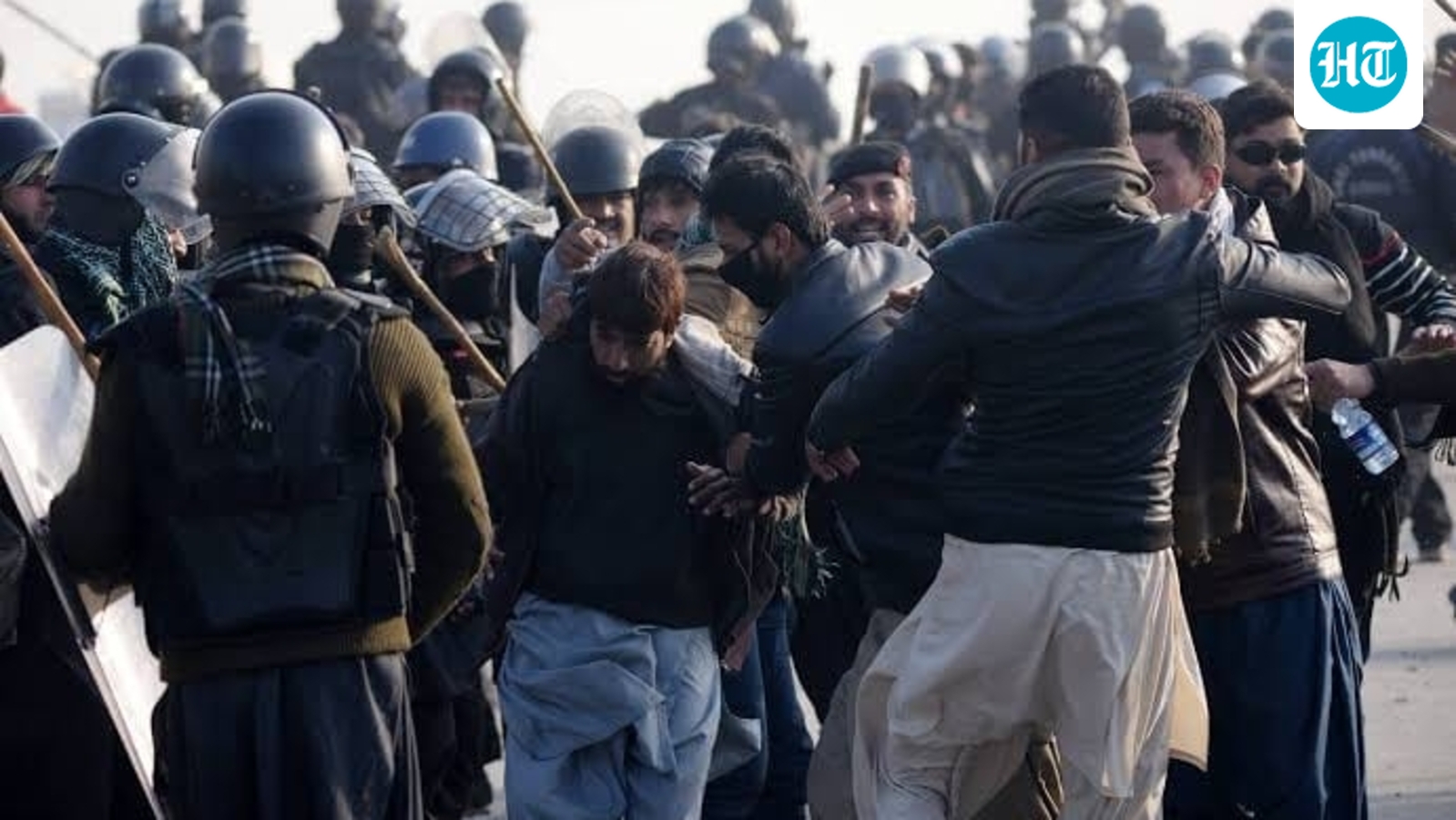
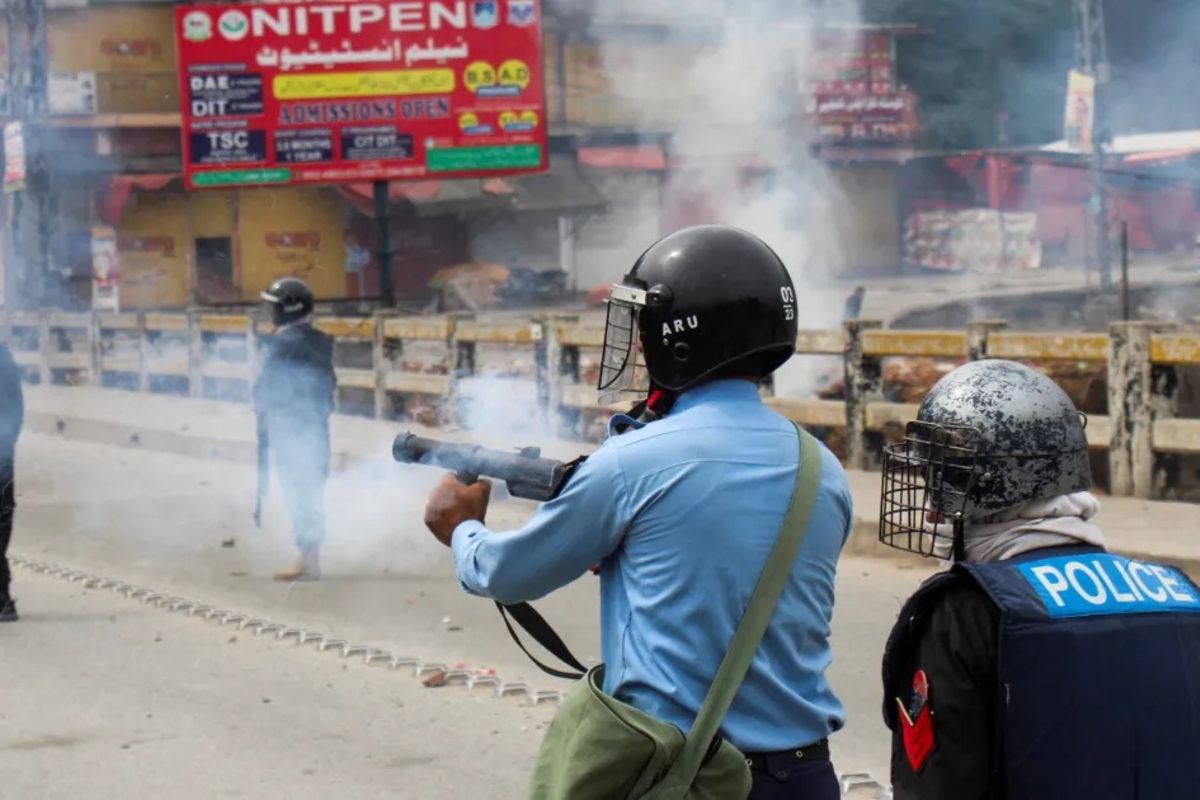
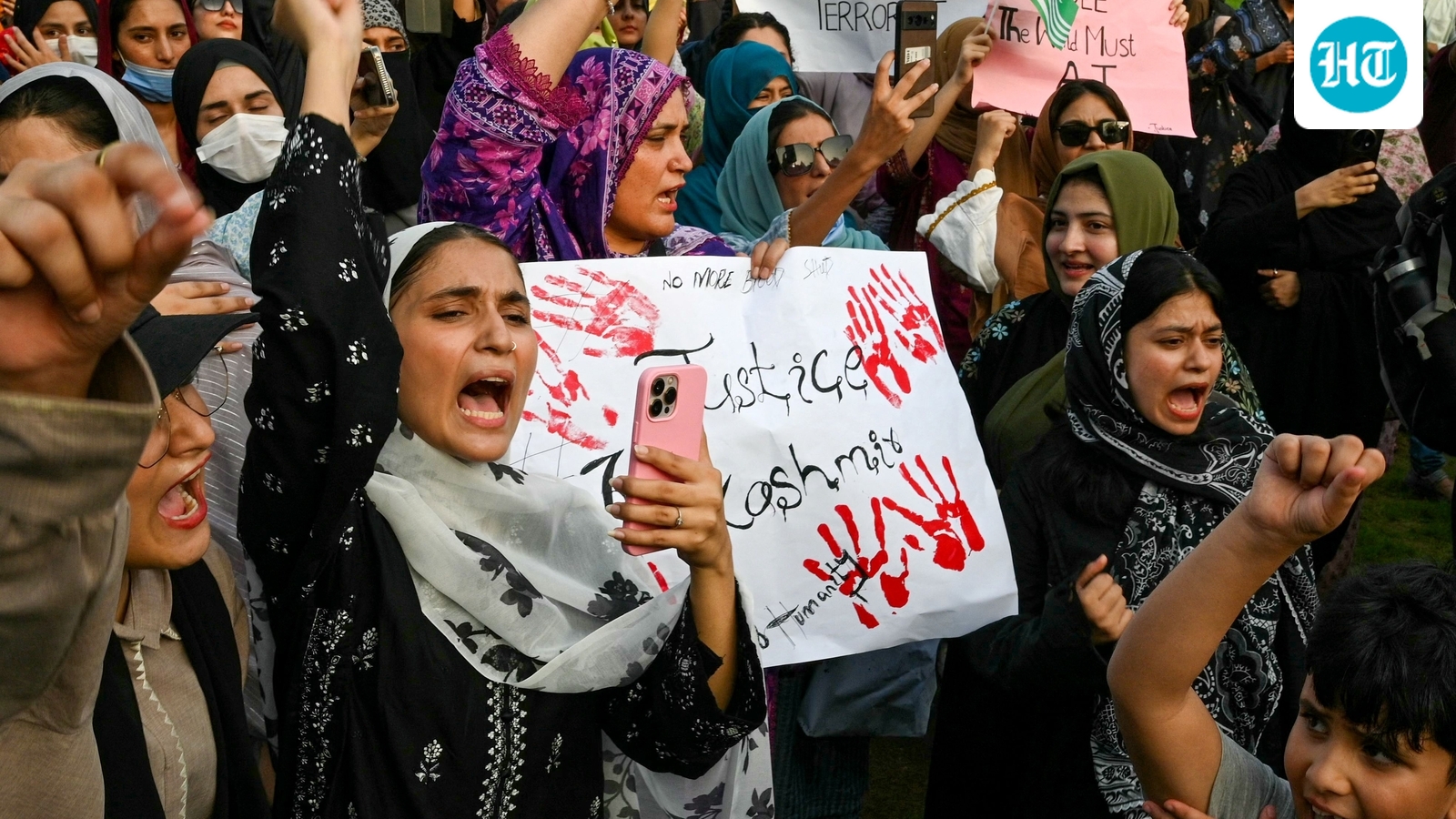
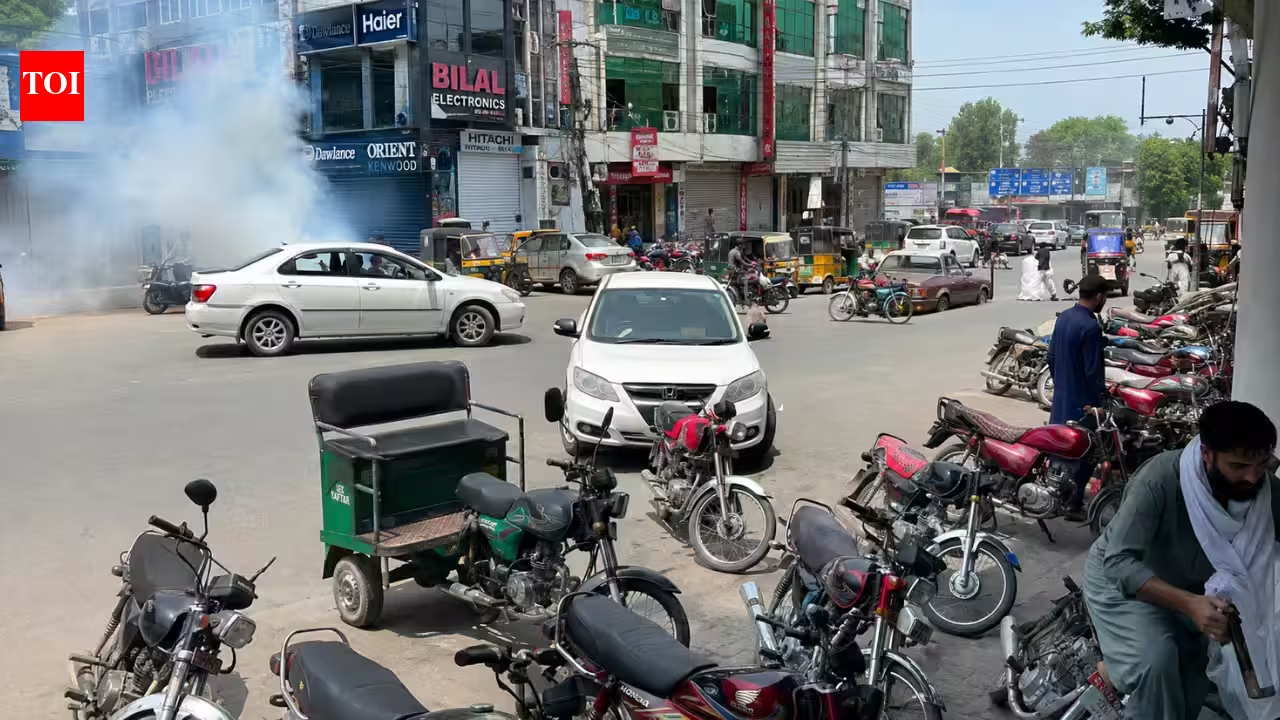
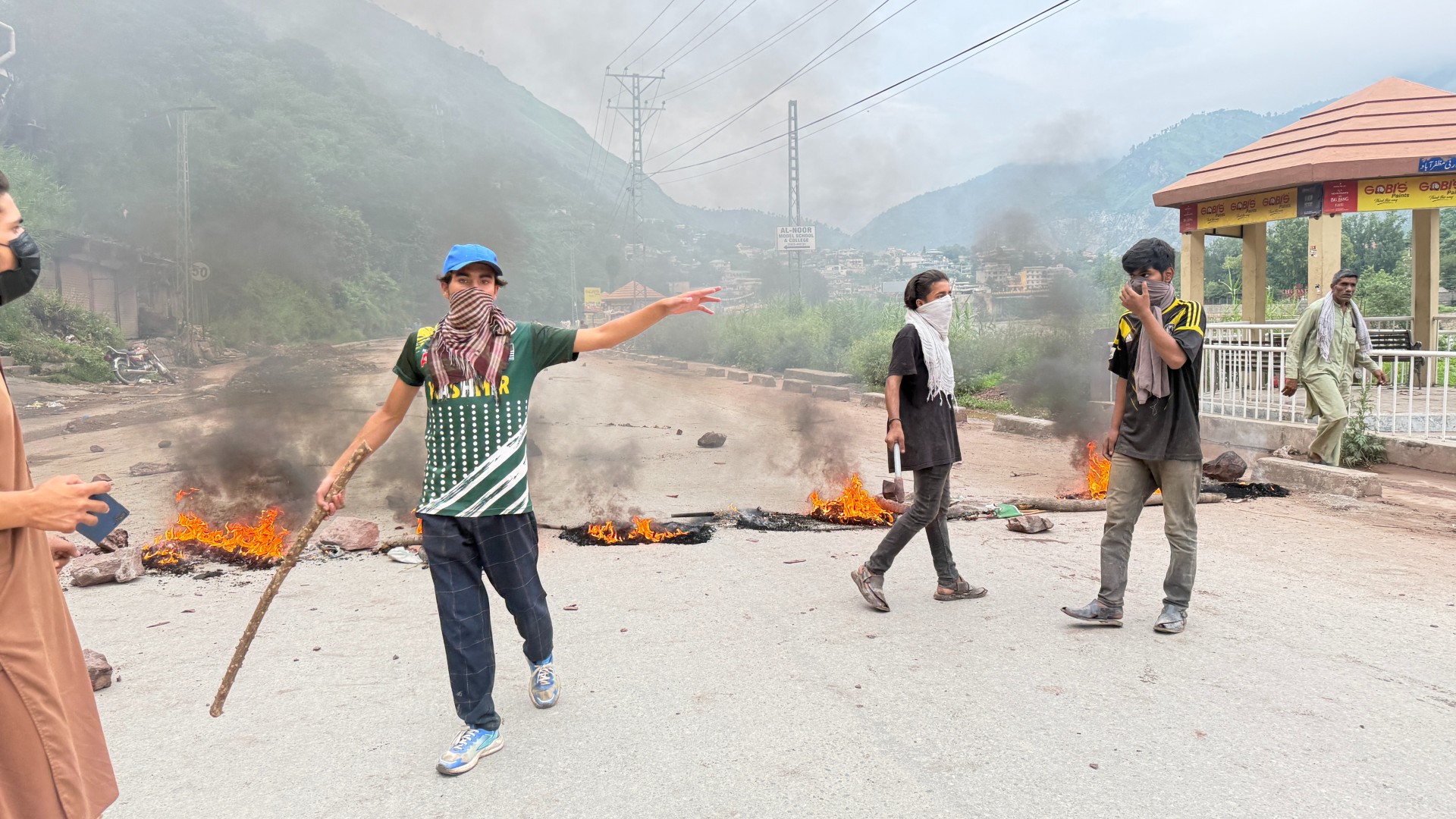
Long portrayed by Islamabad as a model of self-governance in contrast to Indian-administered Kashmir, the territory is now witnessing some of the most significant popular unrest in recent decades.
What started as frustration over soaring electricity bills and flour prices has rapidly transformed into a systemic challenge to Islamabad’s authority in the region. Rather than rehashing the old geopolitical tug-of-war with India, this new wave of unrest reflects deep-seated frustration with local governance.