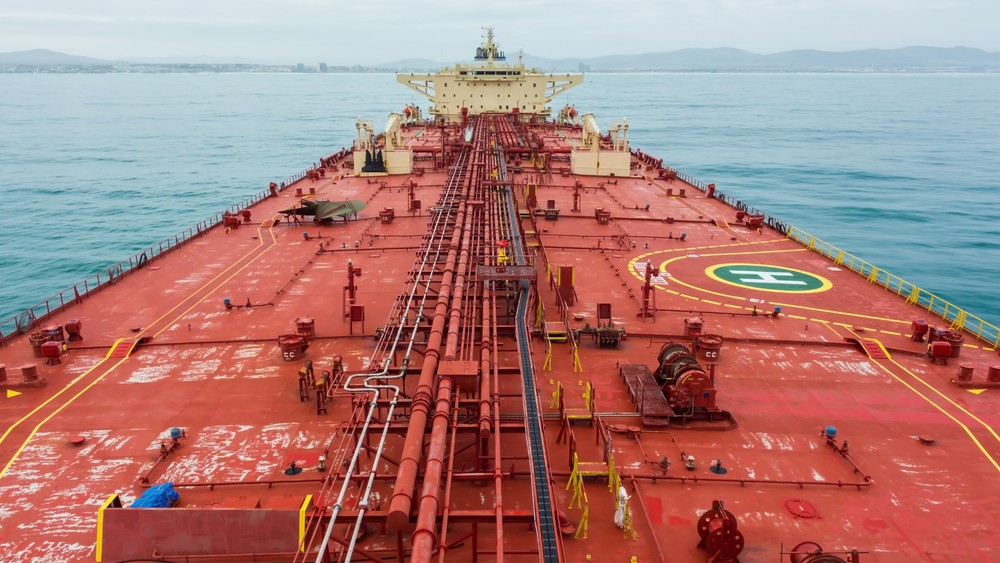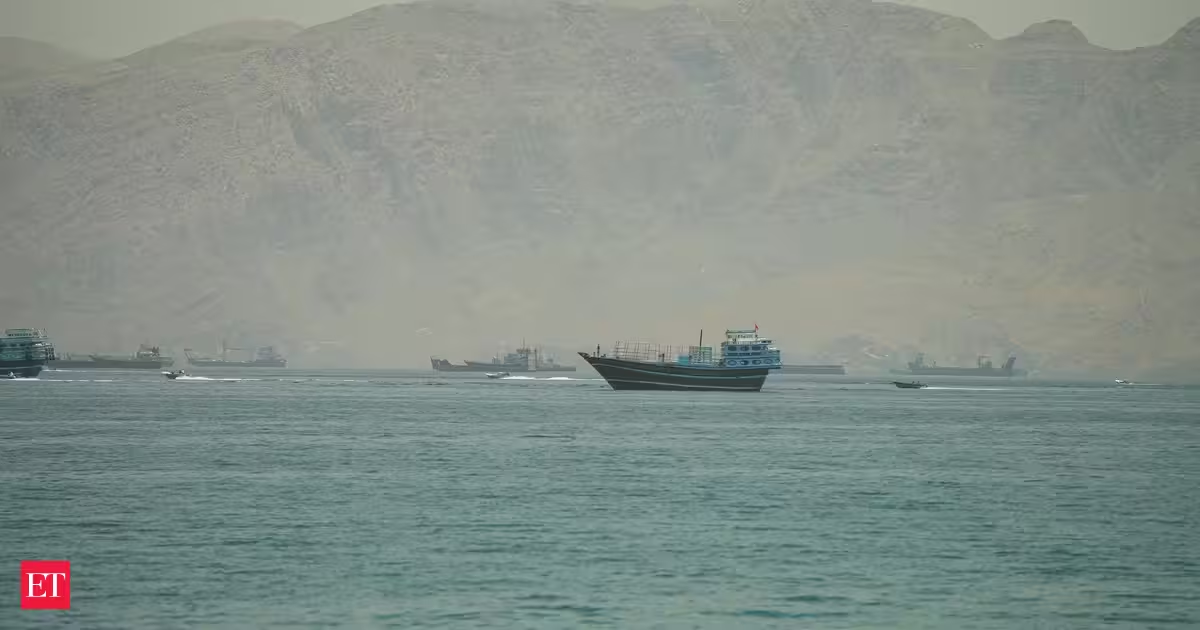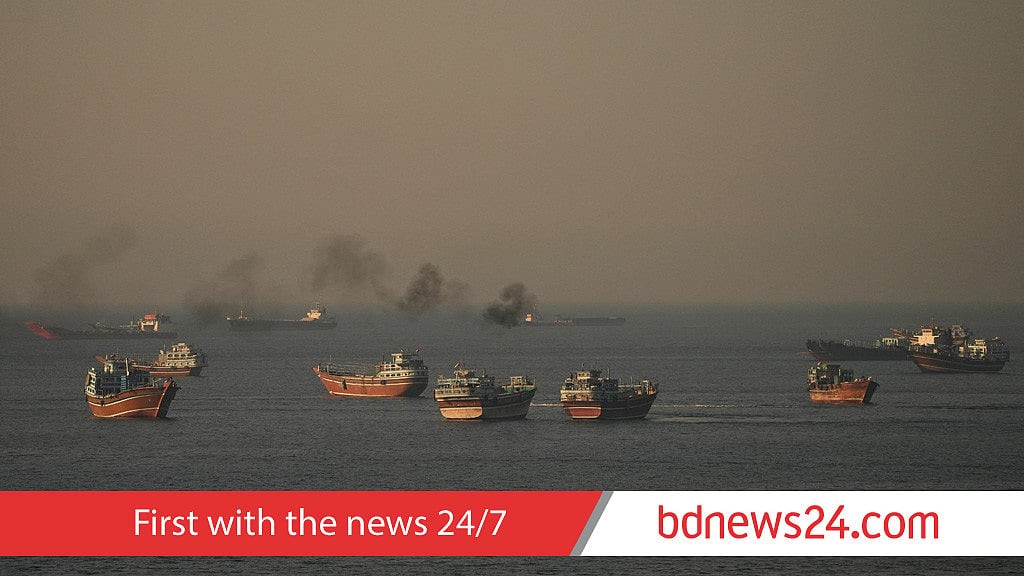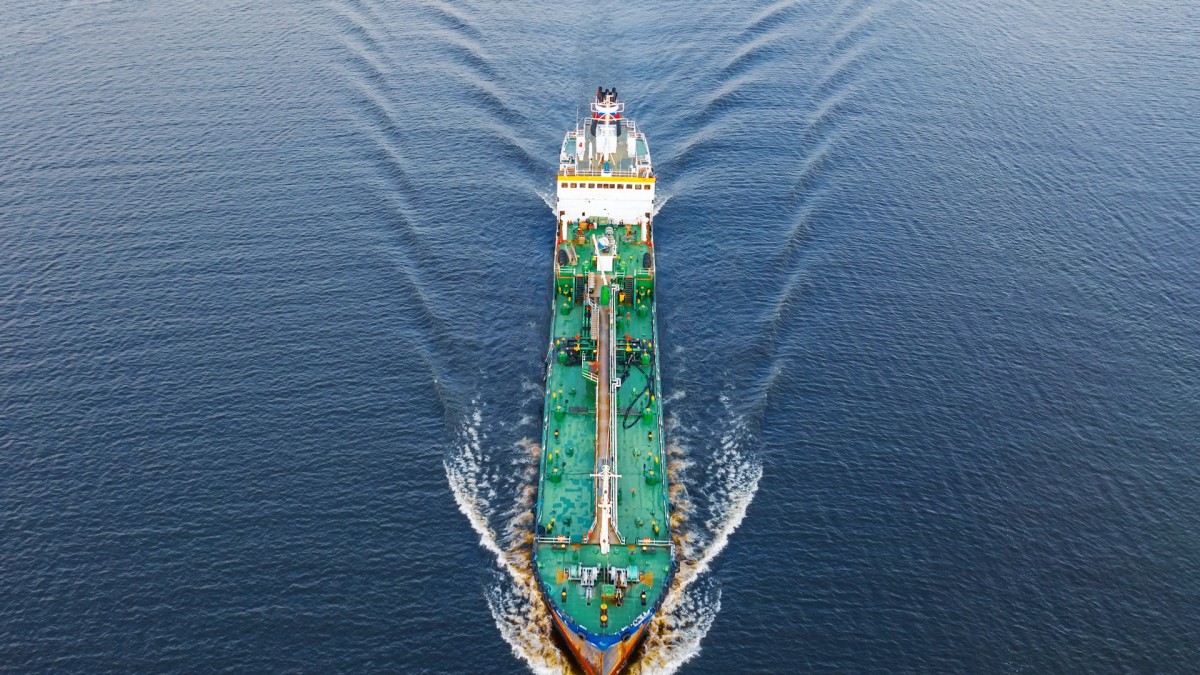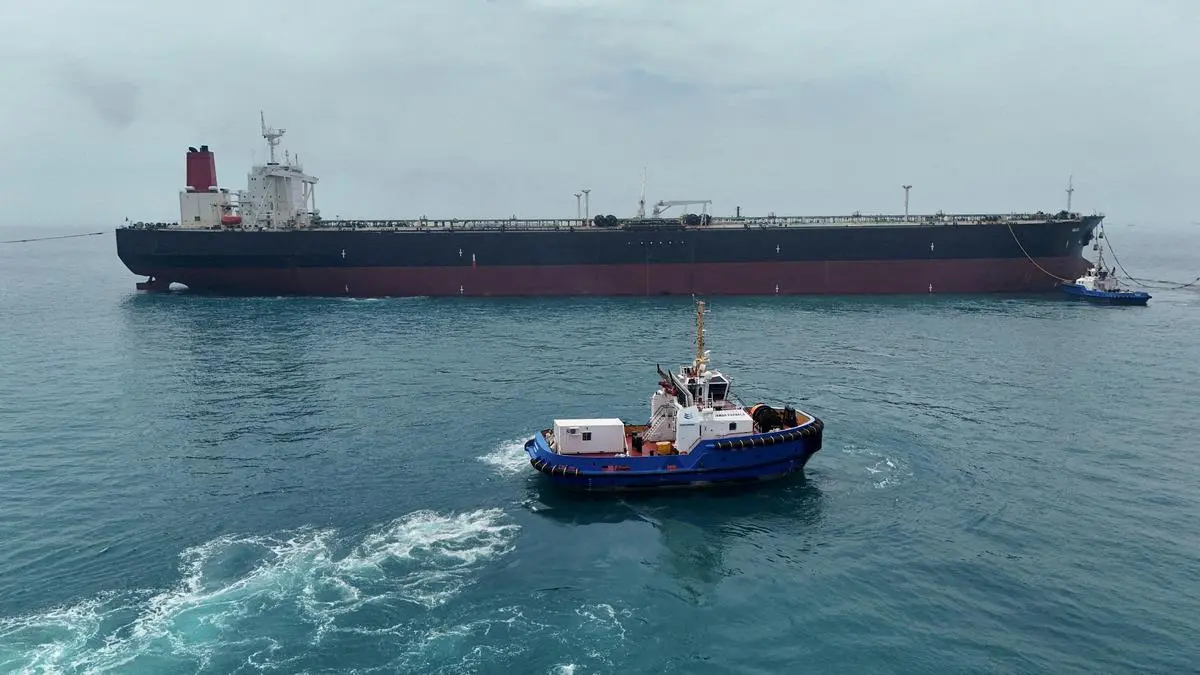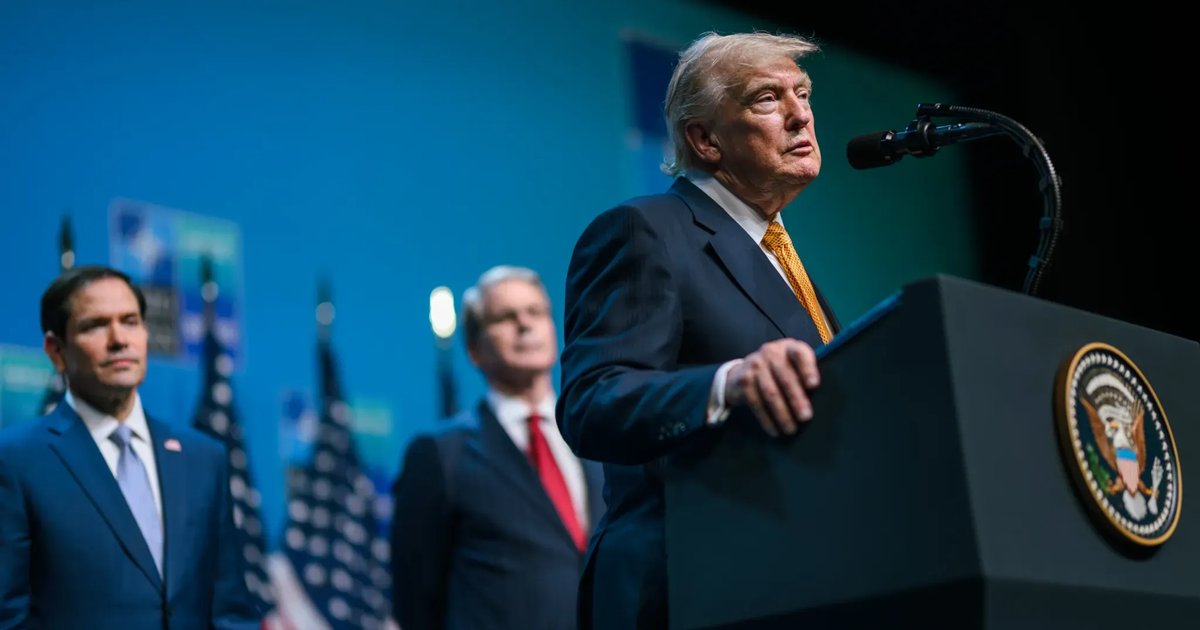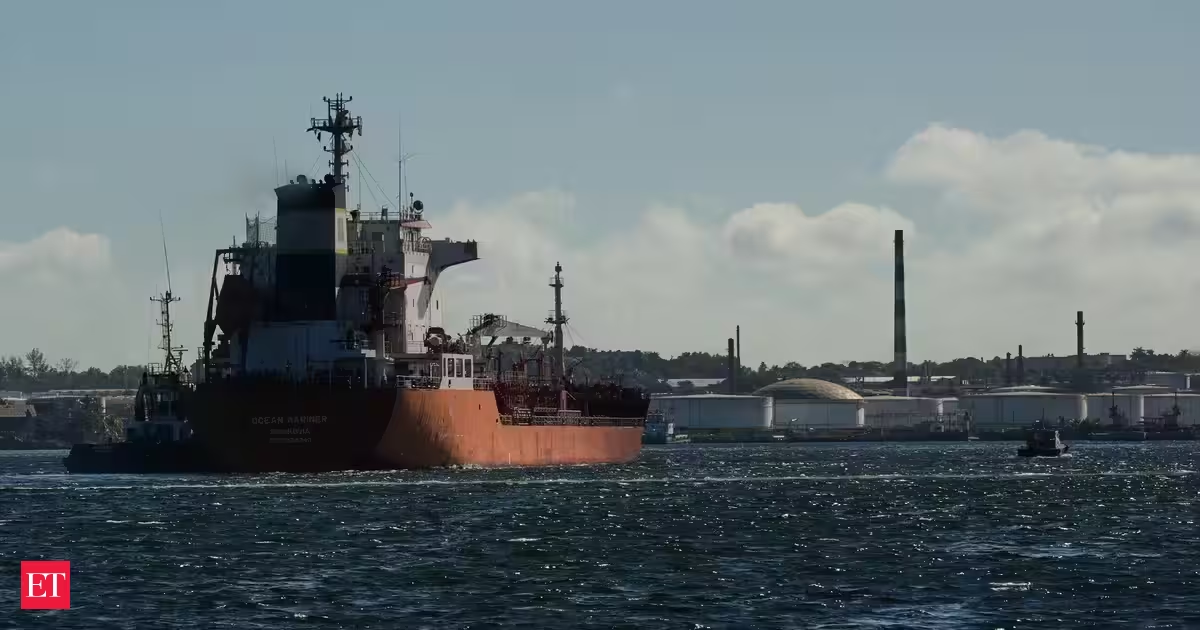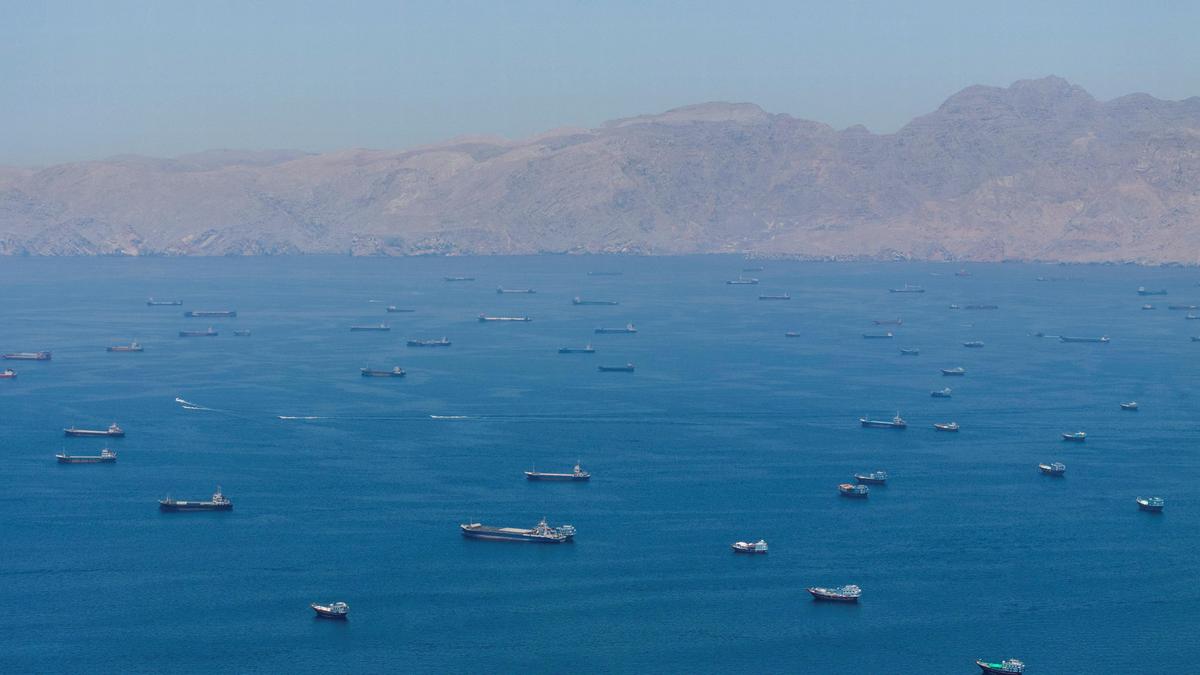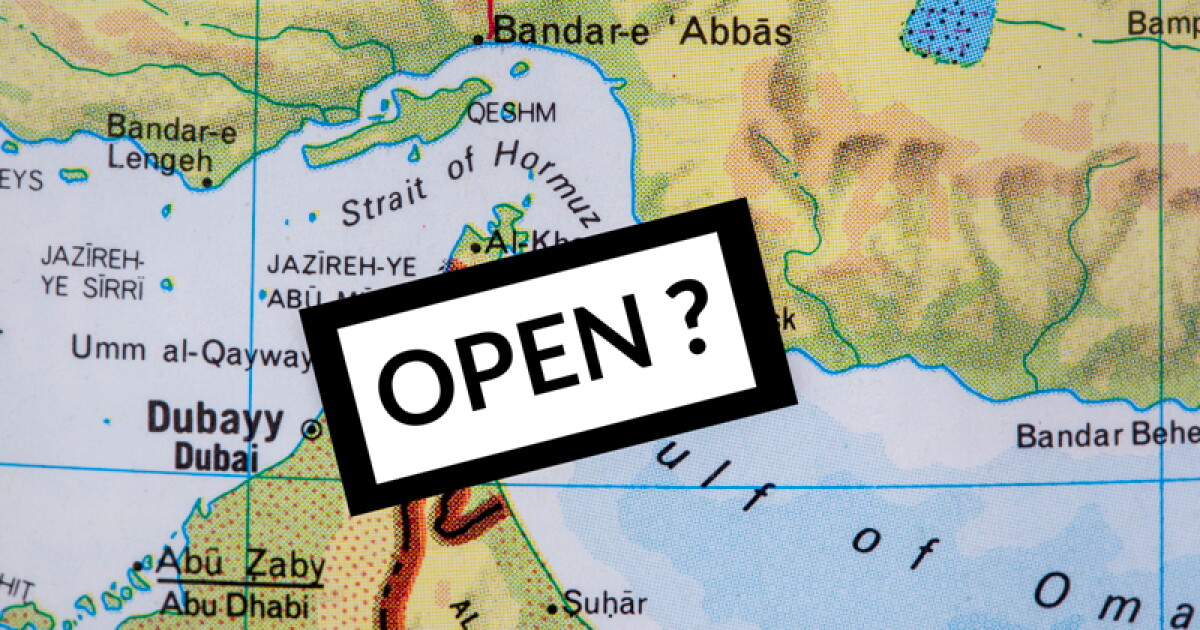
Just when crude and liquids production in the Mideast Gulf was starting to rebound, the resumption of US-Iran fighting and seeming collapse of a shaky ceasefire have again put at risk millions of barrels of supply. Iranian strikes this week on ships in the Strait of Hormuz, including oil and LNG tankers, and on other Gulf nations, prompted retaliatory US attacks, as US President Donald Trump declared a 60-day ceasefire extension "over" after just three weeks. The situation promises to remain volatile, perhaps indefinitely, and while Hormuz traffic has all but ground to a halt again, the last four months have shown the market's surprising ability to adjust to disruptions in flows of these volumes. Mideast producers jumped at the chance to ramp up output when ship traffic started moving after the US and Iran agreed to stop fighting and negotiate last month. Regional liquids production soared in June, led by large gains in the UAE and Kuwait, according to a preliminary assessment by Energy Intelligence. Total liquids output from the Mideast last month rose by 4.4 million barrels per day versus May, to 20.3 million b/d, according to the assessment, based on information from regional industry sources. The result reverses a steep three-month decline, but liquids output through June still remains at 64% of prewar levels. Crude production surged by 4.1 million b/d, to 17.8 billion b/d, or 70% of average output during the three months prior to the initial US-Israeli attack on Iran on Feb. 28.
Hormuz Flare-Up Blunts Mideast Upstream Rebound
Gulf producing countries had been steadily ramping up liquids output but now face a new wave of volatility after Trump declares US-Iran ceasefire "over."
248 words~1 min read