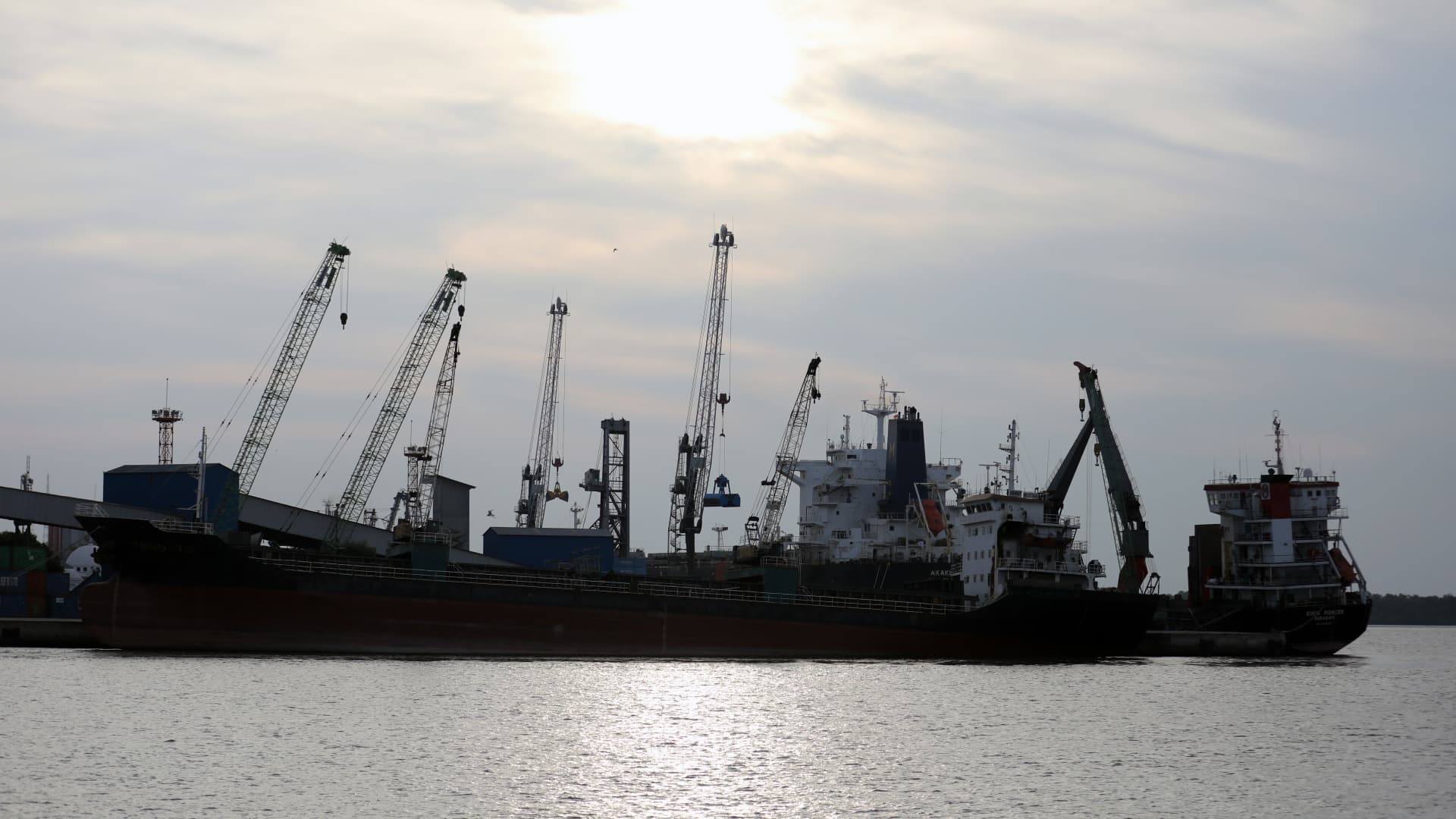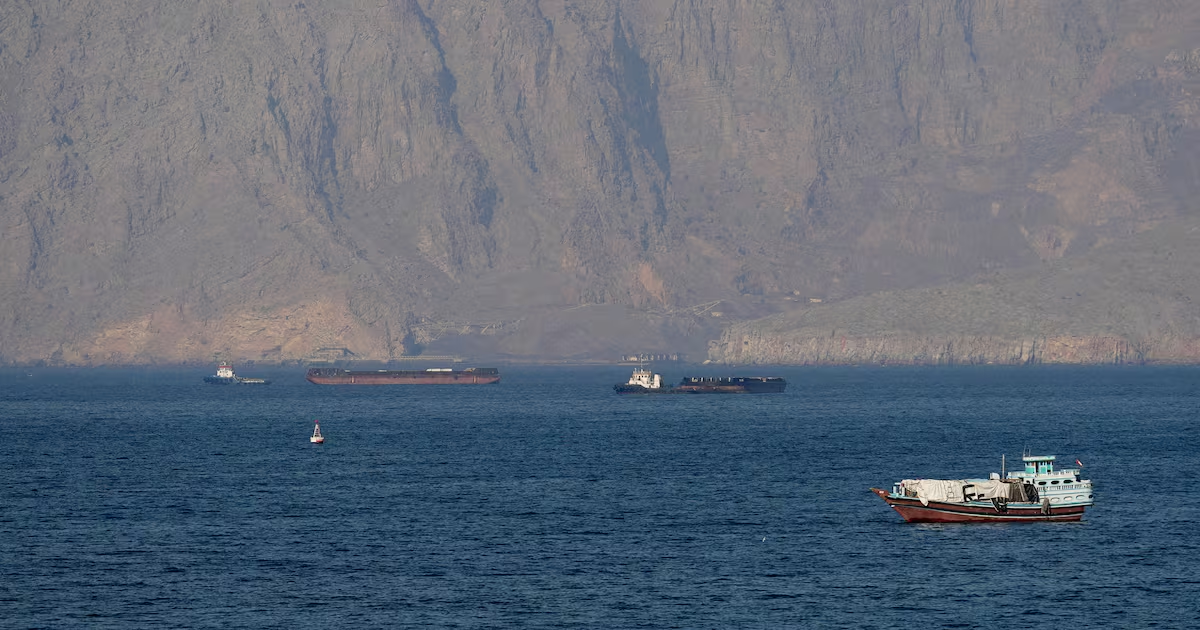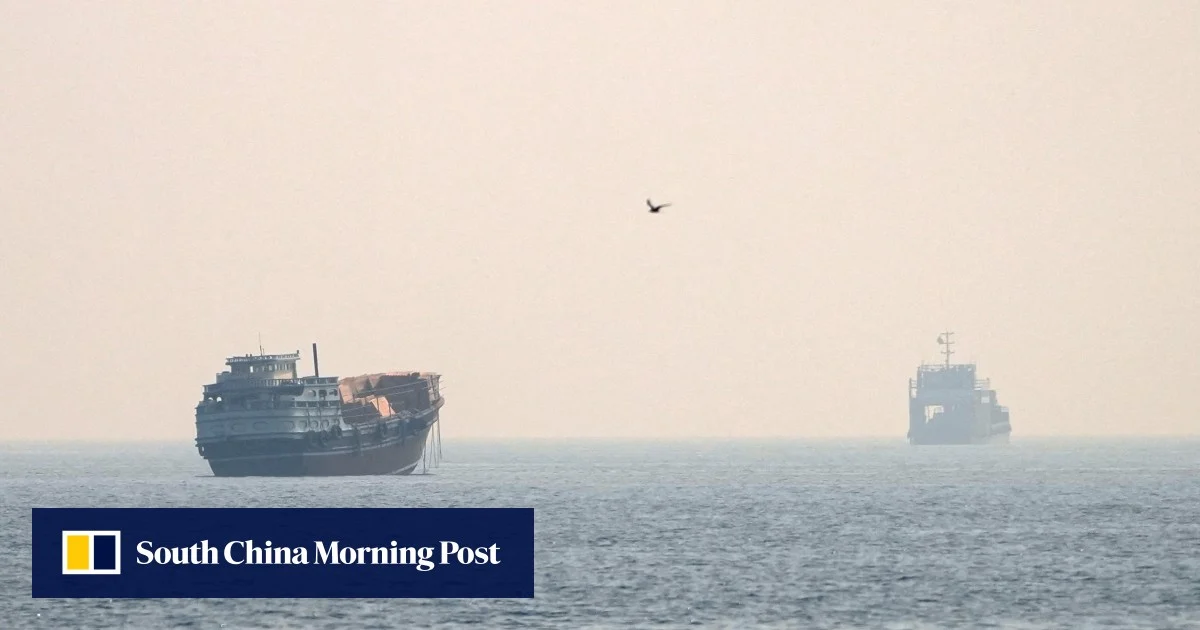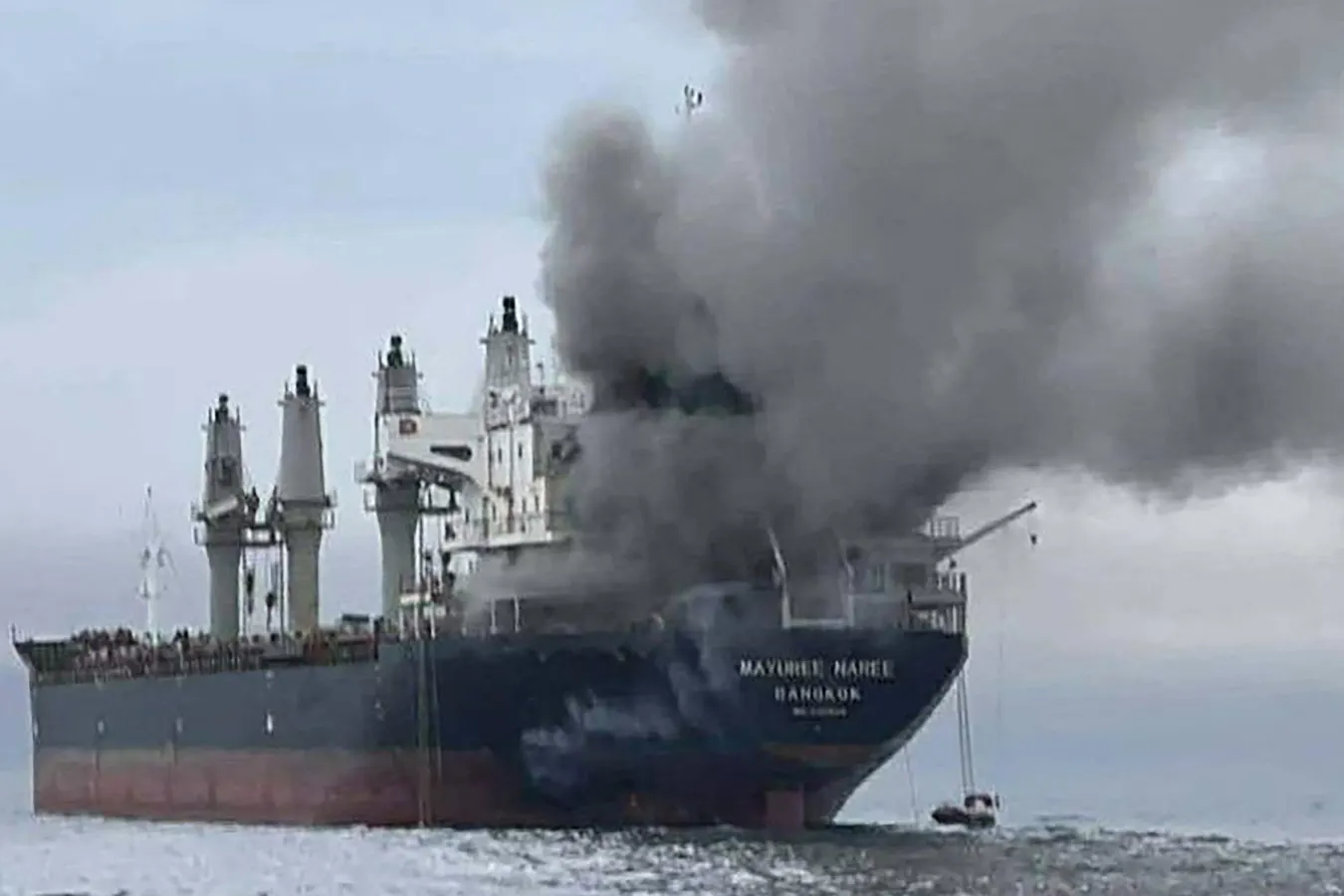
Oil prices spiked again on Wednesday after U.S. President Donald Trump declared that the ceasefire deal with Iran is over and vowed to strike Iran again, effectively ending the tentative peace deal barely a month after signing. Iran struck three commercial vessels in the Strait of Hormuz on Tuesday that were using an alternative route near Oman's coast rather than the northern corridor controlled by Tehran, prompting retaliatory attacks by the United States. Iran has threatened to completely close the Strait of Hormuz again and strike twice as many targets across the region as the U.S. after the U.S. military struck over 80 targets inside Iran, including air defense networks, radar arrays and over 60 IRGC fast boats.And now, energy investors are turning their attention to another critical maritime checkpoint: the Strait of Malacca. A recent report by CNBC notes that energy markets are growing anxious that the precedent set in Hormuz could spread to Southeast Asia with copycat levies.Iran and Oman recently proposed to jointly administer Hormuz by instituting new fees on passing commercial ships. Tehran considers the payments mandatory for all commercial vessels transiting the Strait of Hormuz. Oman, however, describes them as optional service fees covering navigation assistance, search-and-rescue operations, and environmental protection. Omani officials maintain that the charges are not transit tolls and compare the system to voluntary service arrangements used in the Strait of Malacca.However, investors worry that if transit fees are normalized in the Middle East, the states surrounding the Strait of Malacca may see an opportunity to follow suit. Indeed, reports have emerged that Iran could impose a massive $2,000,000 fee on oil tankers crossing the Hormuz corridor.The Strait of Malacca is a 900-kilometer-long waterway that borders Indonesia, Malaysia and Thailand between the Malay Peninsula and the Indonesian island of Sumatra. Positioned at the Strait's southern entrance, the city-state of Singapore acts as the planet's busiest container transshipment hub and the largest ship refueling location.More than 94,000 vessels traverse the strait annually, moving essential energy and agricultural commodities. It’s the shortest shipping route connecting the Indian Ocean and the Pacific Ocean, serving as a crucial artery for up to 30% of globally traded goods and nearly half of the world's seaborne oil. More specifically, it’s the shortest sea route connecting Middle East crude oil to East Asia, serving major economies like China, Japan, and South Korea.The strait funnels into a tight bottleneck at its narrowest point--the Phillips Channel near Singapore--where it’s barely 2.8 kilometers wide, making it one of the most critical maritime chokepoints in the world. If the passage were blocked, bypassing the strait entirely would force tankers to take vast detours around the Australian continent, adding an extra 10 to 15 days of transit time and drastically inflating fuel costs.A toll war in Malacca would likely heavily impact tanker operating costs and squeeze profit margins of global oil traders and refiners. This uncertainty and added costs would accelerate market volatility, spike maritime insurance premiums and place upward pressure on global oil prices.China, in particular, faces a huge risk popularly known as the “Malacca Dilemma” since up to 80% of its imported oil relies on transit through the Strait of Malacca. Thankfully, the Malacca Dilemma has spurred Beijing to develop alternative overland and pipeline routes under the Belt and Road Initiative through Myanmar and Pakistan to bypass this chokepoint. These include the China-Myanmar Economic Corridor (CMEC) as well as the China-Pakistan Economic Corridor (CPEC). CMEC is a massive, inverted-Y shaped infrastructure and development network under China's Belt and Road Initiative (BRI). Stretching from China's landlocked Yunnan province to the Myanmar coast, the corridor provides Beijing with direct, strategic access to the Indian Ocean and the Bay of Bengal. The corridor begins in Kunming, enters Myanmar at border towns like Muse, runs to the central city of Mandalay and then splits into two branches ending at the commercial hub of Yangon and the strategic deep-sea port of Kyaukpyu in Rakhine State. Key CMEC projects include the China-Myanmar Oil and Gas Pipeline (often associated with China Machinery Engineering Corporation's parent firm CNPC), a vital energy link bypassing the Malacca Strait. Running from Kyaukpyu on Myanmar's coast to Yunnan, it transports up to 22 million tons of crude oil annually, generating roughly $22 million in direct revenue and $13.6 million in transit fees for Myanmar. Despite the ongoing civil conflict in Myanmar, China has tightened security to protect these strategic energy corridors, which operate alongside planned deep-sea port and special economic zone developments in Kyaukpyu.Japan, South Korea, and other major Asian importers have also spent years diversifying crude suppliers, expanding strategic petroleum reserves and investing in LNG and pipeline infrastructure to reduce their exposure to maritime disruptions. However, despite those efforts, the Strait of Malacca remains the primary gateway for much of Asia’s imported energy, meaning any attempt to normalize transit fees or other restrictions there would reverberate throughout global energy markets.By Alex Kimani for Oilprice.comMore Top Reads From Oilprice.comUS Crude Oil, Product Inventories Fall Even As Hormuz Traffic Begins to FlowTrump Targets California Again In SpaceX FeudOil Prices Surge 6% Even as Tankers Push Through Hormuz
The Strait Of Malacca Faces Growing Fears Of Copycat Shipping Fees | OilPrice.com
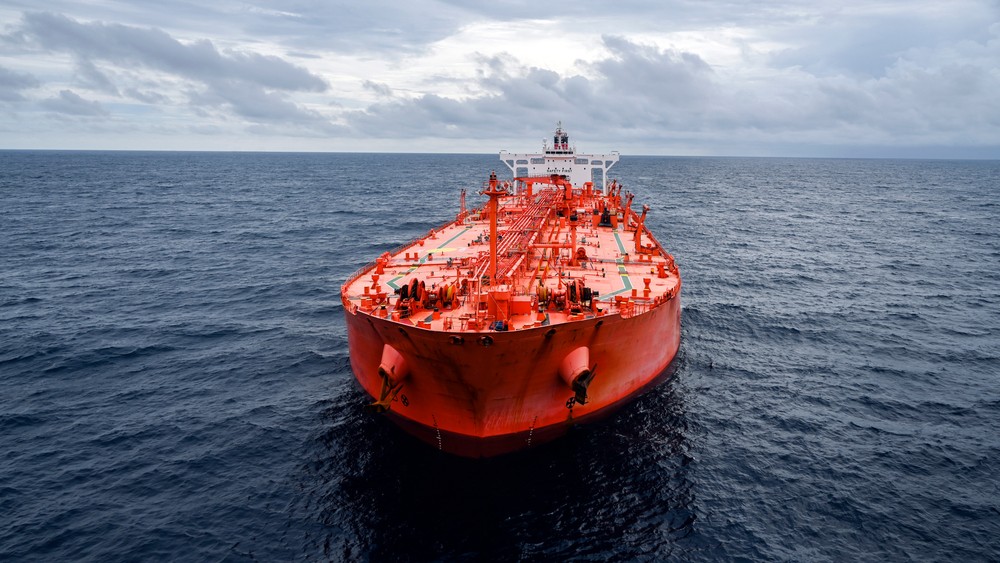
Any disruption or added costs in Malacca would hit Asian energy importers hard, raise shipping and insurance costs, and put fresh upward pressure on global oil prices.
852 words~4 min read