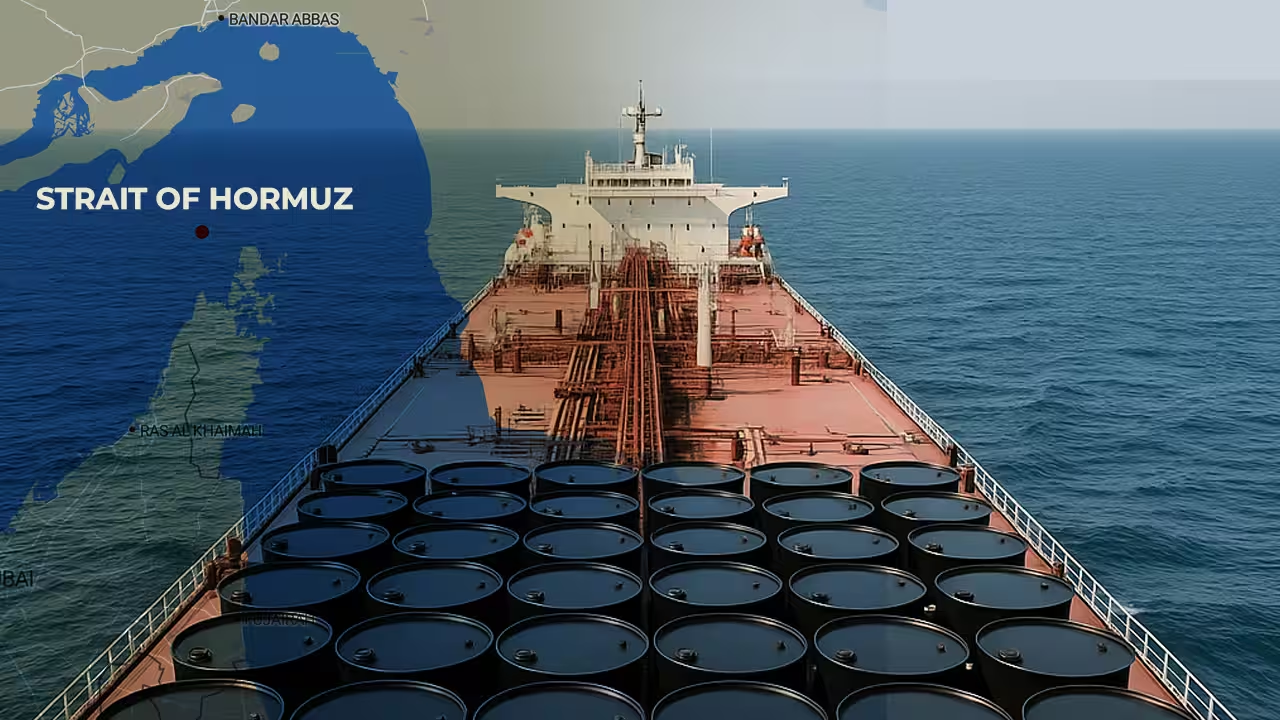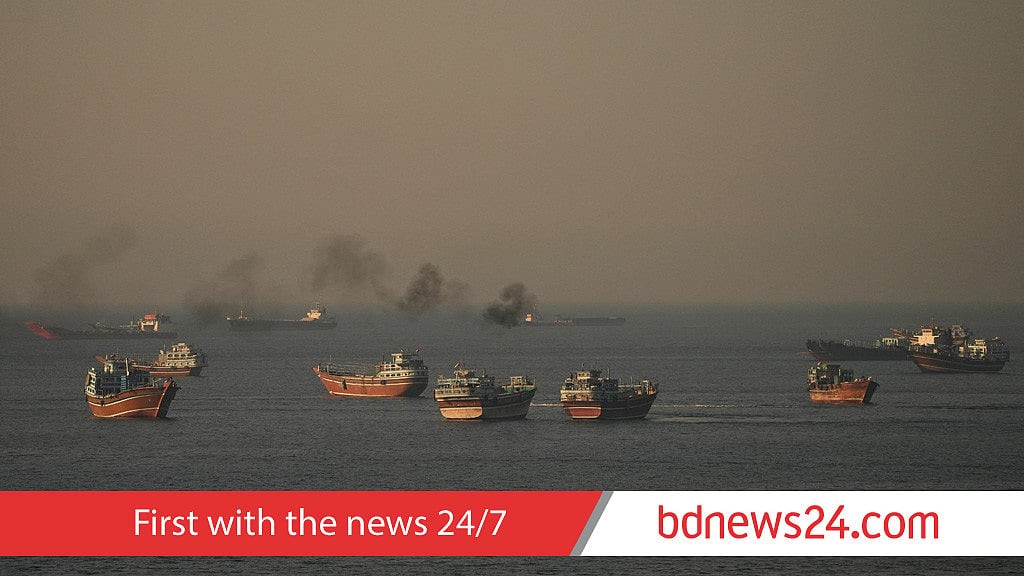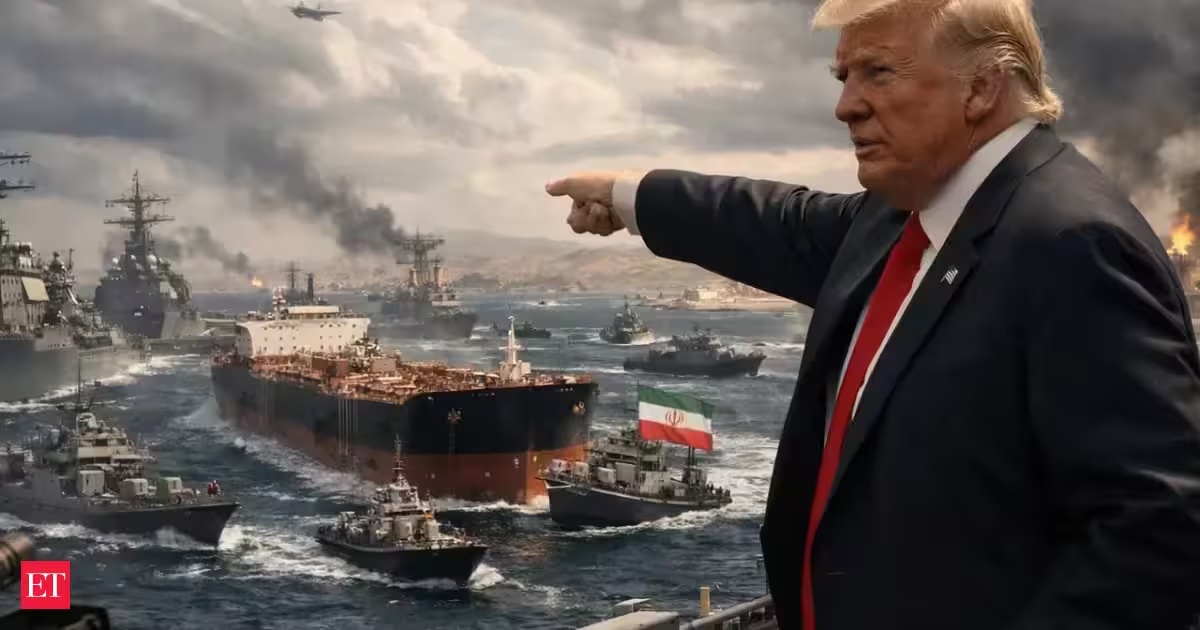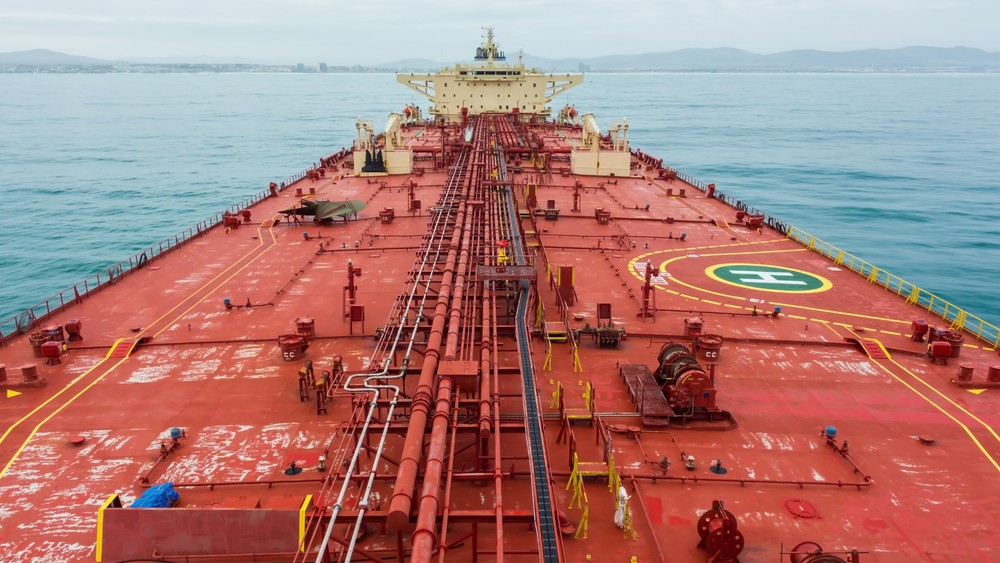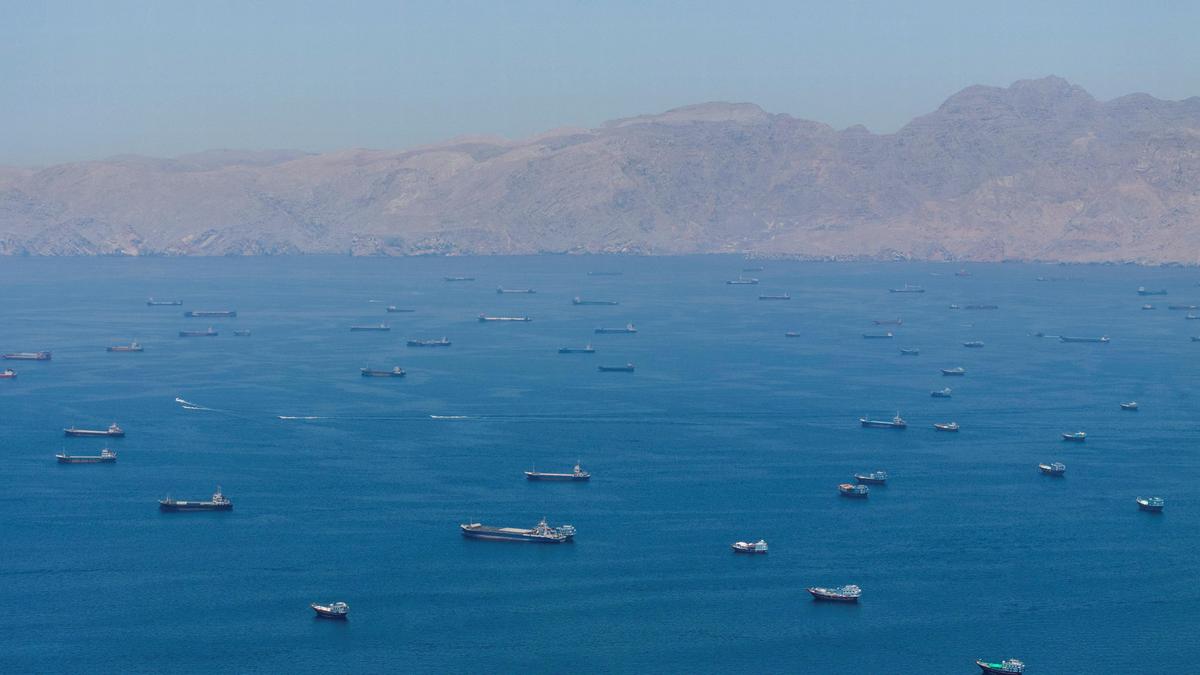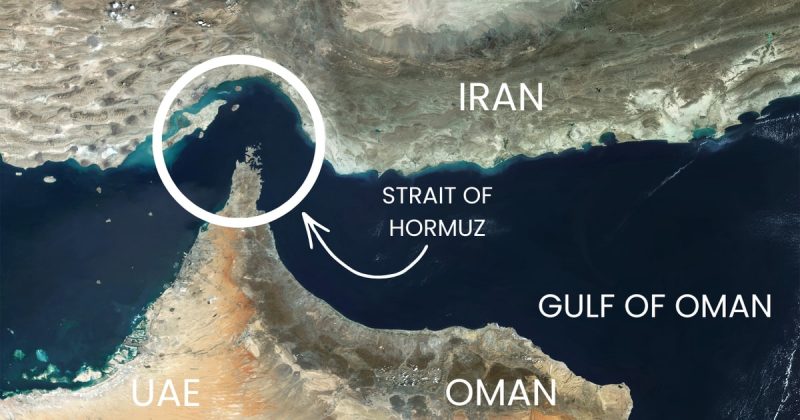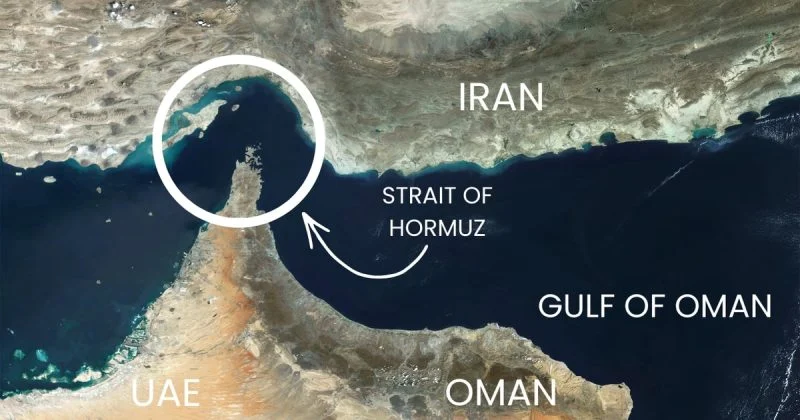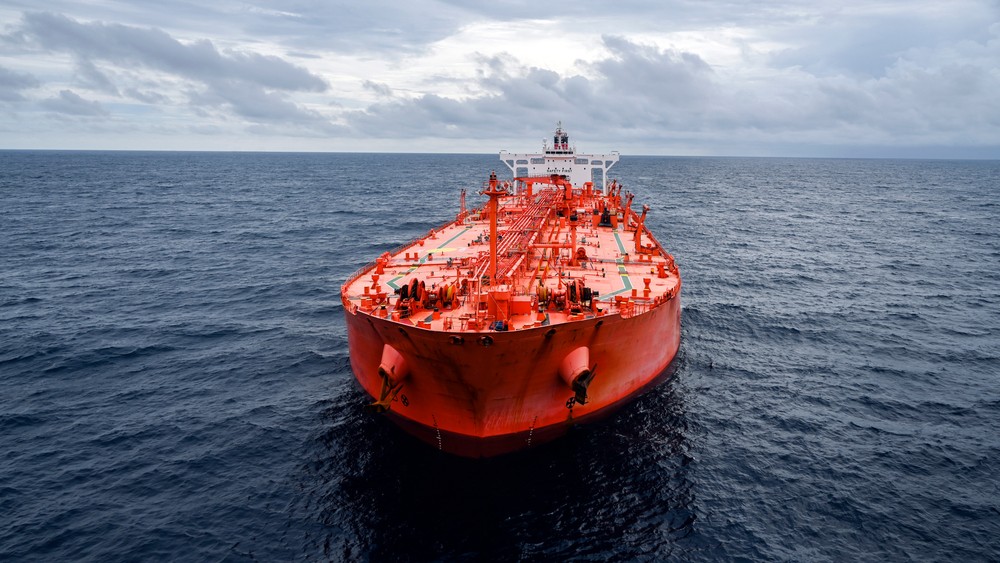
NEW DELHI: US President Donald Trump’s announcement ending the ceasefire with Iran has escalated concerns about the transit through Strait of Hormuz of ships carrying fuel, fertiliser and other container cargo.The eruption comes at a time when nine India-bound ships await transiting the Strait over the next couple of days. However, a claim by Iran’s semi-official Fars news agency that an Indian oil tanker had turned back from the Omani corridor leading to the Strait, has deepened the concern.With vessel movement through the strait once again restricted, there is a possibility of govt taking a call of reissuing fresh advisories cautioning seafarers and discouraging the chartering of vessels to West Asia.The impact of renewed tension was already visible. Crude prices, which had softened over the past few days and returned close to pre-conflict levels, showed another spike. Global benchmark Brent rose more than 7% in a day, climbing from nearly $73 a barrel to over $79. Following the exchange of fire, agencies reported that the threat level in the strait had been raised to “severe”.Officials said they were concerned about the latest developments, but expressed confidence India may be spared any severe impact even if the strait is closed again, owing to the diversification of its energy supplies over the past three months.TOI has learnt that six out of the nine ships, which looked set to come out of the Persian Gulf, are bulk carriers. two container vessels and the remaining one is a crude tanker. Three of these ships are India-flagged. Five more India-flagged ships -- two bulk carriers, one crude oil tanker, one oil/ chemical tanker and one dredger (empty)--are also operating in the Persian Gulf but were not scheduled to exit immediately .“After the memorandum of understanding between the US and Iran, crude supplies from the Middle East were showing signs of increasing. Following today’s exchange of strikes, however, it will be difficult for shipowners to regain the confidence to transit through the Strait of Hormuz,” said Nikhil Dubey, lead analyst at Kpler, a global data and analytics platform.On June 24, Oman and the UN’s International Maritime Organisation announced a temporary corridor in the strait along the Omani coast that would be overseen by the US for the evacuation of vessels stranded in the middle-east. Fars said Iran’s Islamic Revolutionary Guard Corps continues to warn ships intending to use the Omani corridor via radio communications, ordering them to use the corridor designated by Iran instead.Fars also said ship tracking showed all vessels that transited the Strait of Hormuz on Wednesday morning travelled along the Iran-approved corridor.
Renewed Iran conflict sends oil prices higher, raises Hormuz transit fears
NEW DELHI: US President Donald Trump’s announcement ending the ceasefire with Iran has escalated concerns about the transit through Strait of Hormuz of ships carrying fuel, fertiliser and other container cargo.
429 words~2 min read