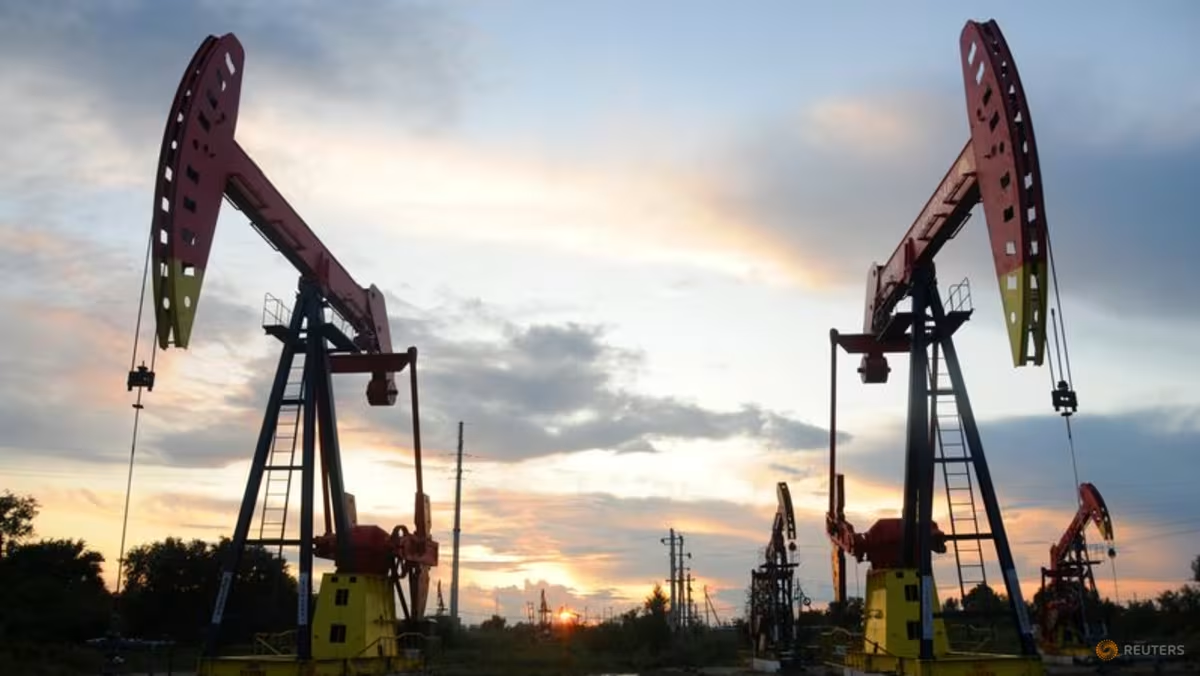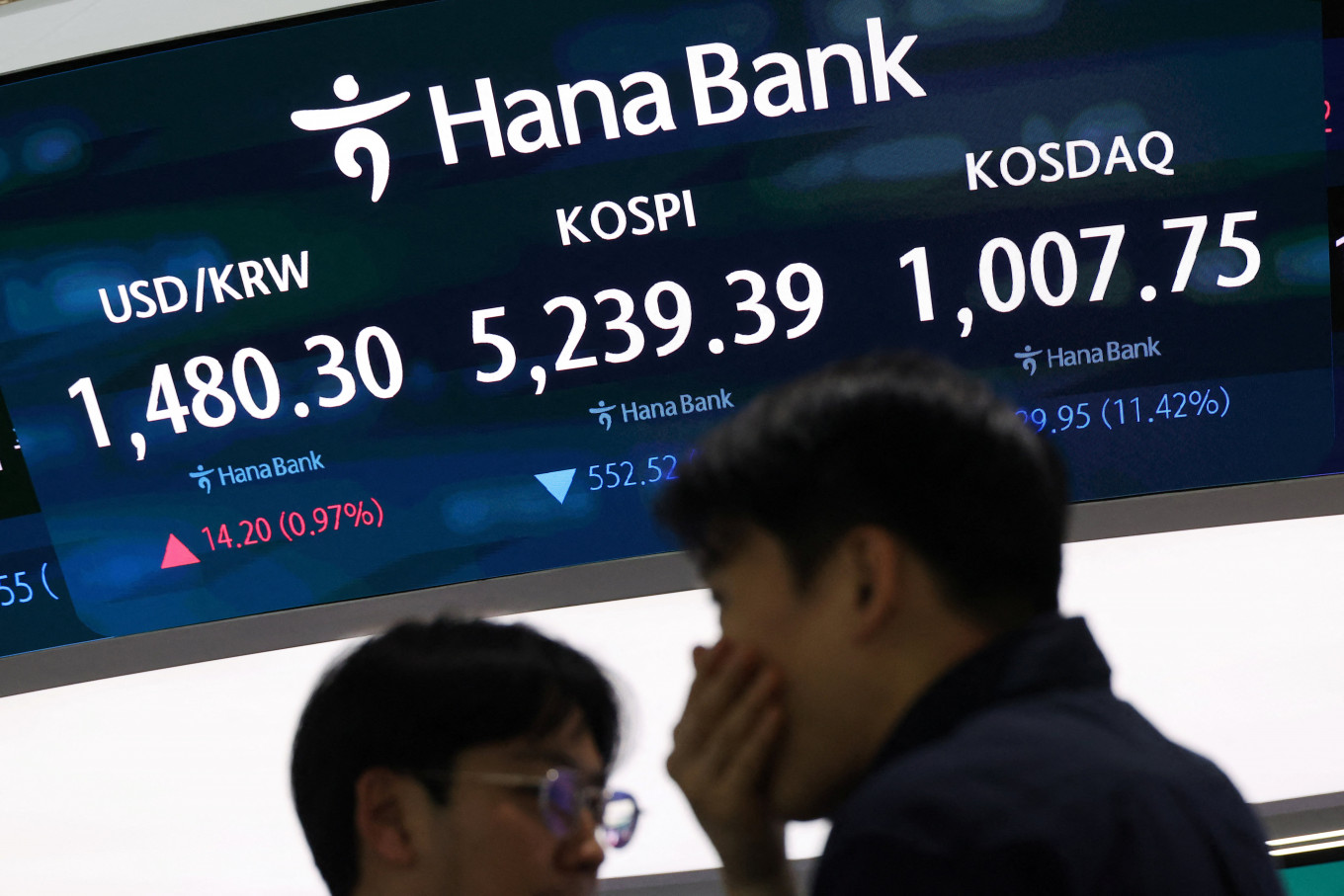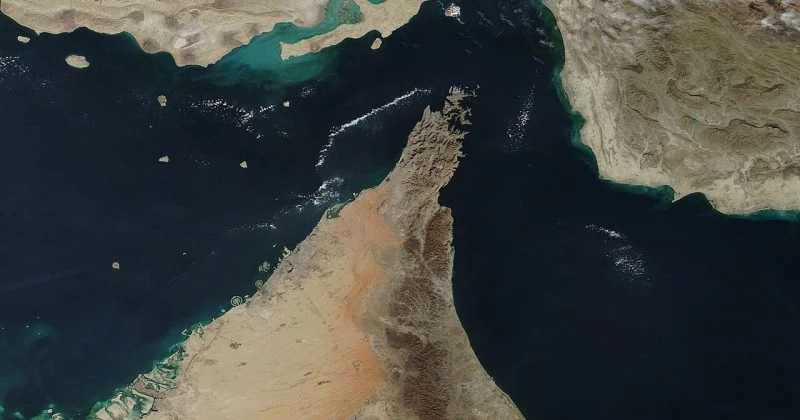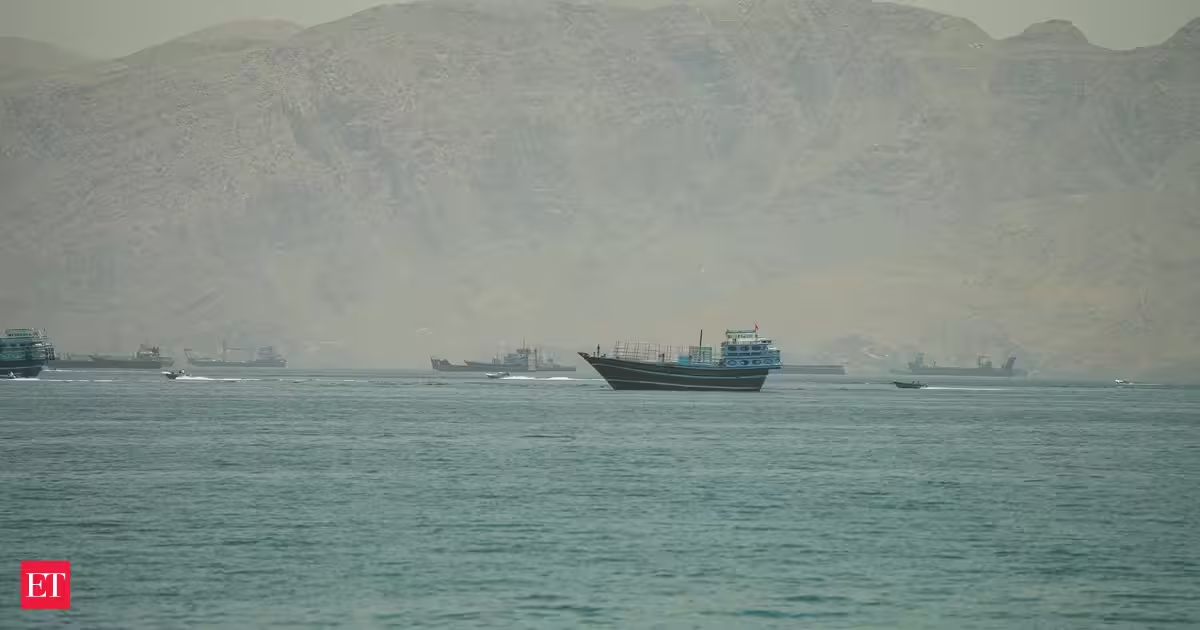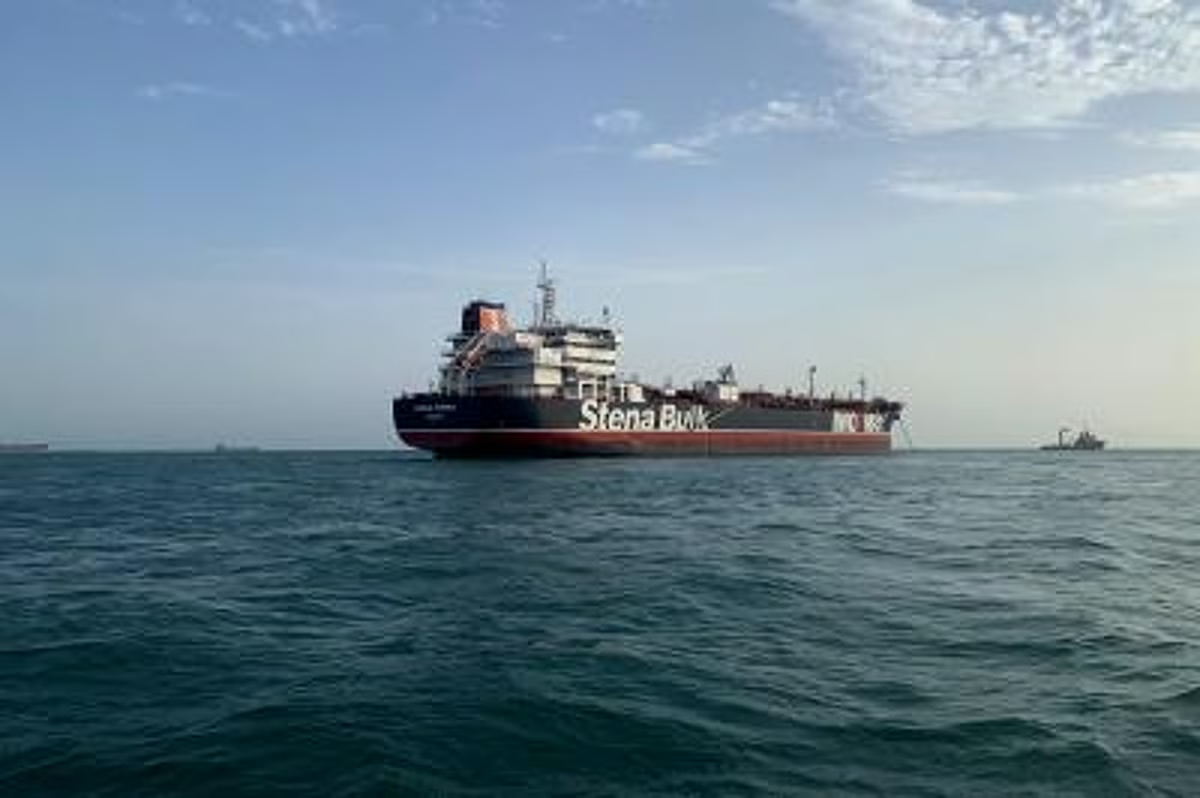
Asia’s economies are once again staring down the barrel of the Strait of Hormuz as the latest breakdown of the US-Iran ceasefire and Washington’s decision to impose a blockade-cum-toll threaten to keep energy costs elevated and shipping flows under strain.But economists and shipping analysts say the region is better placed to absorb the blow this time round.Oil prices jumped to a one-month high of US$84.78 a barrel on Tuesday morning as renewed fighting between Iran and the US over control of the strait – the conduit for a fifth of the world’s crude oil and gas in peacetime – rattled markets once more.It is a sharp rise, but a far cry from the nearly US$120 a barrel oil touched at the conflict’s peak in April.US President Donald Trump has announced that Washington will levy a 20 per cent charge on cargo passing through the Strait of Hormuz. Photo: EPAEarlier, US President Donald Trump announced that Washington would levy a 20 per cent charge on cargo passing through Hormuz, framing it in a Truth Social post on Monday as fair “reimbursement” for the US providing “safety and security” in the waterway.
Trump’s 20% Hormuz toll jolts markets as Asia adapts to oil shock
Alternative trade routes and an AI tech boom are helping the region cushion the blow of a threatened maritime tariff.
190 words~1 min read