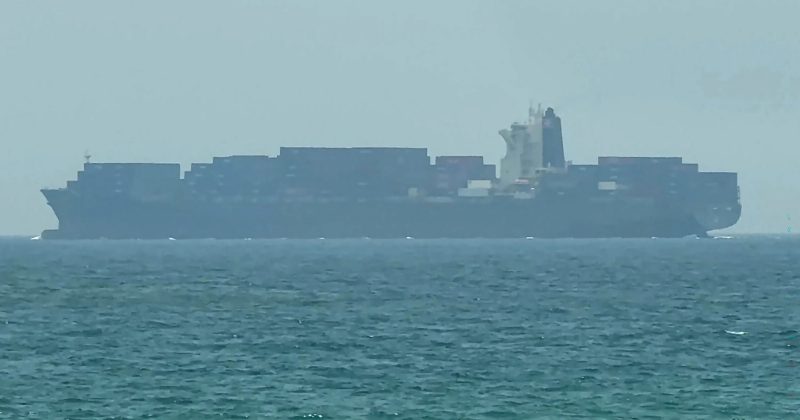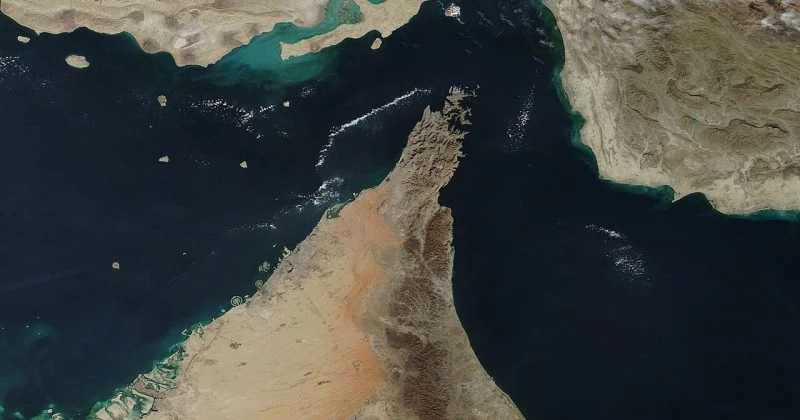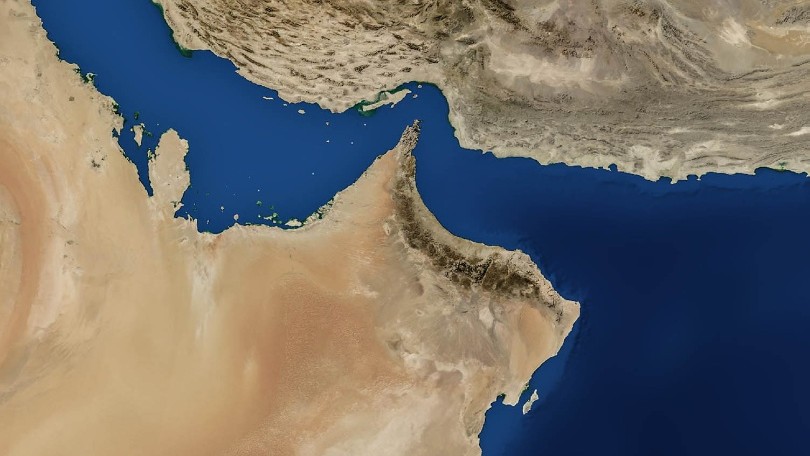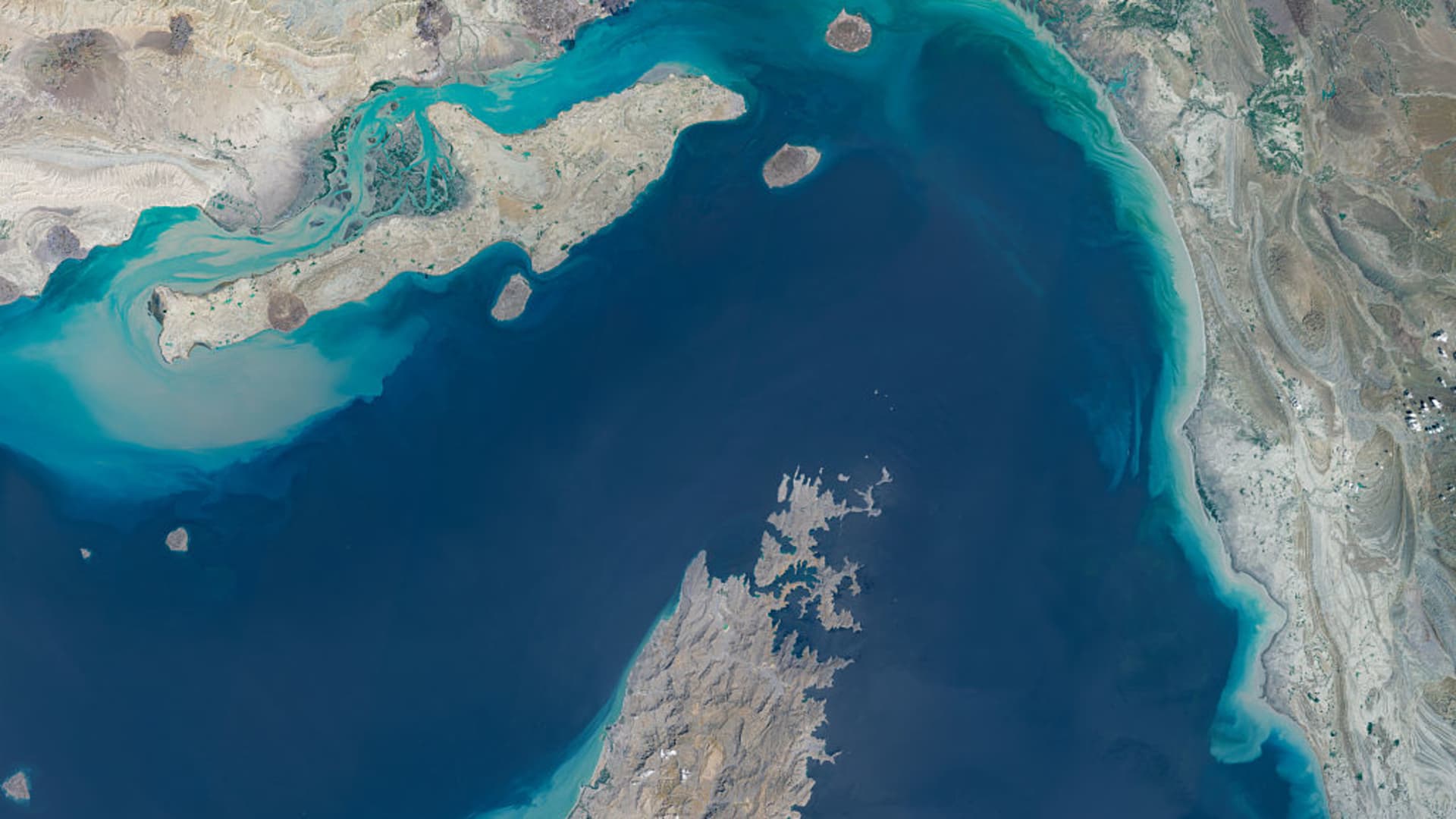
The Strait of Hormuz is roughly 21 miles wide at its narrowest point. About a fifth of the world’s oil passes through it.
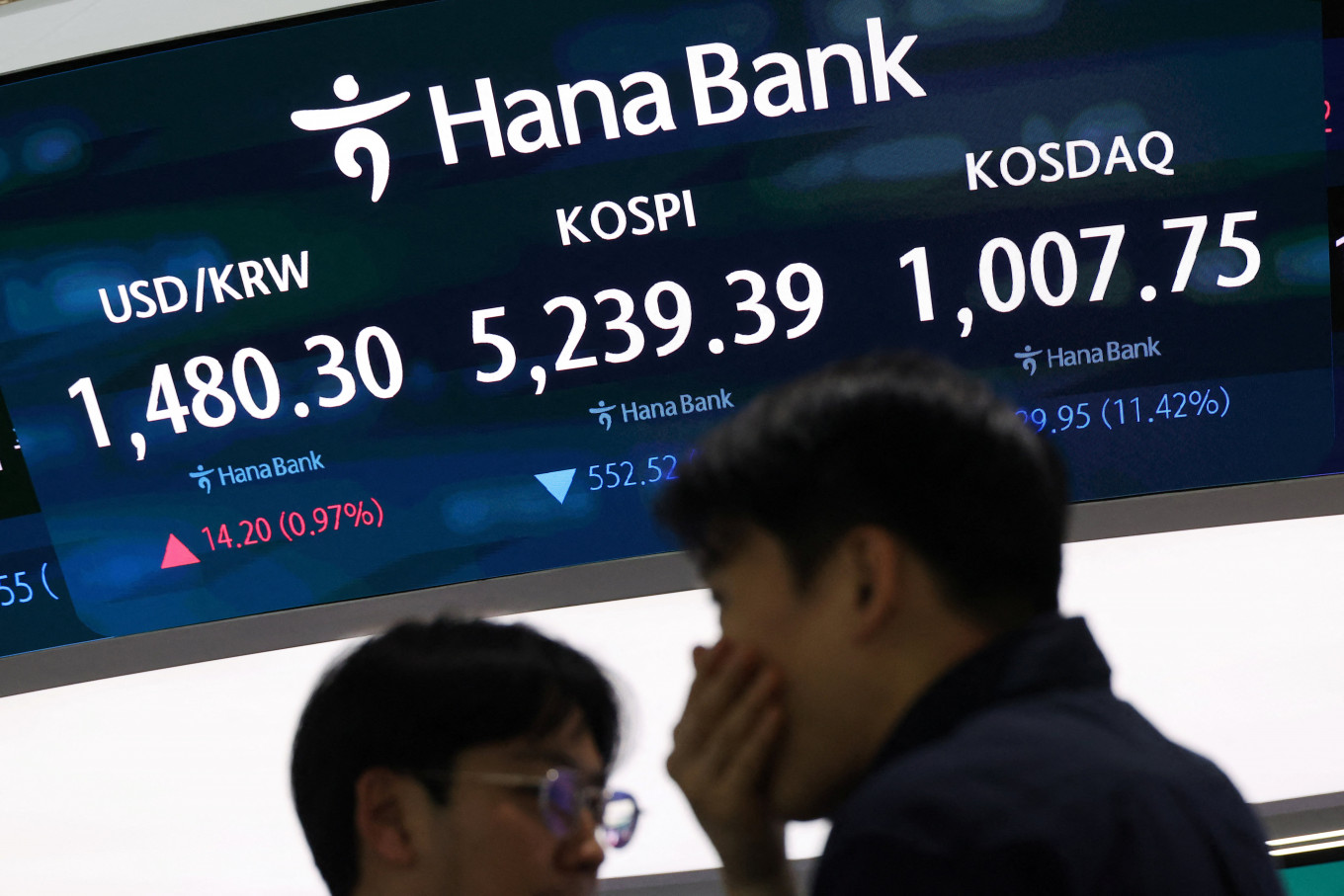
On July 13, 2026, Trump reinstated a U.S. naval blockade on Iranian ships transiting the strait, framing a 20% levy on all cargo using the waterway as a fee for American protection and naval presence in the region. Asian markets responded immediately, with equities swinging in both directions as traders tried to price in what could become a sustained shift in global energy logistics.
What Trump actually announced
The core of the announcement is straightforward: any vessel using the Strait of Hormuz now faces a 20% cargo levy, with the U.S. positioning its naval presence as the service being paid for.
Trump characterized the measure as necessary, tying it to the cost of maintaining American military presence in the region. Iran’s response was measured but pointed. Tehran acknowledged that compensation for safe-passage providers could be justified in principle, but called the proposed 20% rate excessive.