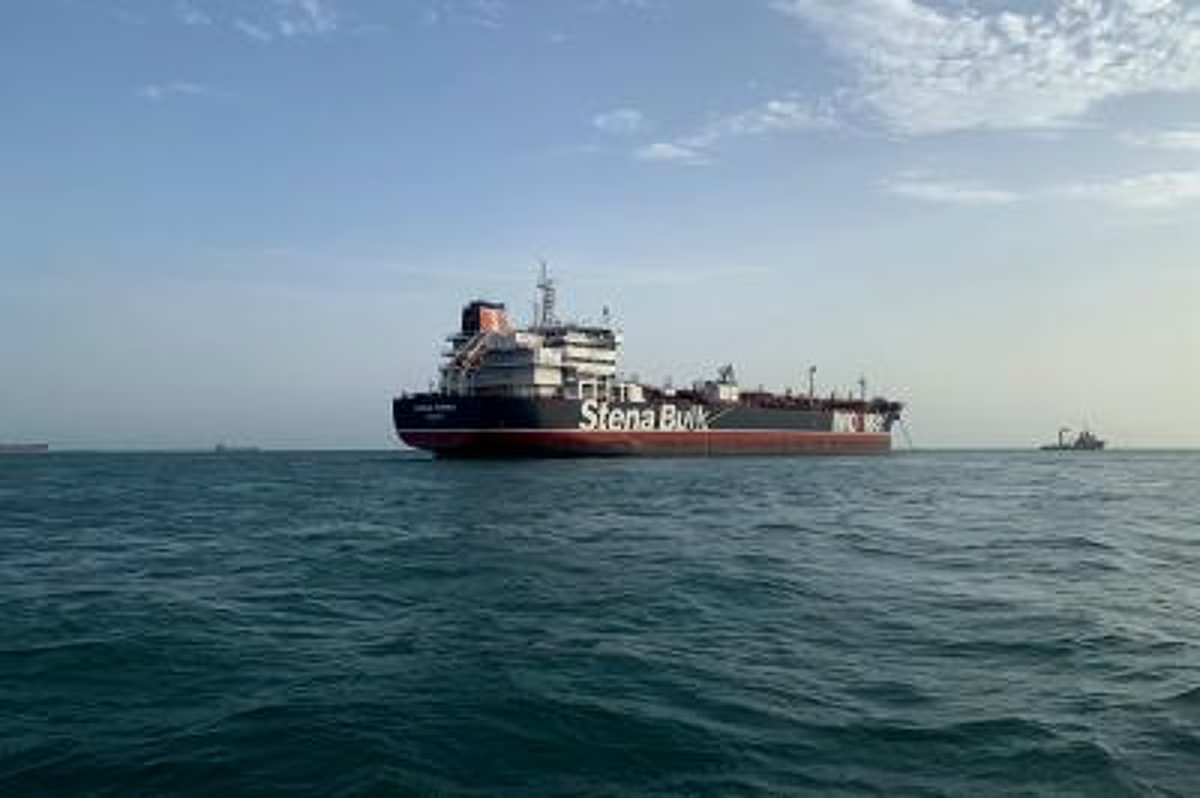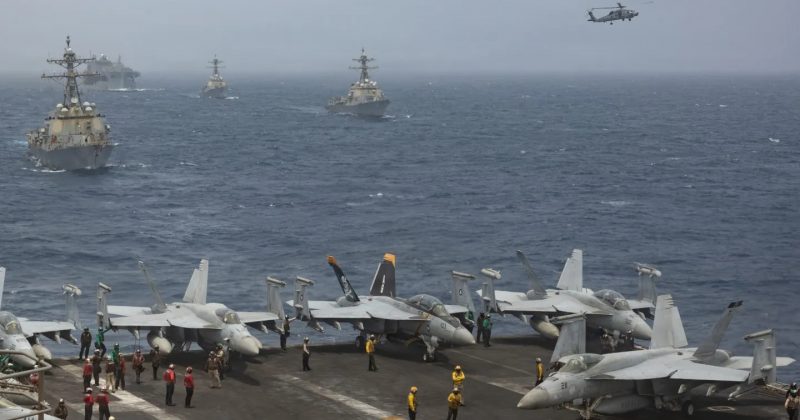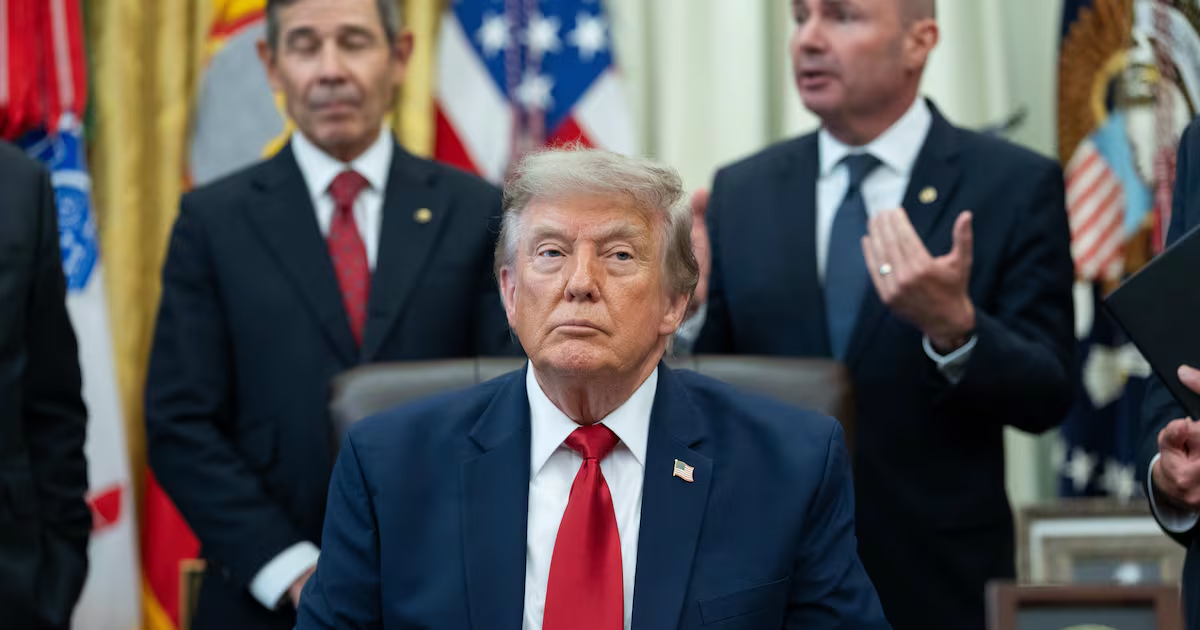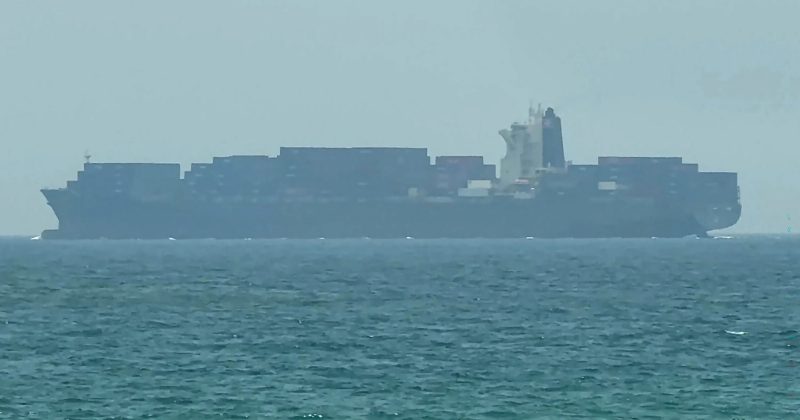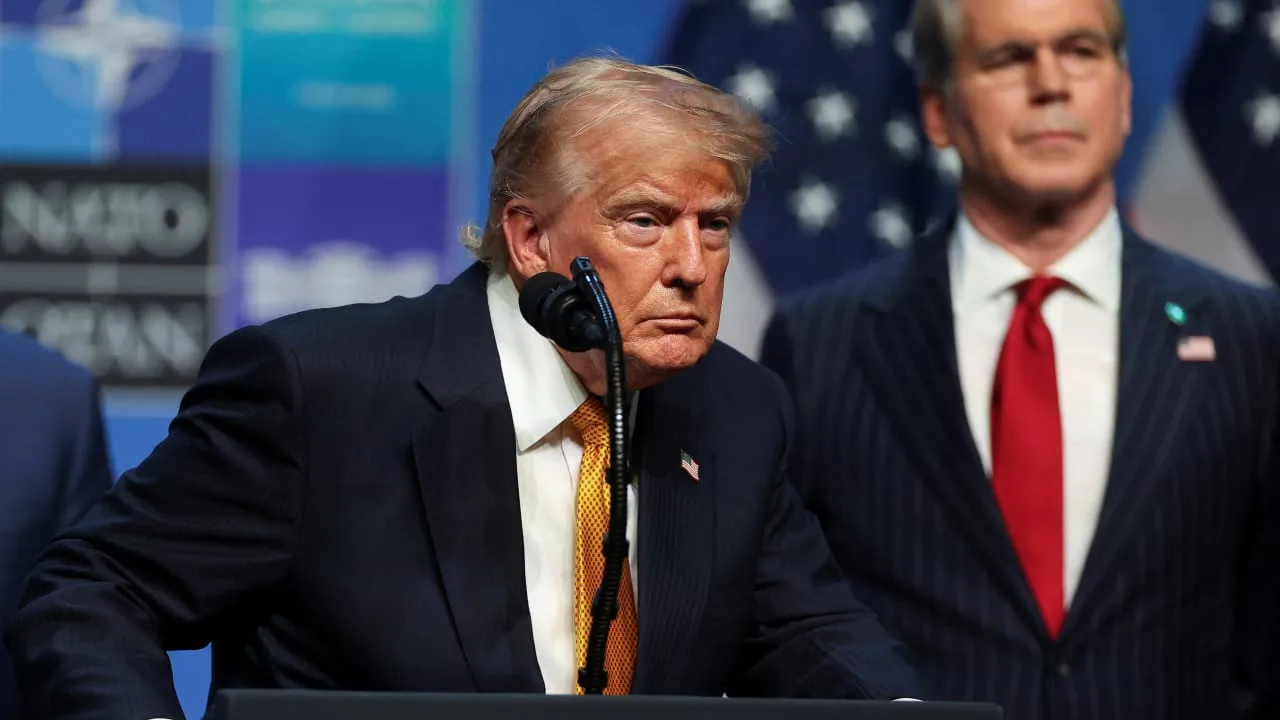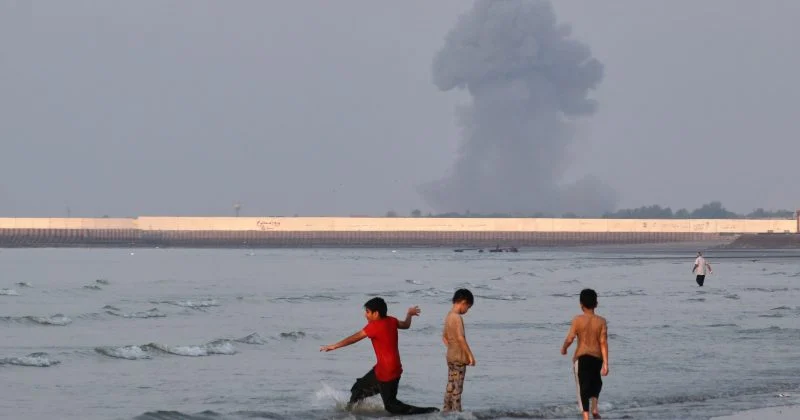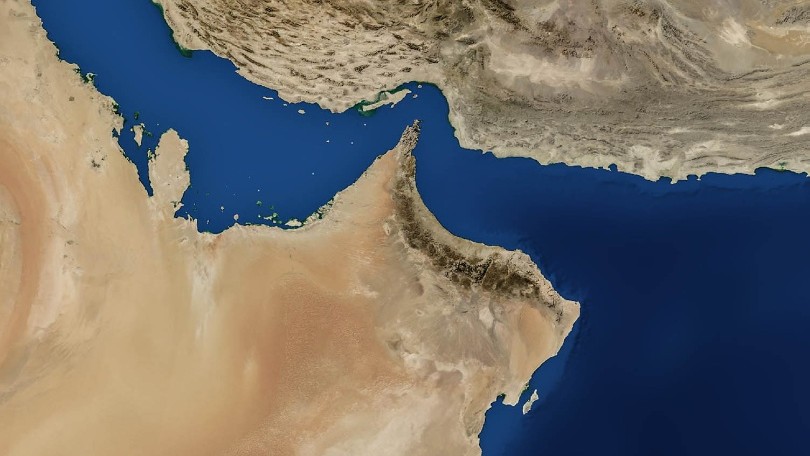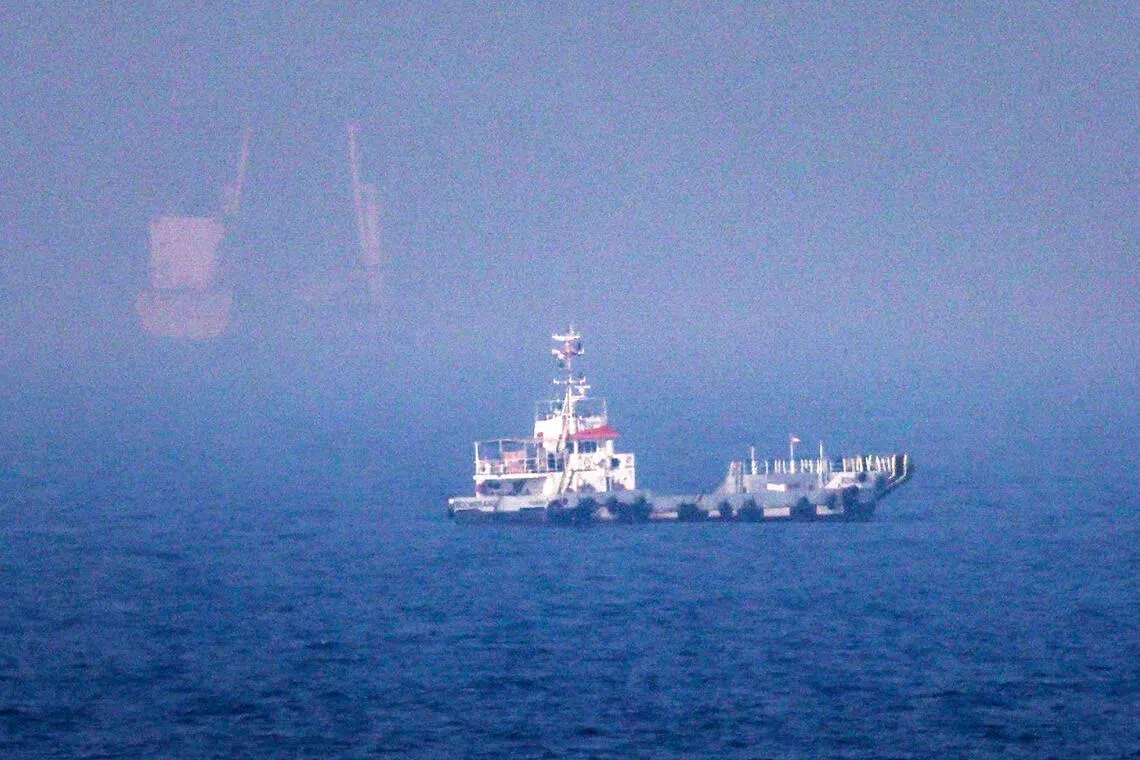
NEW YORK - The fee that US President Donald Trump wants to charge ships going through the Strait of Hormuz would significantly increase the cost of transporting oil and other products through the crucial waterway, shipping operators and logistics experts said.On July 13, Trump said the United States would charge a 20 per cent fee on all cargo shipped through the strait, as a way to recover the cost of providing military protection to vessels using the waterway.Some analysts said they doubted whether the fee would come into existence because of the costs it would impose. And for ship operators in the region, the prospect of fees is less of a concern right now than the escalation of the conflict between the US and Iran in recent days.Still, the fact that the US, a longtime supporter of freedom of navigation in the strait and elsewhere, is now pushing for a fee, and the sheer magnitude of the charge, is stirring up concern.Trump did not explain exactly how the 20 per cent fee would be calculated.But if it were charged on the value of the cargo, it could more than double the cost of shipping oil through the strait.Rico Luman, a senior economist specializing in logistics at ING Research, said tanker companies charge around US$10 a barrel to transport oil from the Persian Gulf to Europe. Given that a barrel of oil costs around US$80 currently, Trump’s fee could add another US$16 per barrel to ship the oil through the strait, Luman said, taking the overall transportation cost to US$26 per barrel.For a large tanker carrying two million barrels of oil, the fee could add more than US$30 million in costs. Oil importers would most likely pass on some of the cost to consumers.The US and Iran are battling fiercely to win control over ship traffic in the strait, through which one-fifth of the world’s oil was transported before the war between the two countries.The US military is guiding ships through the strait on routes closer to Oman. Iran has objected to the US operation, saying it must control ship traffic. In recent days, Iran struck vessels that appeared to be using the Omani route, prompting the US to retaliate with its attacks on Iran.Scores of ships have gone through the strait with Iran’s permission, taking routes close to the Iranian coast. On July 13, Trump said he was reinstating a US naval blockade of ships that use Iranian ports.Neil Crosby, head of oil research at Sparta, an energy market analysis firm, said that he was skeptical that the fee would come into existence, but that if it did, it would leave ship operators with a difficult choice. They would have to decide whether to pay the high fee and risk being attacked by Iran, Crosby said, or ignore the US and work with Iran.Two ship operators said the fee was exorbitant and would exceed the amount they charged for shipping cargo through the strait.Vidya Mani, an associate professor at the University of Virginia and an expert on supply chains, said a 20 per cent fee would be a “significant expense.” She noted that a voluntary fee to go through the Strait of Malacca was less than 0.5 per cent of cargo value.Iran has sought to charge ships a fee for going through the strait. It is not clear how many vessels have paid a fee or how much Iran charges.Commenting on July 13 on Trump’s fee, Iran’s fForeign minister, Abbas Araghchi, said on the social platform X: “20 per cent is of course too much. We will be fair.”US officials have opposed fees when Iran has sought to collect them, noting that ships were not charged for going through the strait before the war.In late June, Secretary of State Marco Rubio said: “No country is allowed to charge tolls or fees on an international waterway. That’s existing international law.” NYTIMES
Trump’s Strait of Hormuz fee could double the cost of shipping
Trump said on July the US would charge a 20 per cent fee on all cargo shipped through the strait. Read more at straitstimes.com. Read more at straitstimes.com.
650 words~3 min read