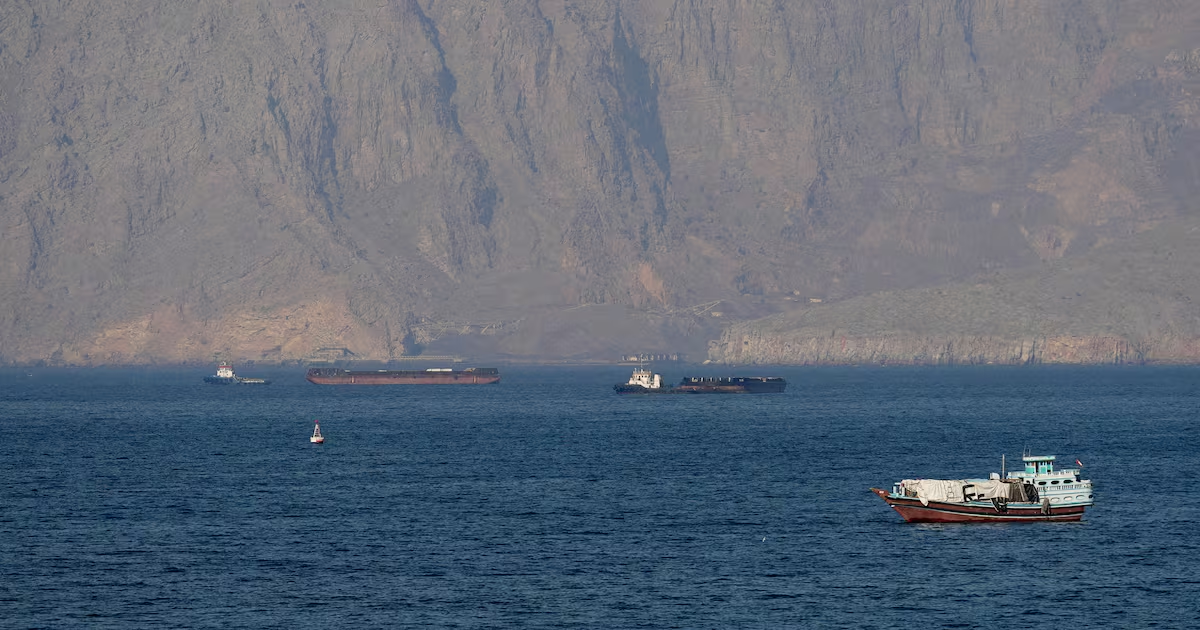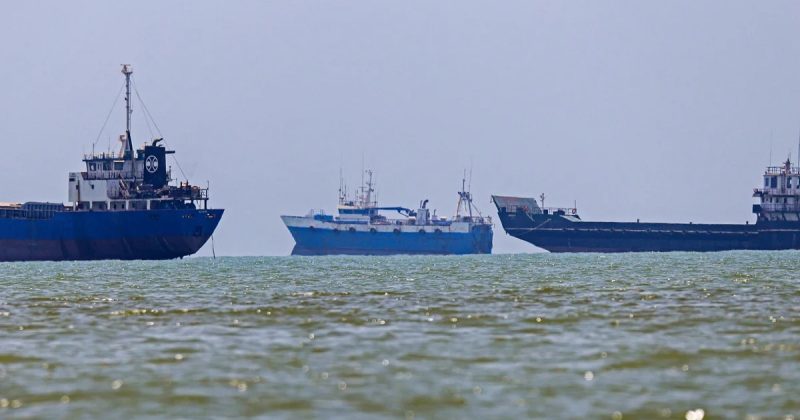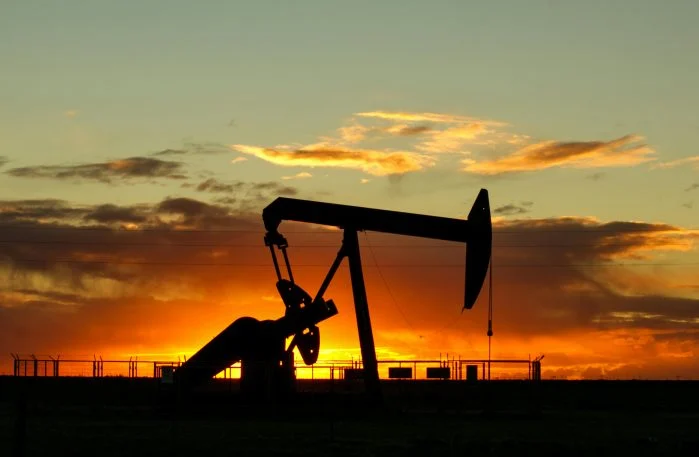
Oil prices have surged following threats from President Trump to impose a 20% fee on cargo and block shipping to Iran’s ports, as reported by the Washington Post. This development comes amid heightened geopolitical tensions around the Strait of Hormuz, a critical waterway for global oil supplies. The market had recently stabilized, with prices falling close to pre-crisis levels after a temporary truce allowed tanker traffic to resume. However, Trump’s threats have reignited concerns over potential disruptions, reversing the trend of falling prices.
The market reaction to these tensions is reflected in prediction markets focused on crude oil reaching a new all-time high by the end of the year. Current pricing in these markets suggests a slight increase in the perceived likelihood of such an event, particularly as geopolitical tensions remain high. As of now, the odds for crude oil to hit a new peak by September 30 remain at 6%, while the odds for December 31 have risen to 14.5%, up from 12% just 24 hours ago.
This situation underscores the complex interplay between geopolitical actions and market expectations. The Strait of Hormuz crisis remains a pivotal factor influencing oil prices, with Trump’s latest threats adding a layer of uncertainty to the global energy landscape.