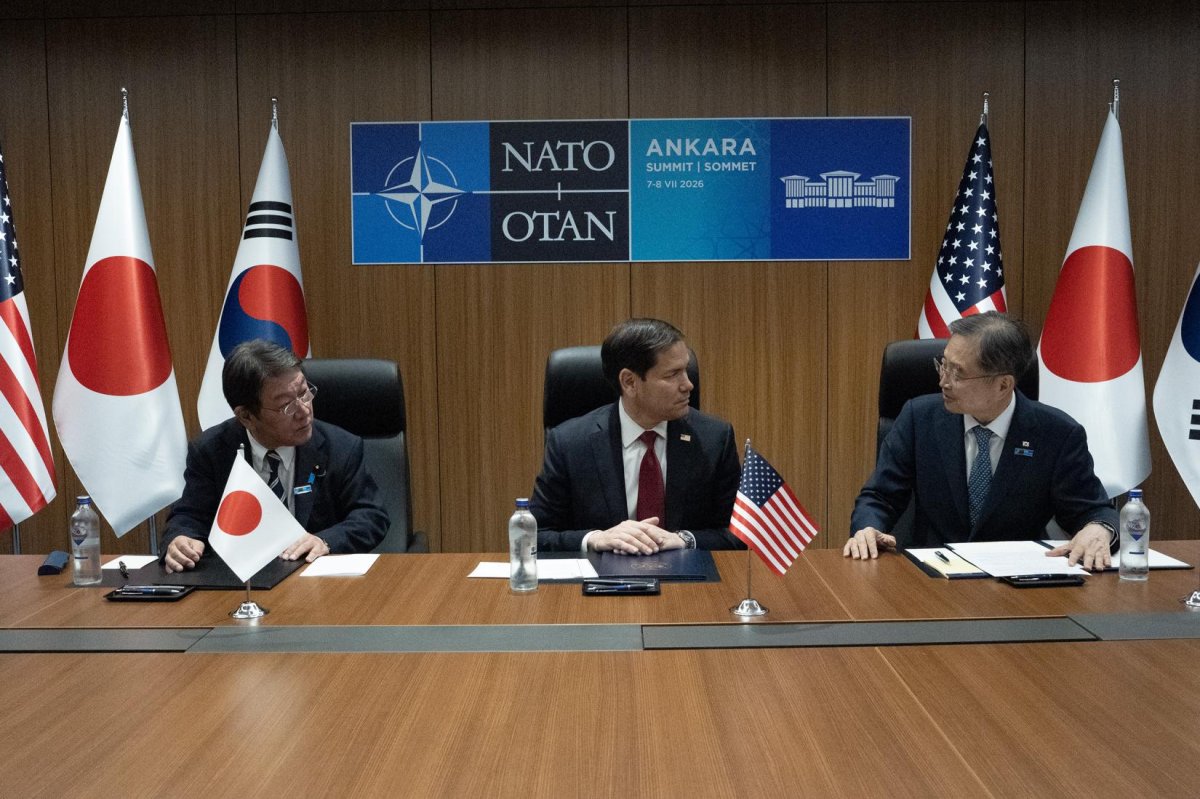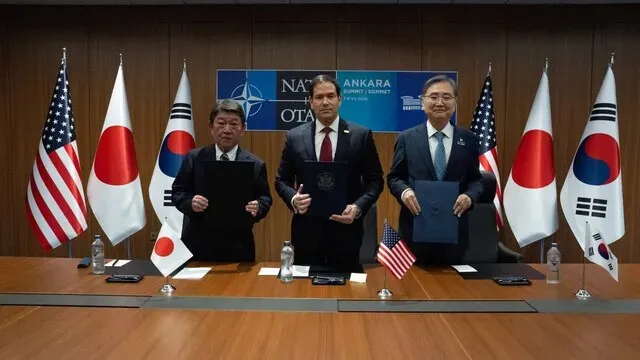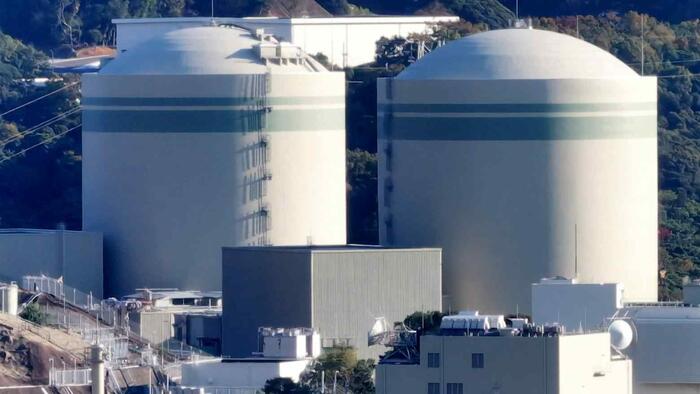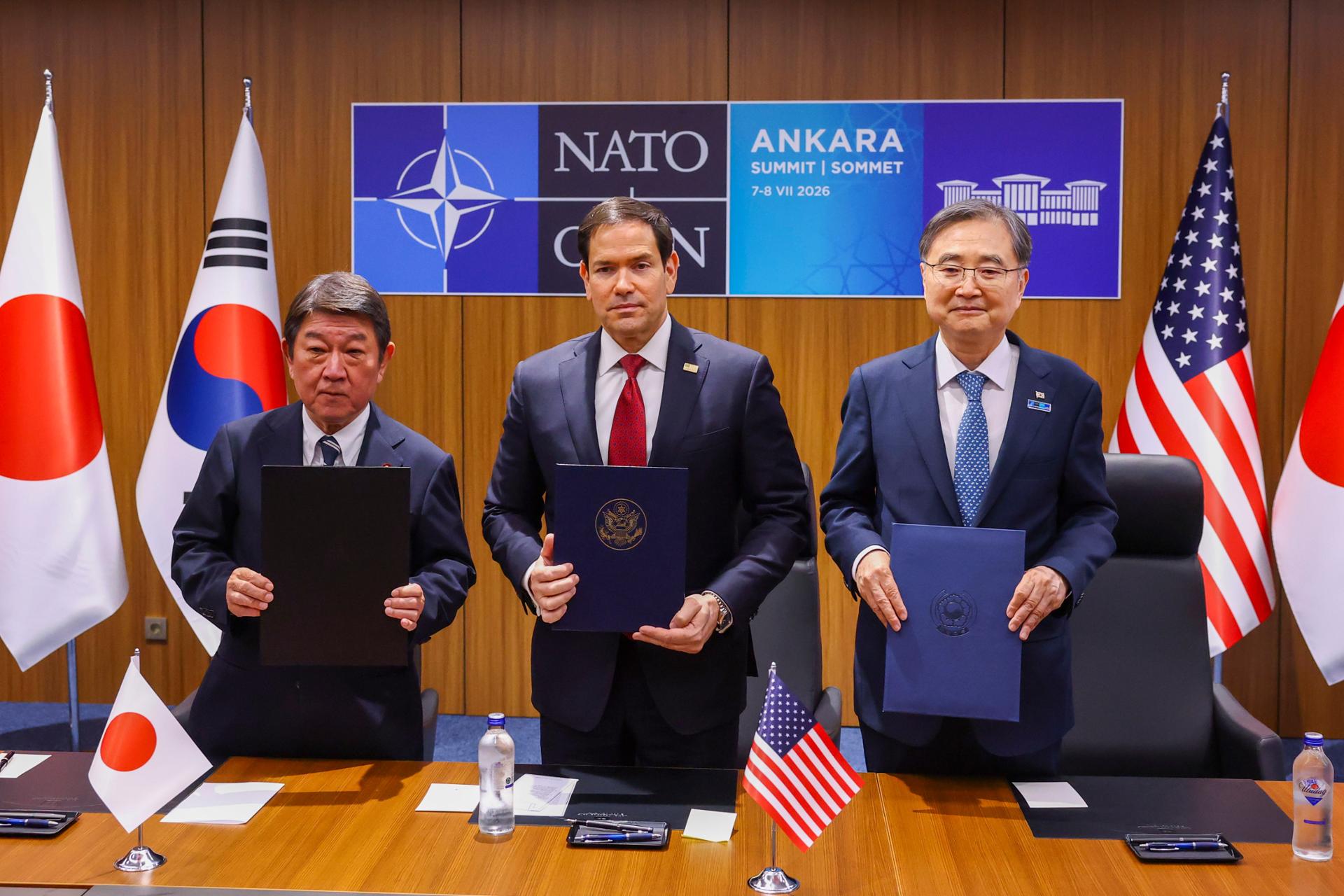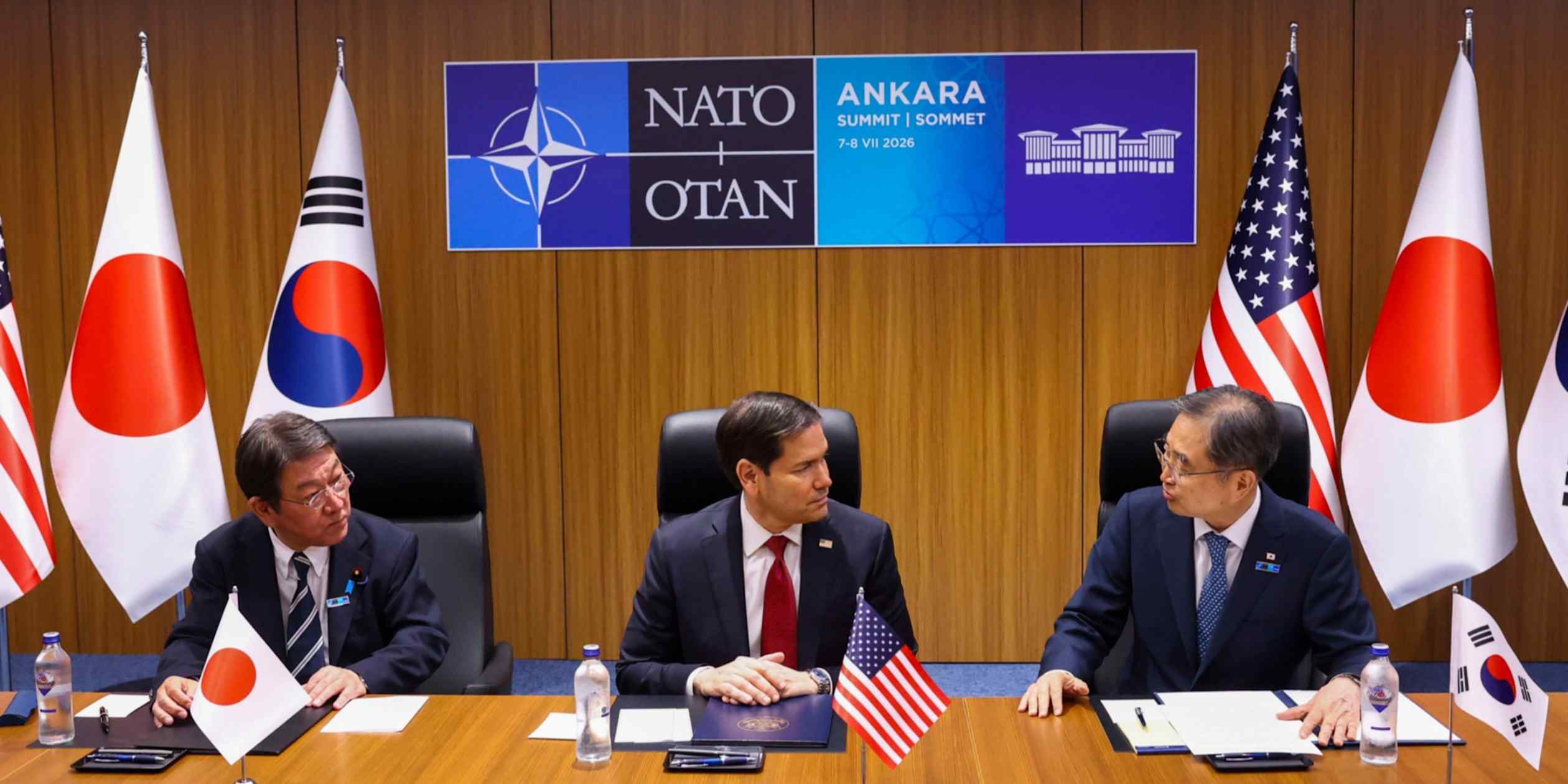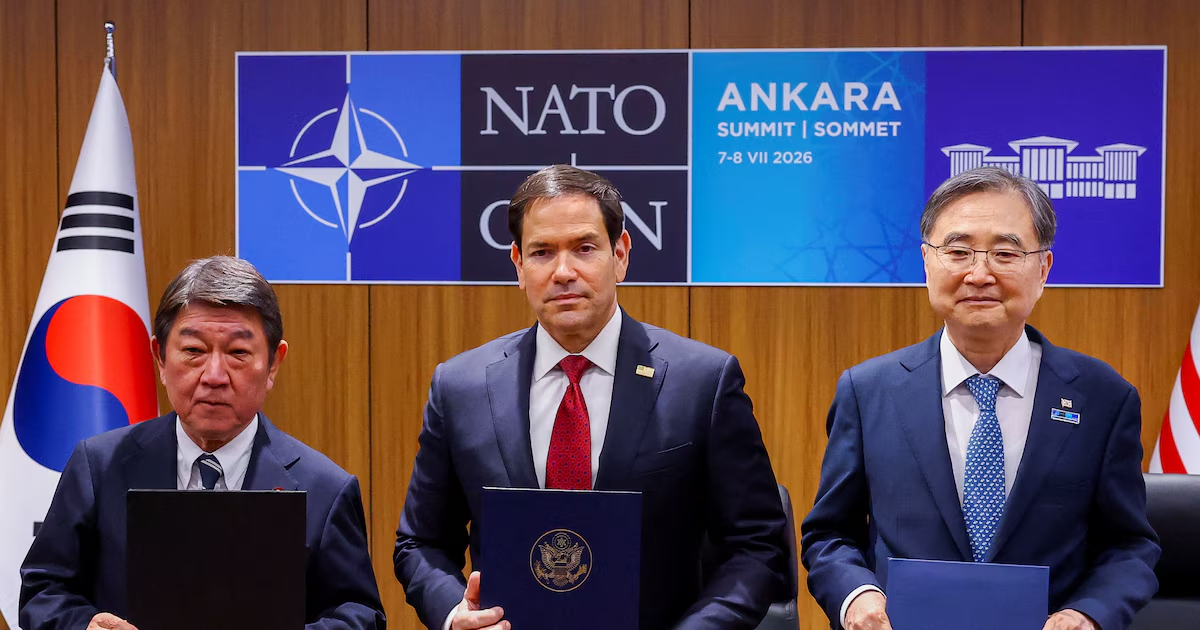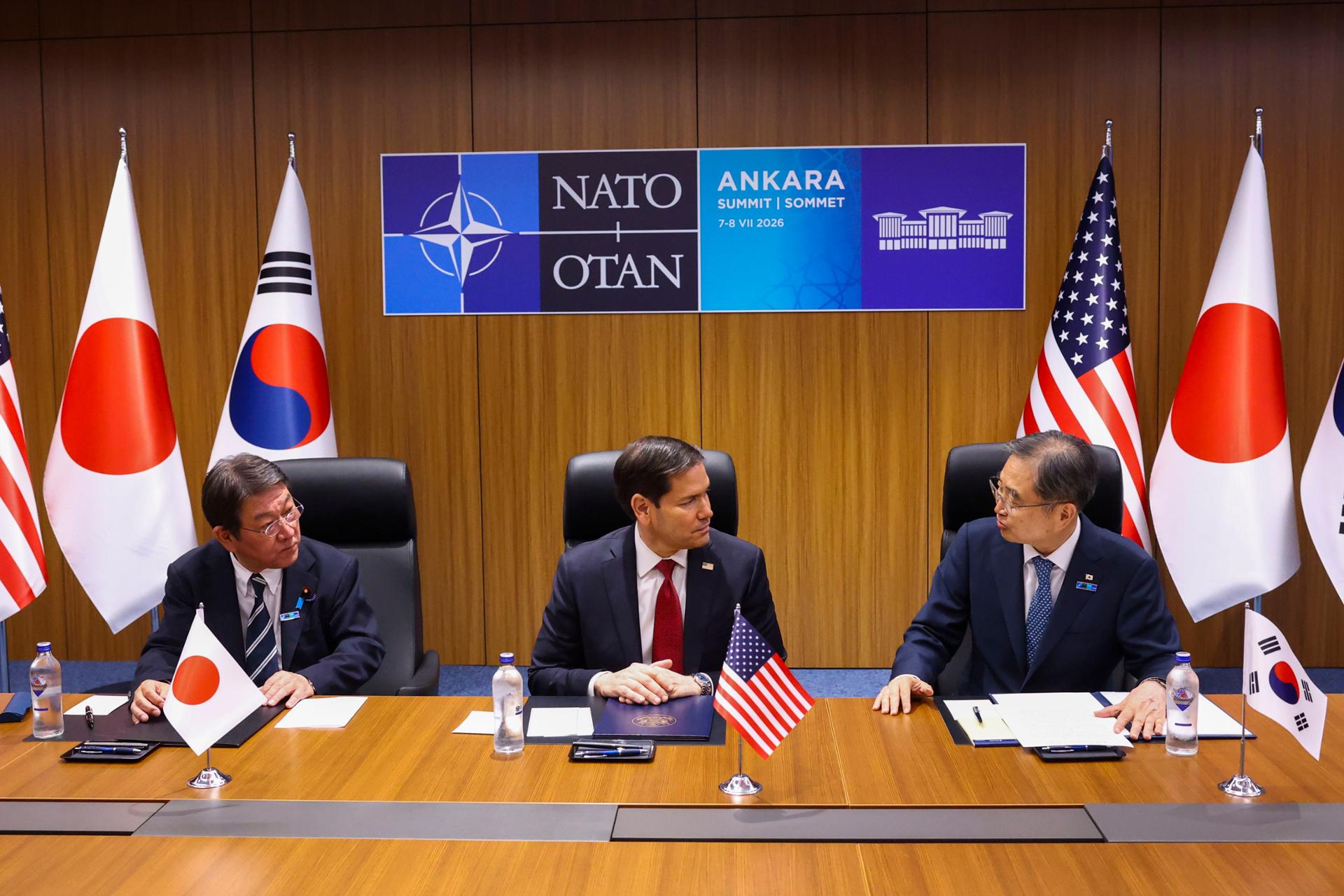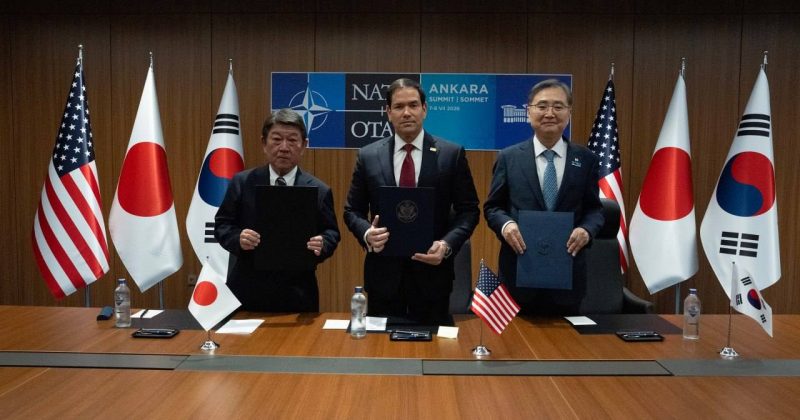
Three of the world’s most technologically advanced democracies just decided that the best way to win friends in the Indo-Pacific is to offer them a reliable power grid. During the NATO summit in Ankara on July 7-8, 2026, US Secretary of State Marco Rubio, Japan’s Foreign Minister Toshimitsu Motegi, and South Korea’s Foreign Minister Cho Hyun signed a Memorandum of Cooperation focused on deploying small modular reactors in third countries.
What the three countries actually agreed to do
The MOC is a division-of-labor arrangement that plays to each country’s existing strengths rather than duplicating effort. The US leads on reactor design. Japan brings heavy manufacturing components and advanced engineering. South Korea contributes construction speed and battle-tested supply chains, having built reactors abroad faster and cheaper than almost anyone else.
The US backed up the handshake with money. Washington committed over $10 million to the State Department’s FIRST program, which stands for Foundational Infrastructure for Responsible Use of Small Modular Reactor Technology. The program provides technical assistance and training to countries looking to stand up nuclear infrastructure for the first time.