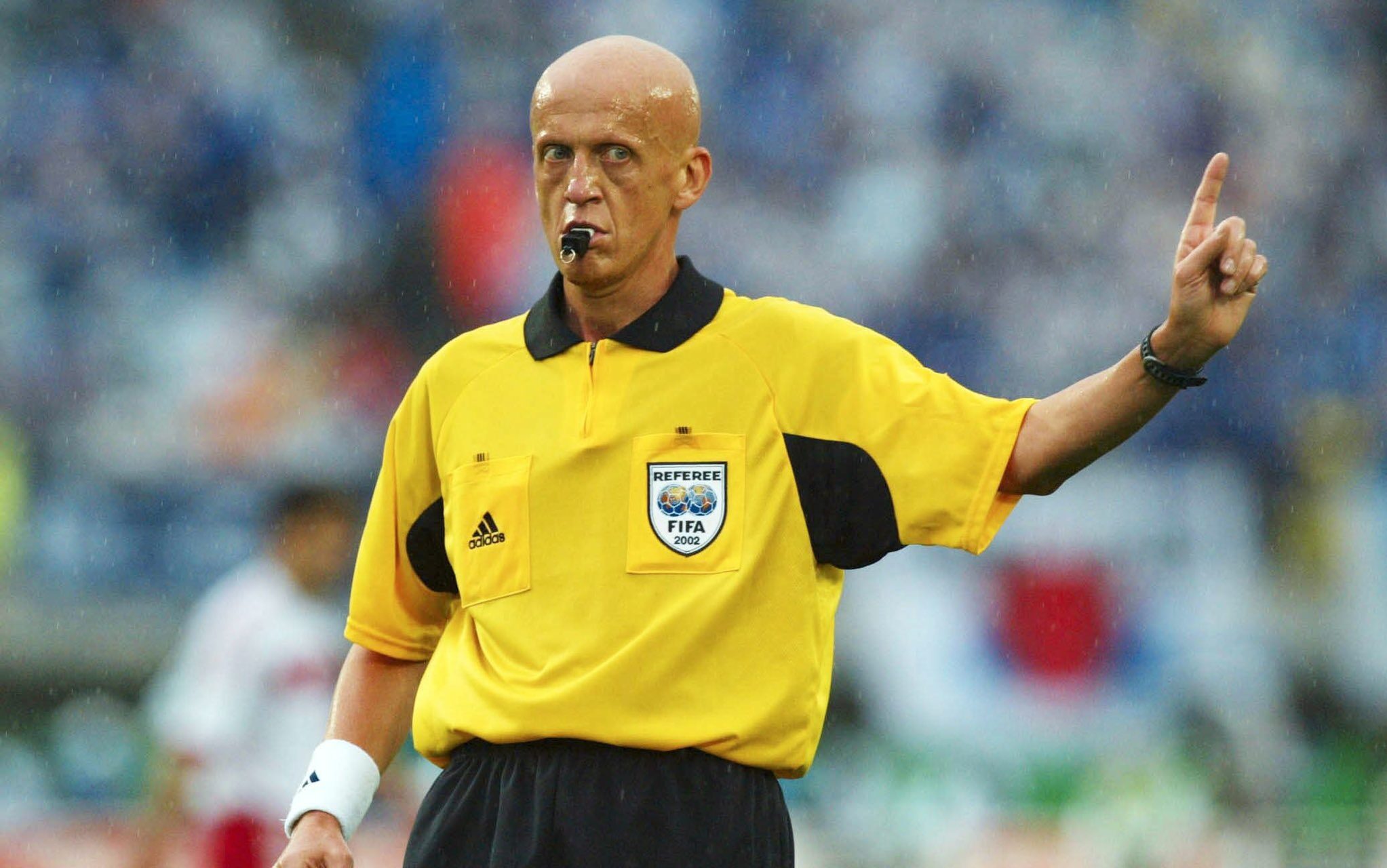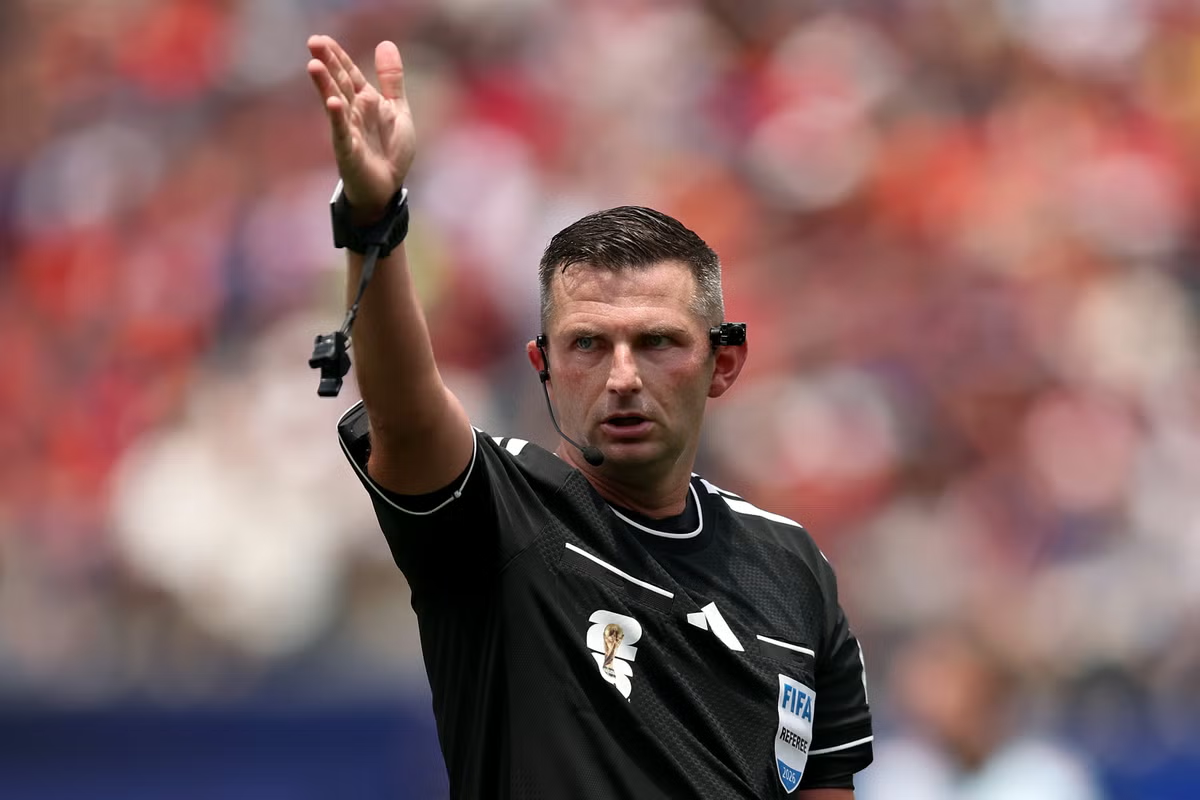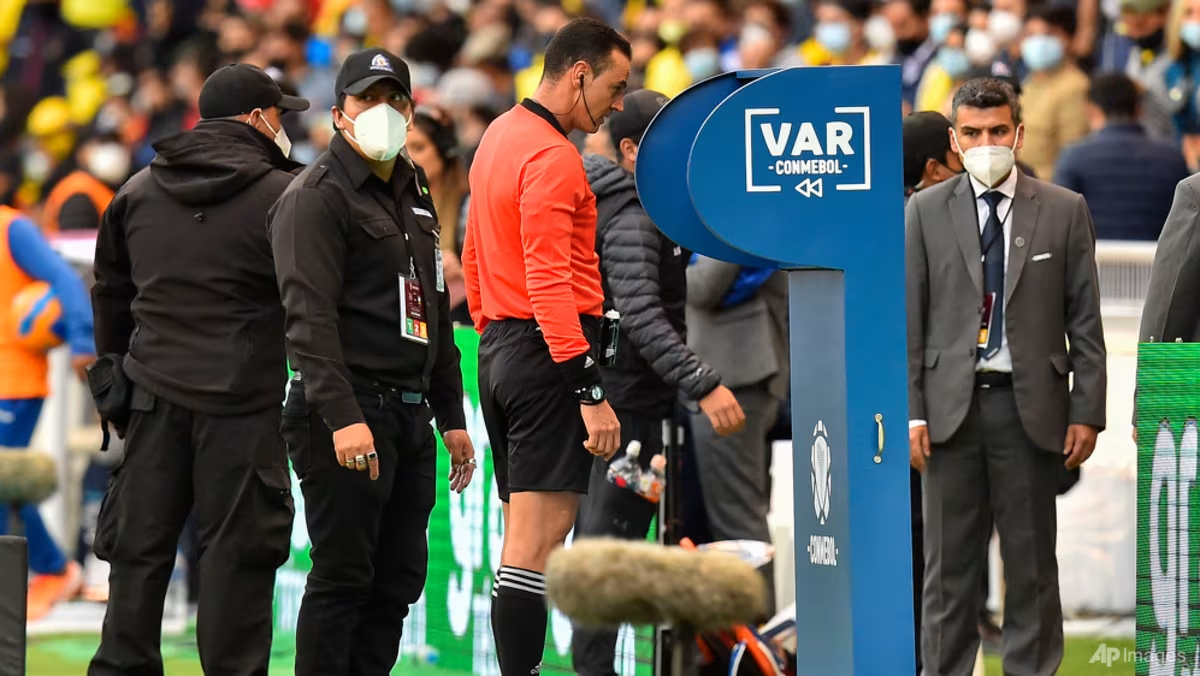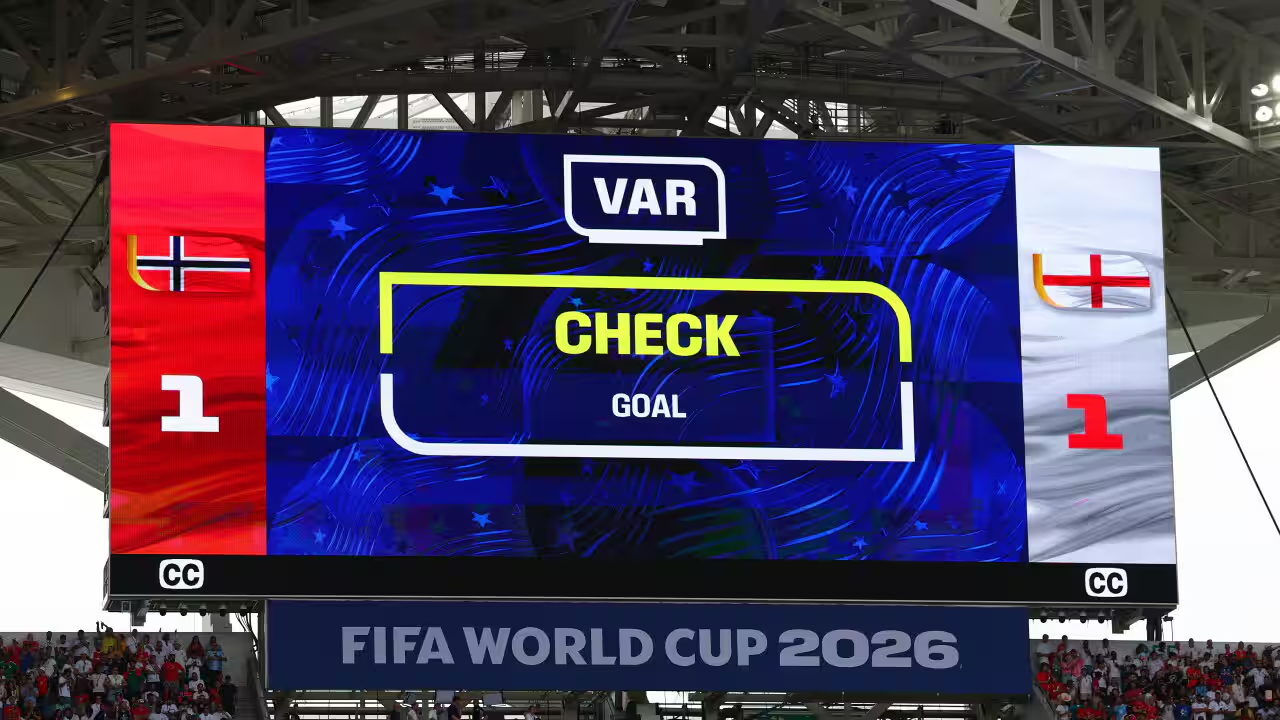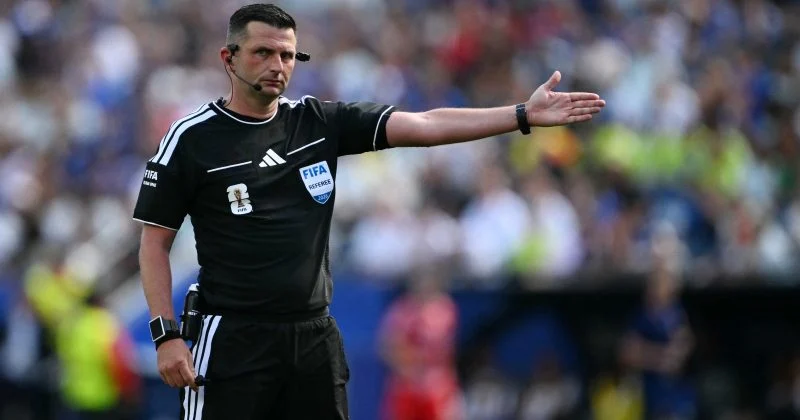
Graham Scott, a retired Premier League referee with a decade of top-flight experience and over 100 VAR assignments under his belt, just did something no one at FIFA asked him to do. He reviewed every single red card decision at the 2026 World Cup. All 13 of them.
His verdict, published in The Athletic, is essentially a masterclass in how video technology has quietly changed what referees are actually judging. And the findings land at a moment when the tournament’s officiating has become a geopolitical flashpoint, not just a sporting one.
The VAR problem no one wants to talk about
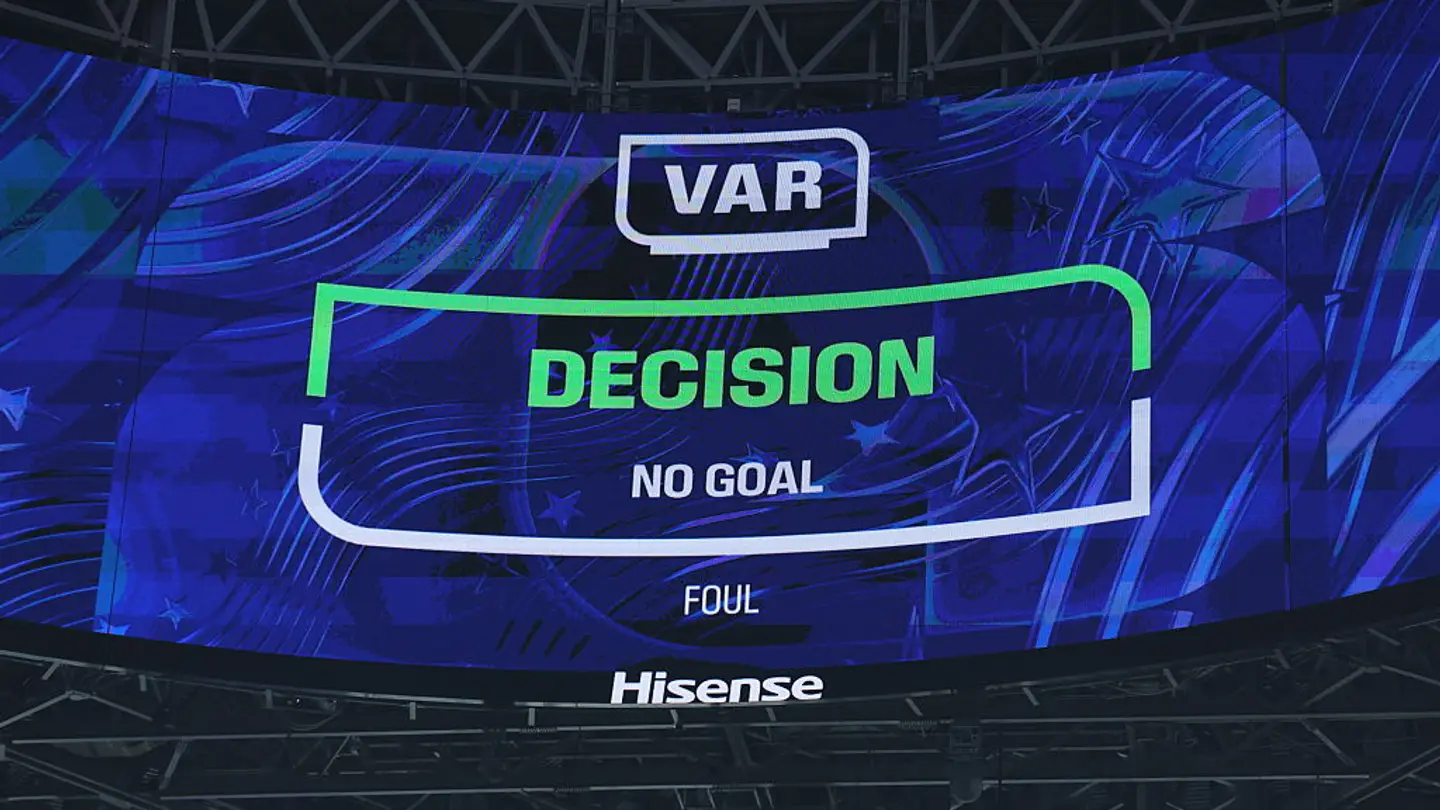
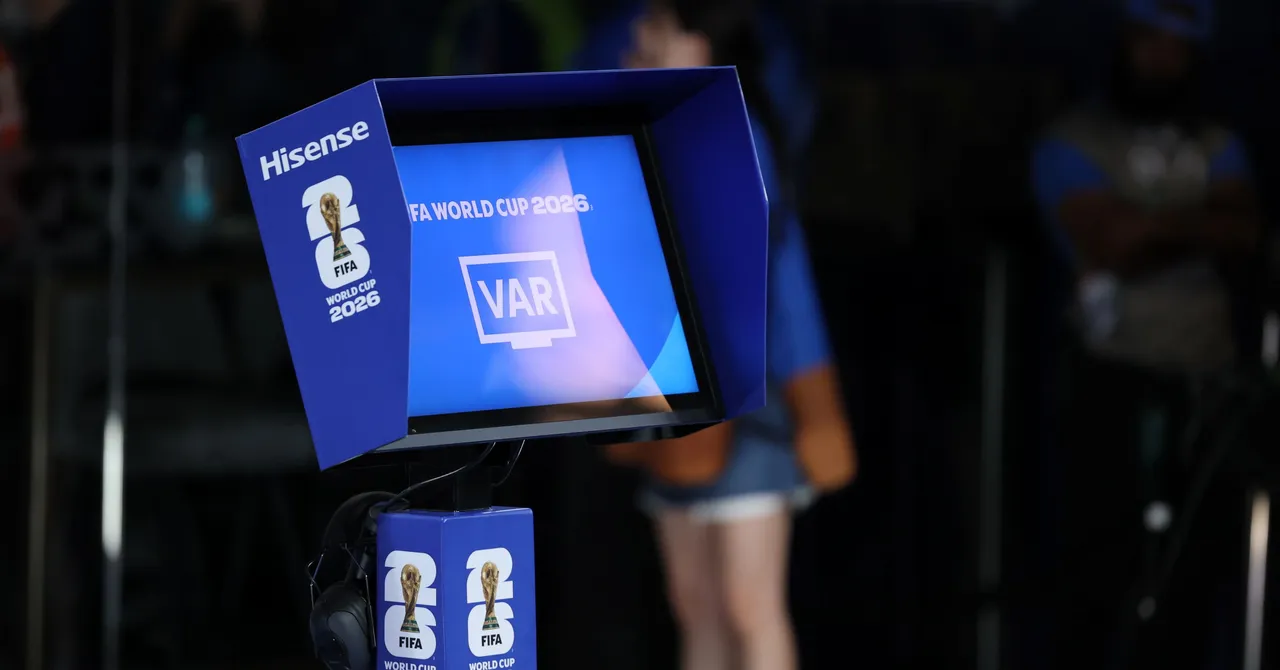
Scott’s central argument is deceptively simple. VAR, the Video Assistant Referee system introduced to eliminate obvious errors, has shifted the entire framework of how fouls are assessed. Instead of evaluating intent, speed, and context in real time, officials now freeze-frame collisions and judge based on point of contact.
In English: if a slow-motion replay shows studs grazing a shin, it’s a red card. Doesn’t matter if the player was moving at full sprint and had no realistic way to avoid contact. The technology has made referees into forensic analysts rather than real-time judges of the game.