Show Caption
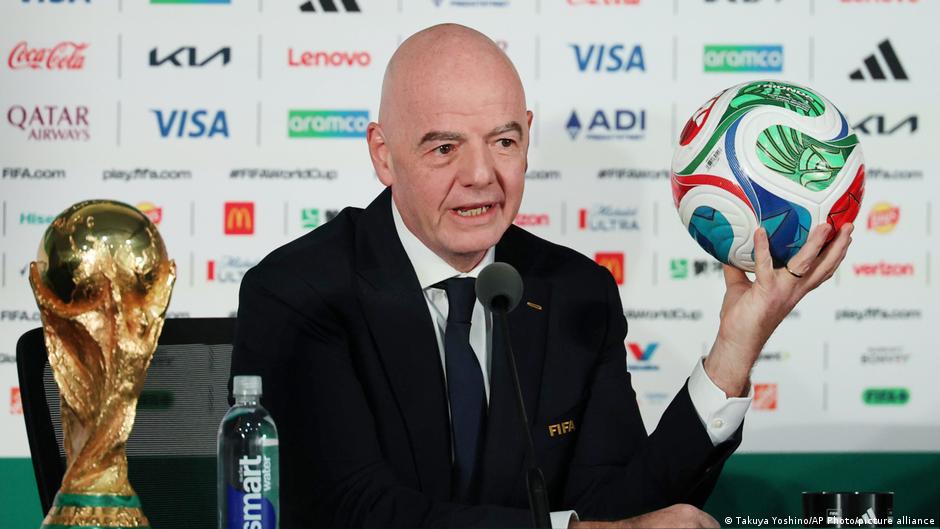
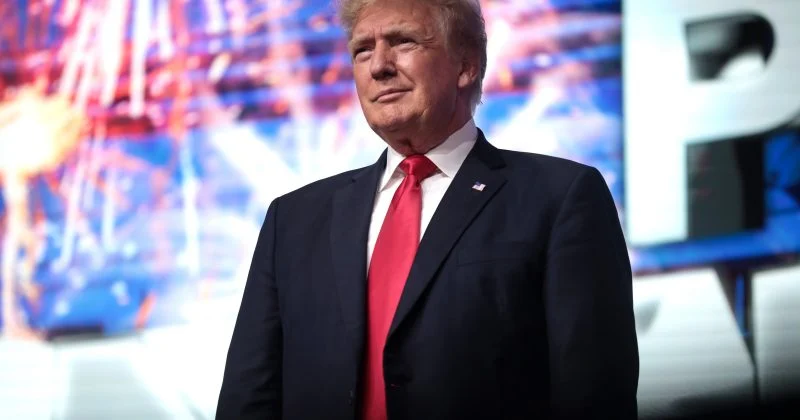
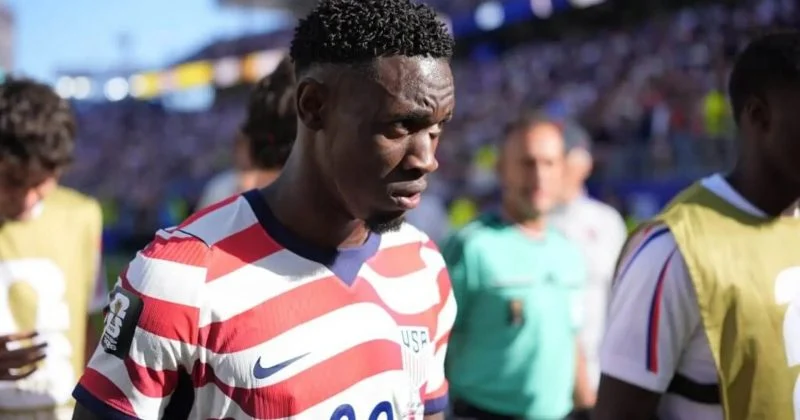
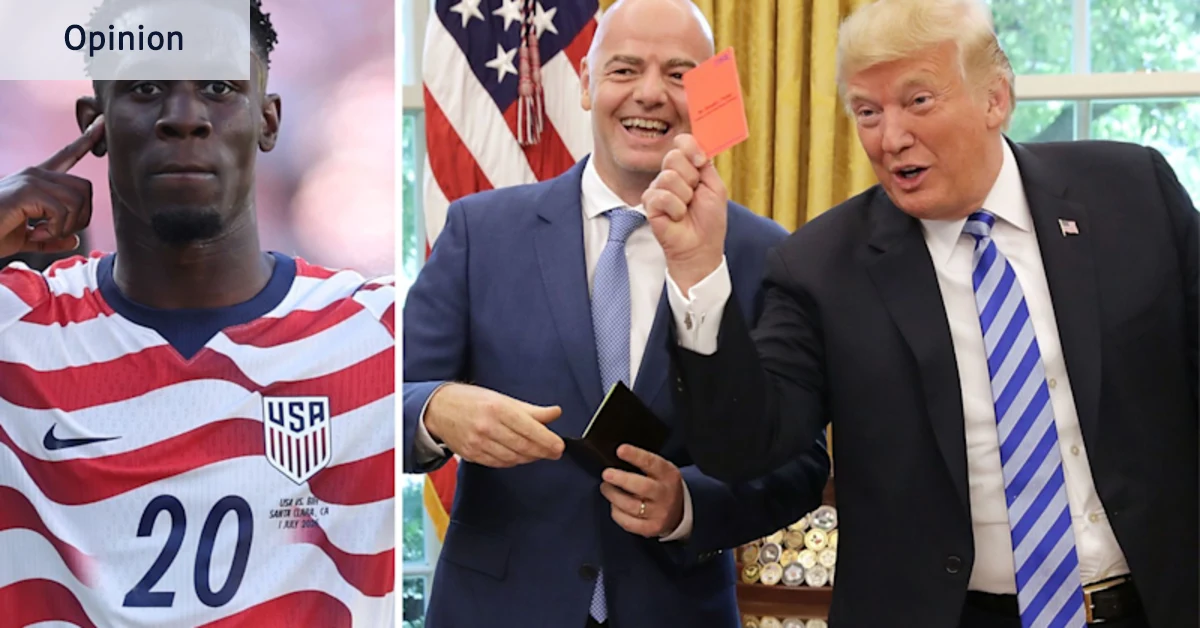
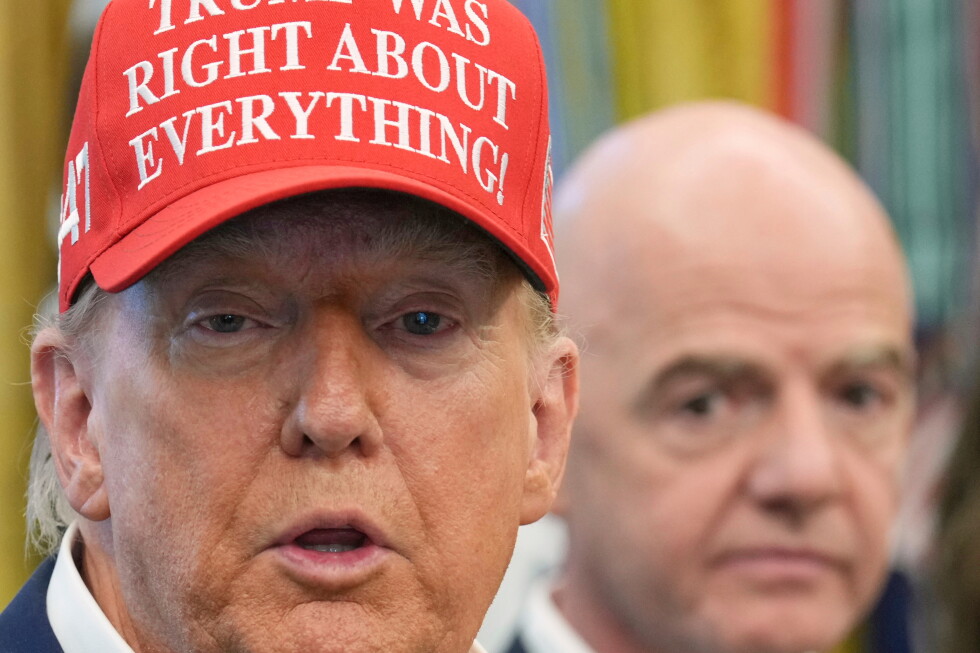
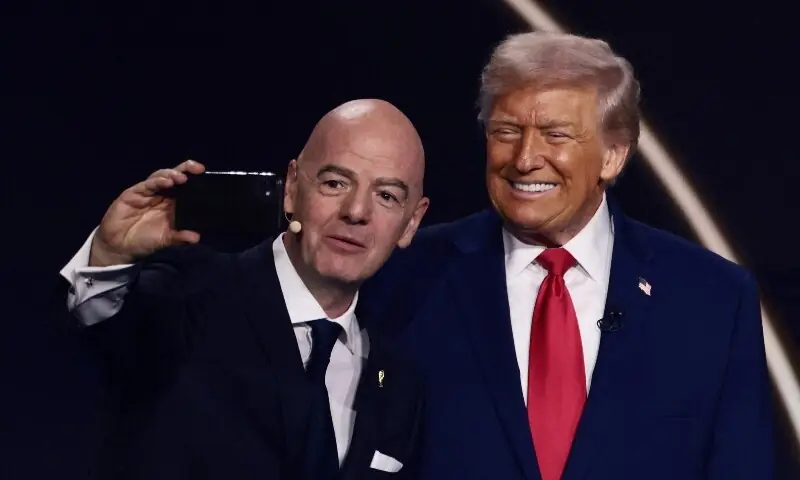
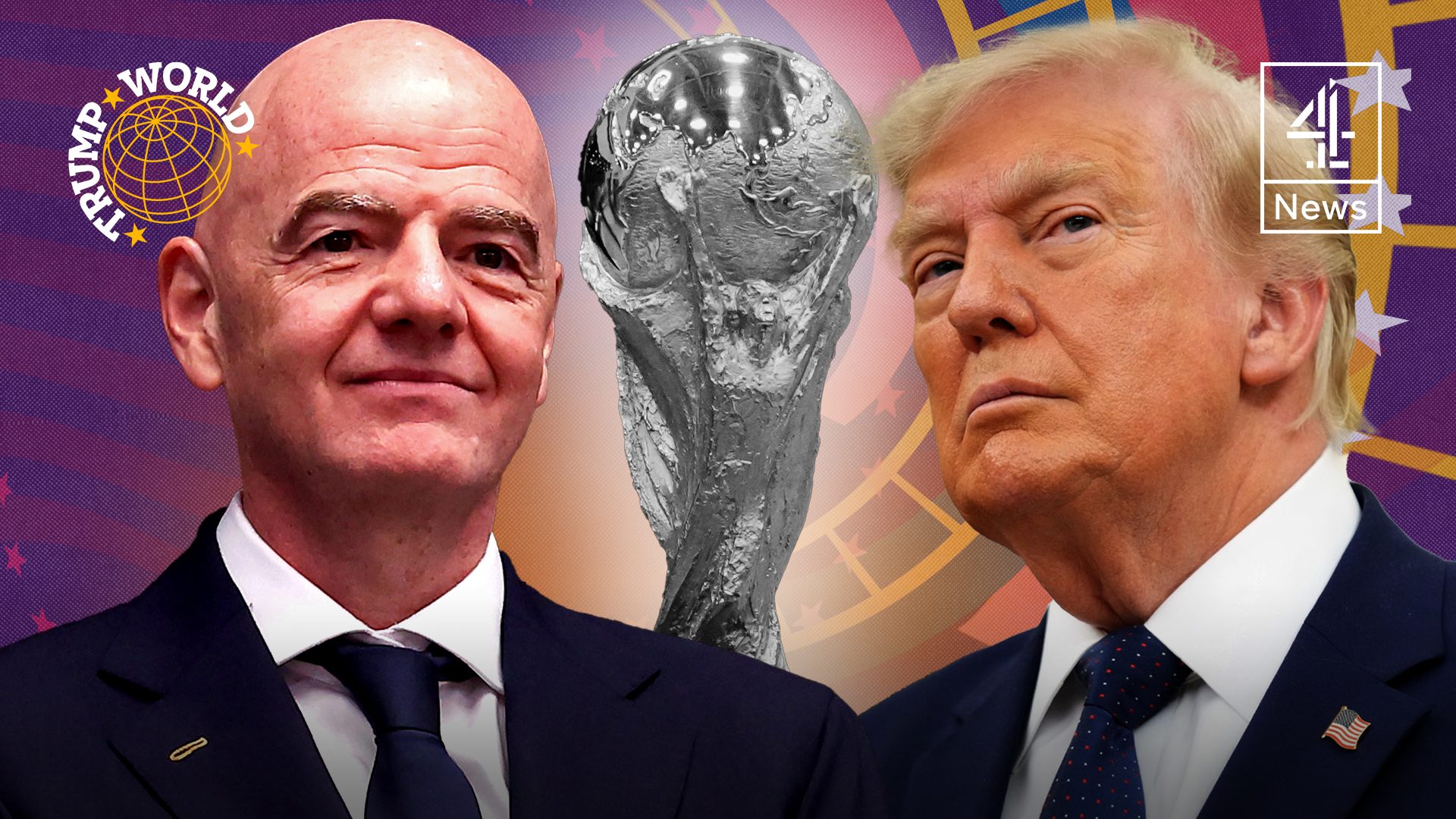
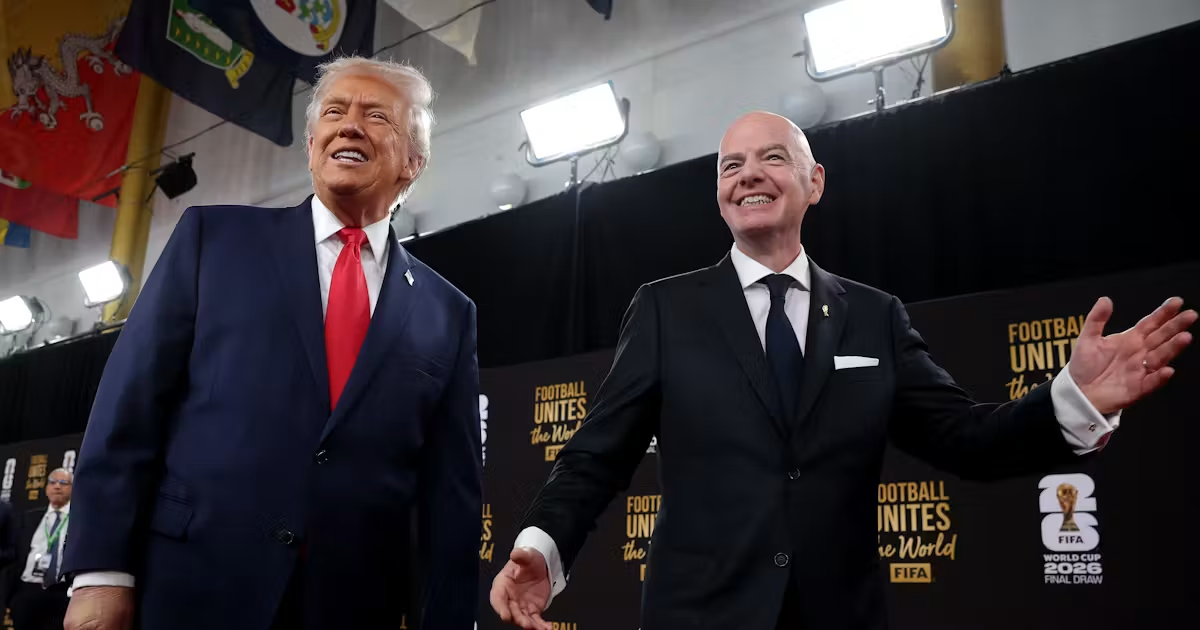
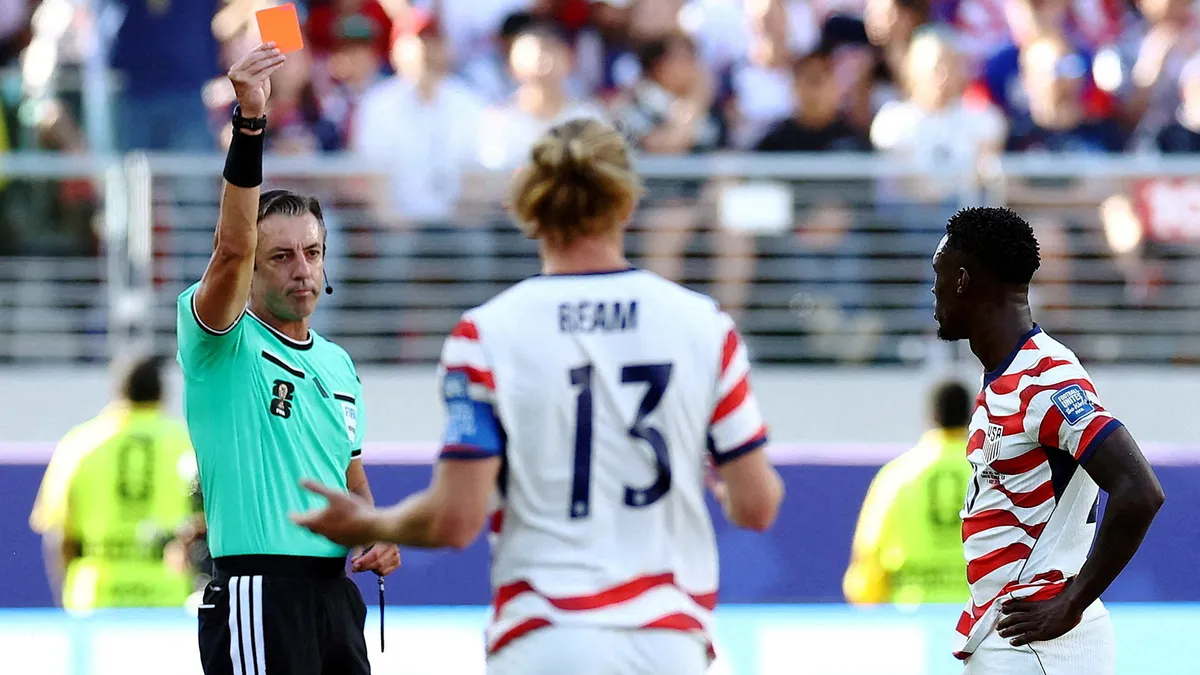
WASHINGTON – Another World Cup. Another FIFA controversy.President Donald Trump’s request that soccer’s international governing body review a controversial red card issued to a U.S. player sparked a global furor, but FIFA is used to scandals.FIFA has endured a series of overlapping corruption charges that span decades and have soiled the organization’s reputation. They include allegations of bribery, voting scandals, kickbacks, wire-fraud, money laundering and criminal conspiracies that landed some of the organization’s top leaders in prison.In the latest firestorm, Trump acknowledged he called FIFA President Gianni Infantino hours after the controversial red card issued to Folarin Balogun, the U.S. team’s top goal scorer and striker, during a World Cup match against Bosnia-Herzegovina on July 1. Trump has a cozy relationship with Infantino, who last year presented him with the inaugural FIFA Peace Prize after Trump was rejected for the Nobel Peace Prize he had sought.Four days after Trump’s call with Infantino, FIFA reversed Balogun's red card and suspension for the next U.S. World Cup match against Belgium. The U.S. team’s match against Belgium was scheduled for July 6 in Seattle.“I asked for a review because I didn't think it was a foul,” Trump told reporters in the Oval Office on Monday, July 6. “I thought it was two great athletes that crashed into each other and got entangled. That was not a guy punching somebody in the face or anything.”The Royal Belgian Football Association raised additional questions after it requested a copy of FIFA’s decision. FIFA said a judge had been appointed and that the Belgian soccer association had only a few hours to complete the appeal process.FIFA quickly dismissed the appeal just hours before the U.S.-Belgium match, clearing the way for Balogun’s return. RBFA warned it would protest his appearance on a lineup card later in the day. “The RBFA is deeply concerned by the course of events and will continue to fight in the coming hours, days and months in defence of the fundamental principles of ethics, fair competition, and the interests of football as a whole,” the organization said in a statement.FIFA’s history is soaked in controversies. Here’s a look at some of the biggest:Red cards emerge from early controversyThe concept of yellow and red cards spawned from a FIFA controversy in 1966 known as “The Wembley Debacle.” A German referee sent off the captain of the Argentine squad, who refused to leave. The chaotic match, full of tackles and spitting, led to a $150 fine. As a direct result, cards were implemented in 1970. Kickbacks as game expandsThe commercialization era for FIFA exploded from 1974 to 1998 under the leadership of João Havelange. Money from TV rights and marketing flooded the organization’s coffers but led to allegations of kickbacks and vote-trading for nations to host a World Cup. During this time, the World Cup finals expanded from 16 teams to 24 in 1982 and then to 32 in 1998.The organization faced a financial reckoning in 2001 when the marketing firm International Sport and Leisure collapsed, exposing illicit payments to sports officials from FIFA.The next year, FIFA’s Secretary-General Michel Zen-Ruffinen accused past FIFA president Sepp Blatter of misleading accounting practices and conflicts of interest – the first internal governance warning signs that would play out for years.Arrests and court convictionsFIFA would face probably its biggest scandal in 2015 when the U.S. Department of Justice unsealed a 47-count indictment in Brooklyn charging 14 defendants in a sprawling racketeering, wire fraud and money laundering operation. Swiss authorities arrested defendants in Zurich.Blatter eventually stepped down, and FIFA Secretary-General Jérôme Valcke was suspended. FIFA pledged reforms, banned Valcke, fired other executives, and other former officials were convicted in U.S. courts and served prison time.Controversies in Russia, QatarIn 2010, FIFA awarded the 2018 World Cup to Russia and the 2022 World Cup to Qatar. Later investigations revealed six FIFA executive committee members had been suspended before the vote after being offered cash for votes.