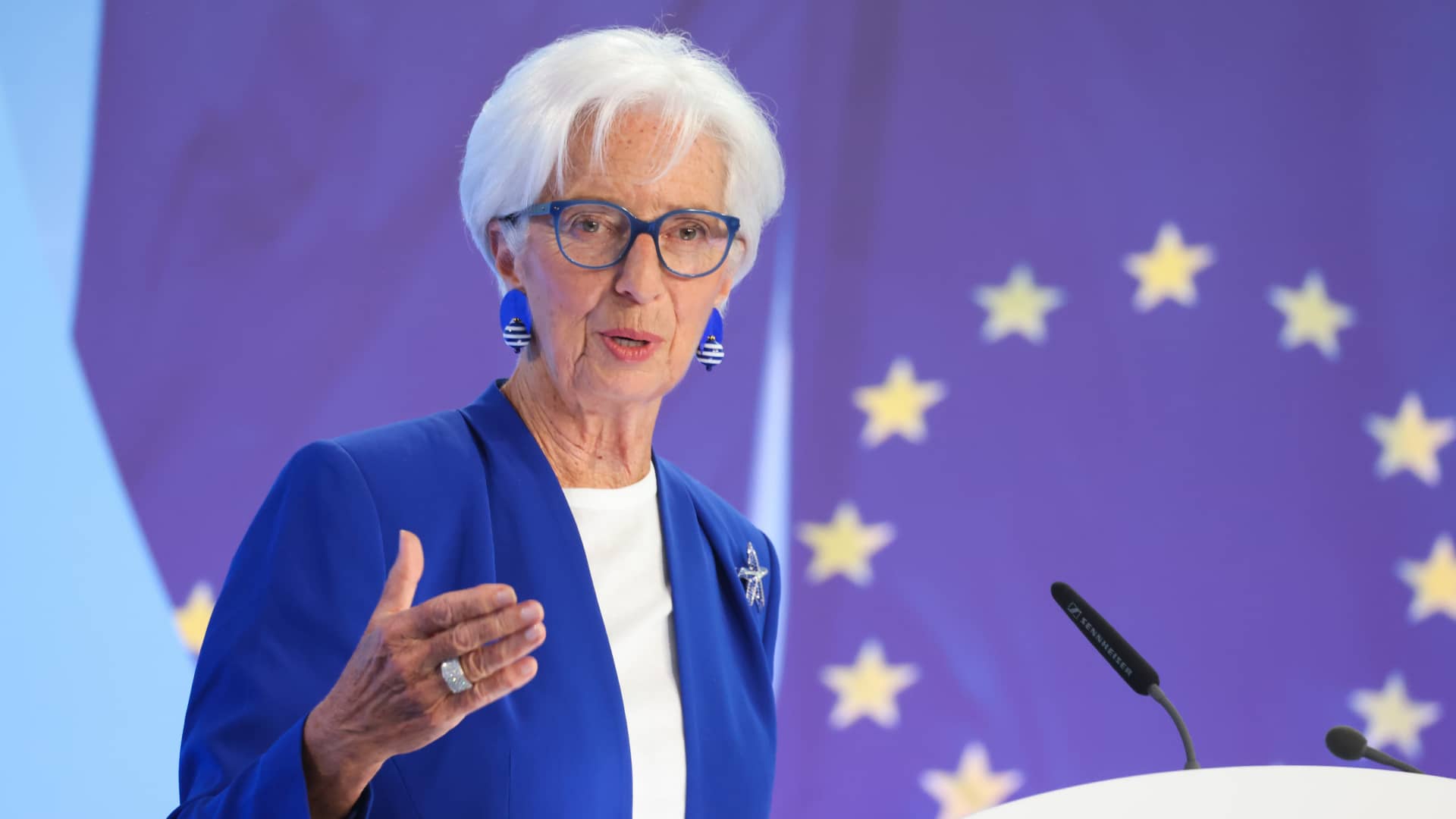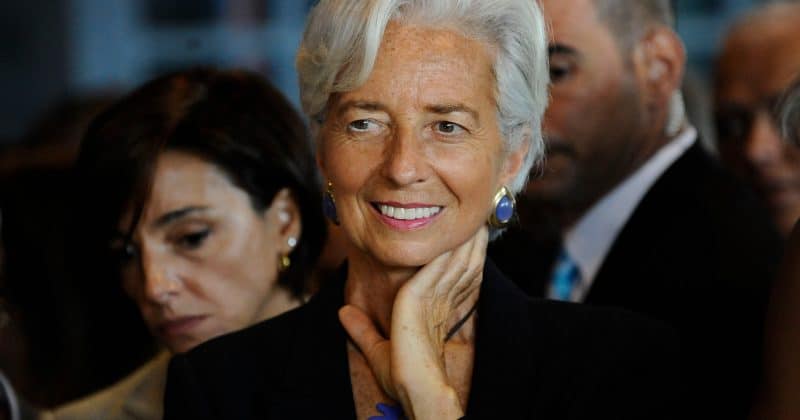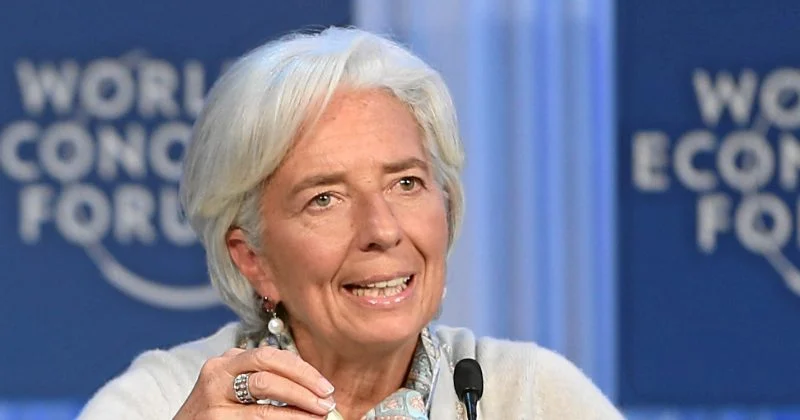
The European Central Bank is keeping one eye on a familiar threat. At the ECB and Its Watchers conference on March 25, 2026, ECB President Christine Lagarde warned that firms and workers across the euro area are likely to respond more quickly to rising energy costs than they did during the 2021-22 shock. The reason is simple: people remember what happened last time.
That collective memory of runaway inflation changes the math. When businesses and employees expect prices to keep climbing, they act faster, raising prices and demanding higher wages before the full pressure even arrives. In economic terms, that is how a supply shock becomes a wage-price spiral.
Why this time is different from 2022
During the 2022 energy crisis, gas prices in Europe soared to around €340 per megawatt hour. Today, in early 2026, prices sit near €60. That is a dramatically smaller starting shock, and Lagarde acknowledged that the initial pass-through of energy costs to consumer prices is likely to be more limited as a result.
Euro area headline inflation measured 1.9% in February 2026, just a hair below the ECB’s 2% target. Compare that to the over 5% inflation rate during the peak of the 2022 crisis.