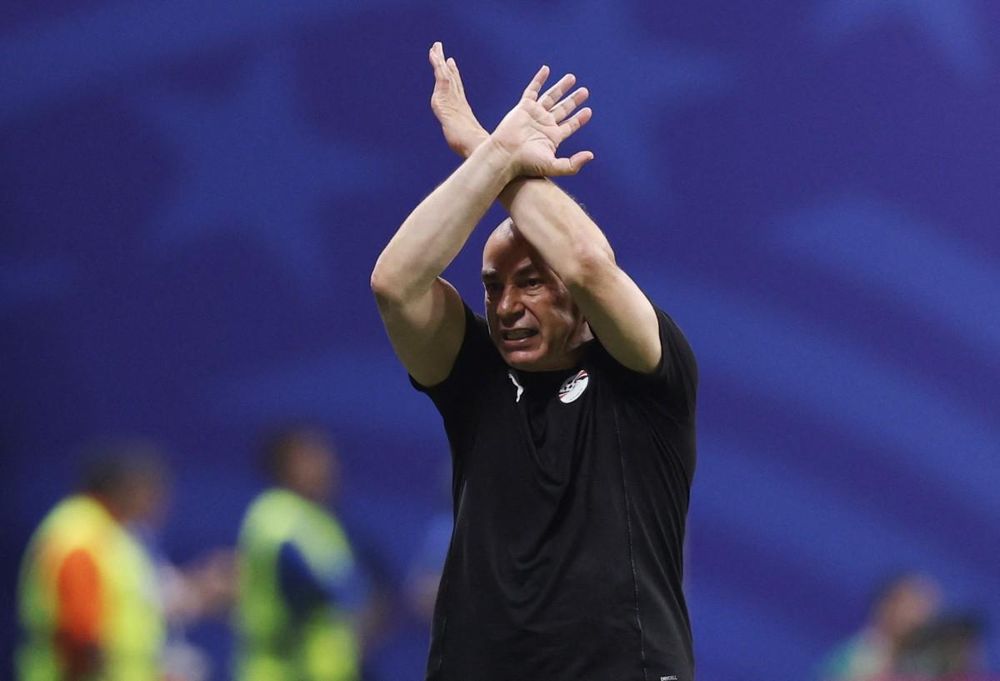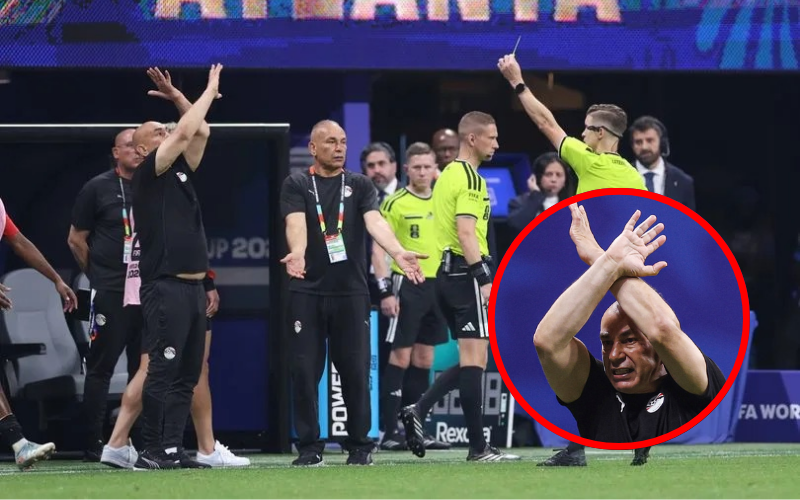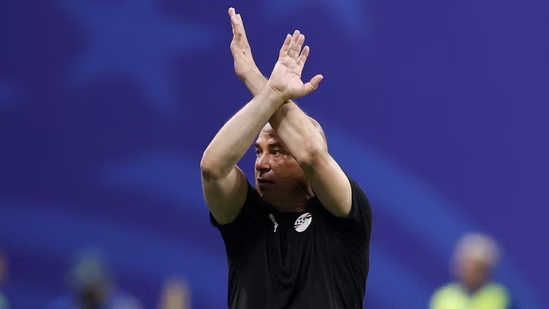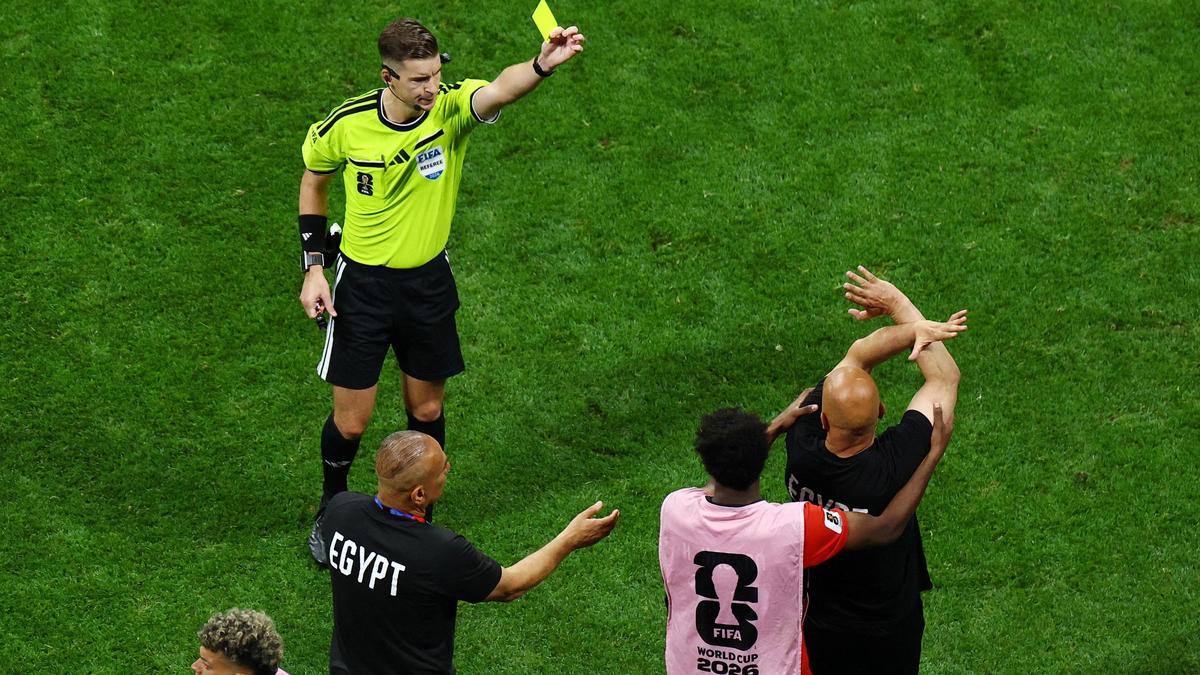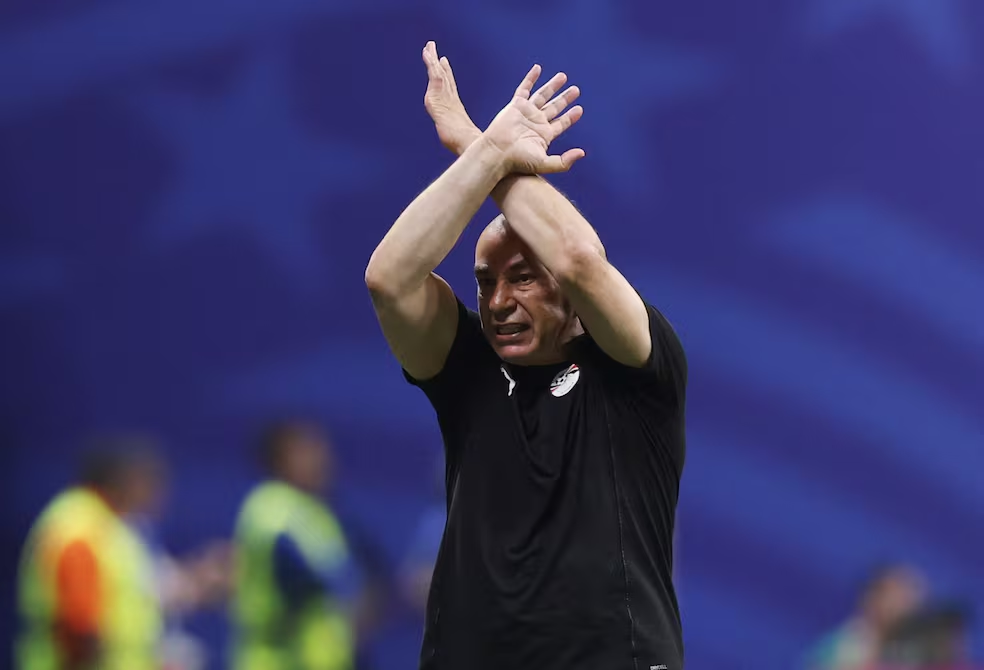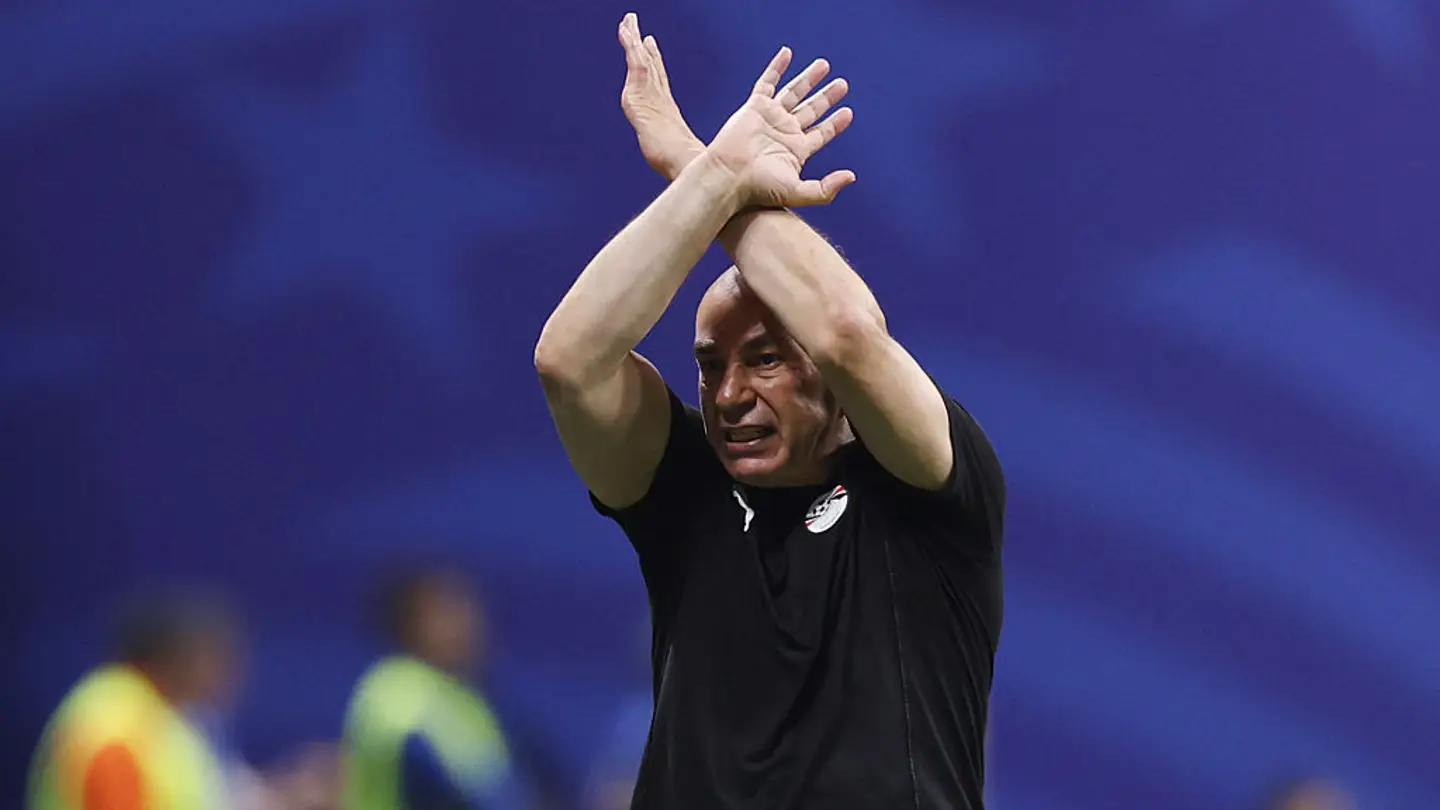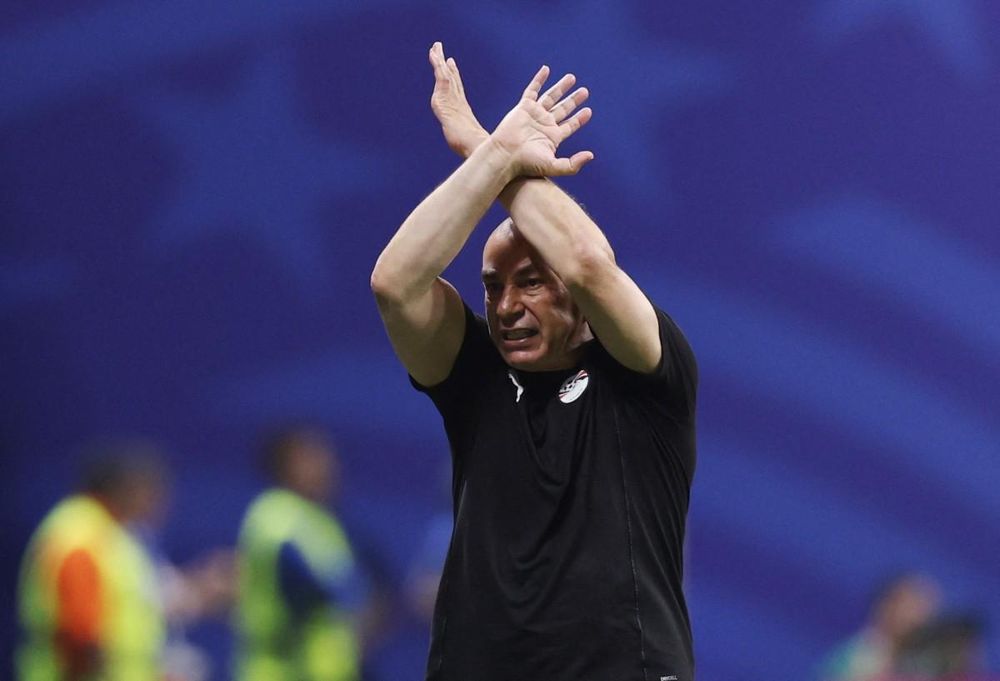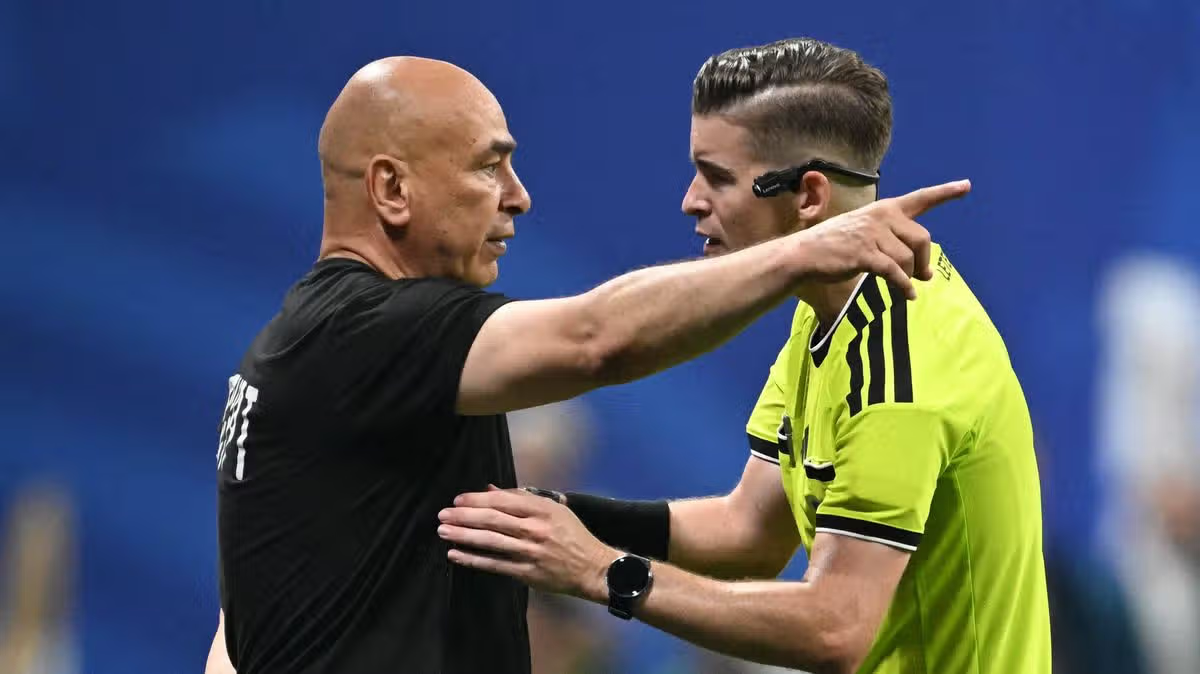
Egypt’s head coach Hossam Hassan crossed his forearms in front of French referee François Letexier during a heated World Cup Round of 16 loss to Argentina on July 7. It was the first time anyone had deployed FIFA’s official anti-racism “X” gesture in a World Cup match. He got a yellow card for it.
Argentina and Egypt played a tense, chaotic Round of 16 match that ended 3-2 in favor of the South Americans. Throughout the match, Egyptian players and staff grew increasingly frustrated with referee Letexier’s decisions. A goal for Egypt was disallowed. Penalty appeals were waved away.
Hassan had already picked up a yellow card earlier for confronting Letexier directly. Then, late in the match, he made the “X” gesture, crossing his forearms in what FIFA officially designates as its anti-racism signal. He received a second yellow card for it. A member of Egypt’s coaching staff was also sent off in the dying minutes.
FIFA introduced the crossed-arms gesture globally in 2024 as part of its protocol to combat racist abuse during matches. The signal is supposed to trigger a formal response from officials when players, coaches, or staff experience racism on the field. Hassan’s use of it during a dispute over officiating, rather than in response to crowd abuse, has sparked fierce debate about the gesture’s intended scope and whether its deployment was appropriate in this context.