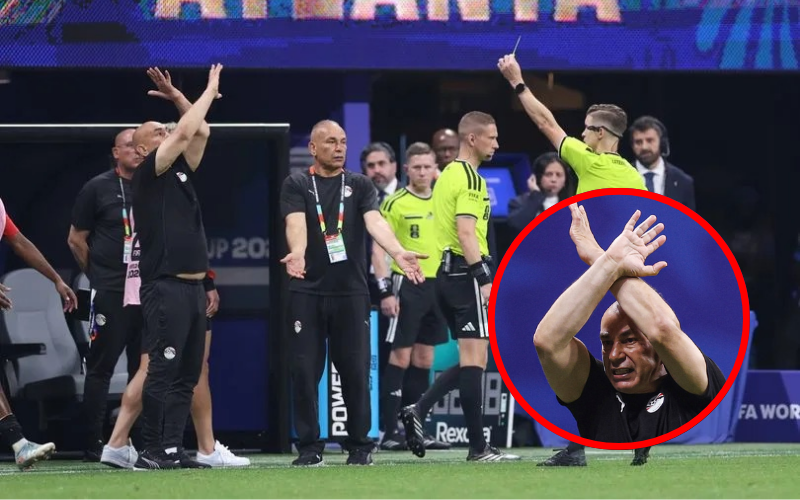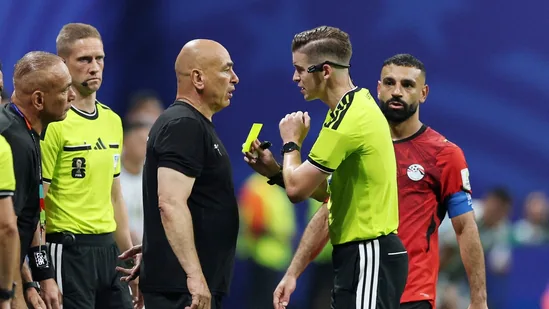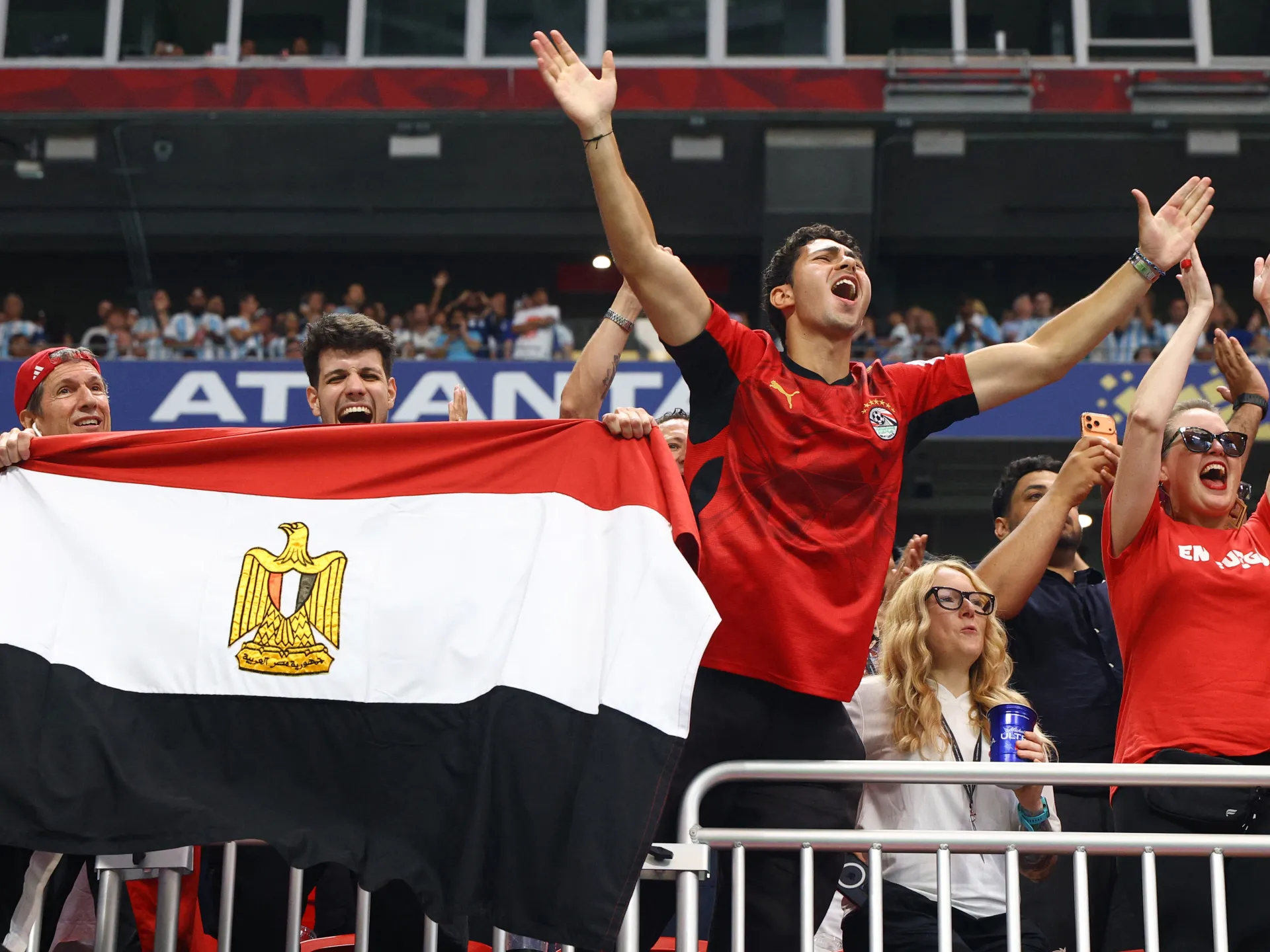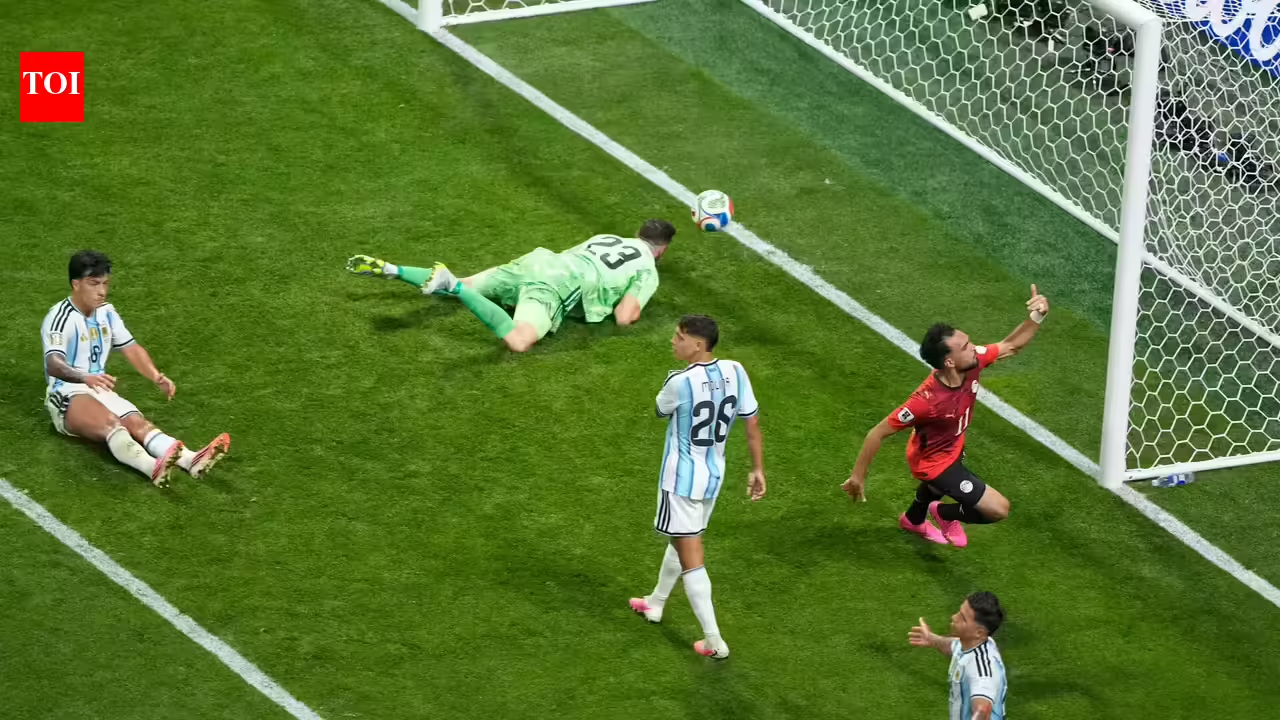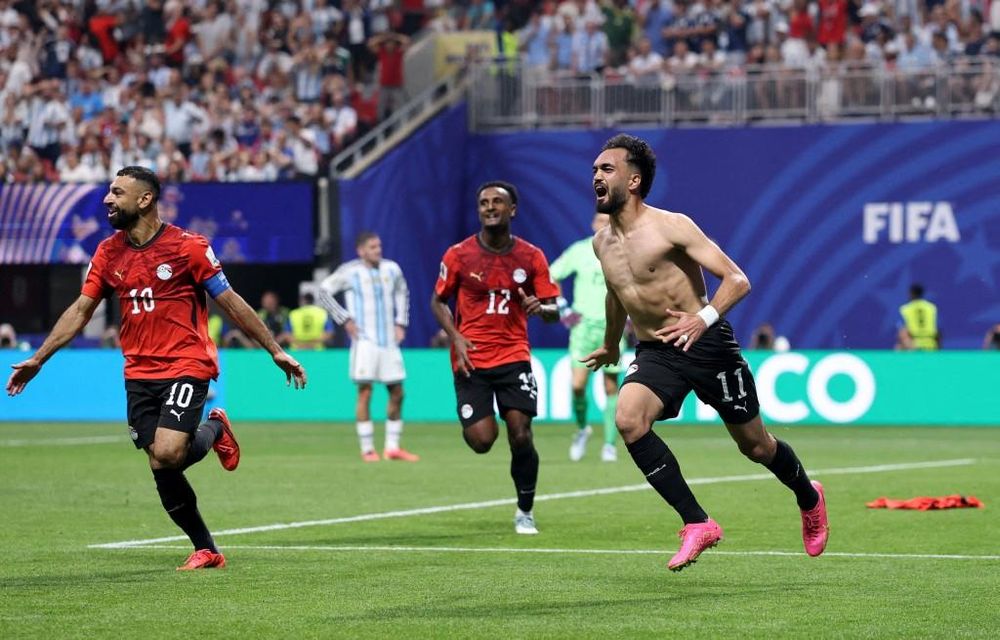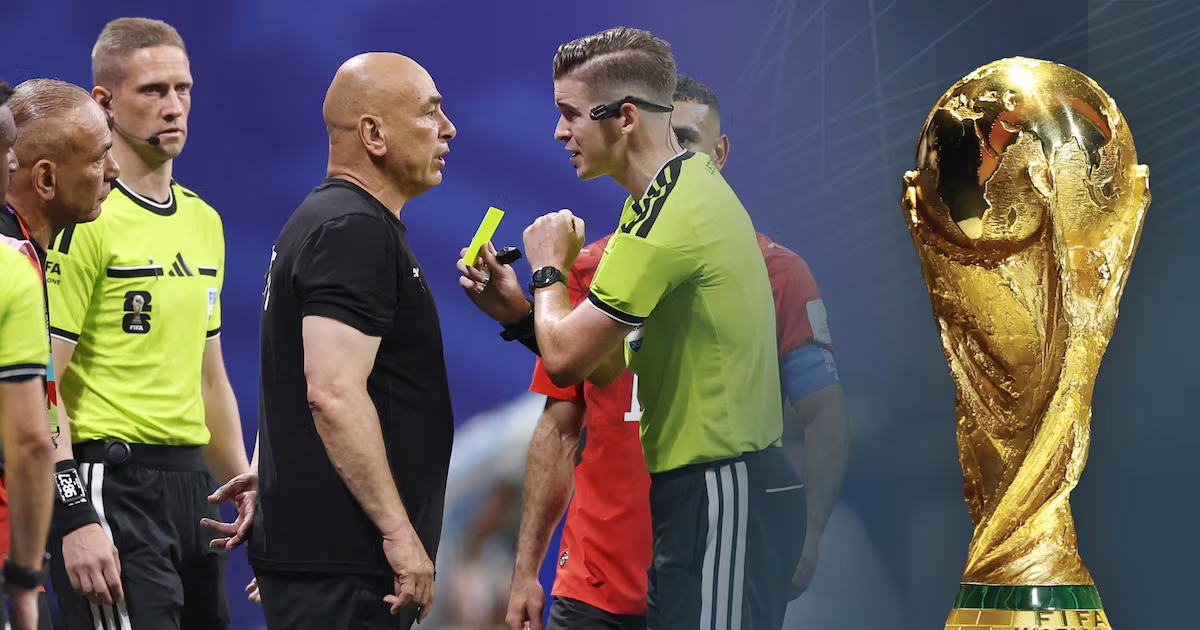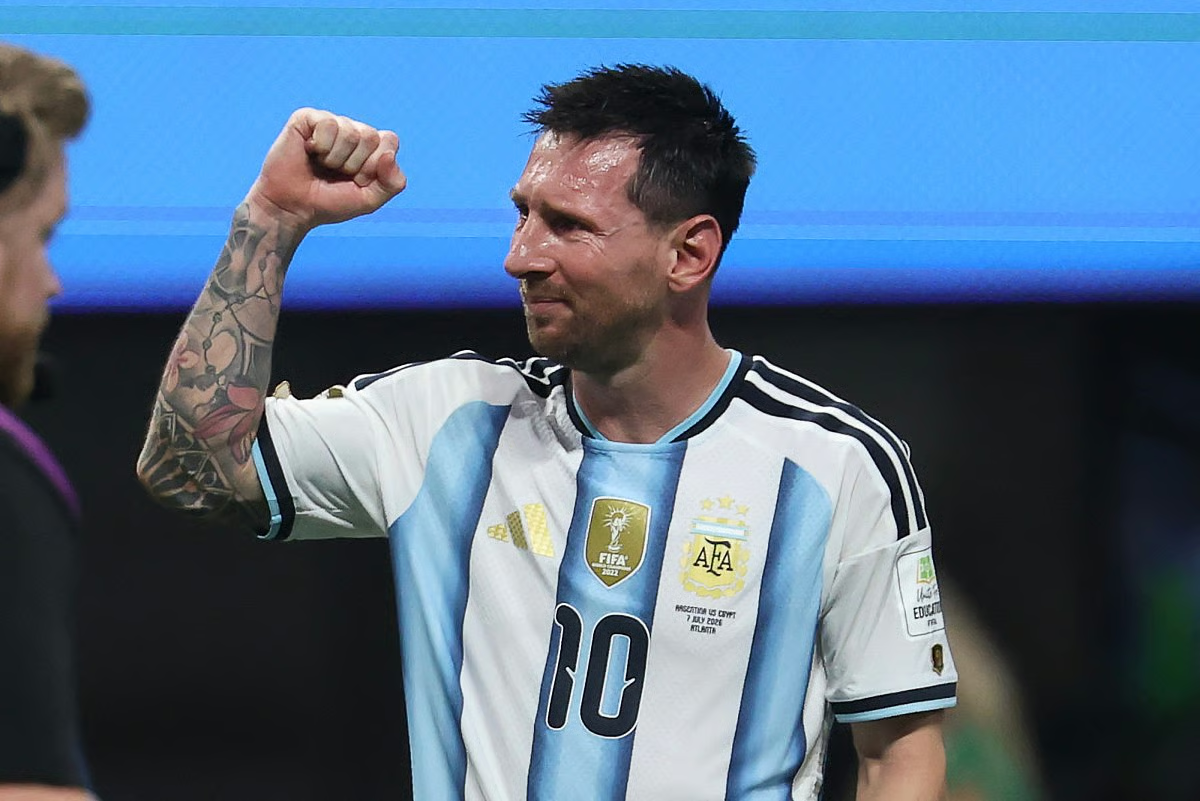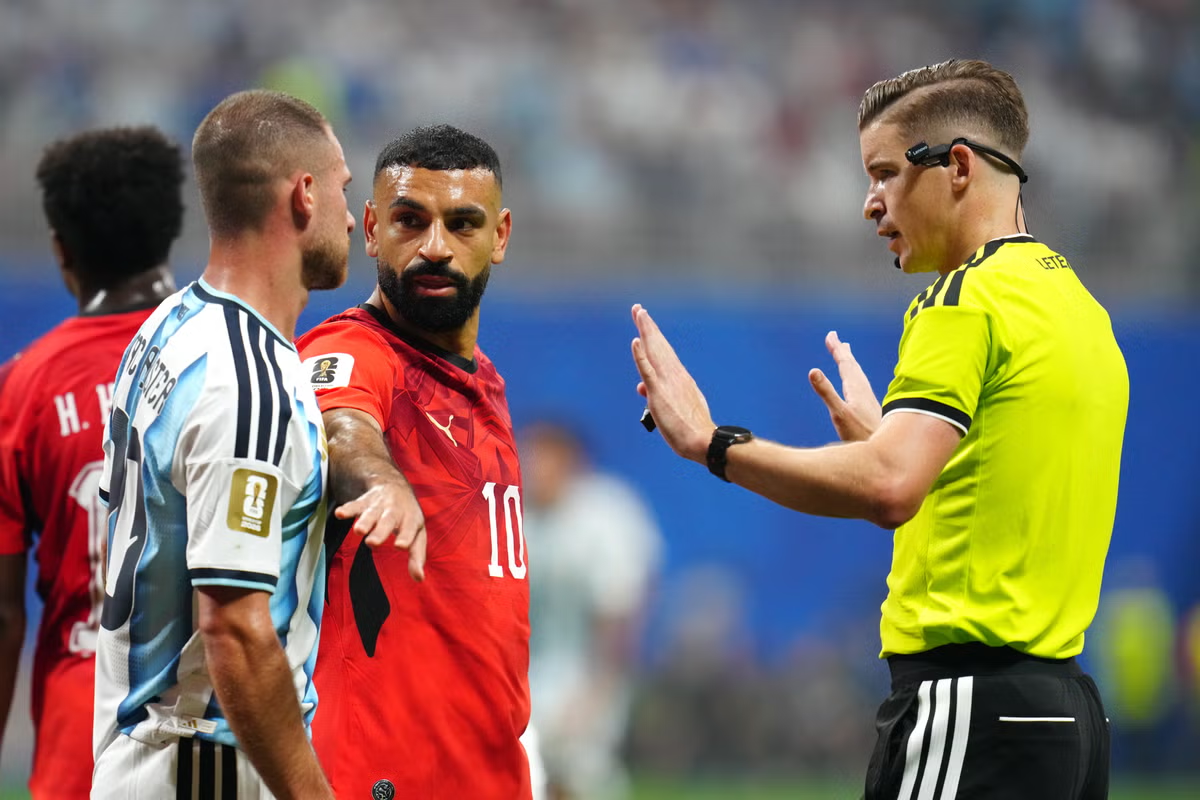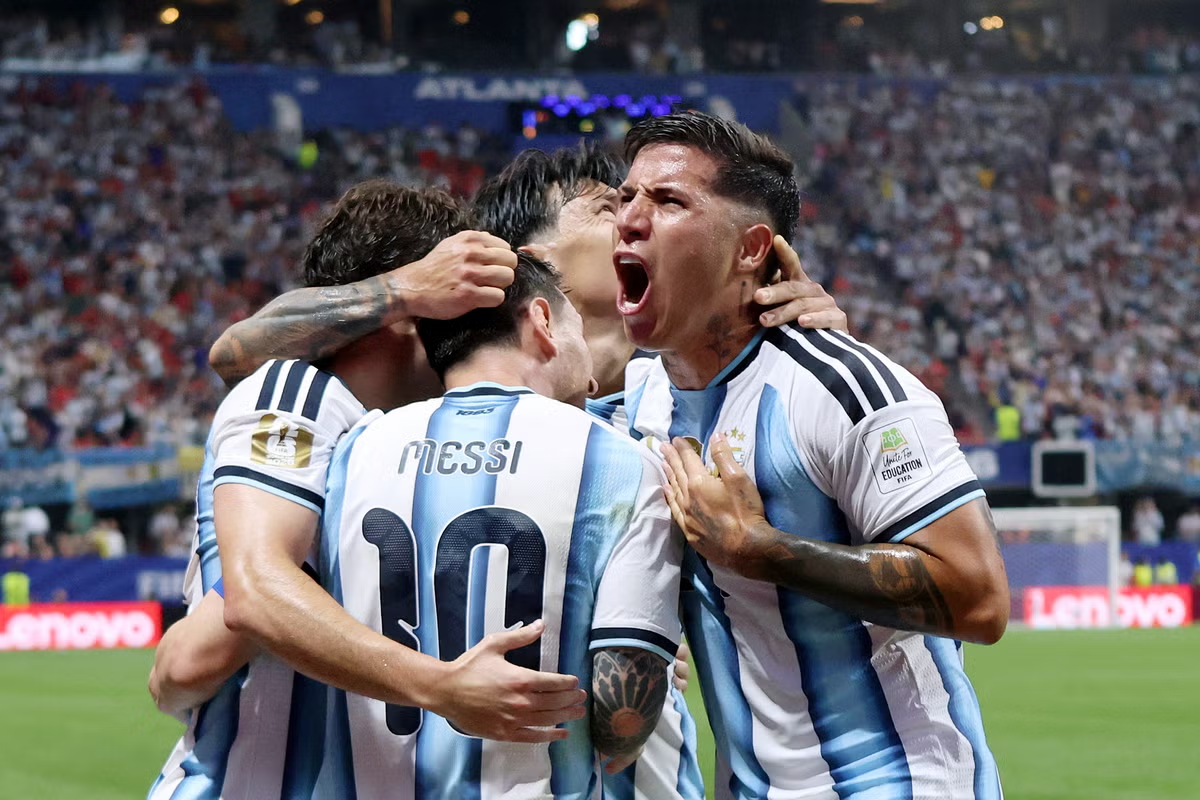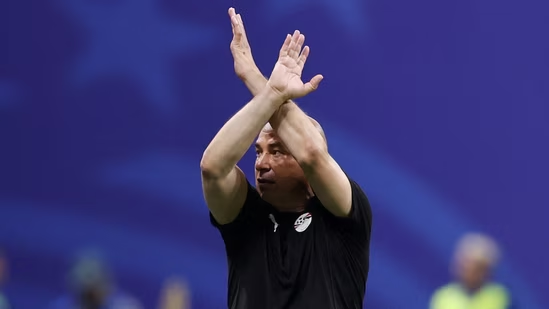
Egypt came within minutes of pulling off one of the biggest upsets of the FIFA World Cup before a dramatic collapse against defending champions Argentina. Leading 2-0 after a VAR review had controversially ruled out an earlier goal, the Pharaohs looked set for a famous victory. But Lionel Messi sparked Argentina's comeback before Enzo Fernandez scored a last-gasp winner to seal a 3-2 victory in the final 13 minutes.Egypt coach Hossam Hassan reacts during the FIFA World Cup 2026 Round of 16 match between Argentina and Egypt at Atlanta Stadium on July 07, 2026 in Atlanta, Georgia (AFP)The match, however, generated as much attention for what happened on the touchline as for the comeback itself. As the final whistle approached, Egypt head coach Hossam Hassan turned to French referee Francois Letexier, raised his wrists and crossed his arms to form an "X" — a gesture introduced by FIFA in 2024 to report discriminatory abuse during matches.Why did Hassan make the gesture? What does it mean, and what is supposed to happen once it is shown? Here's what to know.What is the X gesture in Fifa?Hassan was deploying Fifa’s newly established, universal signal to report discriminatory abuse in real-time.Under Fifa's anti-racism framework, the crossed-arms "X" signals that a player, coach or team official has witnessed or experienced racist abuse during a match.Introduced by Fifa in 2024, the gesture serves as an emergency alert that, once recognised by the referee, can trigger football's three-step anti-discrimination protocol.What happens after the X is shown?Once someone makes the X gesture and the referee acknowledges the signal, football's universal anti-discrimination protocol mandates a strict three-phase response system:Stop the match: The referee halts play and a stadium announcement warns that discriminatory behaviour has been reported and must stop.2. Suspend the match: If the abuse continues, the referee suspends play, sends the players to the dressing rooms and issues a final warning to spectators.3. Abandon the match: If the abuse persists after the restart, the referee can abandon the match following consultation with tournament officials and security personnel.In the Egypt vs Argentina match, however, that process was never activated. Instead, Hassan was shown a yellow card.Fifa has not explained whether officials believed the gesture was being used for a different purpose or concluded that the conditions for invoking the protocol had not been met.When the ‘X’ was introducedThe proposal was approved unanimously by Fifa's 211 member associations during the 74th Fifa Congress in Bangkok in May 2024 as part of Fifa's "Global Stand Against Racism" initiative.The gesture was first used officially at the 2024 Fifa U-20 Women's World Cup in Colombia before being introduced across Fifa competitions, including the expanded 2026 World Cup.Fifa President Gianni Infantino described it as a "global standard gesture" that empowers players to report racism during matches.Why Egypt's coach showed the XSpeaking later to beIN Sports, Hassan said Argentina received favourable treatment because they were the defending champions."Perhaps they wanted to keep the world champions in the competition? Perhaps they wanted Lionel Messi to stay in the running? In football, there are sometimes external factors that go beyond the technical aspects. The world champions benefited from support at every level."I told the referee that what was happening wasn't fair. It's an undeserved victory for Argentina. Once I'm back home, I'll never watch the World Cup again because there's no justice in this competition."Egypt forward Mostafa Ziko also said the same and alleged that the referee denied Egypt a historic victory.Football players who faced racismFootball has witnessed repeated incidents of racist abuse despite years of anti-racism campaigns.In 2018, former Germany midfielder Mesut Ozil retired from international football, saying he had faced racism and discrimination over his Turkish heritage. Ozil met Turkish President Recep Tayyip Erdogan ahead of the World Cup which drew flak in Germany.Following Germany's group-stage exit from the tournament, Ozil said he had been unfairly made a scapegoat and claimed he was treated differently because of his background. "I am German when we win, but I am an immigrant when we lose," he wrote in an open letter. He added that he also received racist abuse from fans, including slurs targeting his Turkish heritage.In 2019, England players Raheem Sterling and Tyrone Mings were subjected to monkey chants and racist abuse during a UEFA Euro 2020 qualifier against Bulgaria national football team in Sofia. The referee halted play twice under UEFA's anti-racism protocol.In the UEFA Euro 2020 final, following England's defeat to Italy, Bukayo Saka, Marcus Rashford and Jadon Sancho became the targets of racist abuse after missing penalties in the shootout. Social media was flooded with racial slurs, monkey emojis and other racist messages directed at the three Black players. Rashford's mural in Manchester was later defaced with racist graffiti.In 2024, Morocco captain Achraf Hakimi became the target of racist and Islamophobic abuse on social media after Argentina's defeat to Morocco in the group stage of the Olympic football tournament. Hakimi was again subjected to similar racist and anti-Muslim comments from some Spanish fans after Morocco knocked Spain out in the quarter-finals.
Egypt's World Cup heartbreak ends with an 'X' against Argentina. What the gesture means
Once someone makes the X gesture and the referee acknowledges the signal, football's universal anti-discrimination protocol mandates a strict 3-step response. | World News
839 words~4 min read