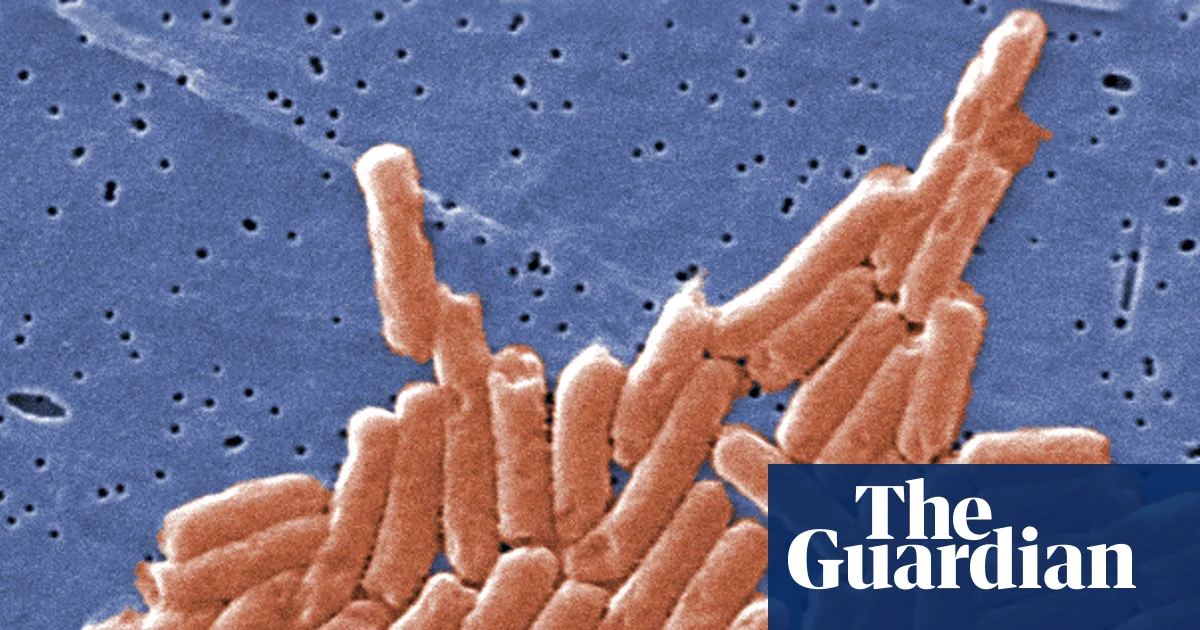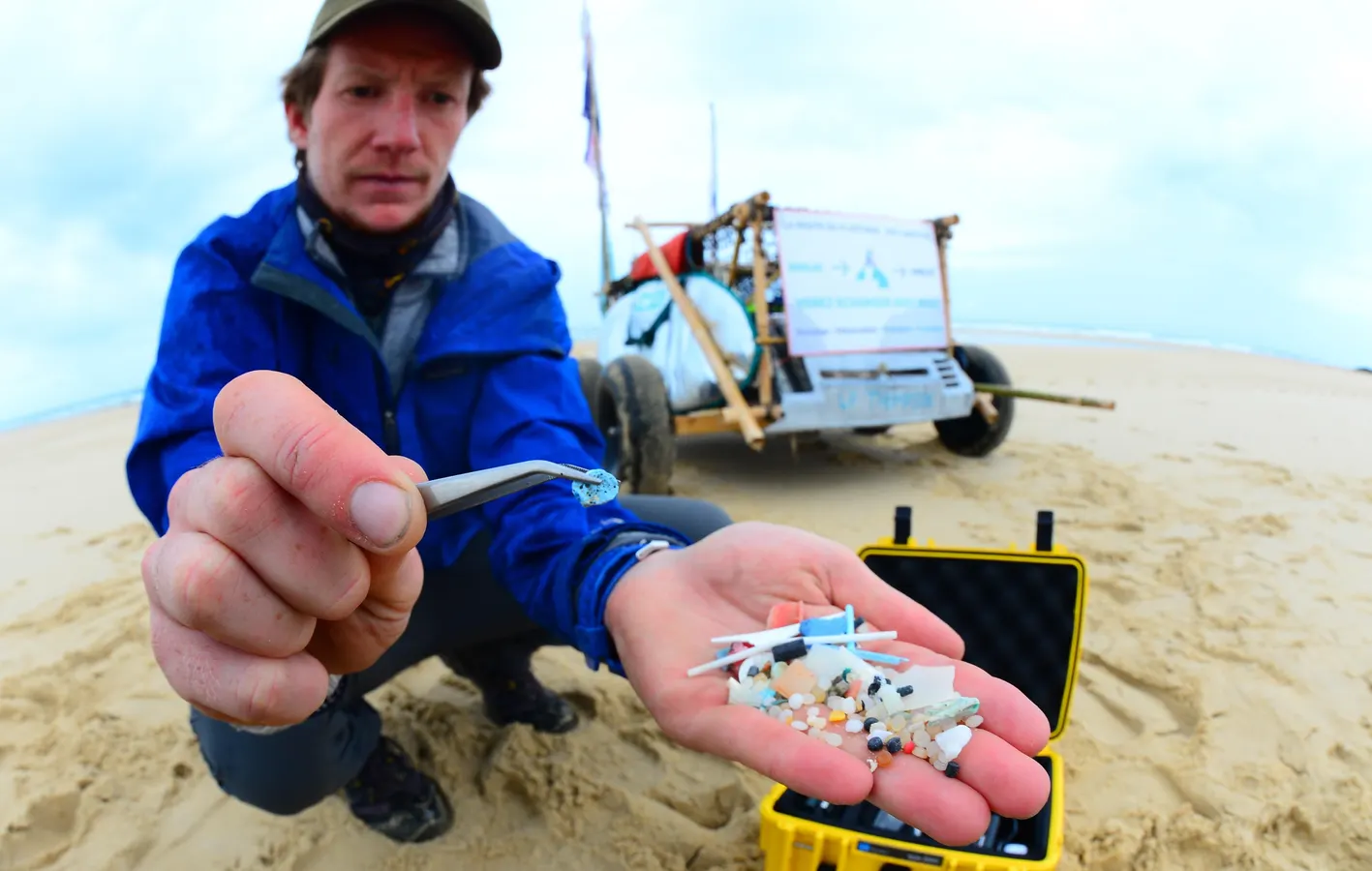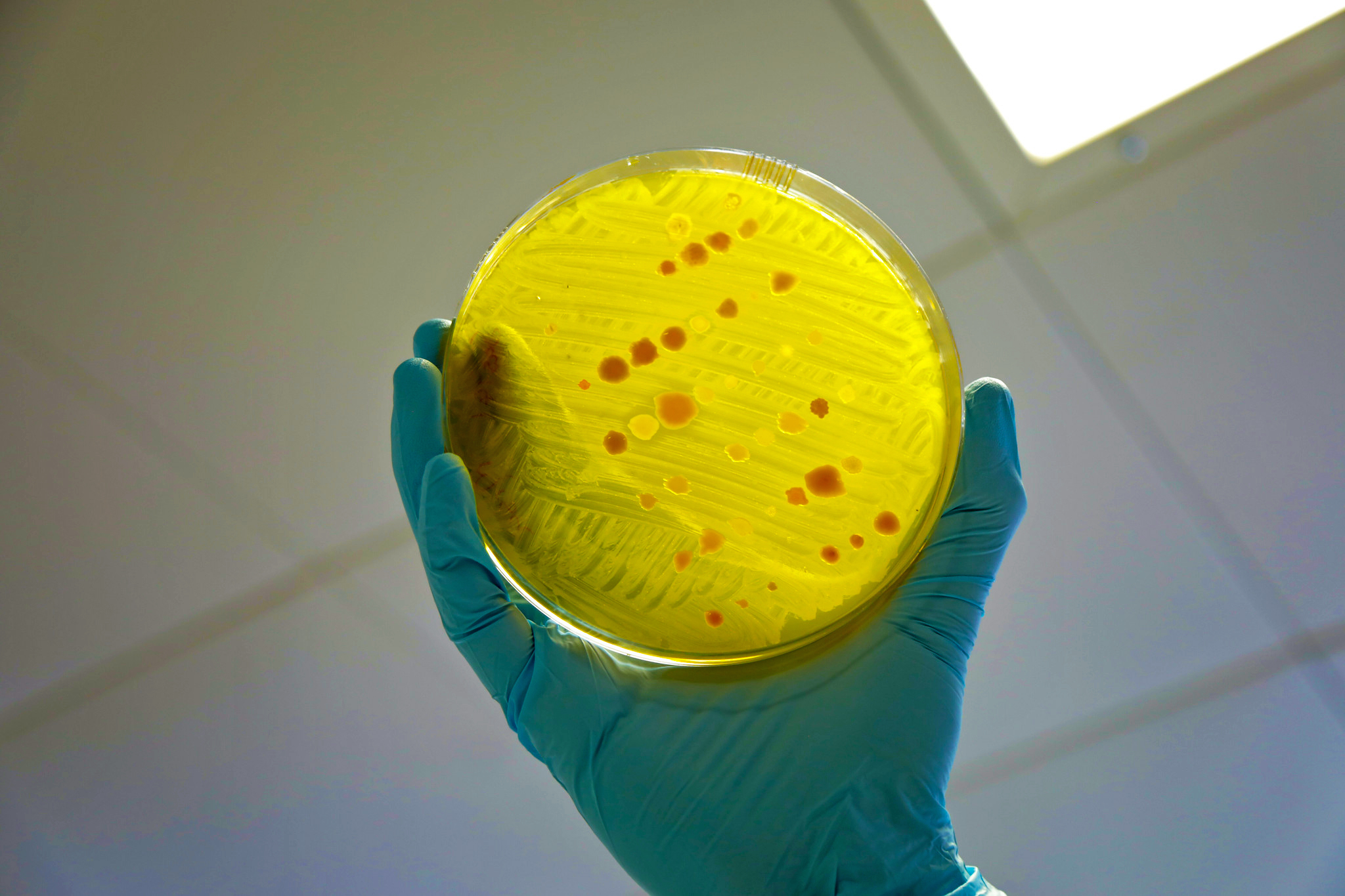
Plastic pollution and drug-resistant infections are usually regarded as separate global crises. But emerging research suggests links between them: Microplastic particles in the environment are colonized by bacteria, and those bacteria develop antibiotic resistance at an unprecedented rate.Studies have found that bacteria exposed to microplastics develop enhanced resistance to antibiotics. Microplastics actively promote the formation of biofilms, communities of bacteria that stick to each other on a surface. These protect the bacteria and aid the development of drug-resistance genes. They also encourage resistance genes to spread from one bacterium to another.In high-income countries, drug-resistant infections are often overcome with medical care. Yet in low- and middle-income nations, where sanitation facilities and wastewater treatment plants are less available, infections resistant to antibiotics are prevalent and often fatal. Plastic waste is also rampant in many such nations.Research into the link between microplastics and drug resistance is ongoing, but action is needed now, say experts. Limiting opportunities for bacteria, antibiotics and microplastics to mix with each other, via better wastewater management and surveillance of drug-resistant strains, may be the best hope.
Microplastic pollution can fuel rise in antibiotic resistance, studies find
Plastic pollution is among the gravest environmental crises facing humanity. Plastic production since 1950 has exceeded 8,300 million metric tons, with most plastic waste ending up in the environment, affecting wildlife, ecosystem functionality, and human health. Simultaneously, the ability of disease-causing bacteria to withstand one or more antibiotics (known as antimicrobial resistance, or AMR) has […]
3,404 words~15 min read