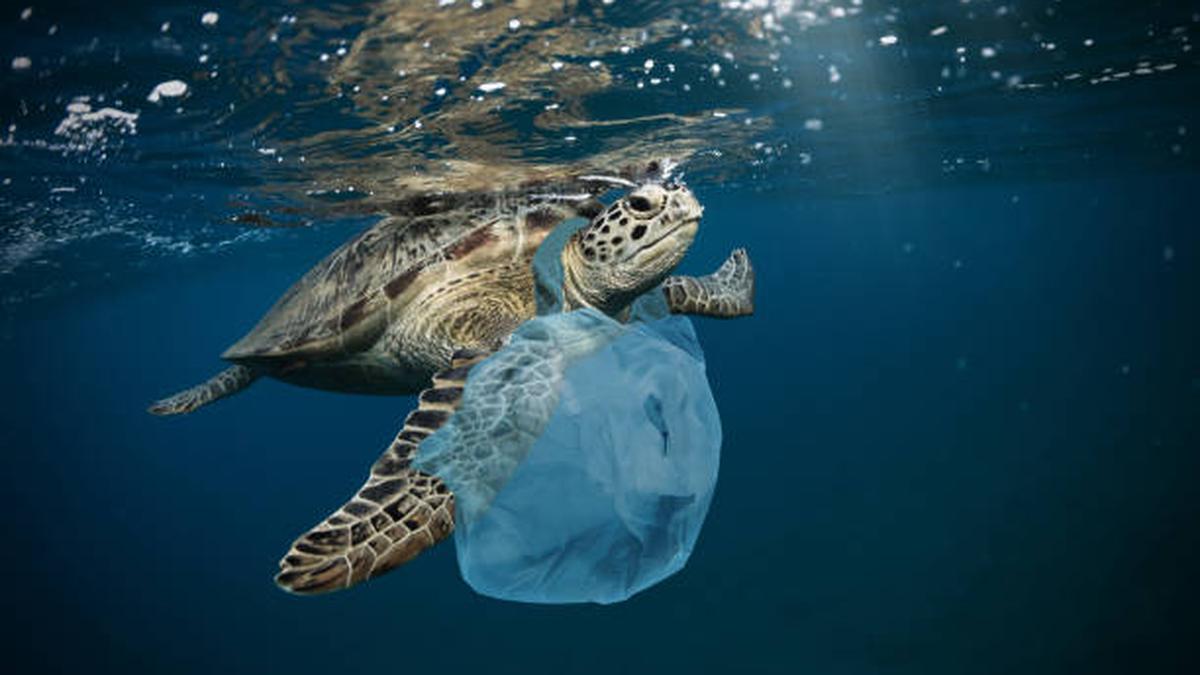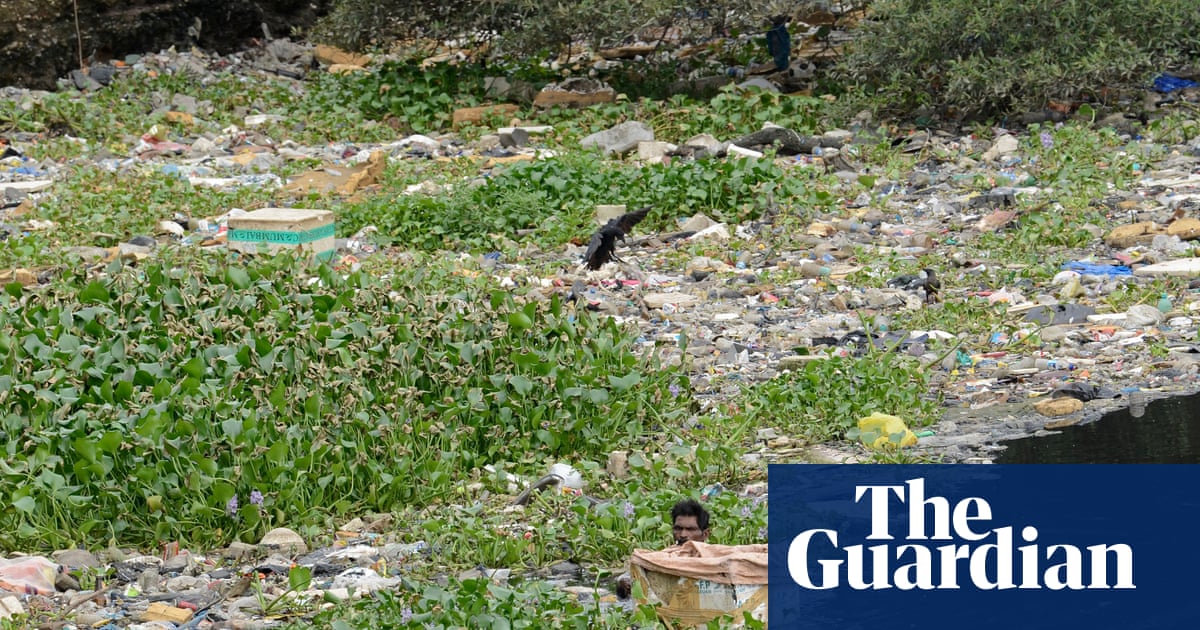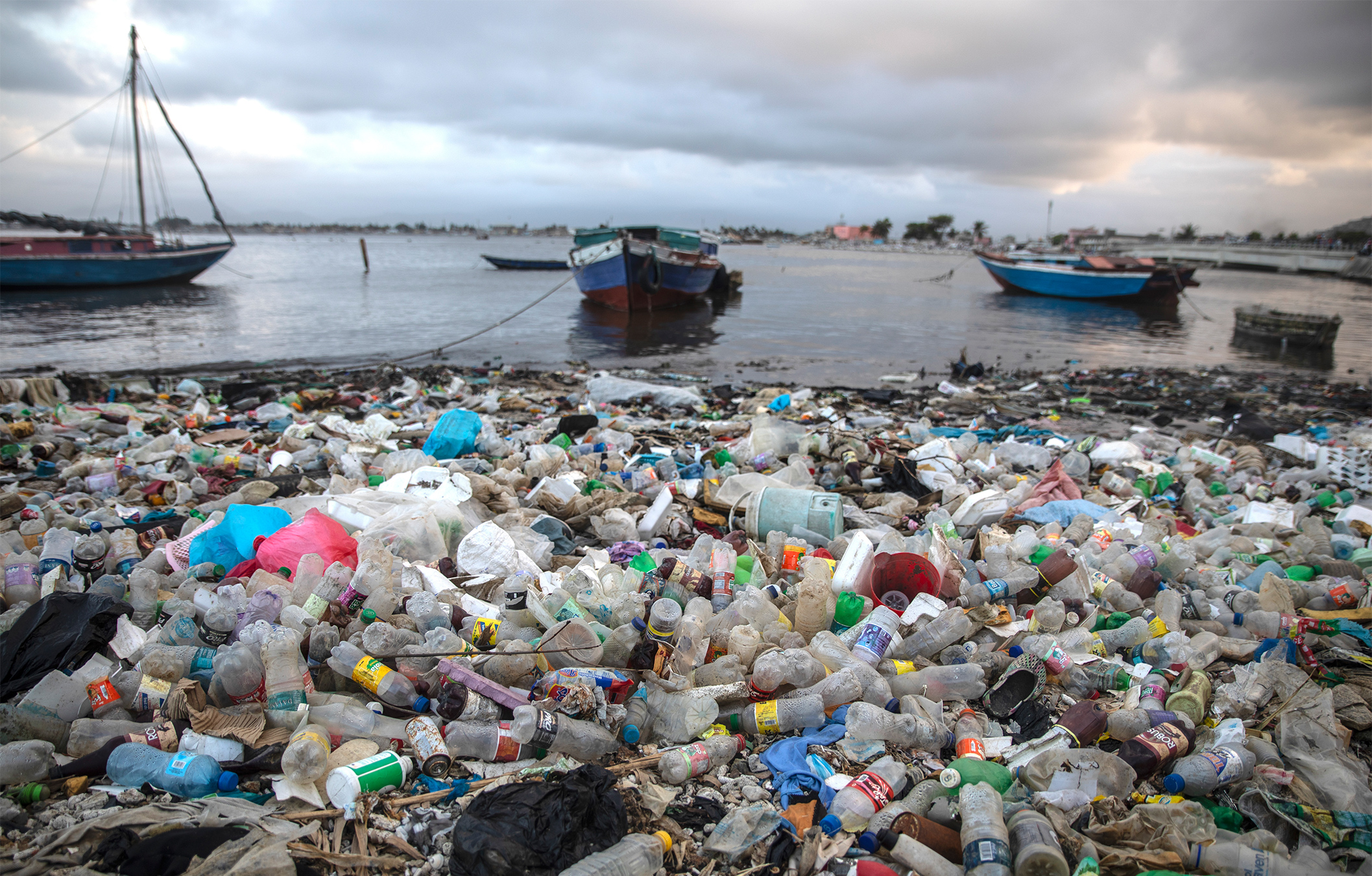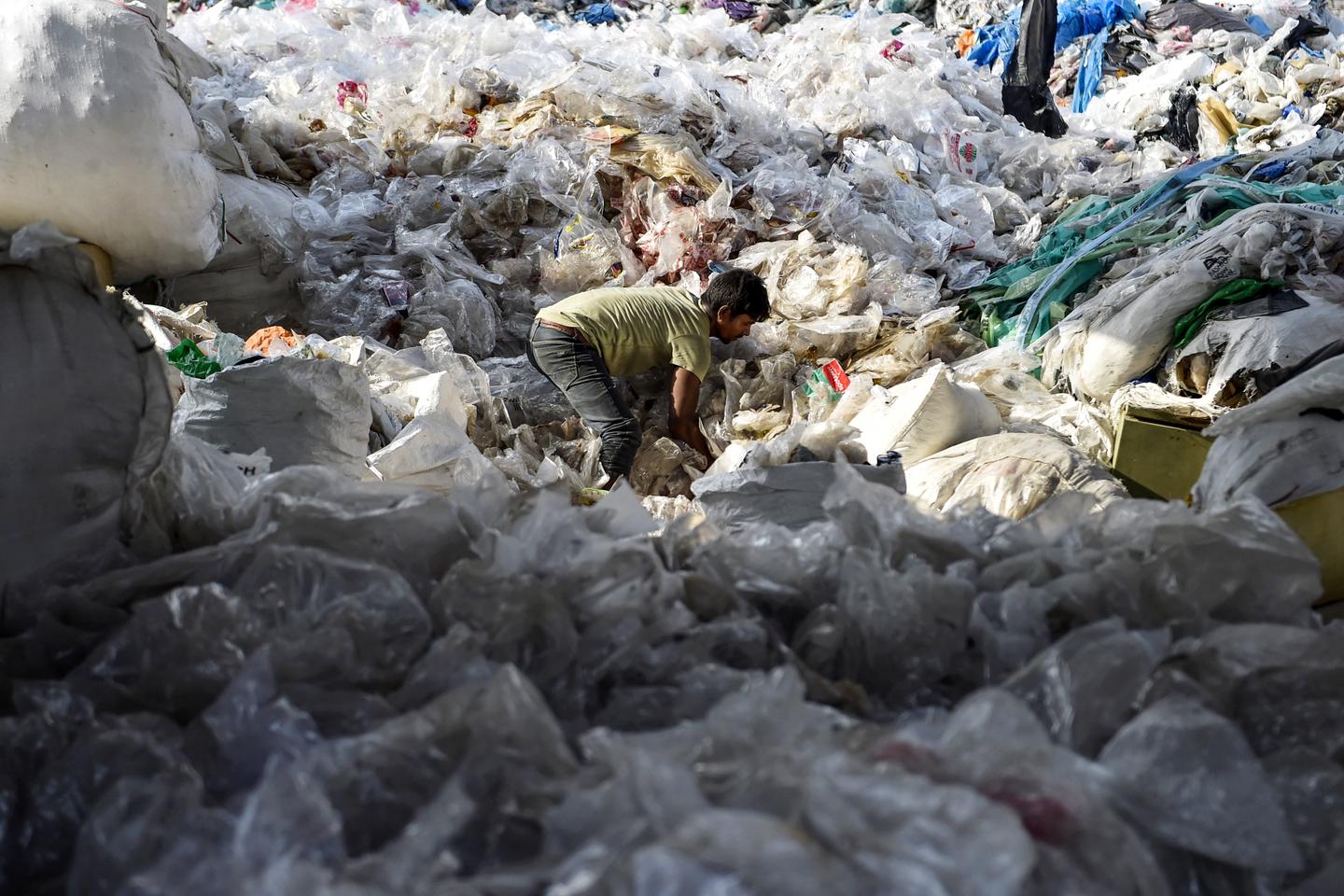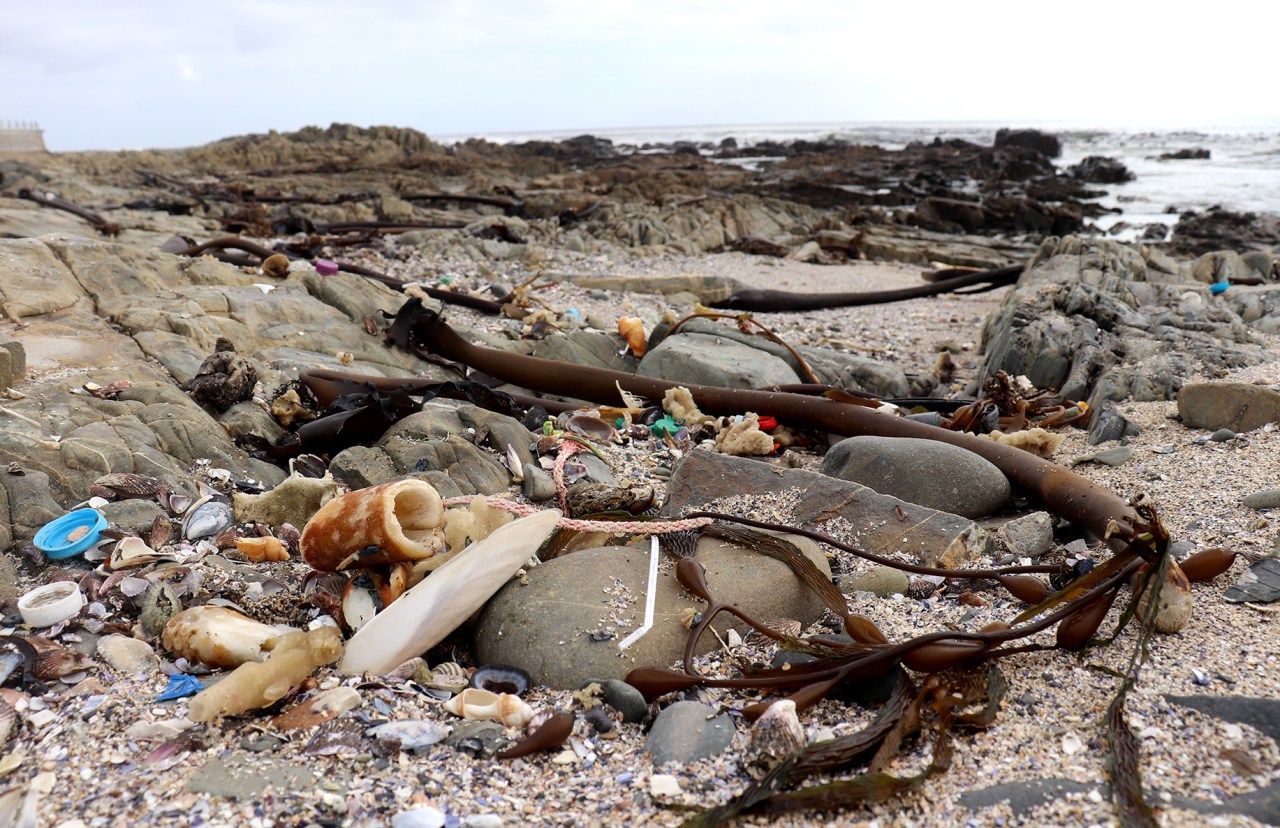
An estimated 11 million tonnes of plastics leak into aquatic ecosystems each year, while around 13 million tonnes of plastics accumulate in the soil annually.
When you woke up this morning, you did not breakfast on a plate of plastics, and rightly so. Your body is likely to have plastic in it anyway – microplastics, which have been found in the arteries, lungs, brains, placenta and breast milk of people across the world.
We still do not know exactly what these microplastics do to our bodies, although new research is emerging all the time. We do know that we did not choose to ingest them. We do know that they do not belong there. And we do know that only ending plastic pollution will stop such plastics from accumulating inside of us.
Plastics bring many benefits to humanity – in healthcare, in clean energy technology and much more. Plastic is a useful, durable material that has a role to play in societies and economies, including as we transition to a greener, safer world.
The problem is that the way we produce, use and discard many plastics – particularly single-use and short-lived products used for convenience, not necessity – has swamped the world in pollution.