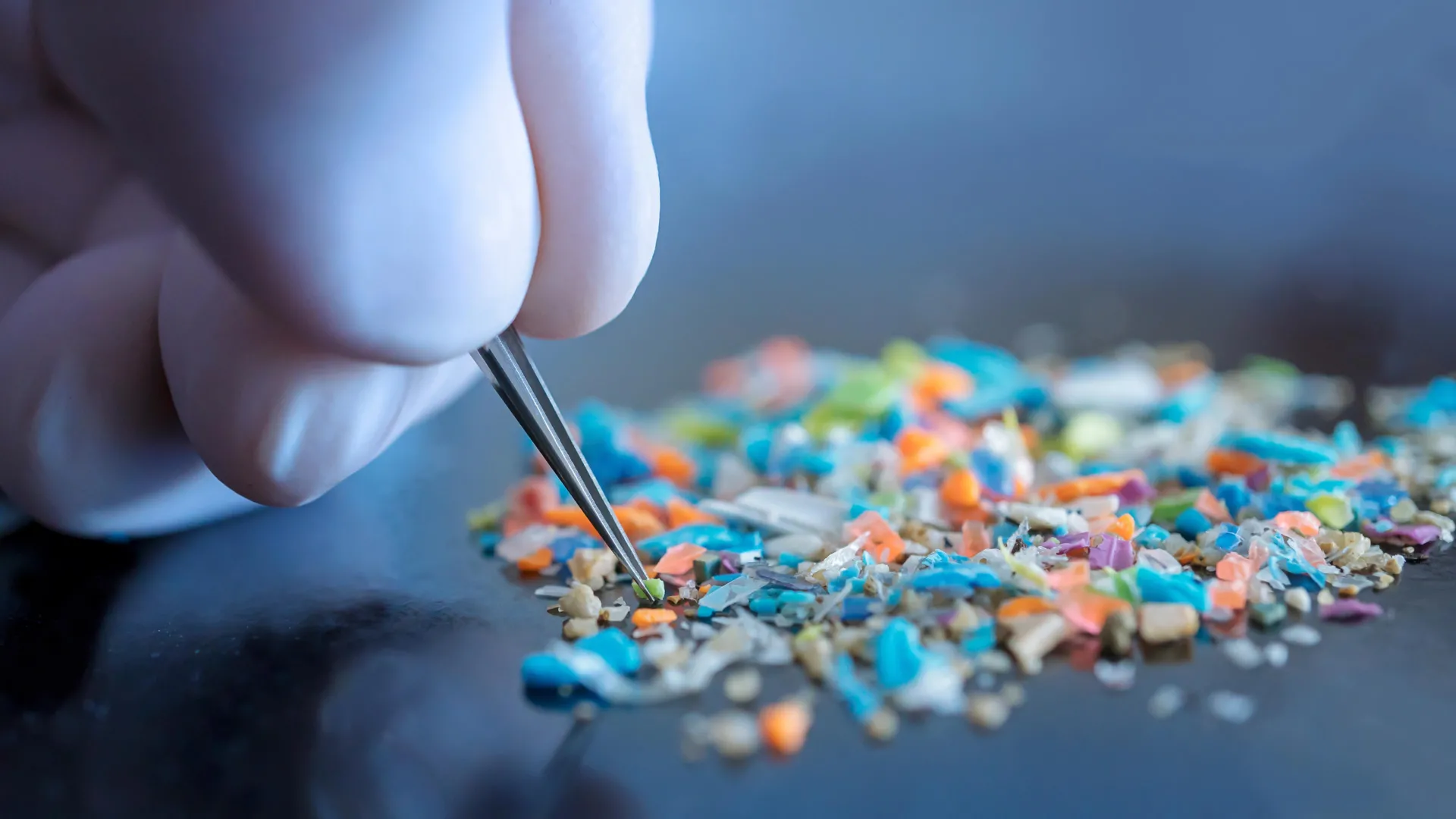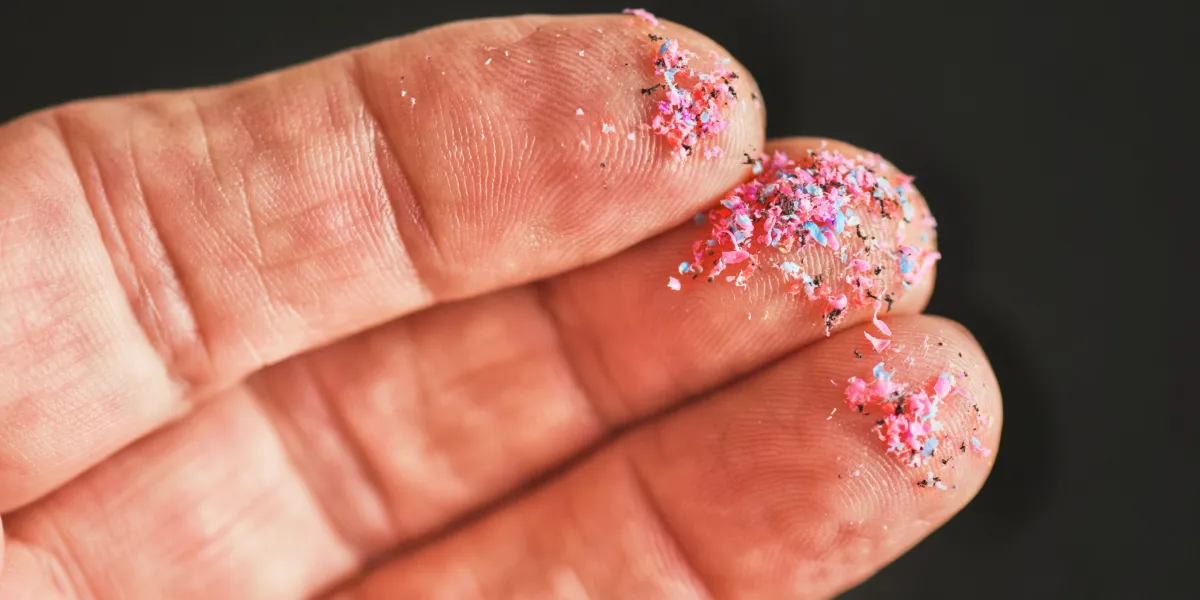
Don’t toss that scratched-up, questionably stained, borderline EPA Superfund site, 12-year-old cutting board just yet! Your vintage fermentation lab with knife marks might not be so dangerous after all.
Scientists have warned for years that microplastics are found in everything: from the food and drinks we consume to the clothes we wear and cleaning supplies we use. These microplastics are building up in our bodies and pose a new risk to our health—or so we’ve been told.
But some scientists are now scrubbing that idea, with one researcher even calling studies sounding the alarms as “a joke.”
Recent high-profile reports claiming micro- and nanoplastics (MNPs) have infiltrated the human brain, arteries, and testes are facing a major scientific backlash. Experts are warning that many of these widely publicized findings may be the result of methodological errors, contamination, and false positives rather than actual plastic ingestion.
“The brain microplastic paper is a joke,” wrote Dusan Materic, head of research at Helmholtz Center for Environmental Research (UFZ). Materic is one of several scientists proclaiming that previous studies regarding the damage microplastics cause the human body are exaggerated.