Errors in measuring microplastic pollution can be corrected. Public trust in science also needs to be shored up
I
t is true that science is self-correcting. Over the long term this means that we can generally trust its results – but up close, correction can be a messy process. The Guardian reported last week that 20 recent studies measuring the amount of micro- and nanoplastics in the human body have been criticised in the scientific literature for methodological issues, calling their results into question. In one sense this is the usual process playing out as it should. However, the scale of the potential error – one scientist estimates that half the high-impact papers in the field are affected – suggests a systemic problem that should have been prevented.
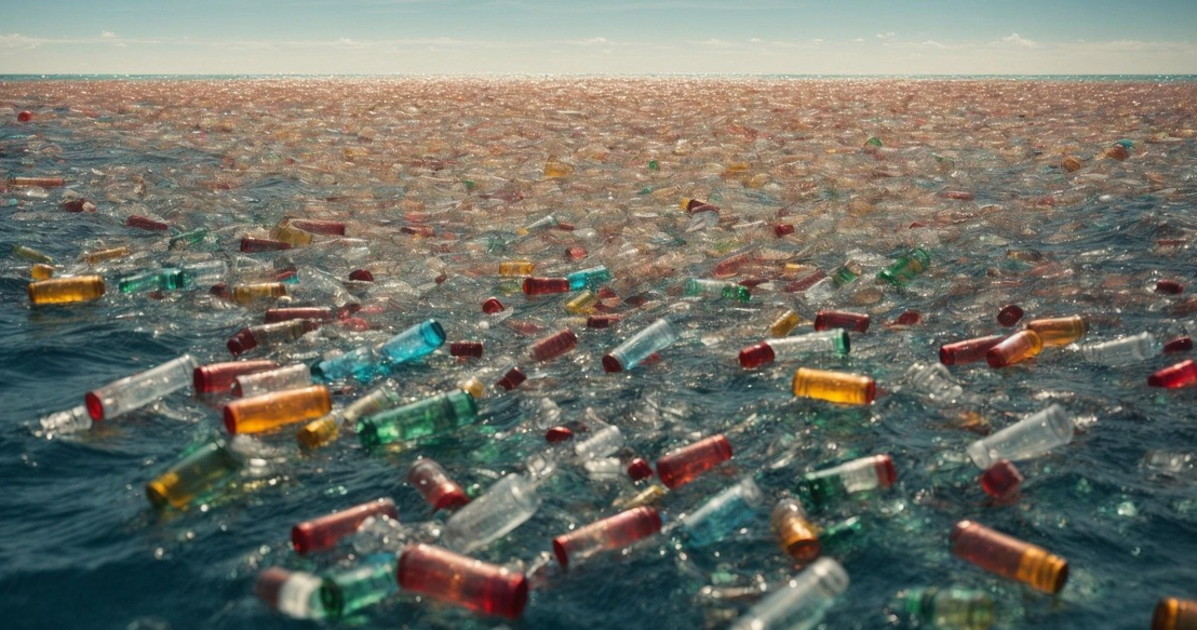
The risk is that in a febrile political atmosphere in which trust in science is being actively eroded on issues from climate change to vaccinations, even minor scientific conflicts can be used to sow further doubt. Given that there is immense public and media interest in plastic pollution, it is unfortunate that scientists working in this area did not show more caution.
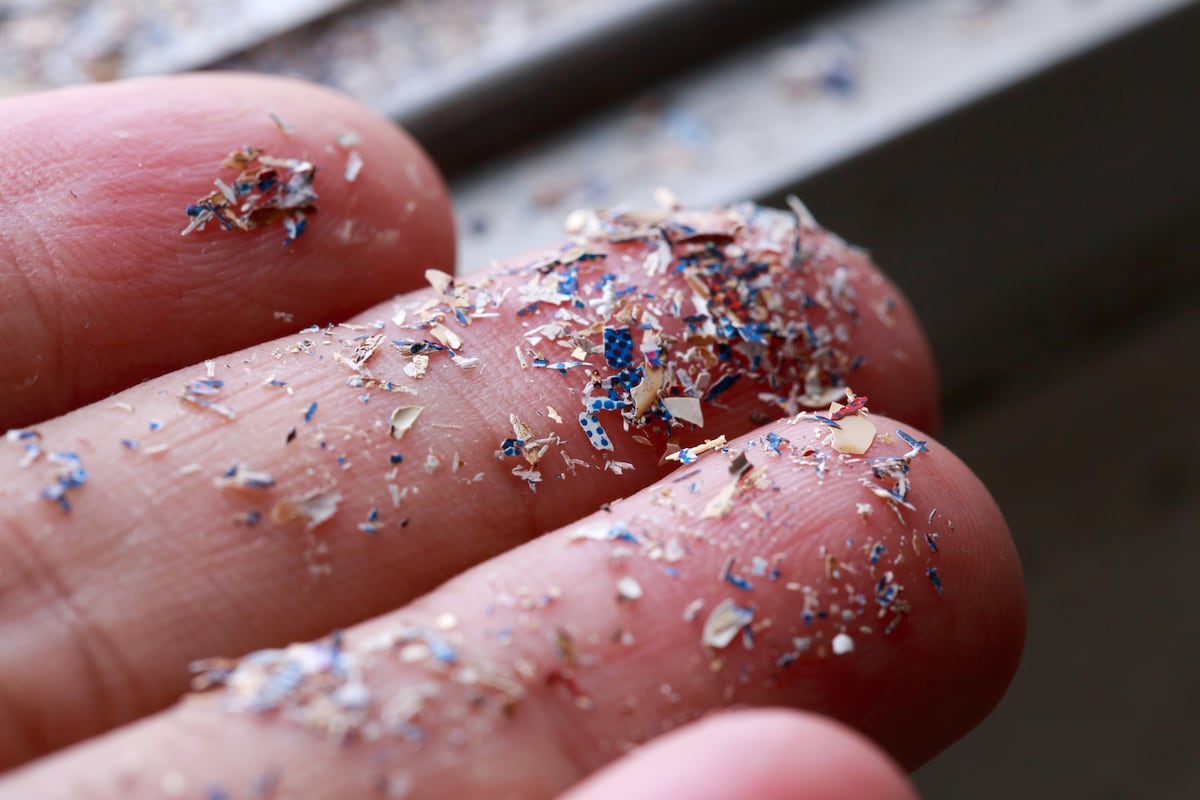
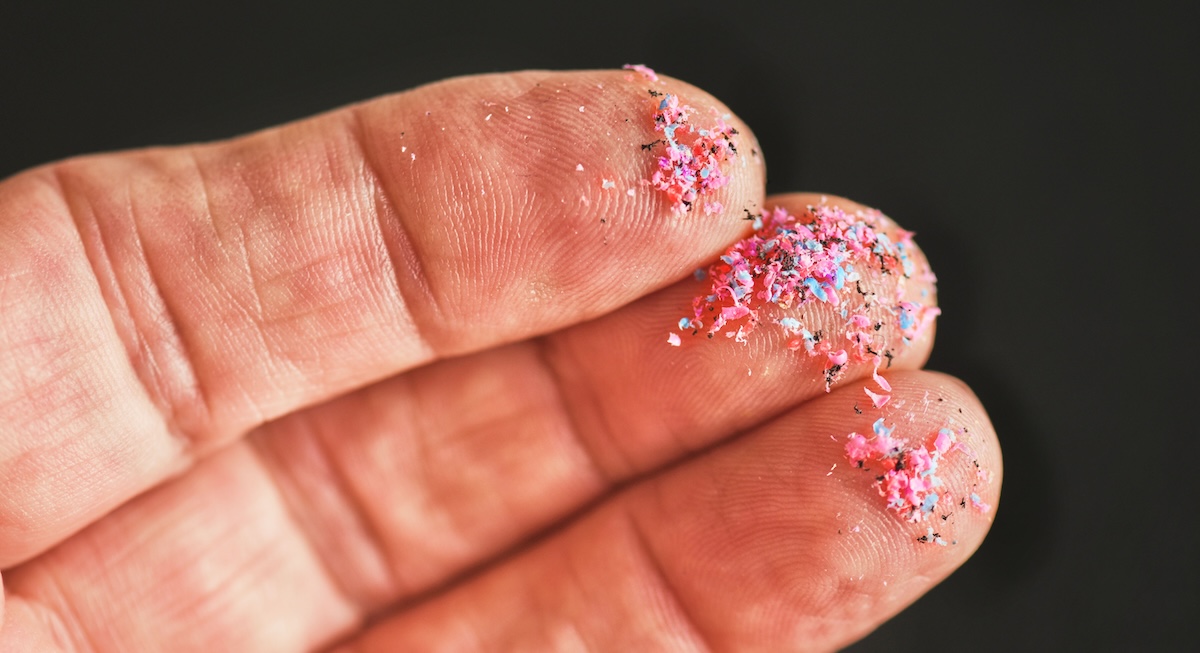
The questions raised are mainly about the measurement of quantities of micro- or nanoplastic in the human body. In particular, one method, pyrolysis-gas chromatography-mass spectrometry, may have either been used or interpreted incorrectly. There is still robust evidence via other methods – such as electron microscopy and Fourier transform infrared spectroscopy – that these small-scale plastics are in our organs. What is in doubt now is how much.