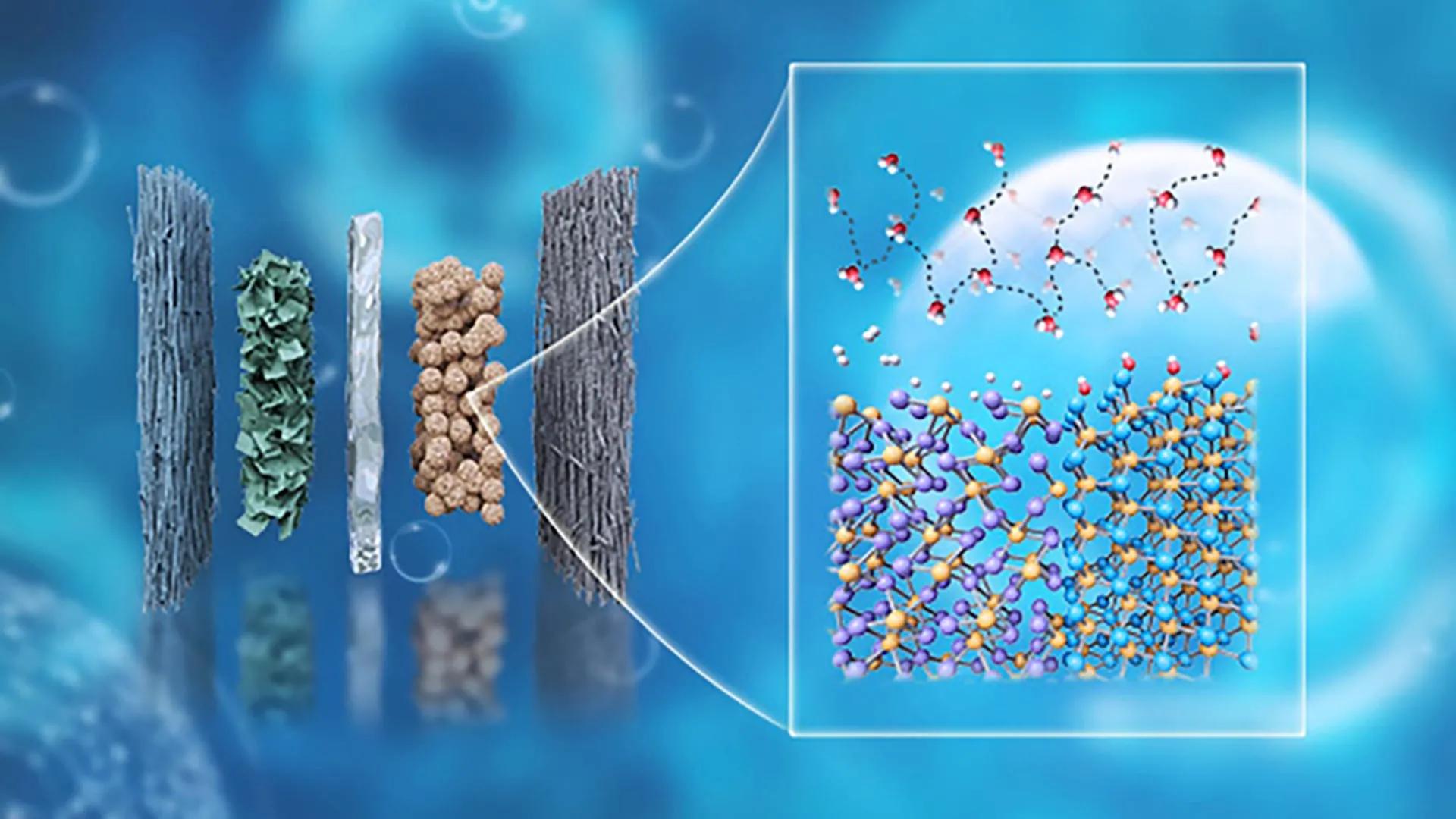
Many experts refer to hydrogen as "the fuel of the future." It is expected to help decarbonize the global economy in two main ways: Burning it or feeding it into a fuel cell produces storable energy with no carbon emissions, just water. It can also be used in place of fossil fuels or as a chemical feedstock in hard-to-decarbonize industrial processes such as steel and cement production.
But for hydrogen to realize its potential, two challenges must be overcome. Researchers worldwide are now working to address the first: finding a method of producing pure hydrogen that's both cheap and low in carbon emissions.
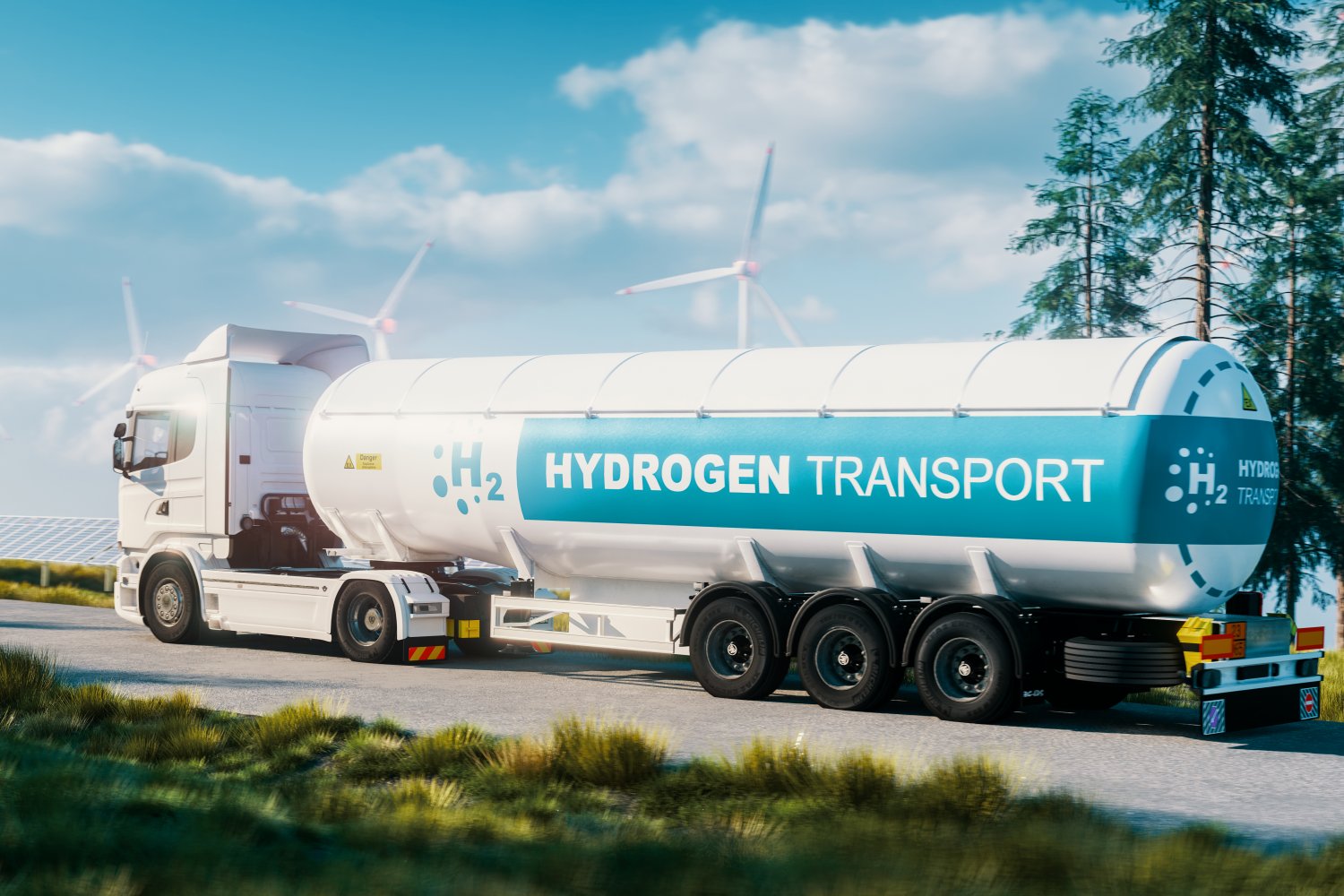
Just as critical is finding a good means of transporting and storing hydrogen. A team led by researchers at the MIT Energy Initiative (MITEI) has been tackling that less-discussed but important challenge. The location where the pure hydrogen is produced is likely to be far away from where it will be used, so moving it will be critical—and difficult.
The problem stems from two characteristics of hydrogen: It's the lightest gas there is, and it has low energy density per volume. Therefore, delivering a given amount of energy requires a large volume of hydrogen and a container that's sealed so tightly that the hydrogen molecules can't escape. Suffice it to say, moving a liquid fuel such as gasoline is easier. And without a good means of storing and transporting hydrogen, it can't fulfill its promise as the world's clean fuel of the future.