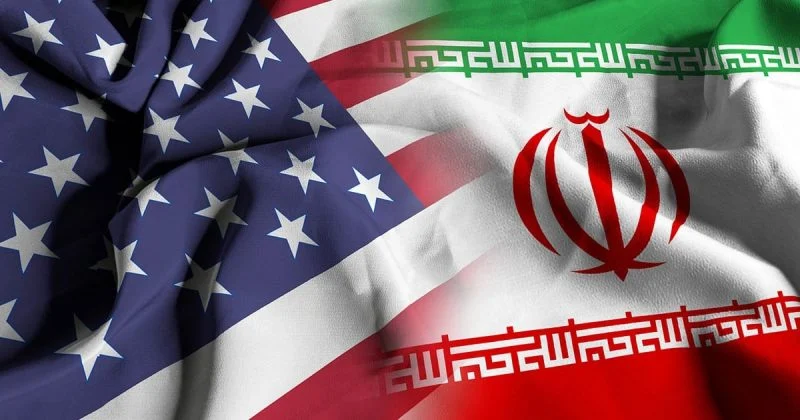
The announcement that the US-Iran deal is “over” has led to significant shifts in prediction markets regarding potential outcomes of ongoing negotiations. The initial memorandum of understanding (MoU) that sought to end the 2026 Iran War has expired without a final peace treaty, increasing uncertainty about future diplomatic and military developments. The war, involving the United States, Iran, Israel, and Hezbollah, led to a 60-day ceasefire that hinged on a final agreement that now remains unfulfilled. Meanwhile, NATO’s summit in Ankara addresses defense issues related to the conflict, and Marine Le Pen faces legal challenges that could impact the French presidential election.
Prediction markets have responded to the announcement with notable adjustments. The odds for Iran reconstruction funding being included in a US-Iran deal in 2026 have dropped considerably. This reflects increased skepticism about the likelihood of a comprehensive agreement being reached. Additionally, markets concerning a final US-Iran nuclear agreement show declining confidence, with odds for such a deal by August 13, 2026, having decreased.
The developments underscore a broader geopolitical tension that impacts related markets, including potential military escalations and diplomatic negotiations. The expiration of the MoU and absence of a final agreement contribute to an environment of uncertainty, influencing market participants’ perceptions of future outcomes.