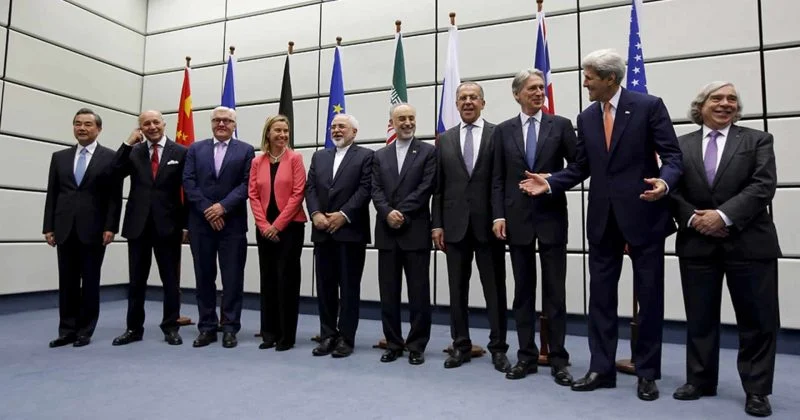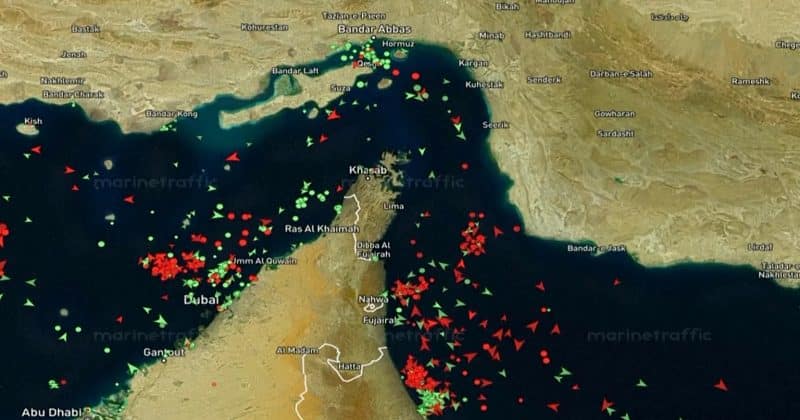
Economists are closely monitoring the implications of the fragile US-Iran peace agreement on global economic stability in the latter half of 2026. The Memorandum of Understanding signed on June 17, 2026, aimed to cease hostilities from the Iran War, but sporadic military engagements continue, raising concerns about the durability of the ceasefire. The Strait of Hormuz, a vital passage for global oil supply, remains a focal point amid fears that any escalation could lead to significant energy market disruptions. This geopolitical tension is a key factor influencing prediction markets related to the US-Iran deal, with participants appearing to view the situation as a critical determinant of future economic conditions.
Key Takeaways
Market activity suggests that the fragile nature of the US-Iran peace deal is influencing perceptions of future economic risks.
The continued military tensions and uncertainty surrounding the Strait of Hormuz are consistent with pricing that reflects apprehension about a permanent resolution.
The prediction markets indicate a decreased probability of substantial terms being included in a US-Iran deal, as reflected by recent declines in YES pricing.