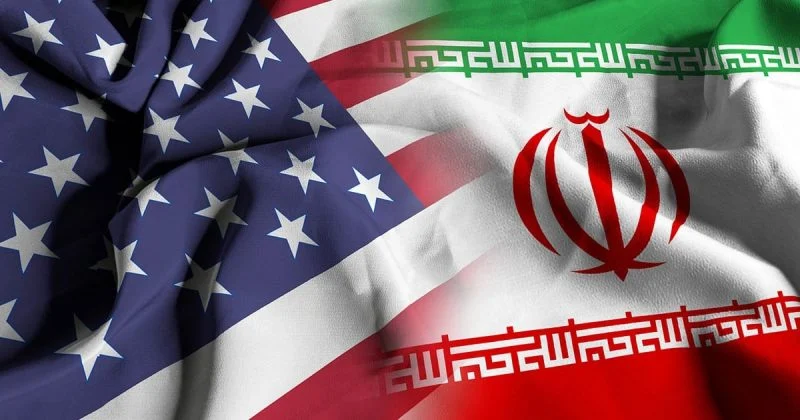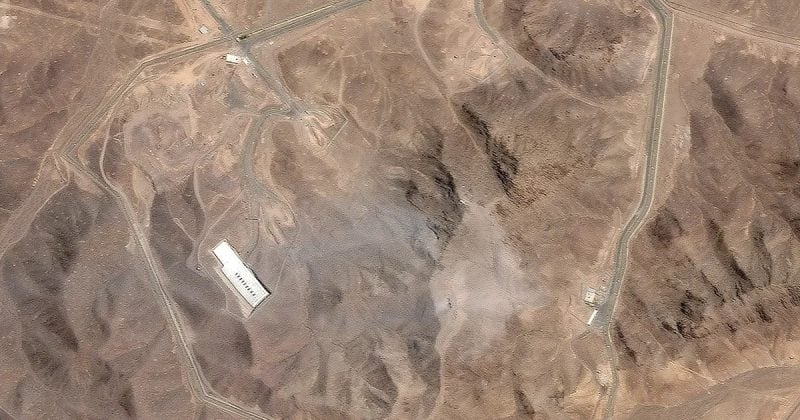
Iran’s economy is grappling with a challenging recovery path following significant damage from the Iran War earlier this year. The conflict, precipitated by joint U.S. and Israeli military actions, has left the country with an estimated $144–$270 billion in damages. The fragile truce, marked by a 60-day Memorandum of Understanding, remains under strain as diplomatic and economic pressures persist. Market participants appear to be factoring these developments into their assessments of the likelihood of a final nuclear deal being reached between the U.S. and Iran by the specified deadlines.
In the prediction markets, pricing suggests decreasing confidence in a near-term nuclear agreement. The probability of a deal by August 13, 2026, remains low, with current pricing at approximately 2.6% for a YES outcome. Similarly, other sub-markets show a decreasing trend in the likelihood of an agreement, with notable drops in projected probabilities for resolutions by August 18 and August 31. The ongoing economic and diplomatic challenges appear to be significant factors influencing these expectations.
The broader geopolitical context, including the impact of economic sanctions and the halted oil exports due to U.S. naval actions, further complicates the potential for rapid economic stabilization. With inflation projected to surge, and millions of jobs at risk, these factors likely contribute to the market’s current outlook on the nuclear deal’s prospects.