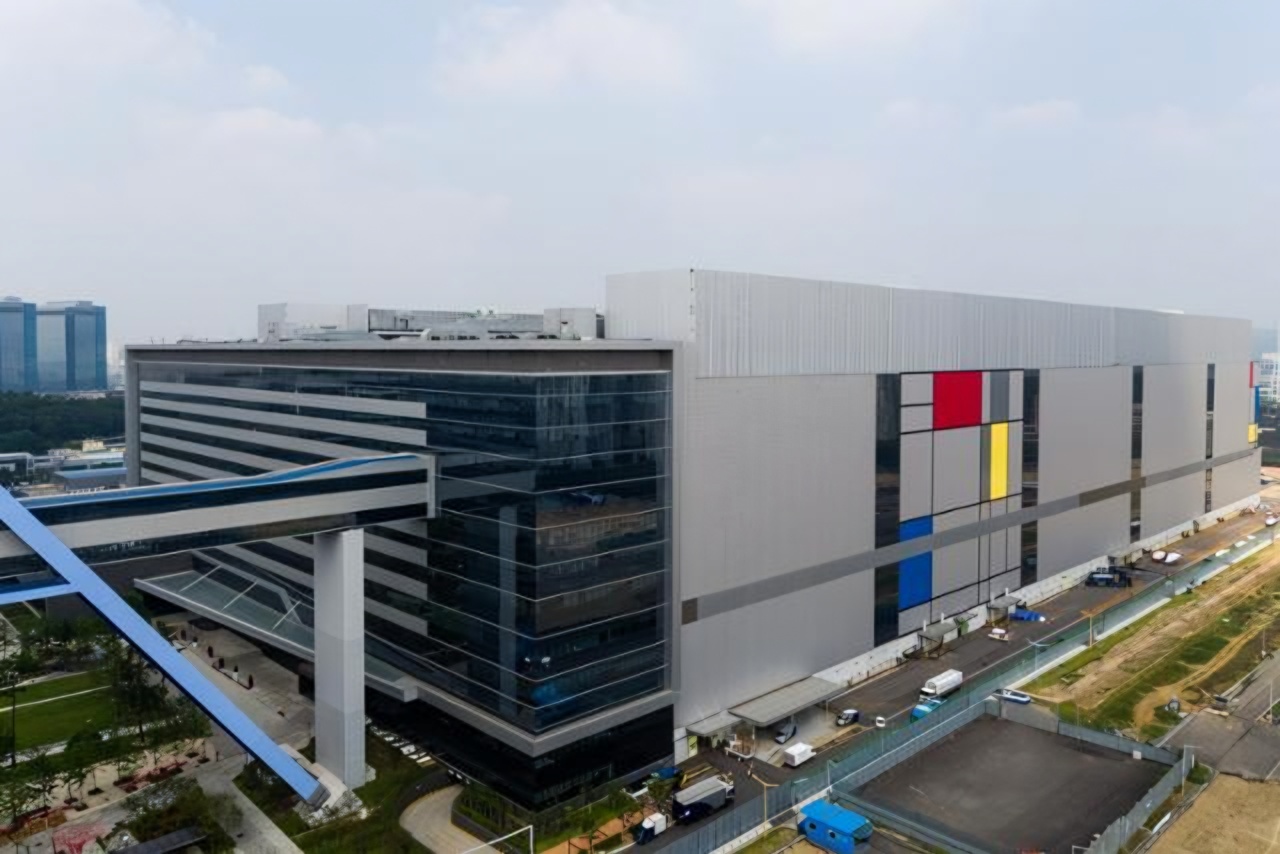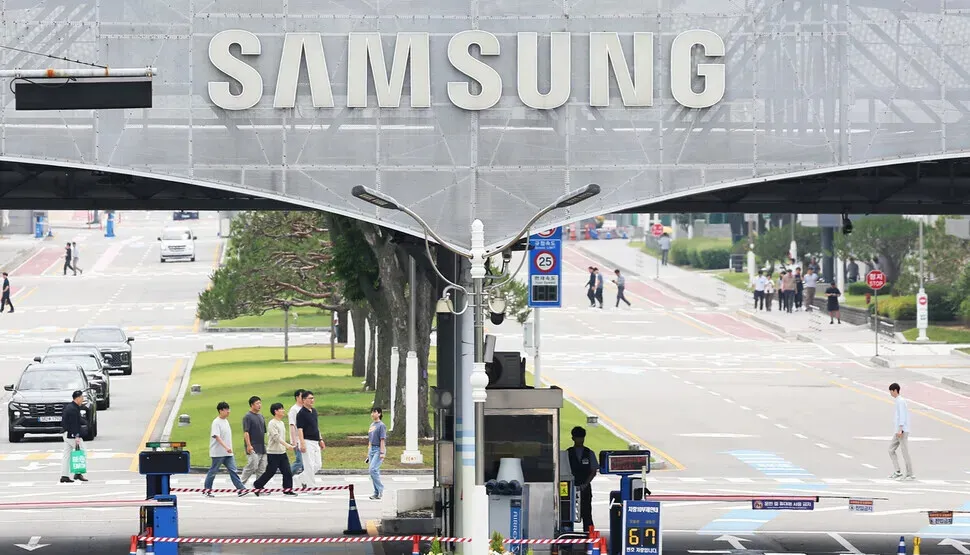
Samsung Electronics headquarters in Suwon, Gyeonggi Province, in May 2026. (Yonhap)
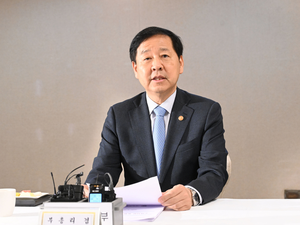
A standoff over bonus payouts at Samsung Electronics has ended for now, after employees and management reached a resolution on how to share gains from the company’s booming semiconductor business.Faced with the threat of semiconductor production lines — which must operate around the clock, 365 days a year — grinding to a halt, the government went all out to prevent a strike, even if it meant brandishing its emergency mediation authority. Fortunately, labor and management reached an agreement based on a mediation proposal drafted with the participation of Minister of Employment and Labor Kim Young-hoon.Each employee in the company’s memory division will receive a staggering bonus of 500 million won, or close to US$330,000, igniting jealousy nationwide.Though a full-scale strike was averted, the conflict has left aftershocks. Tension between the company’s chip division and other sections has intensified, and even within the semiconductor team, the rift between memory and non-memory employees has widened.Growing debate over distributionThe controversy over the bonuses has exposed a unique aspect of the semiconductor and artificial intelligence boom. The unexpectedly massive profits of Samsung Electronics have triggered debates over the distribution of the bonuses, as critics question whether bonuses should go only to employees or extend to suppliers and the broader community.The labor minister added fuel to the fire by saying that Samsung Electronics’ success “stemmed from the dedicated efforts of labor and management, along with support from the nation and local communities.” “If this result was made possible through societal support, then its redistribution should also be discussed through public discourse,” he said, urging discussions on a “Korean-style social solidarity wage.”If Samsung Electronics earns 300 trillion won in profits this year, its corporate tax bill would be a staggering 82.5 trillion won. Even with this massive tax bill, the company has pledged 5 trillion won over five years to social causes, a move seen by some as a response to mounting expectations.As its first charitable initiative, the company provided public gift certificates for traditional markets and small businesses worth up to 20% of the purchase price to customers who buy its products. If earnings performance next year outperforms this year’s, does that mean more gift certificates? How far the debate over the bonuses will spread is thus tough to predict.The semiconductor boom is creating a number of never-before-seen scenarios. The government is considering how to spend its expected surplus tax revenue, with no plans yet for how to utilize this unexpected windfall. Regulations stipulate that it should be used to pay out educational grants to provinces and repay national debt. If the amount were small, standard procedures could handle it, but the scale of this surplus revenue is simply too large for that.At a recent news conference marking his first year in office, President Lee Jae Myung said, “Reducing the national debt-to-GDP ratio is an easy solution, but being debt-free is not an absolute virtue — it’s actually an extremely foolish thing to do,” pledging to invest to raise the economy’s growth potential for future generations.Despite his comments, a debate over the debt ratio is expected after the next national budget proposal comes out.The long-standing debate over educational grants to provincial areas is another wildcard, as an estimated 20% of excess tax revenue is automatically allocated for such grants. No one opposes the principle that such regions should get the funds for their students to receive a high-quality education. But because the grants are allocated mechanically regardless of student enrollment, their budget has kept rising even as the number of students declines. The grant per student last year reached 13.71 million won, nearly double that of 10 years ago.The Board of Audit and Inspection has also uncovered cases like the chartering of four buses for a field trip just for 11 students and billions of won spent on laptops for staff.Now, there are even calls to simply hand out cash to students. Of the 58 candidates running for superintendent of education in 16 cities and provinces nationwide, 40 have made campaign pledges involving cash handouts to students. These pledges range from a minimum cash payment of 100,000 won to support of up to 50 million won through matching funds. Some have promised to provide local currency or vouchers for after-school programs. Superintendent candidates, who would be responsible for overseeing public education once elected, are even pledging to provide 200,000 won to cover private tutoring expenses. Educational grants to areas outside of Seoul, already a controversial subject, have once again come under scrutiny due to the expected tax windfall. The exchange rate is also a problem. Exchange rates typically rise during times of economic crisis. By any measure, the Korean economy is not currently facing a crisis. Exports in May 2026 rewrote history by reaching US$87.75 billion. South Korea’s trade surplus has surpassed US$100 billion in just the first five months of 2026, already exceeding the previous annual record of US$95.2 billion set in 2017. When export performance is at an all-time high, the exchange rate typically falls. However, the exchange rate briefly approached 1,550 won recently, the highest level since the 2009 global financial crisis. This was due to the abrupt surge in stock prices. Ordinarily, foreign investors construct portfolios and allocate a certain percentage to Korean stocks. However, as the prices of Korean stocks, particularly those related to semiconductors, soared, their holdings exceeded their intended allocation. To adjust this, they have been selling shares, with the total value of sales reaching 115 trillion won so far in 2026. While a rising exchange rate benefits exporters, it also drives up import prices, increasing the burden on the public. The semiconductor industry’s remarkable performance is a source of pride, but the resulting currency appreciation has created a new burden for households facing higher costs.