Oh Se-jung
The author is a professor emeritus of physics and astronomy and a former president of Seoul National University.
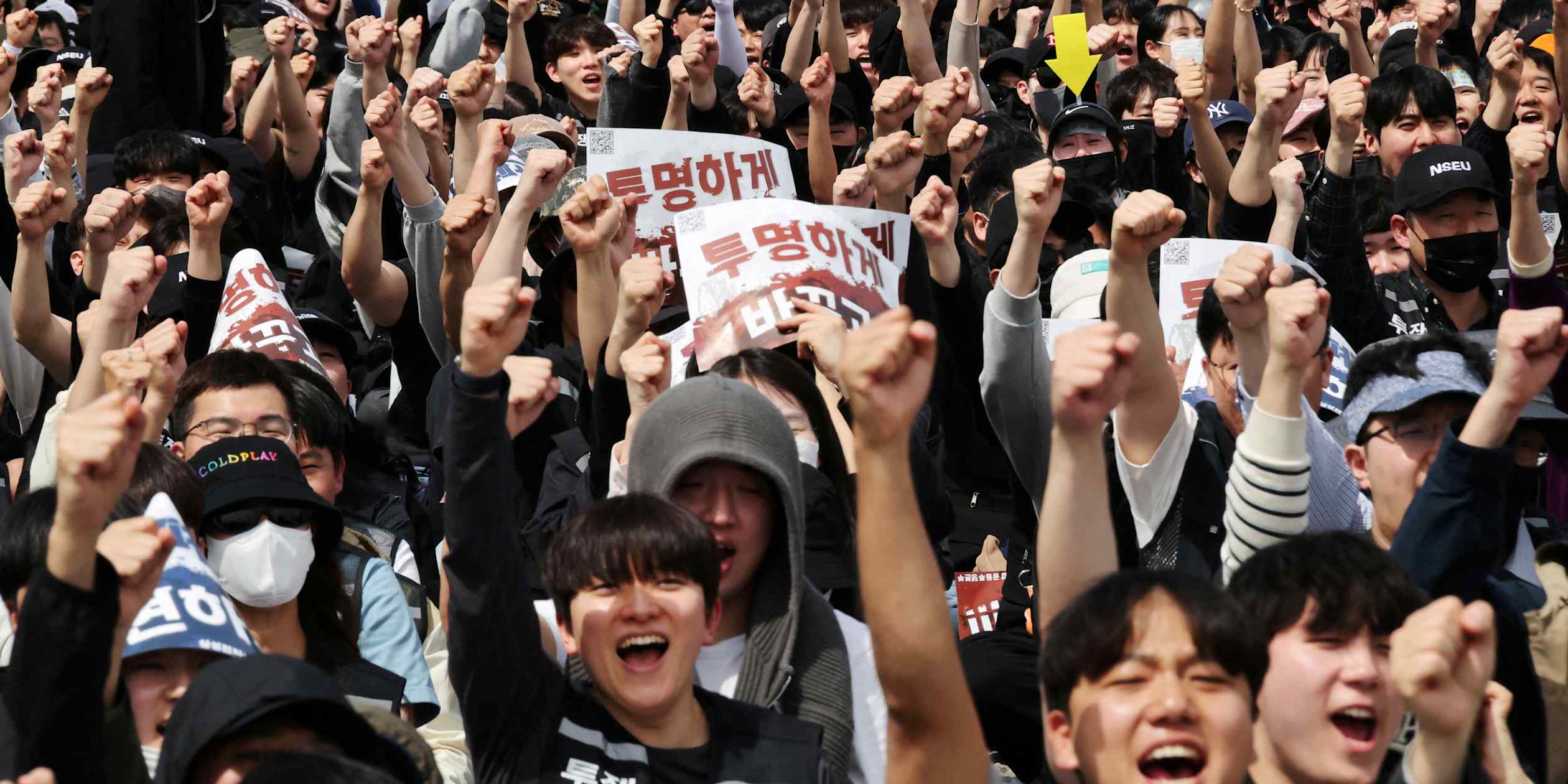
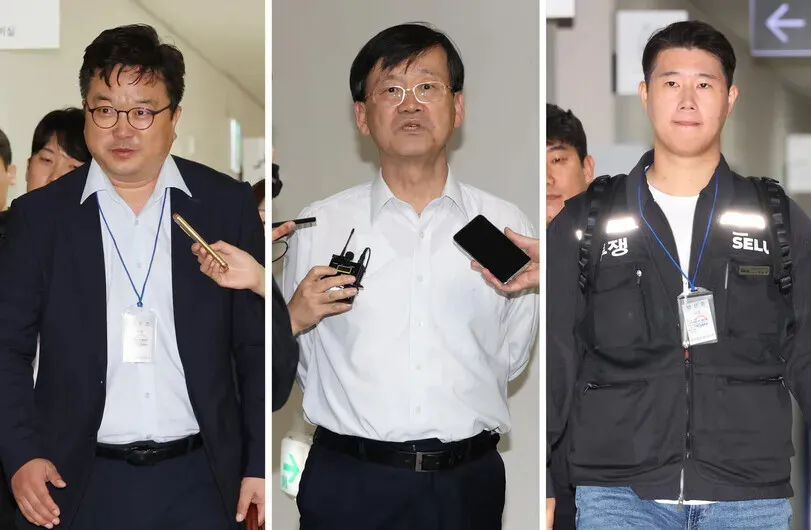
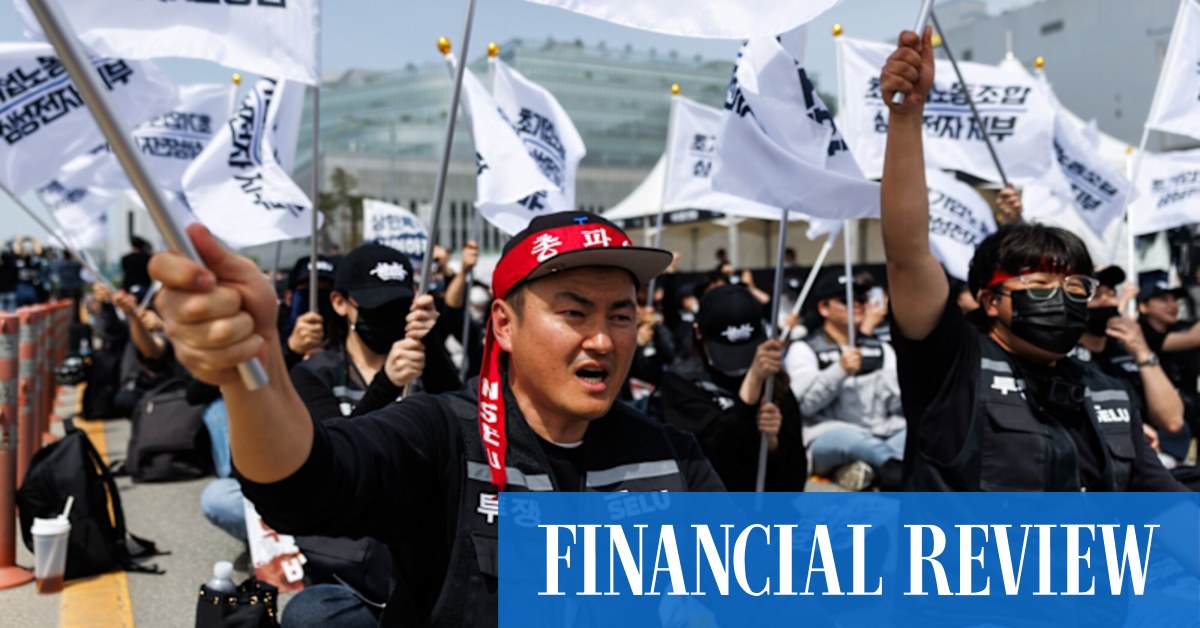
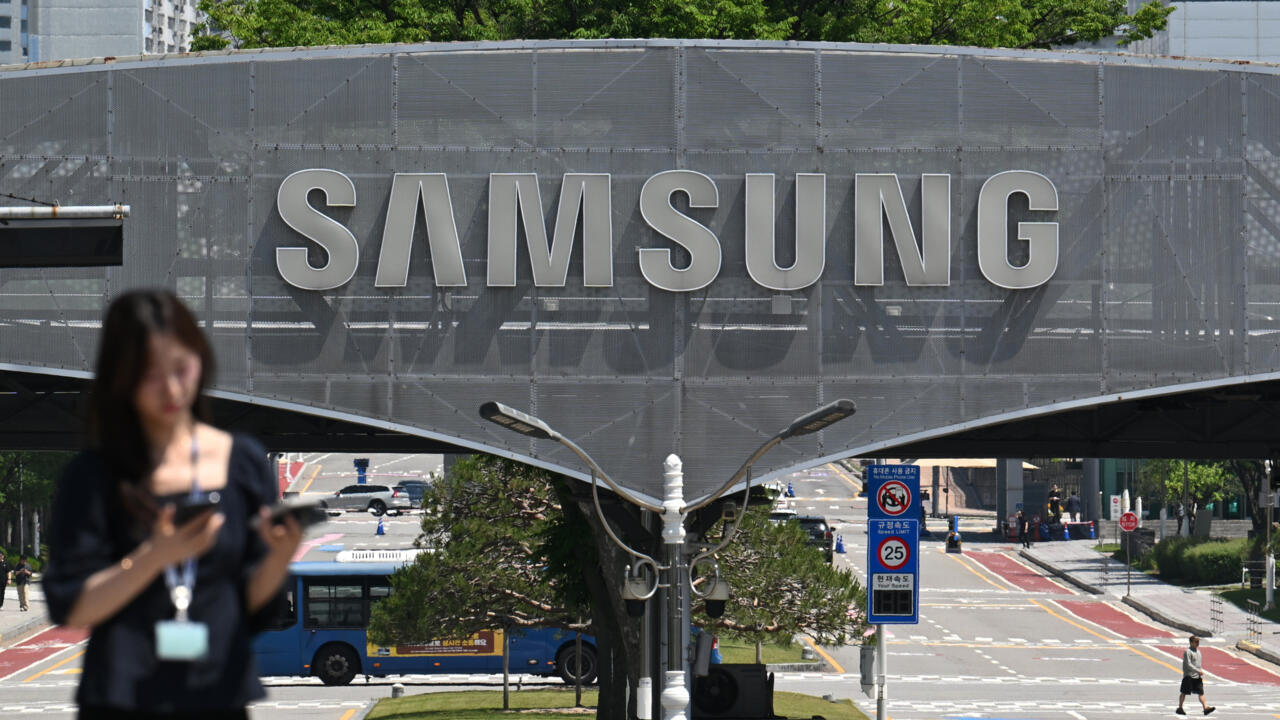
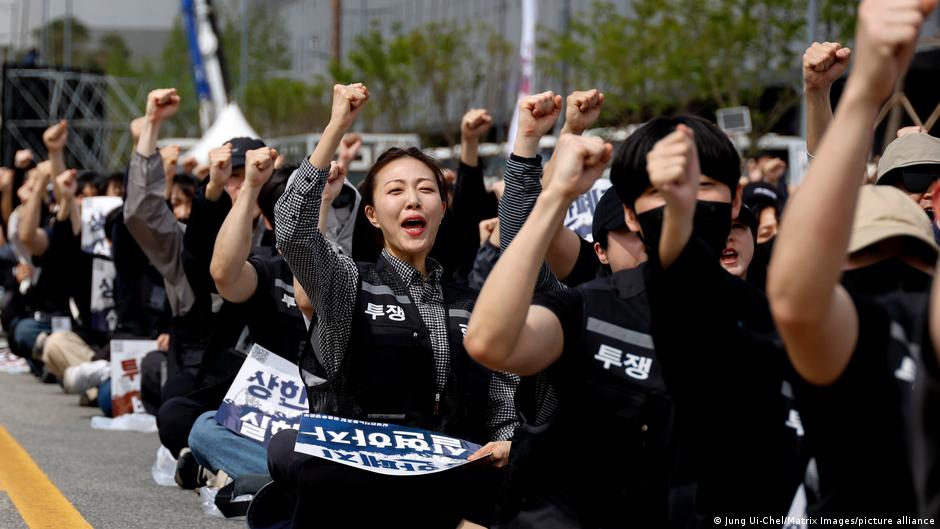
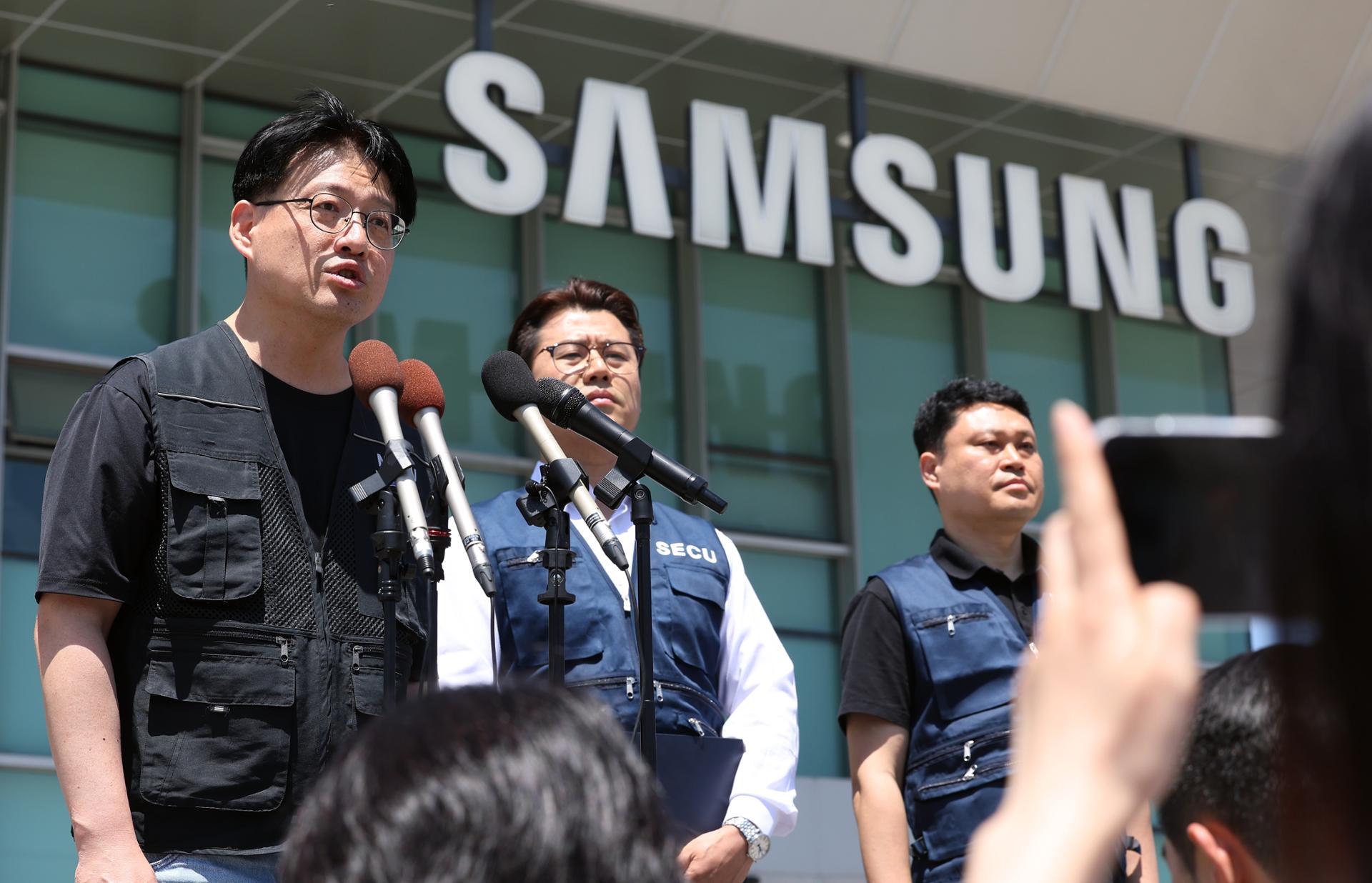
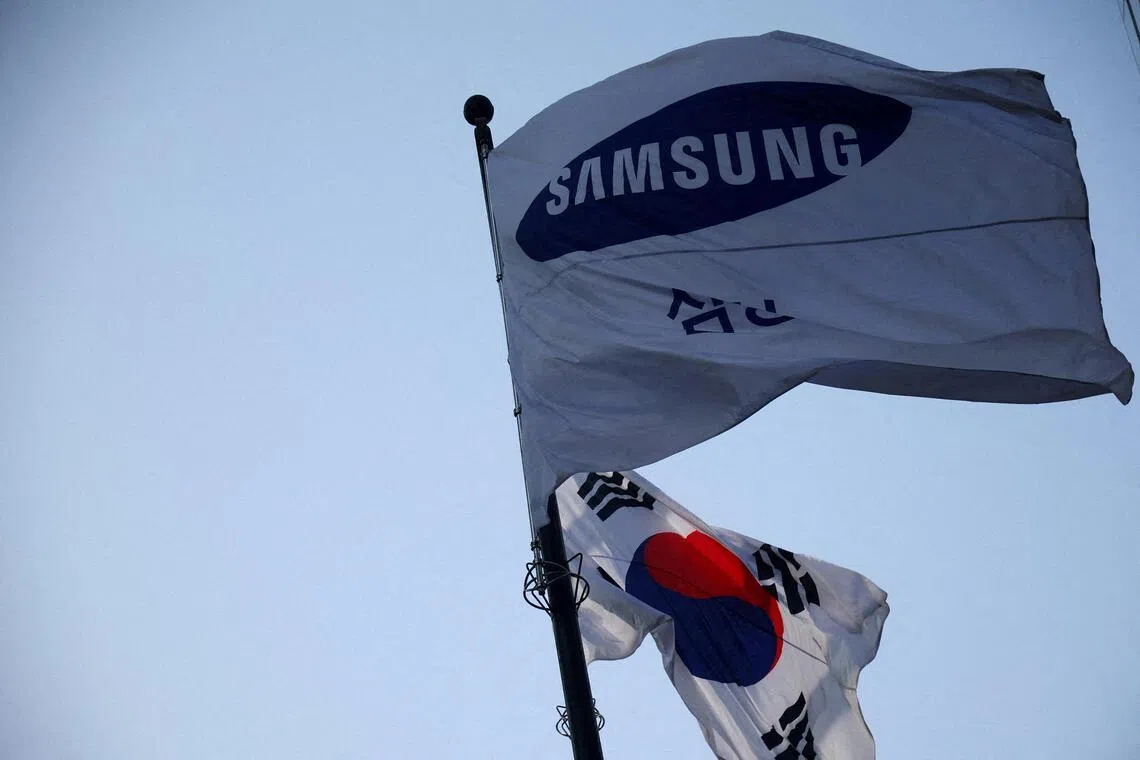
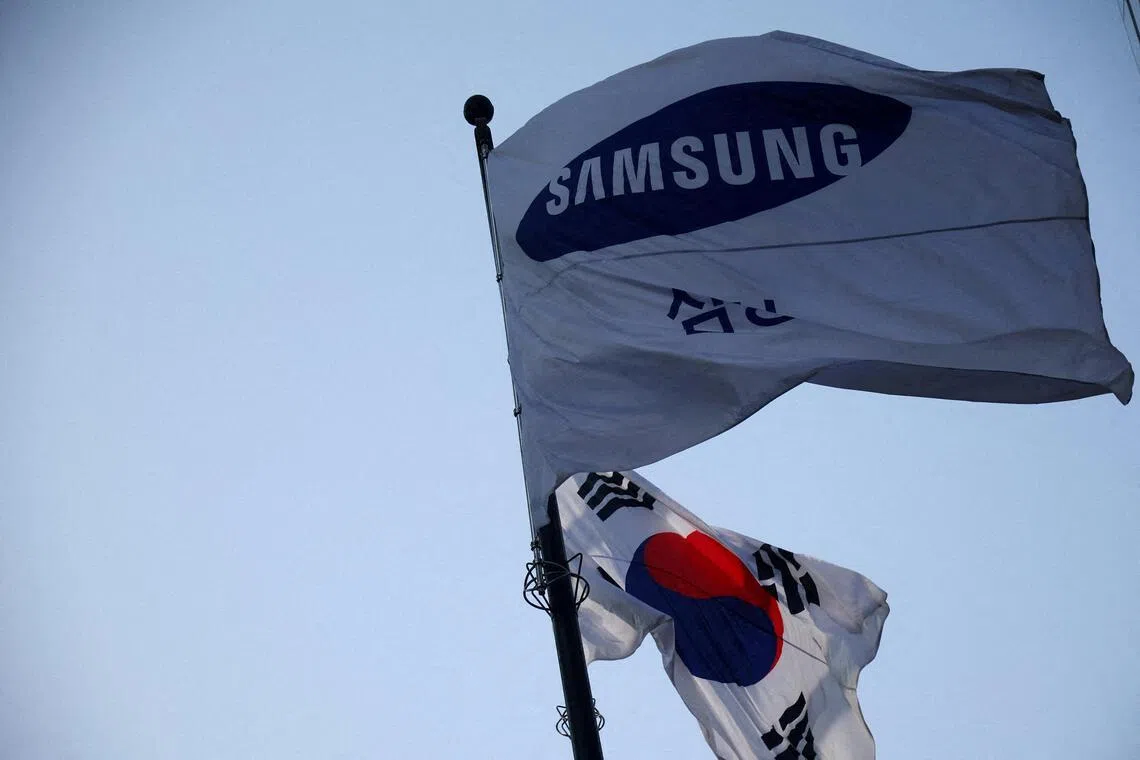
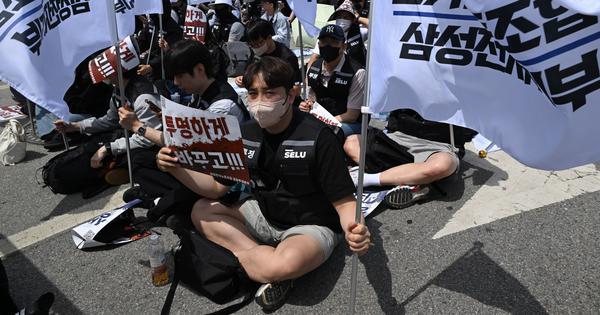
Samsung Electronics narrowly avoided a strike after reaching a last-minute agreement with its labor union over performance bonuses. Policymakers and the public, who had worried about a disruption at a semiconductor plant central to Korea’s industrial base, expressed relief. Because Samsung’s memory chips are essential to the rapidly expanding AI industry, foreign media closely monitored the negotiations and quickly reported news of the settlement. It may have been the first time developments at a Korean company drew such intense global attention, reflecting the country's growing role as a major player in the world economy.
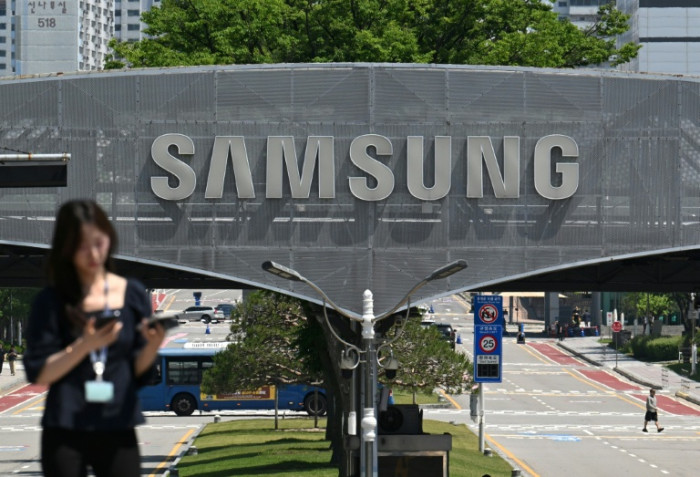
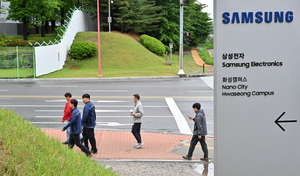
Employees enter Samsung Electronics’ Seocho headquarters in Seoul on May 27, the day the company’s wage and collective bargaining agreement was finalized. [NEWS1]
Yet once the negotiations ended, broader questions quickly emerged, suggesting that the agreement was only a temporary compromise rather than a fundamental solution.