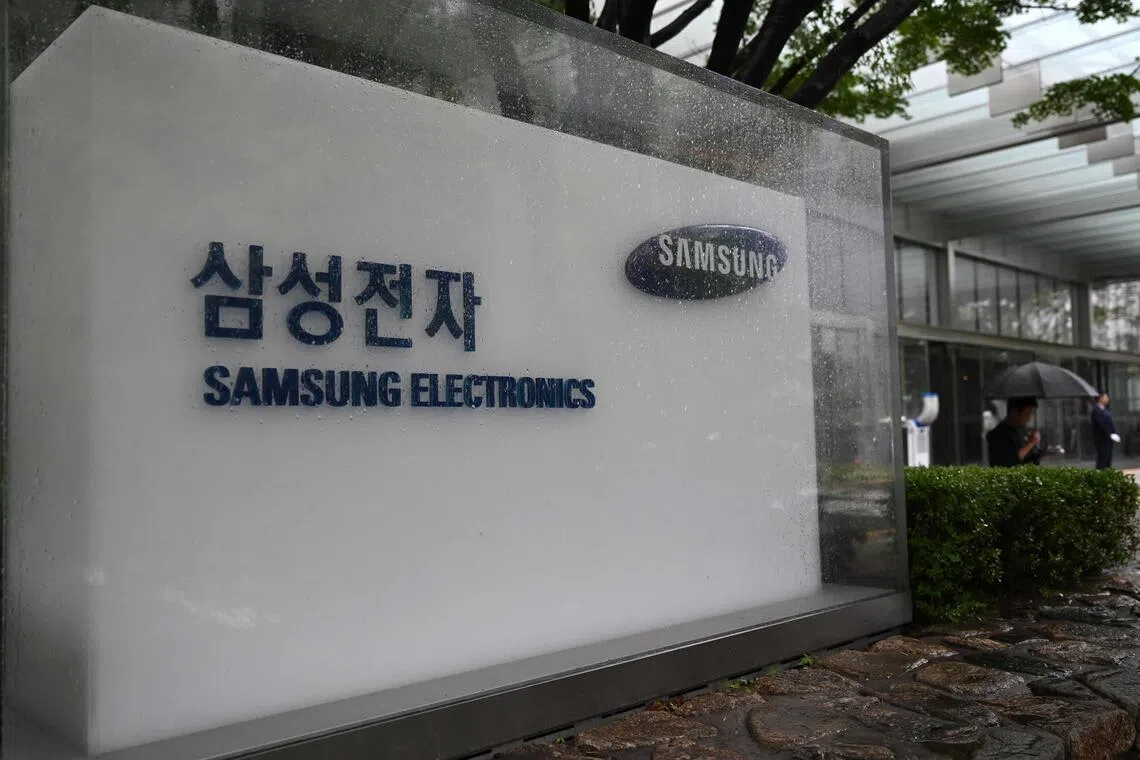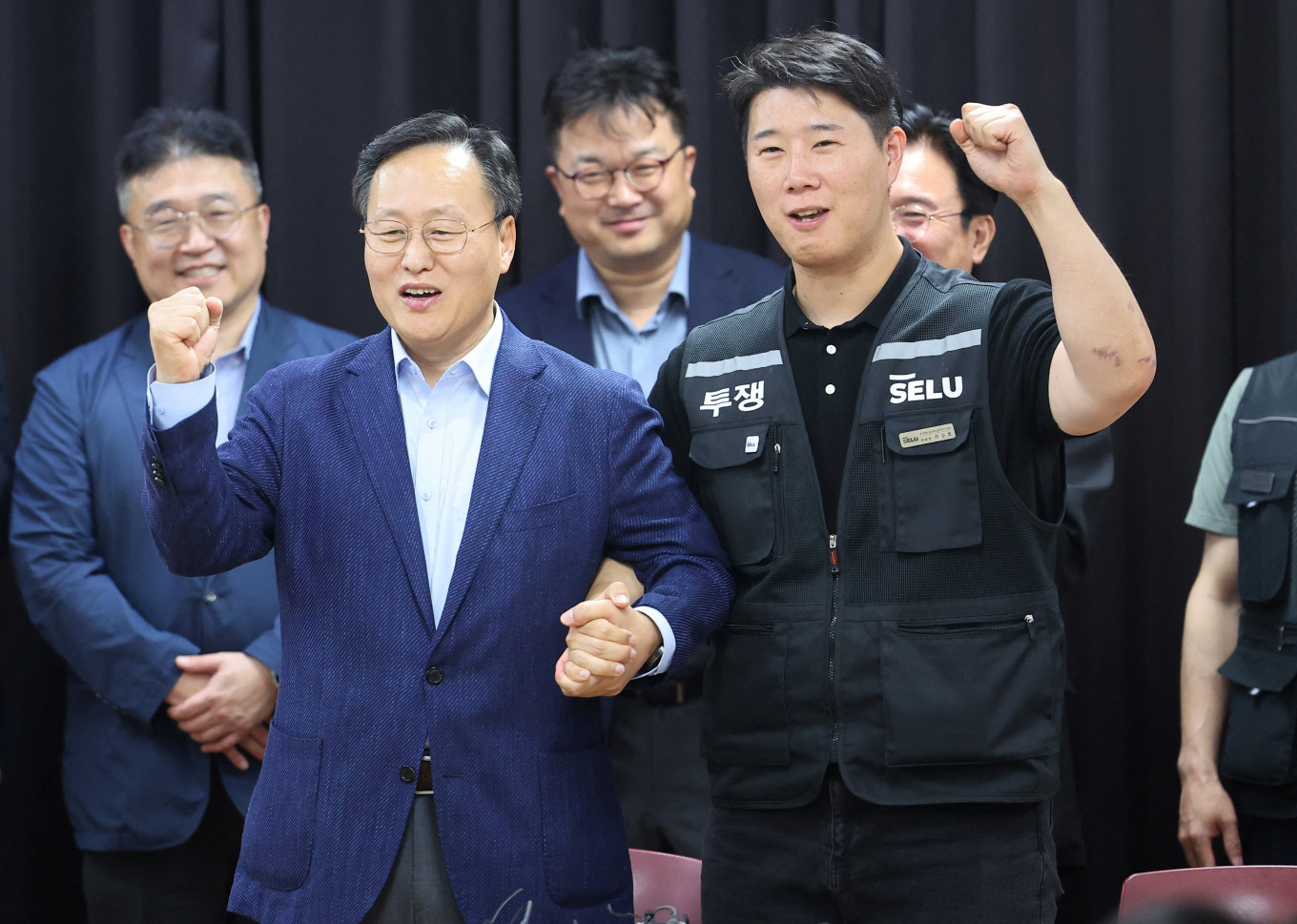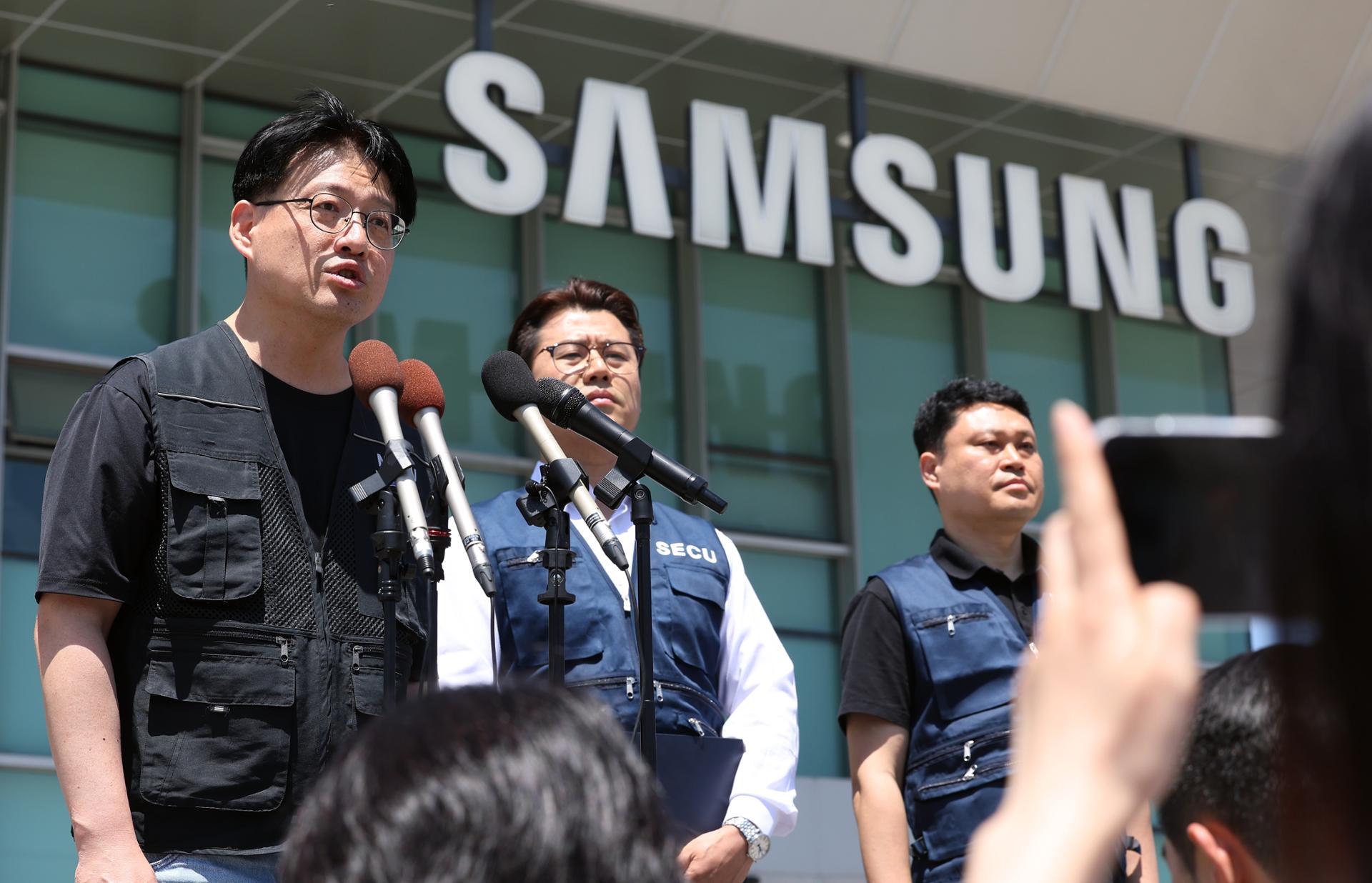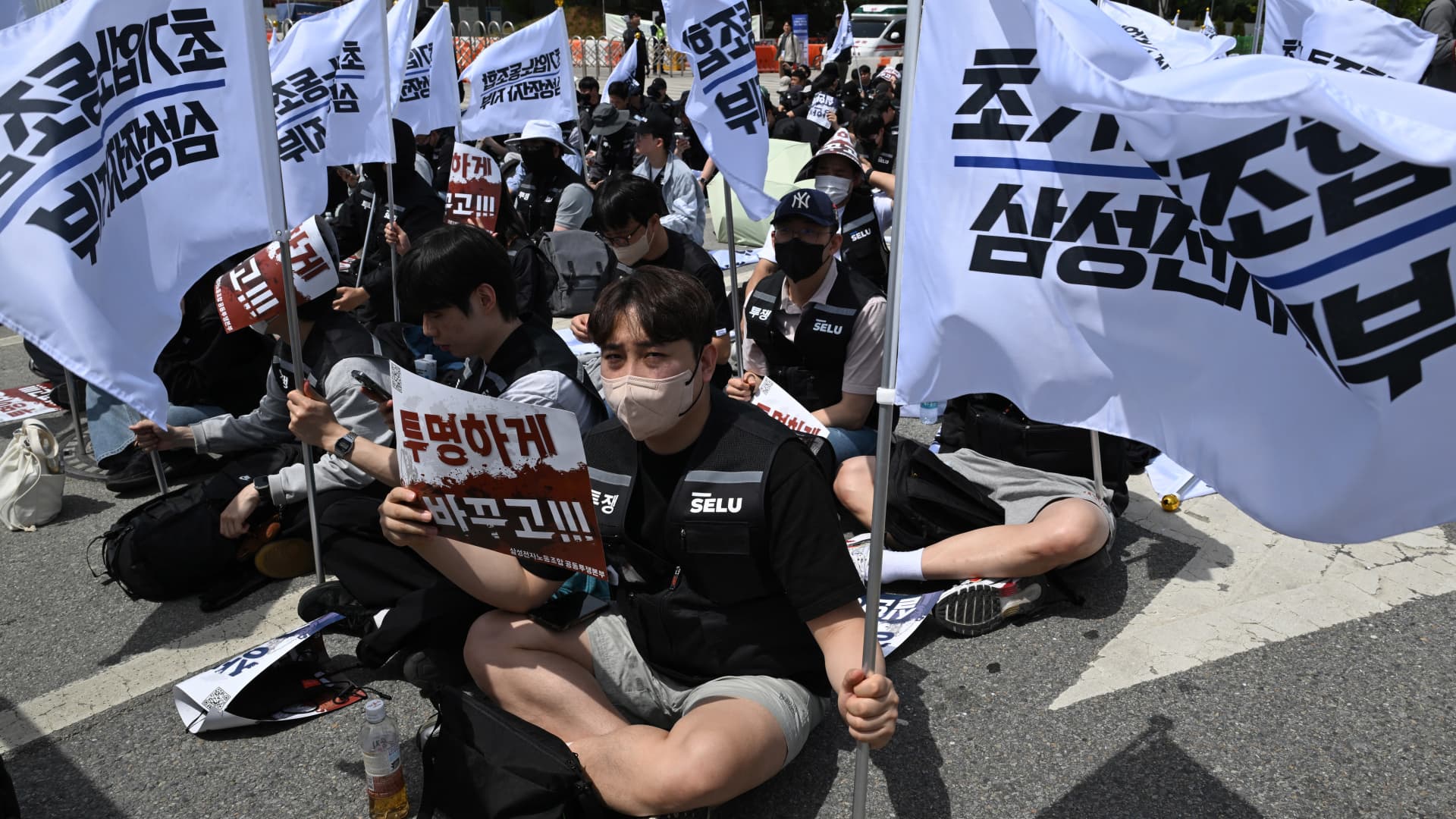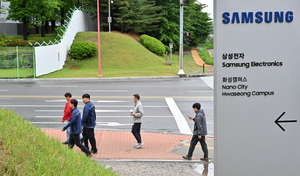
Experts warn Samsung’s profit-linked bonus model could become template for wage talks across autos, shipbuilding, tech Employees arrive for work at Samsung Electronics’s Hwaseong campus in Gyeonggi Province on Thursday, after Samsung Electronics and its labor union reached a tentative wage agreement. (Im Se-jun/The Korea Herald) The last-minute agreement between Samsung Electronics and its labor union may have averted a potentially crippling strike at the world’s largest memory chipmaker, but could set off a new wave of labor demands across Korea’s major corporate sector.The tentative wage deal, which was reached less than an hour before an industrial action was due to begin on Thursday, includes a provision to allocate a fixed portion of Samsung Electronics’ chip performance toward employee bonuses.Analysts warn that the latest deal could become a benchmark for labor negotiations across industries ranging from automobiles and shipbuilding to batteries and tech companies, with a growing number of unions pushing for fixed profit-linked compensation systems. This could potentially constrain corporate investment, lead to reduced hiring and exacerbate the country’s persistent labor market duality.The Samsung agreementThe distribution of soaring AI-driven semiconductor profits — and how to divide them between Samsung Electronics’ highly profitable memory chip business and its loss-making foundry and System LSI units — had been the central issue in wage negotiations that dragged on for months.Under the tentative agreement, which is set for union member vote, Samsung Electronics will introduce a dedicated special bonus tied to management performance for the semiconductor division, collectively known as Device Solutions. The payout will be calculated at 10.5 percent of mutually agreed-upon business performance benchmarks.This bonus, which has no upper limit, will be paid entirely in company stock.Based on earnings estimates, employees in Samsung’s memory chip business could receive bonuses worth as much as 600 million won ($ 398,000) before tax this year for workers with annual salaries of around 100 million won.Even employees in the company’s loss-making foundry and System LSI units are expected to receive at least 160 million won in bonuses.Bonus competition ripples across industriesThe so-called “bonus competition,” ignited by SK hynix after it scrapped its bonus cap and introduced a system allocating 10 percent of operating profit to bonuses, has now expanded well beyond the chip industry.Hyundai Motor and Kia’s union has demanded a significant base salary hike and bonuses equivalent to 30 percent of net profit.Unions at HD Hyundai Heavy Industries are seeking bonuses worth at least 30 percent of operating profit following the shipbuilder’s record earnings.Workers at Hanwha Ocean, LG Uplus and Kakao have also stepped up calls for compensation systems more directly tied to company performance.The labor union at Samsung Biologics is demanding bonuses amounting to roughly 20 percent of operating profit. Other Samsung affiliates, including Samsung Display, Samsung Electro-Mechanics and Samsung SDI, are also expected to face similar pressure, given their historically aligned compensation structures with Samsung Electronics.“We have been closely watching Samsung Electronics’ negotiations and the tentative deal that was agreed upon, because the labor unions will likely demand a similar agenda,” an official at a major conglomerate said.Observers caution that applying Samsung’s semiconductor-driven bonus system to other sectors could cause significant economic risks. Korea's AI chip business is thriving, but this is not the case for other industries, such as automobile and battery, which likely cannot afford to provide such a hefty bonus to its employees.Business lobby groups also cautioned that the Samsung Electronics settlement could become a template for annual wage negotiations across corporate Korea.“This agreement reflects Samsung Electronics’ unique situation and labor groups should not spread excessive bonus demands across industries by treating it as a universal precedent,” the Korea Enterprises Federation said in a statement.Experts also say institutionalizing profit-linked bonuses as a standard practice could deepen disparity in South Korea’s labor market.While large conglomerates can raise compensation aggressively, small and midsize companies that are unable to match the pay would find it difficult to retain workers as talent flows toward conglomerates.“If large conglomerates raise bonus payouts, workers at suppliers and small manufacturers will naturally begin comparing their compensation,” said Kim Dae-jong, a professor of business at Sejong University. “Most small and midsize firms do not have the financial capacity but have to pay more to their workers.”He added that the dynamic could deepen labor market polarization by workers fleeing toward large corporations, which will worsen chronic labor shortages at smaller companies.The escalating labor tensions come at a particularly delicate moment for South Korea’s export-driven economy, which is already facing intensifying competition from Chinese rivals across key industries, including semiconductors, electric vehicles, shipbuilding and batteries.Experts also raised concerns that profit-linked bonus systems could undermine long-term industrial competitiveness."One of the most serious concerns is the potential contraction of long-term R&D investment,” said Kim. In industries like semiconductors and batteries that require upfront investment of more than 10 years, if performance bonuses are determined based on short-term operating profit, executives could increasingly prioritize short-term profitability over long-term investment.”
Samsung deal ignites bonus pressure across industries
The last-minute agreement between Samsung Electronics and its labor union may have averted a potentially crippling strike at the world’s largest memory chipmake
817 words~4 min read