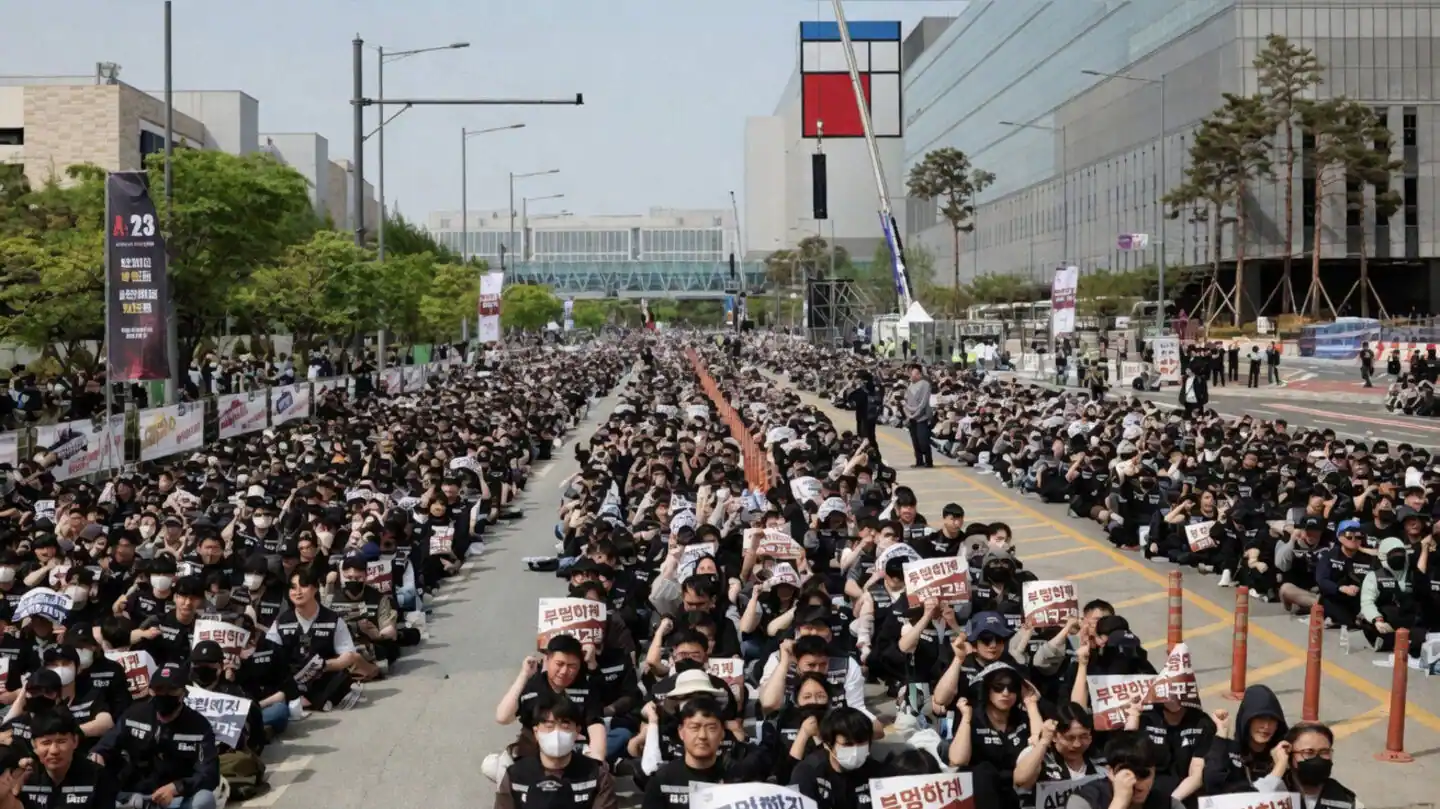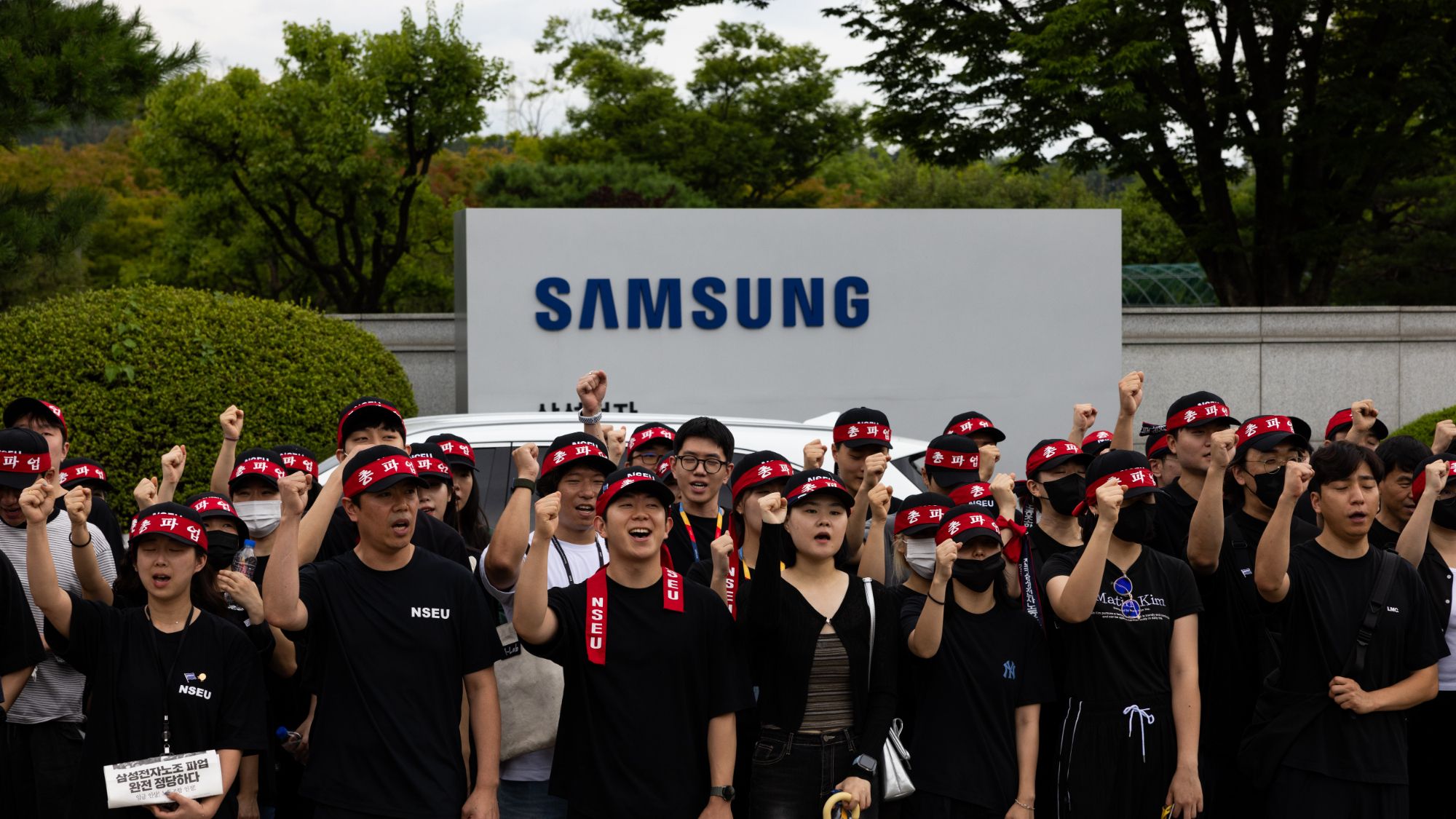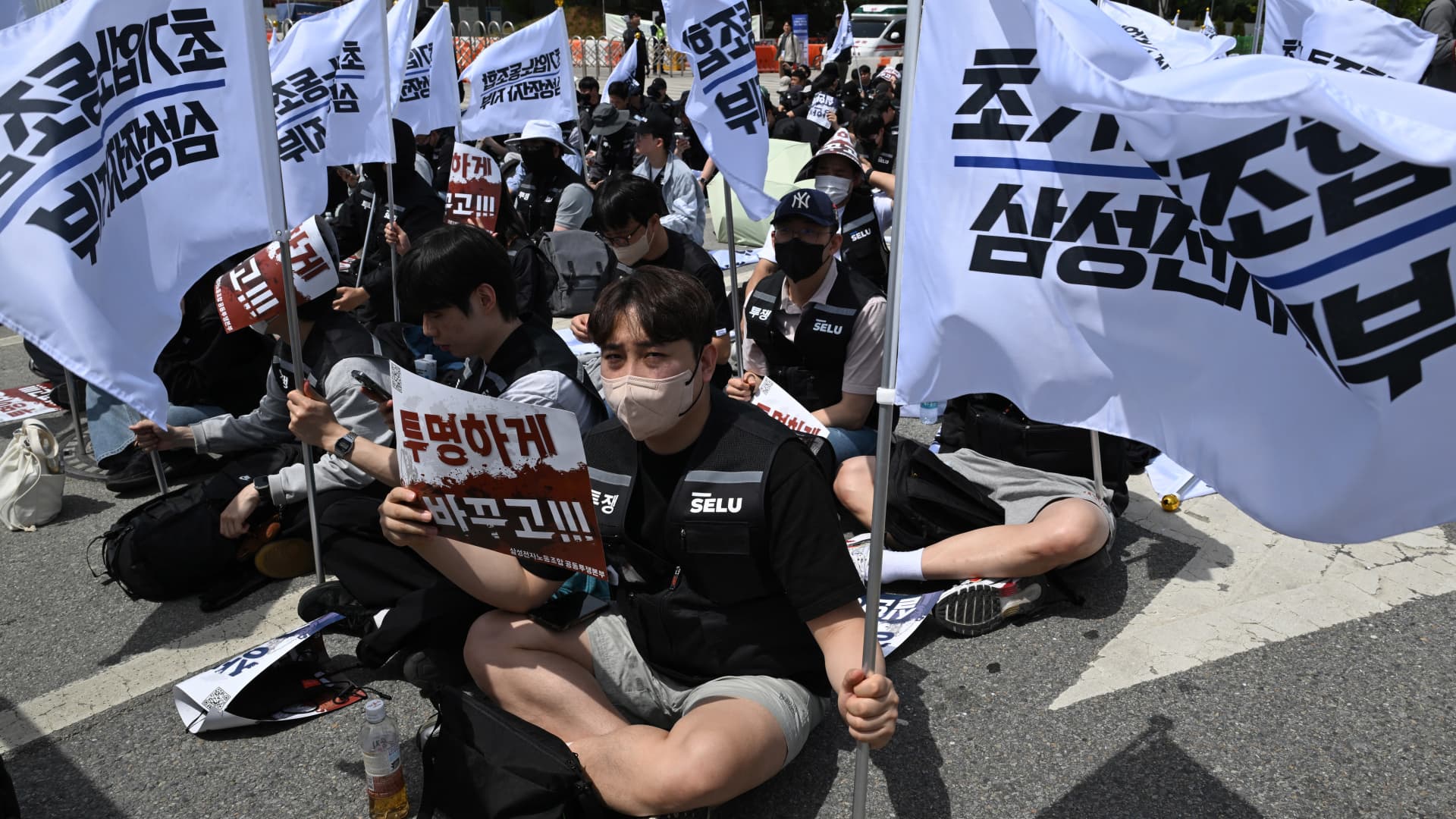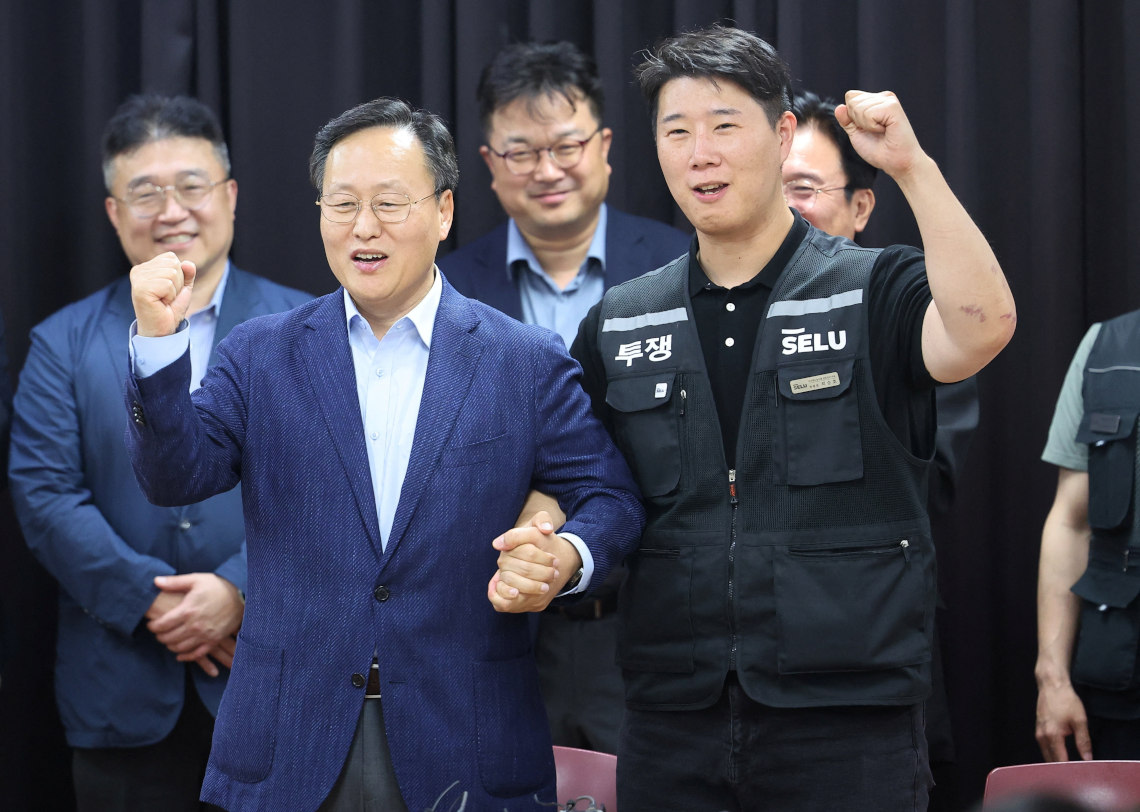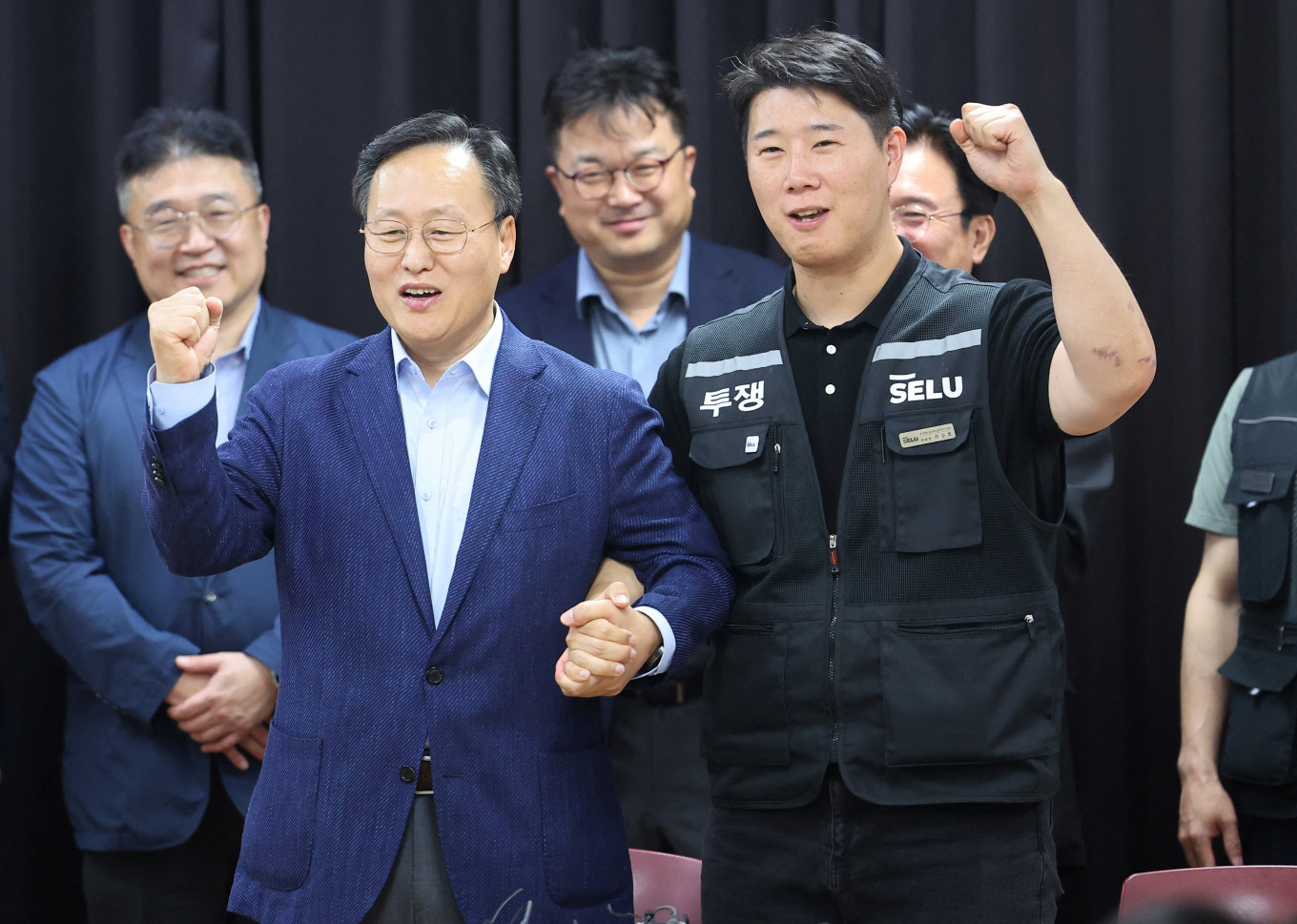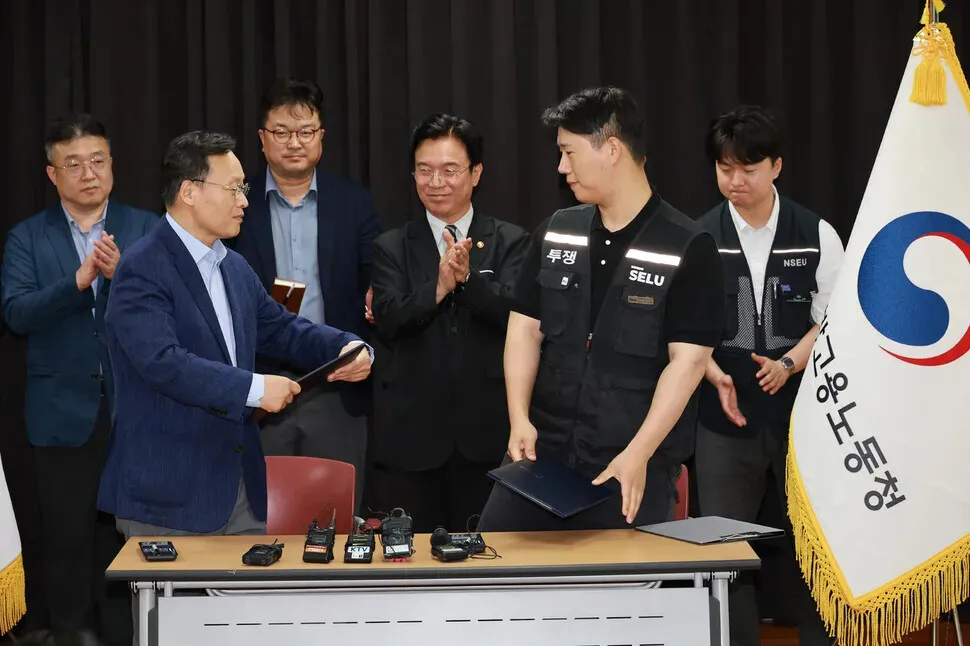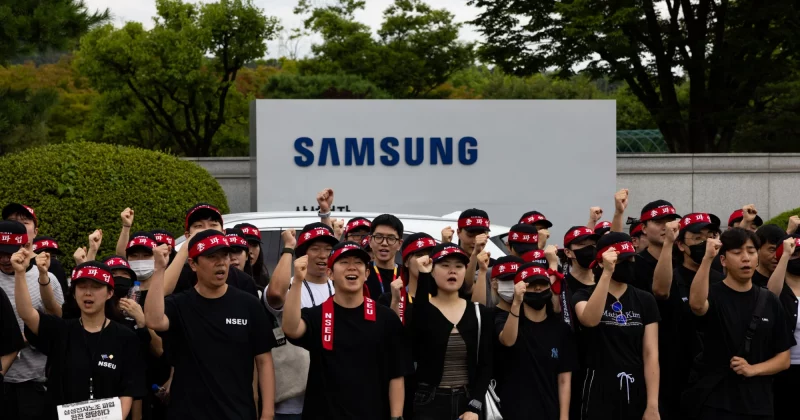
Samsung Electronics just dodged what could have been one of the most expensive labor disruptions in semiconductor history. A tentative wage agreement, brokered through government mediation, has averted a planned 18-day strike involving nearly 48,000 union members that was set to begin on May 21, 2026.
The market’s reaction was immediate and emphatic. Samsung shares jumped as much as 6.5% on the news, a rare single-day move for a company with a market cap that makes it one of the largest in Asia.
The bonus math that nearly broke Samsung
Here’s the thing about this dispute: it wasn’t really about base pay. The fight centered on a wildly uneven bonus structure between Samsung’s divisions. Memory chip employees, the ones riding the AI boom and printing money for the company, were offered bonuses equivalent to roughly 607% of their annual salary. That works out to approximately $477,000 per person.
Meanwhile, workers in the foundry and System LSI units, which have been far less profitable, were looking at bonuses of just 50% to 100% of their annual salary. In English: some colleagues were getting life-changing payouts while others in the same building were getting a fraction. That kind of gap tends to create tension.