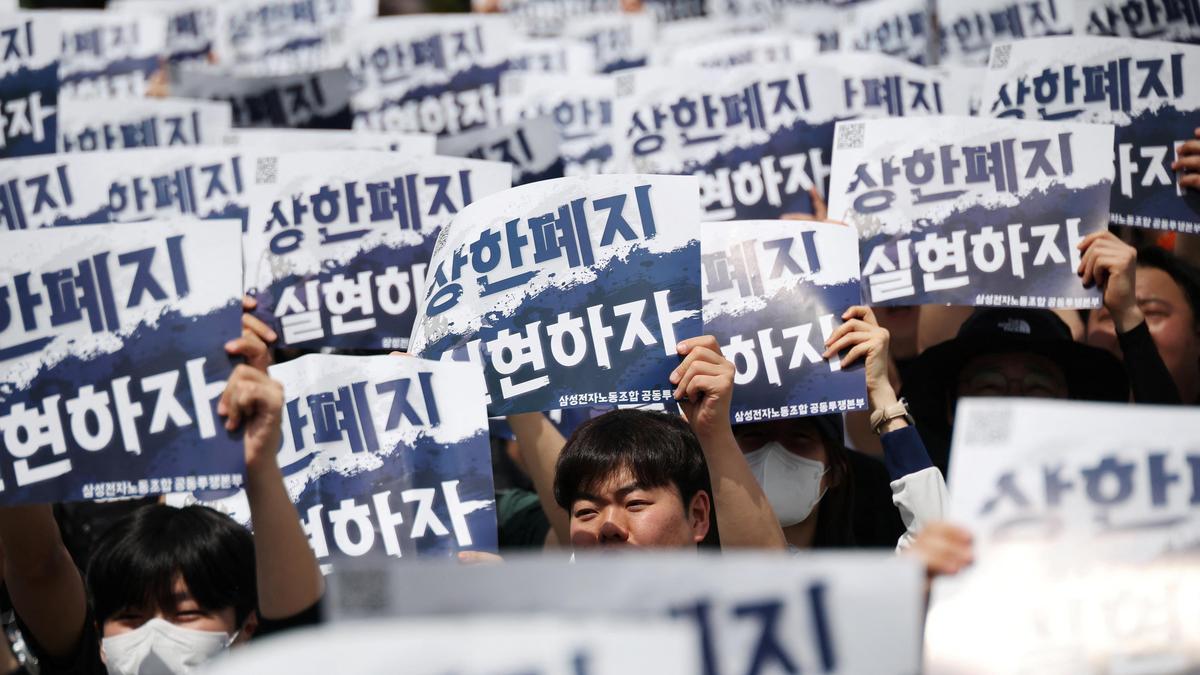
What pushed workers to the edge is connected to Samsung’s rival SK Hynix [File]
| Photo Credit: REUTERS
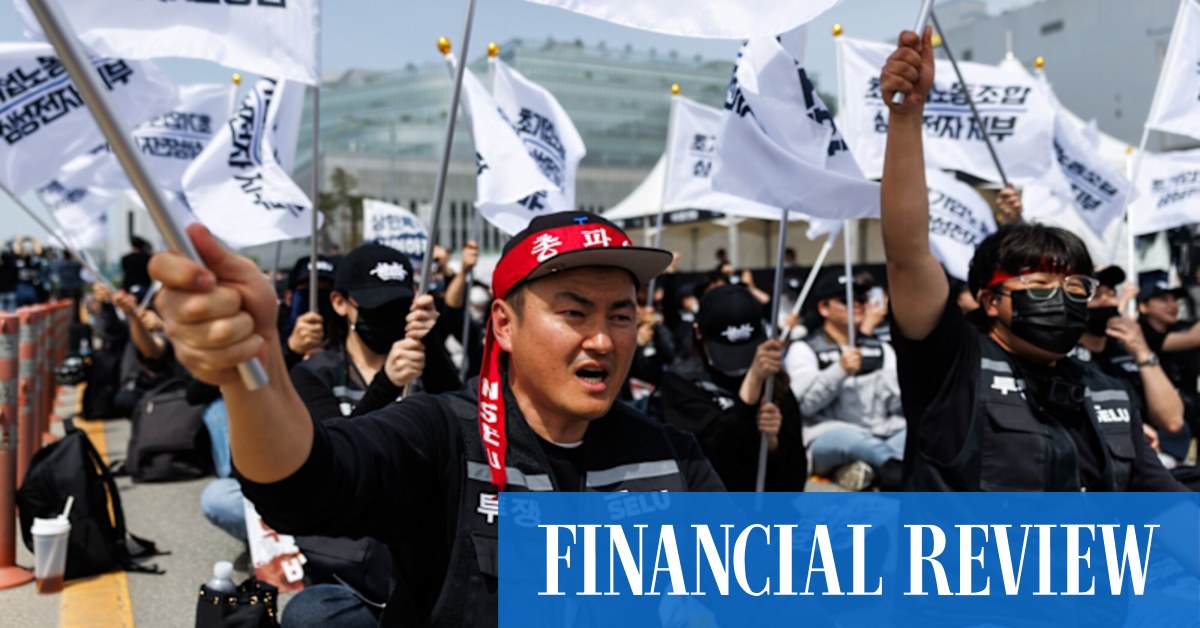
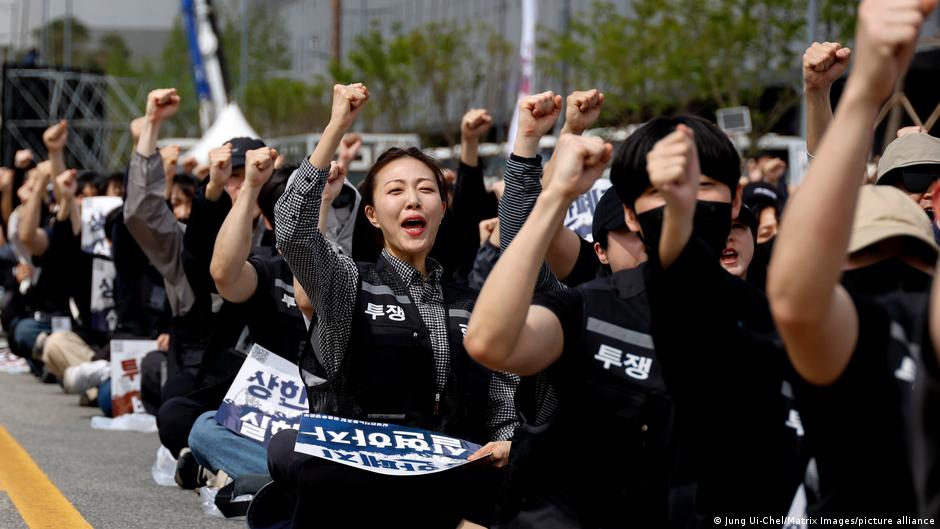
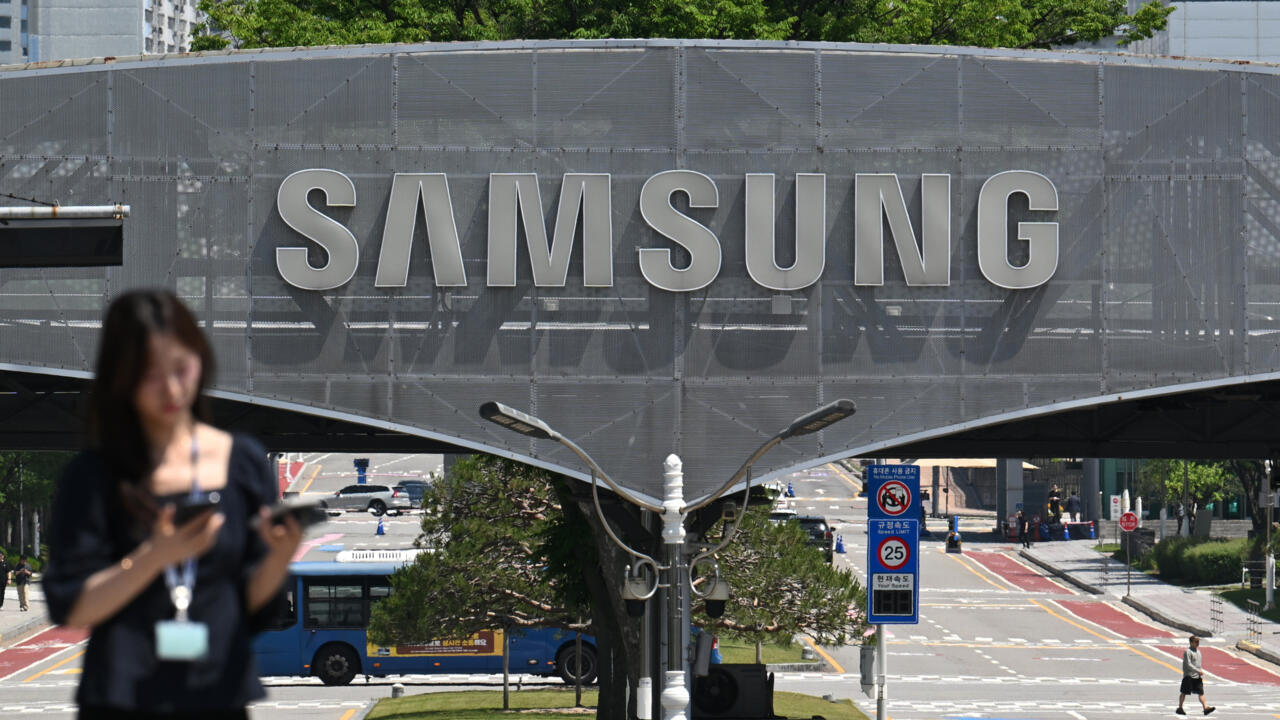
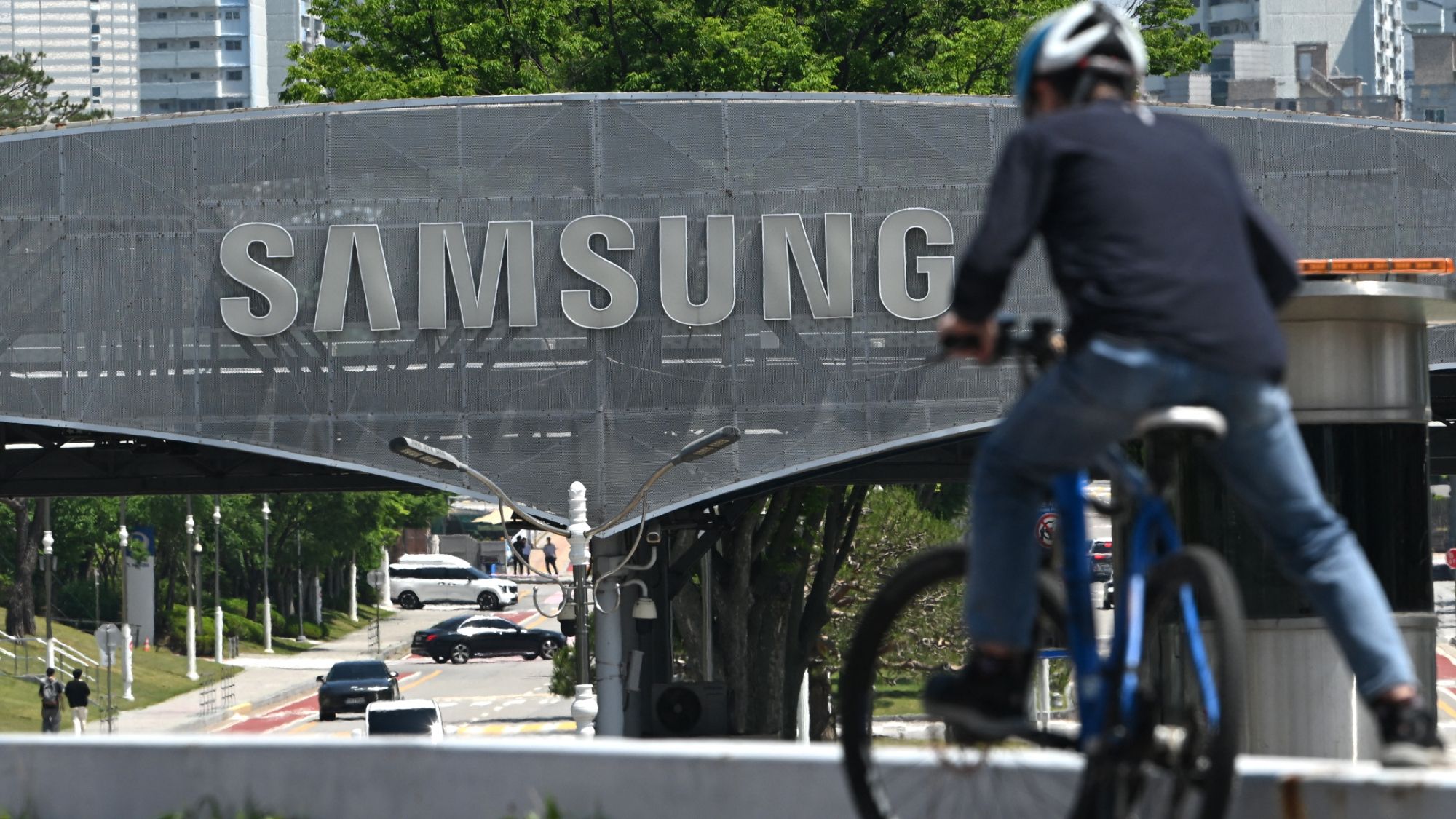
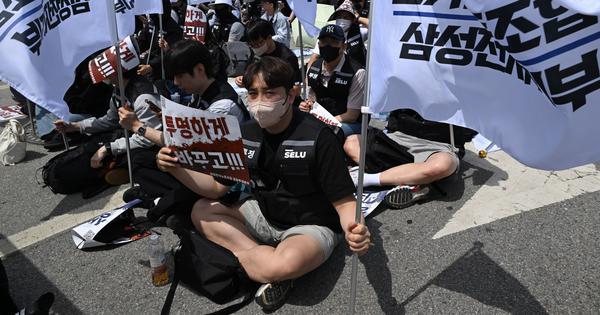
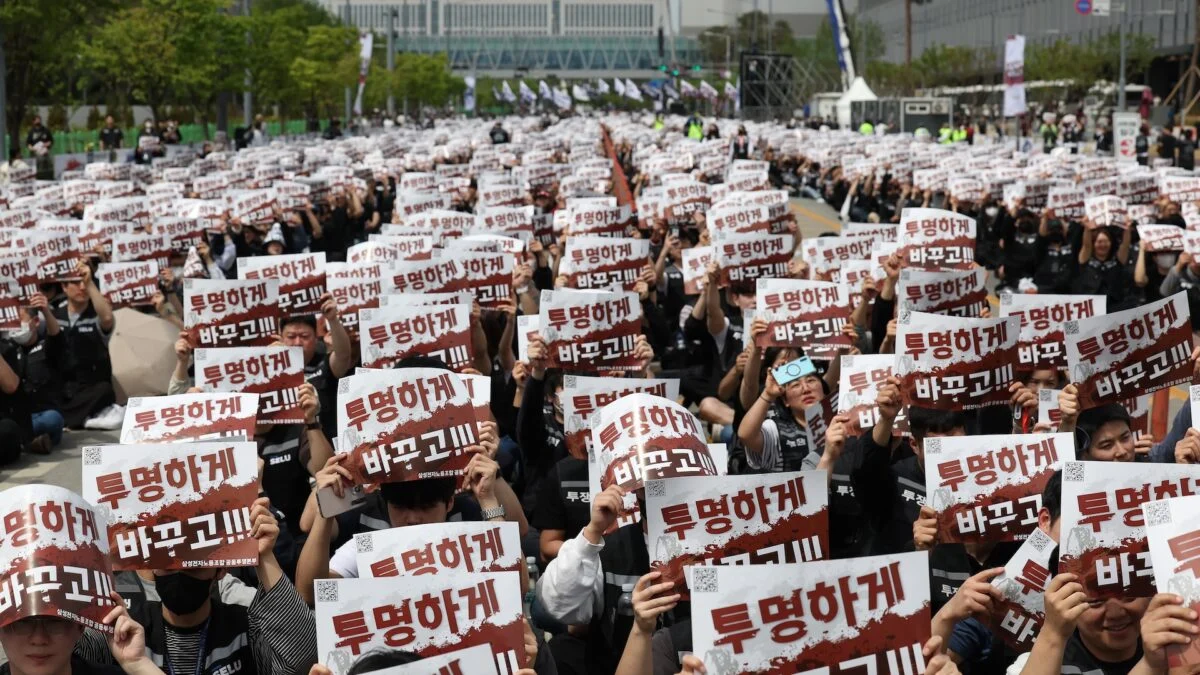
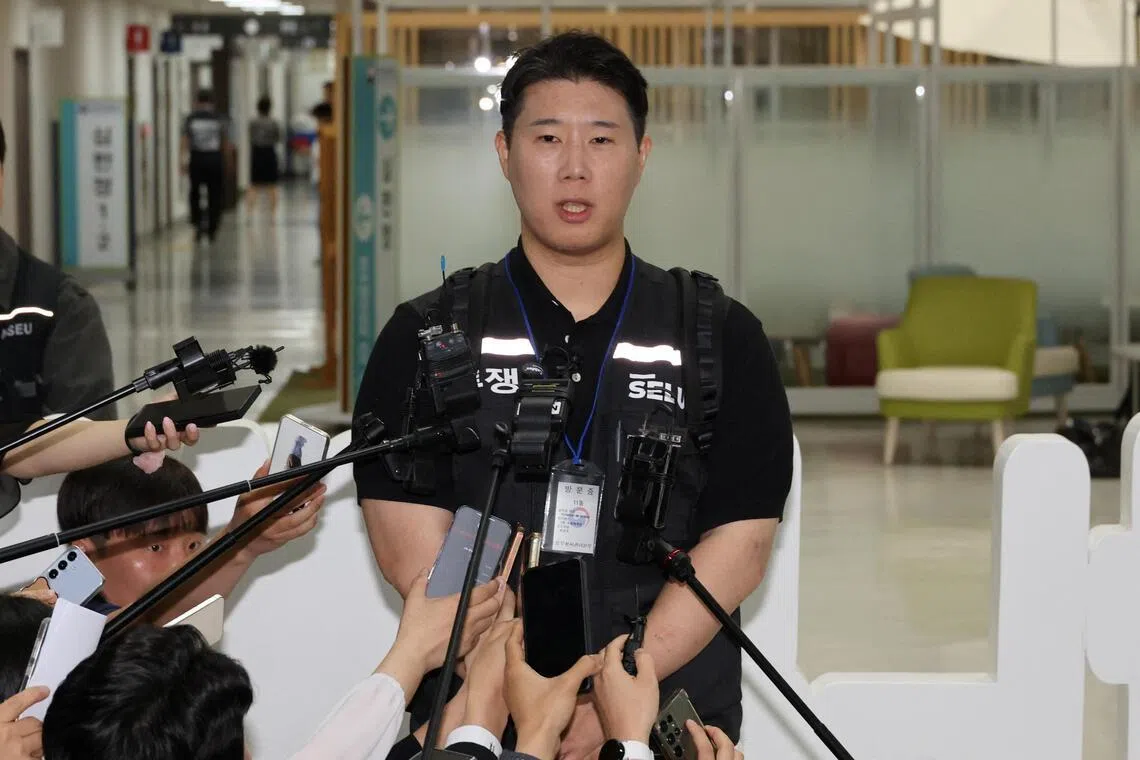
South Korean technology giant Samsung has had a record year. Thanks to the boom in AI infrastructure, the company’s chips are in high demand, pushing its profitability up to an all time high. But the memory chipmaker’s employees weren’t happy as tens of thousands of workers were planning on going on an 18-day strike, a stoppage that would have rattled supply chains already under pressure from soaring AI infrastructure demand. But a last-minute deal between the management and the union pulled Samsung back from the brink.On May 27, Samsung’s union workers voted, by a margin of 74%, to accept a new wage deal that attempts to finally square the ledger.As part of the deal, Samsung will distribute roughly $26.6 billion to employees in its semiconductor division, the unit that makes the DRAM and NAND Flash memory chips that are central to every AI data centre on the planet. Based on estimated 2026 operating profits, that works out to an average payout of around $340,000 per chip-division employee.The bonuses, structured as 10.5% of annual operating profit in stock and a further 1.5% in cash, will run for a decade, per media reports, provided Samsung hits its profit targets. According to some analysts, the company is projected to grow seven-fold this year alone.What pushed workers to the edge is connected to Samsung’s rival SK Hynix, which makes the high-bandwidth memory chips used in Nvidia’s most powerful AI accelerators. Last year, it agreed to allocate 10% of annual operating profit to a bonus pool with no ceiling. On current projections, SK Hynix workers stand to collect upwards of $460,000 per person this year — a bonus value per employee that is significantly higher than what Samsung’s management agreed to pay its staff.Union chair Choi told members that roughly 200 Samsung employees had left for SK Hynix in the preceding four months. When the talent starts walking, the negotiating dynamic shifts entirely. Samsung’s management ultimately settled at 10.5% of profit — higher than SK Hynix’s rate, but with conditions attached.The union had demanded 15%, and the removal of an existing cap on one component of the bonus structure. It got the latter but not the former. Whether the workforce considers the deal a victory or a partial concession will likely depend on which division they sit in.The $340,000 average applies to the semiconductor division’s 78,000 employees — the men and women making the memory chips that are, right now, among the most strategically valuable manufactured objects on earth. For Samsung’s mobile division workers, the same deal delivers approximately $4,000. LSI division employees, who design the company’s own chips, are in line for around $100,000. So, even after a deal, Samsung’s management will have to assuage workers who perceive their compensation to be unfair.The company is also facing a legal challenge from its shareholders who argue the payout is too generous. That fight will play out in Korean courts. But the more persistent problem is internal. A workforce that can see exactly where the company thinks their contribution ends and another’s begins. A one-time deal cannot fully resolve this issue.These challenges don’t diminish the real impact of the present deal. For the first time, a major semiconductor manufacturer has made a structural, multi-year commitment to pass the profits of the AI boom directly to the workers on its factory floors.The AI industry has spent considerable energy debating how its wealth should be distributed. Samsung management’s recent handshake with its workers’ union shows a way to make that happen. It isn’t fairy tale ending, but deal that will stem the flow of talent to SK Hynix. Published - May 28, 2026 02:36 pm IST