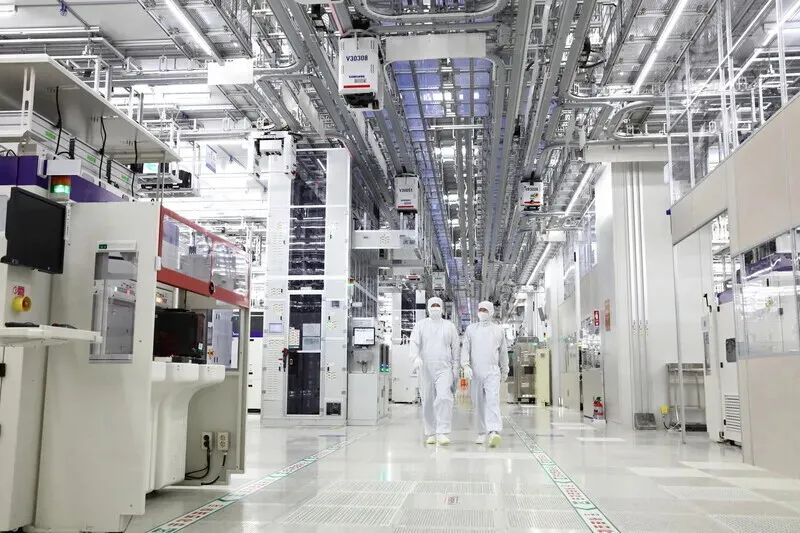
The semiconductor production line at Samsung Electronics’ Pyeongtaek campus. (courtesy Samsung Electronics)
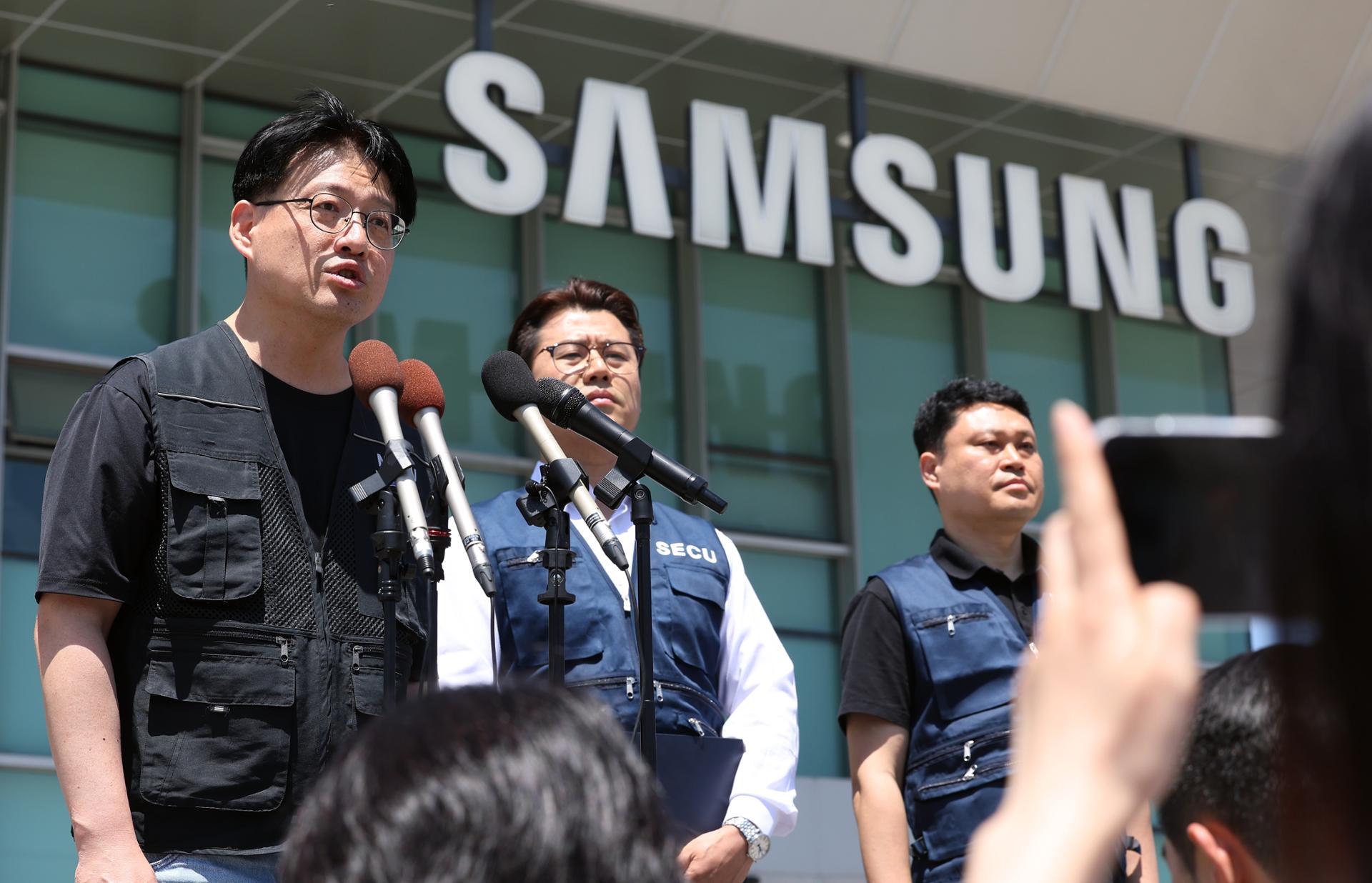
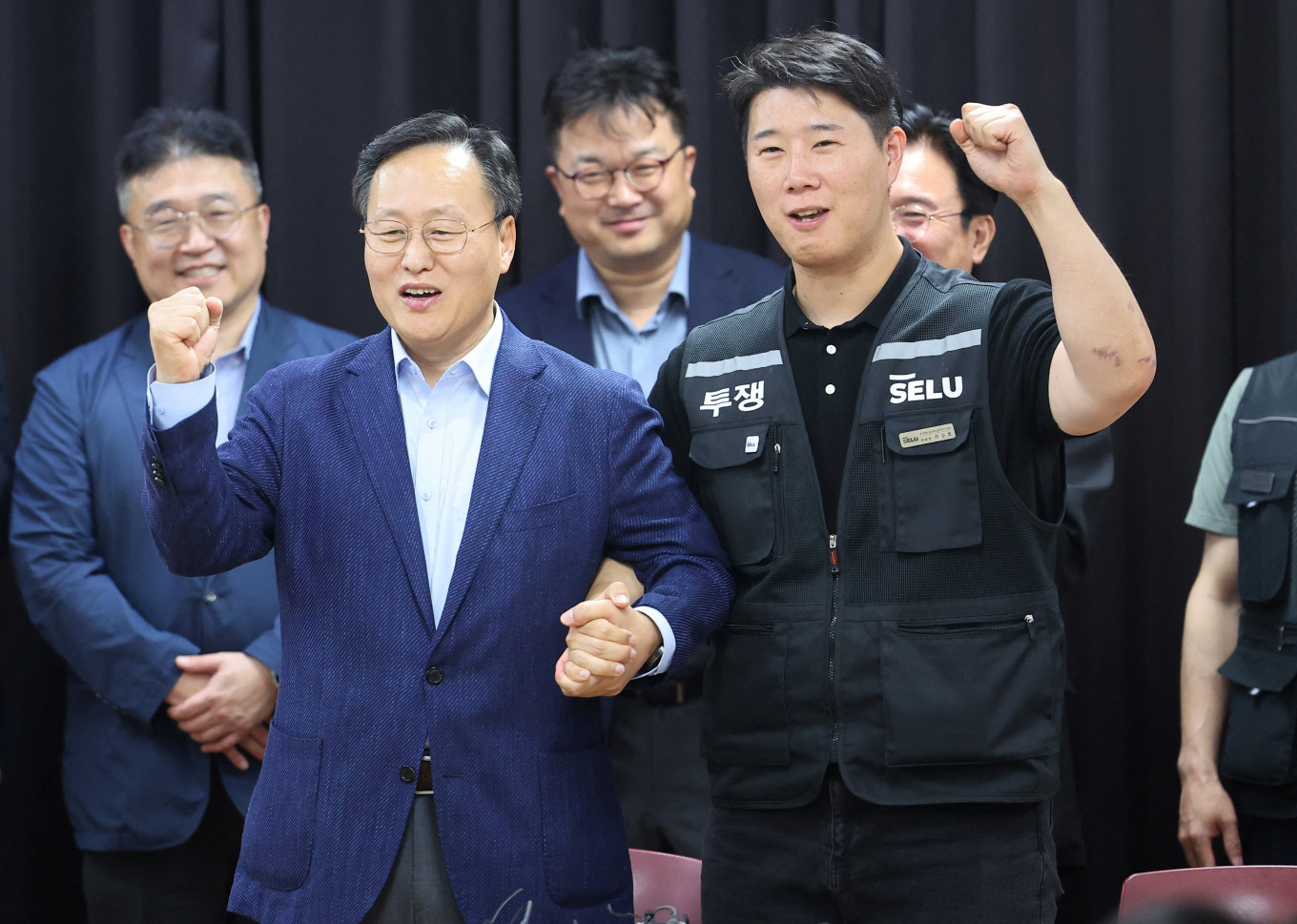
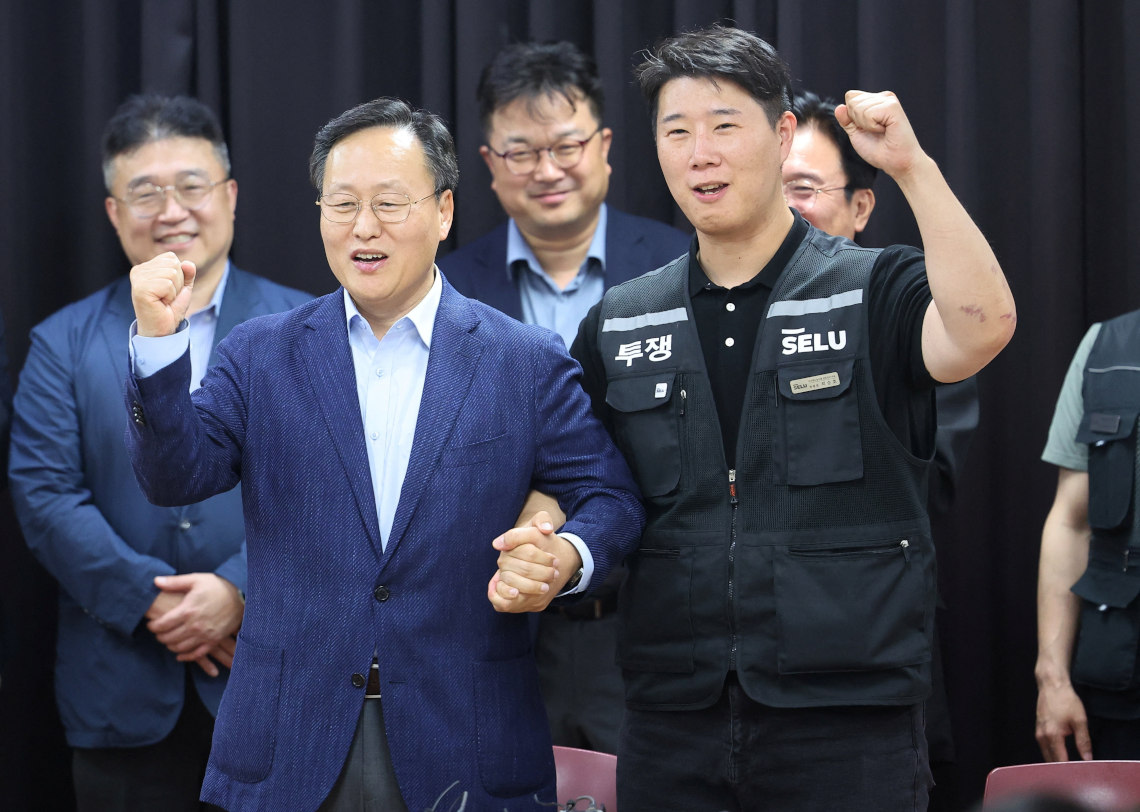
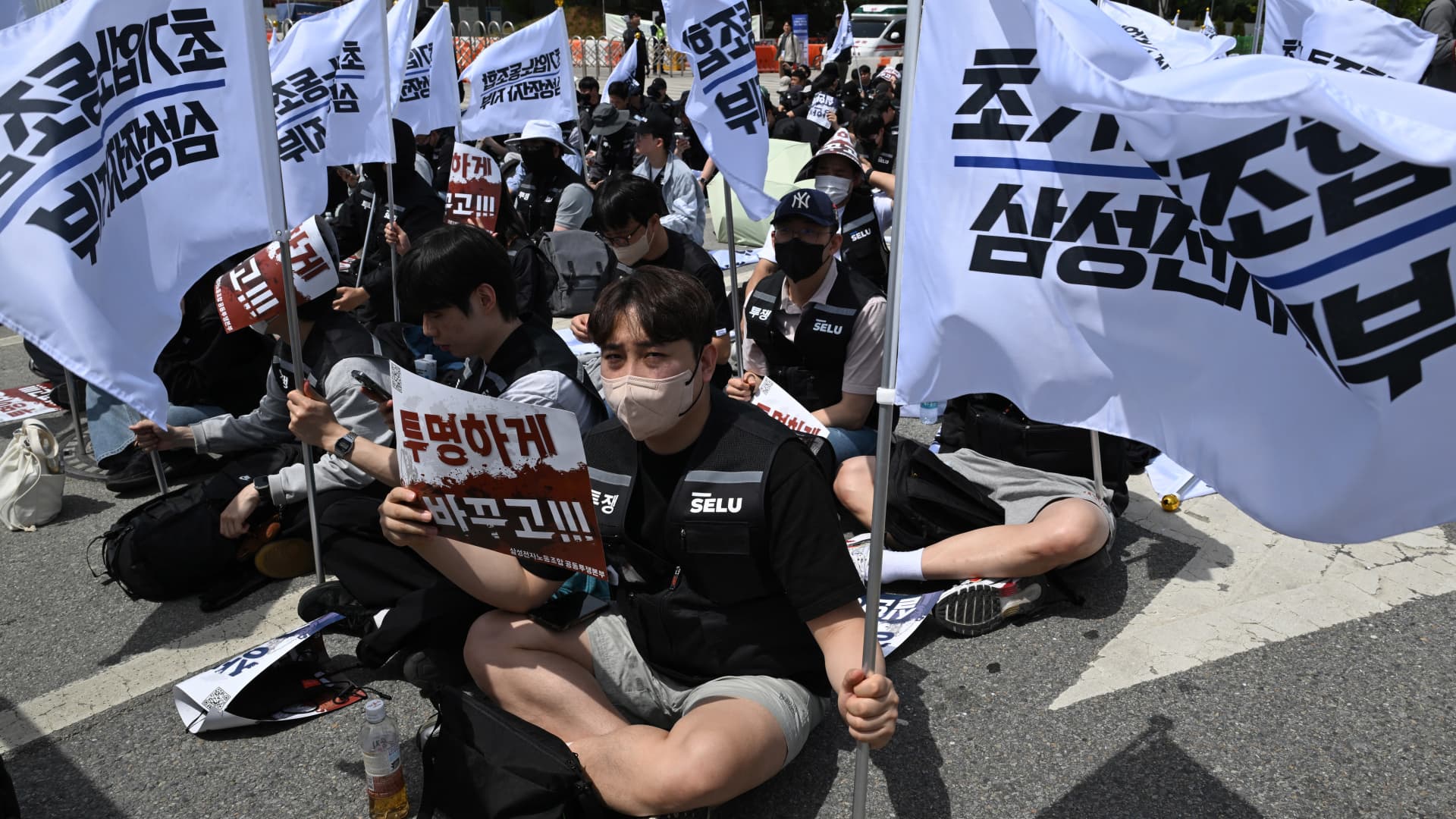
Managers and union leaders at Samsung Electronics signed a tentative agreement on Wednesday evening with barely an hour to go before an impending strike.Both sides gave ground in their dispute over calculating bonuses, paving the way for a photo-finish breakthrough. The Korean government’s steady efforts to broker a deal paid off as well.The outcome was fortunate given grave concerns that a strike at Samsung Electronics could have serious ramifications not only for the company, but for the Korean economy as a whole.Samsung management and labor’s dramatic agreement was reached after the minister of employment and labor personally joined the negotiating table following the breakdown of mediation that morning.Under the tentative agreement, the bonus payout will apparently amount to 12% of profit, a rate that includes a 1.5% overall performance incentive (OPI) and a 10.5% special performance payout for the semiconductor division (officially called Device Solutions, or DS for short). The entire special bonus will be paid in company shares that cannot be liquidated for as long as two years.The two sides agreed that 40% of the bonus will be divided equally across the semiconductor division while 60% will be disbursed to profitable departments.While the union accepted management’s performance-based system, it still gained a concession: a 60% cap on the shared bonus payout rate for departments running a deficit will be suspended for one year.The tentative agreement will take effect as long as it gains the approval of a majority of union members in a vote on May 22-27.The bonus dispute at Samsung Electronics has kicked off a larger debate in Korean society about how to fairly distribute excess profits. The demand that bonuses be calculated as a given percentage of operating profit — which was a particularly contentious part of the wrangling at Samsung — is spreading to other large conglomerates.But serious questions remain about whether it’s appropriate for workers to receive bonuses based on untaxed operating profits.We need to consider a reasonable and sustainable standard for profit-sharing that will strike a balance between compensation for workers’ contributions, stockholders’ interests and setting aside funds for future investment.During the debate, both workers and managers at Samsung Electronics took flak for disregarding the welfare of the numerous suppliers who are crucial members of the semiconductor ecosystem and their responsibility to the government that has, at least until now, been so unstinting in its support of the semiconductor industry.Apparently bowing to that criticism, the tentative agreement includes a pledge to “swiftly announce a plan for raising and operating funds to support the shared growth of our suppliers, contribute to local communities and ensure workplace safety.”That pledge needs to be followed up with a serious, concrete plan of action.While this historic boom in the semiconductor industry will lead to growth in the national economy, it will also widen the gap with disadvantaged sectors. That’s why we need a serious public debate about ways for excess profit to be shared with society.Please direct questions or comments to [english@hani.co.kr]