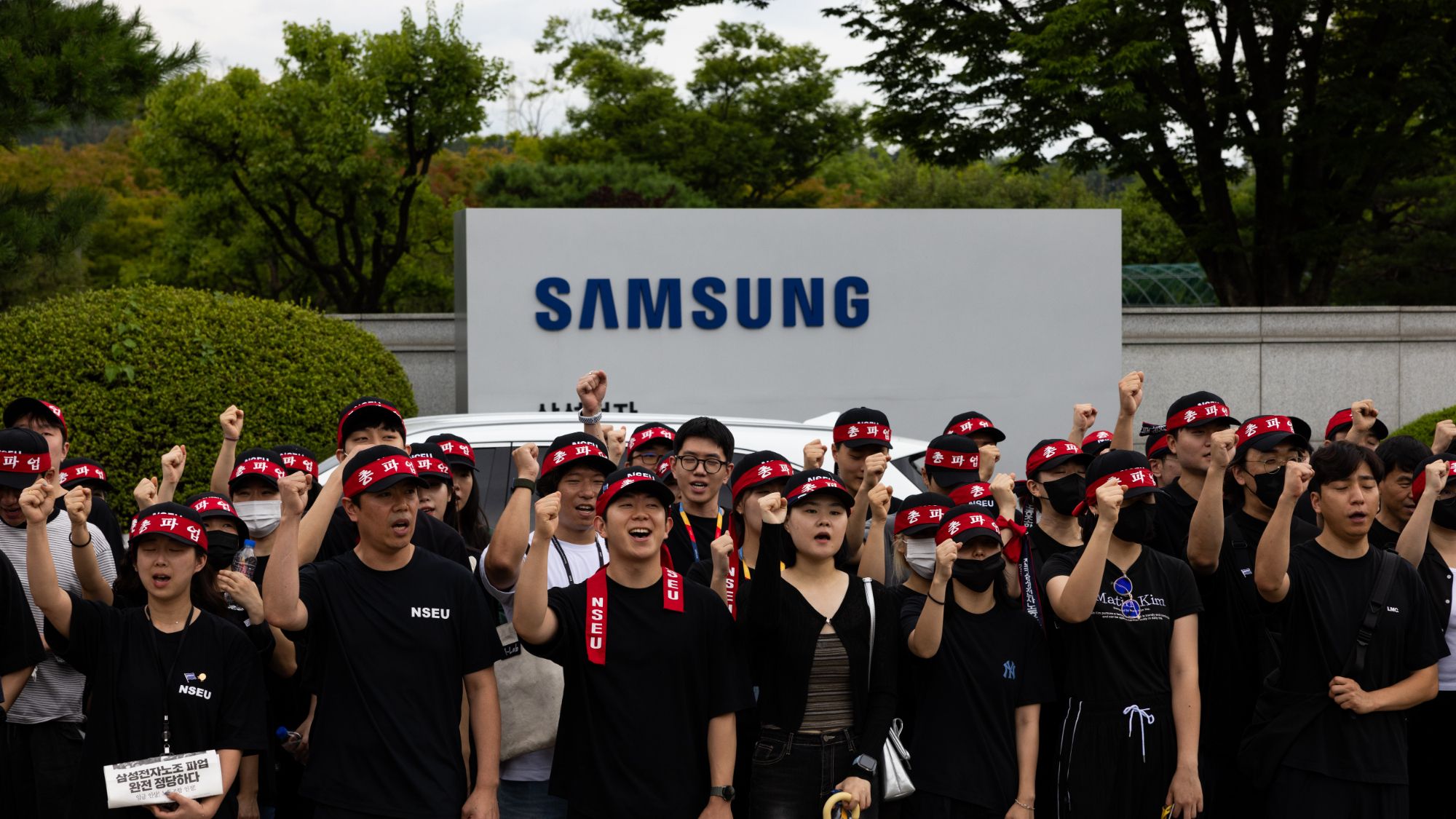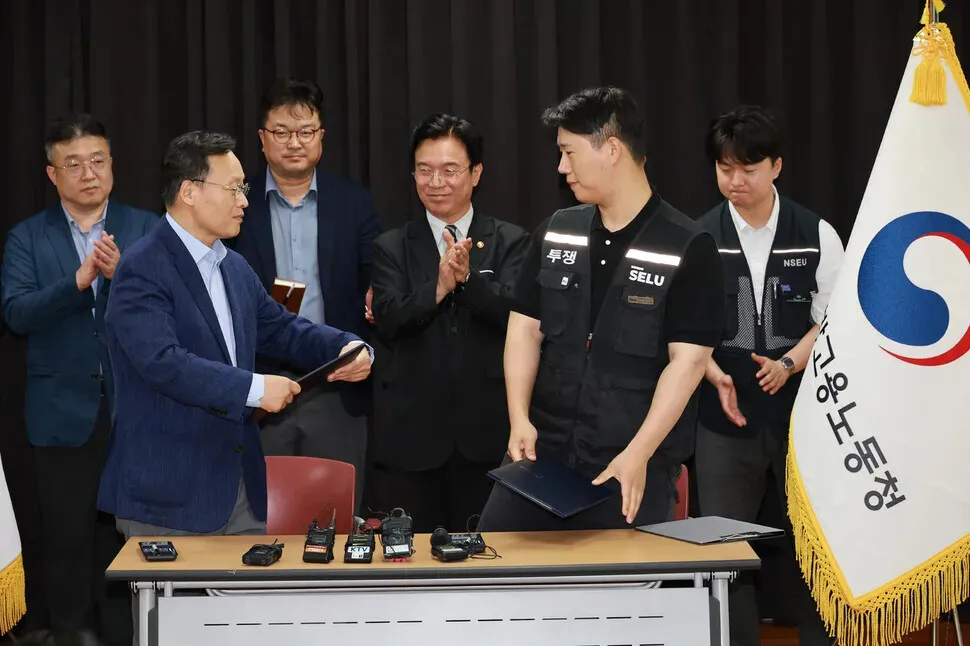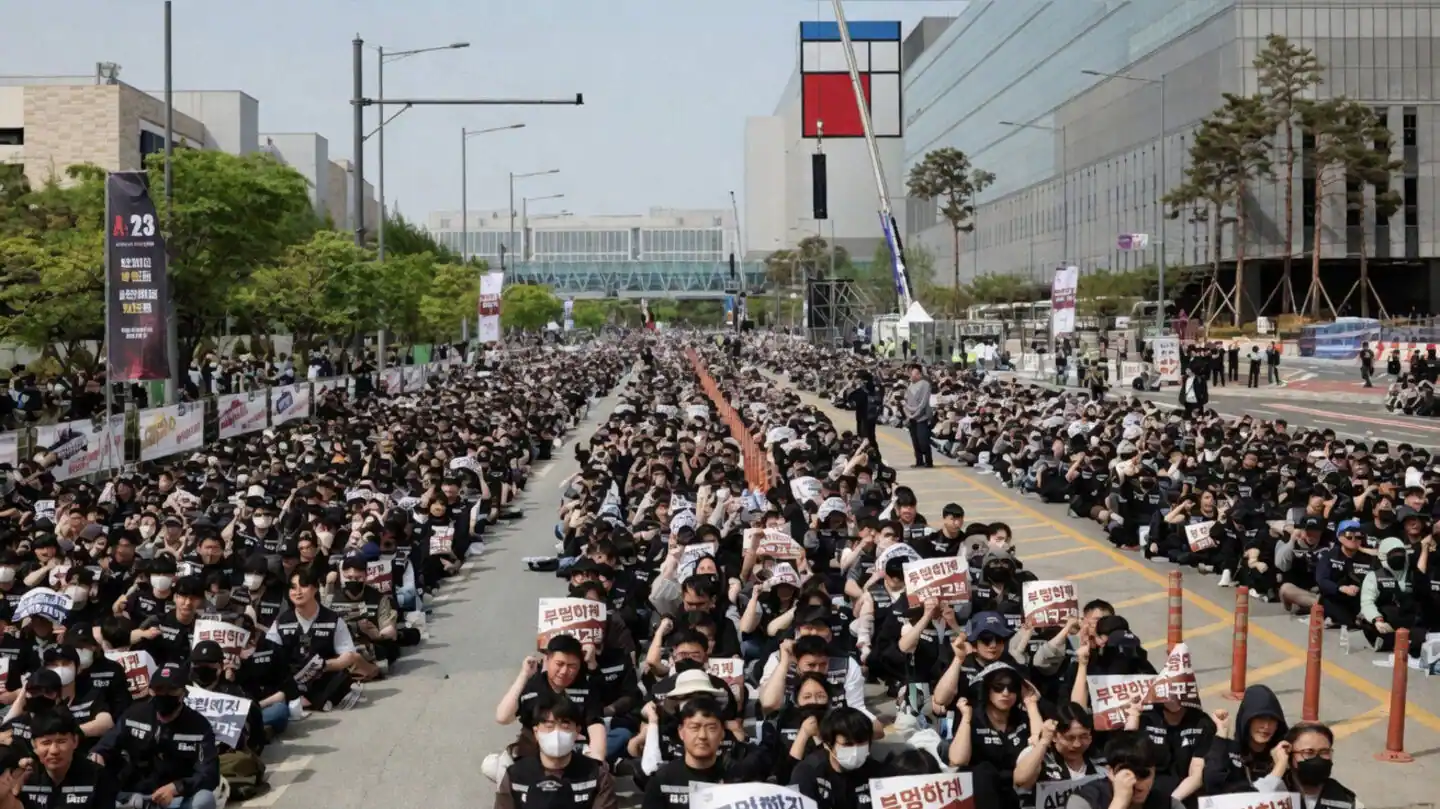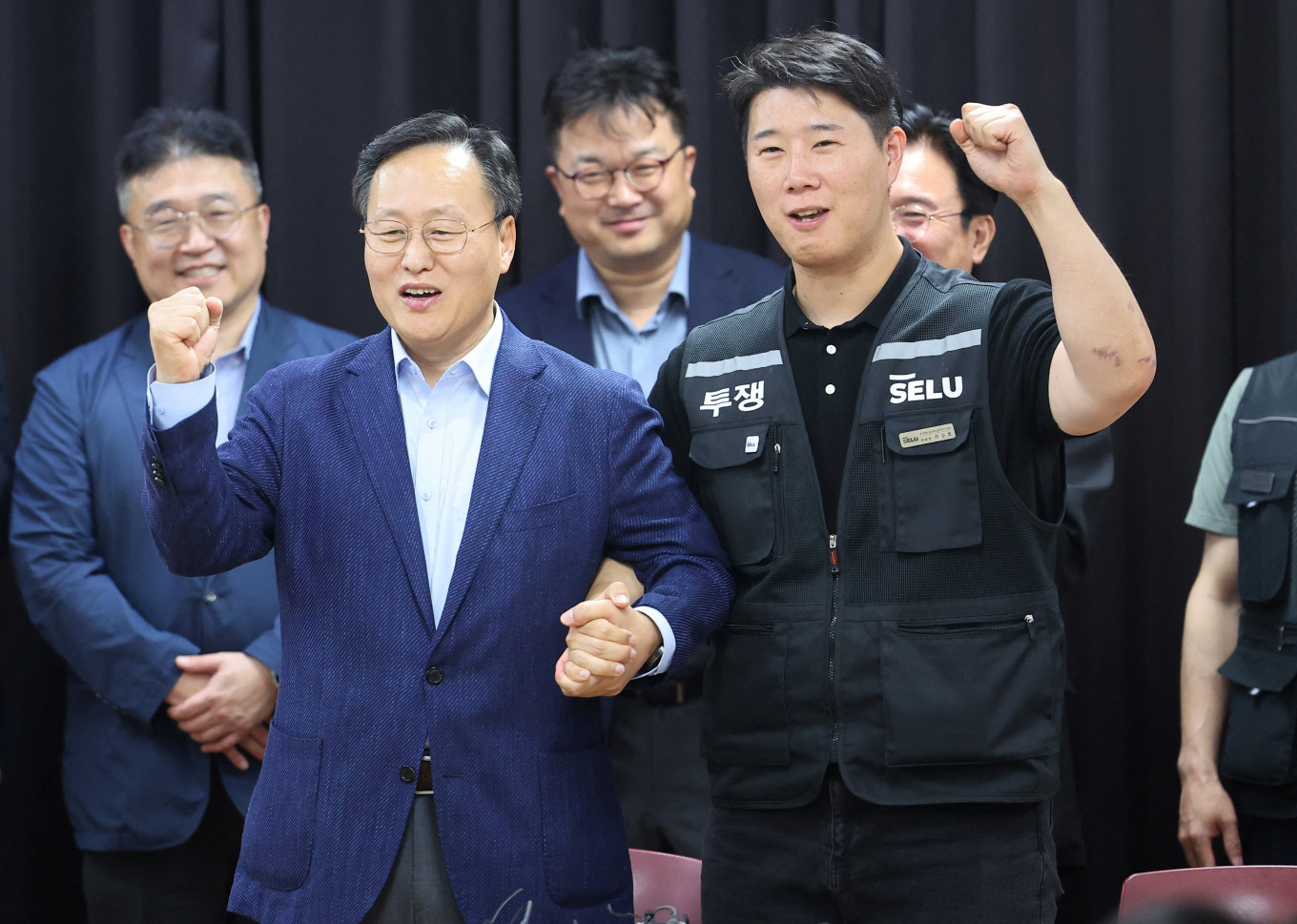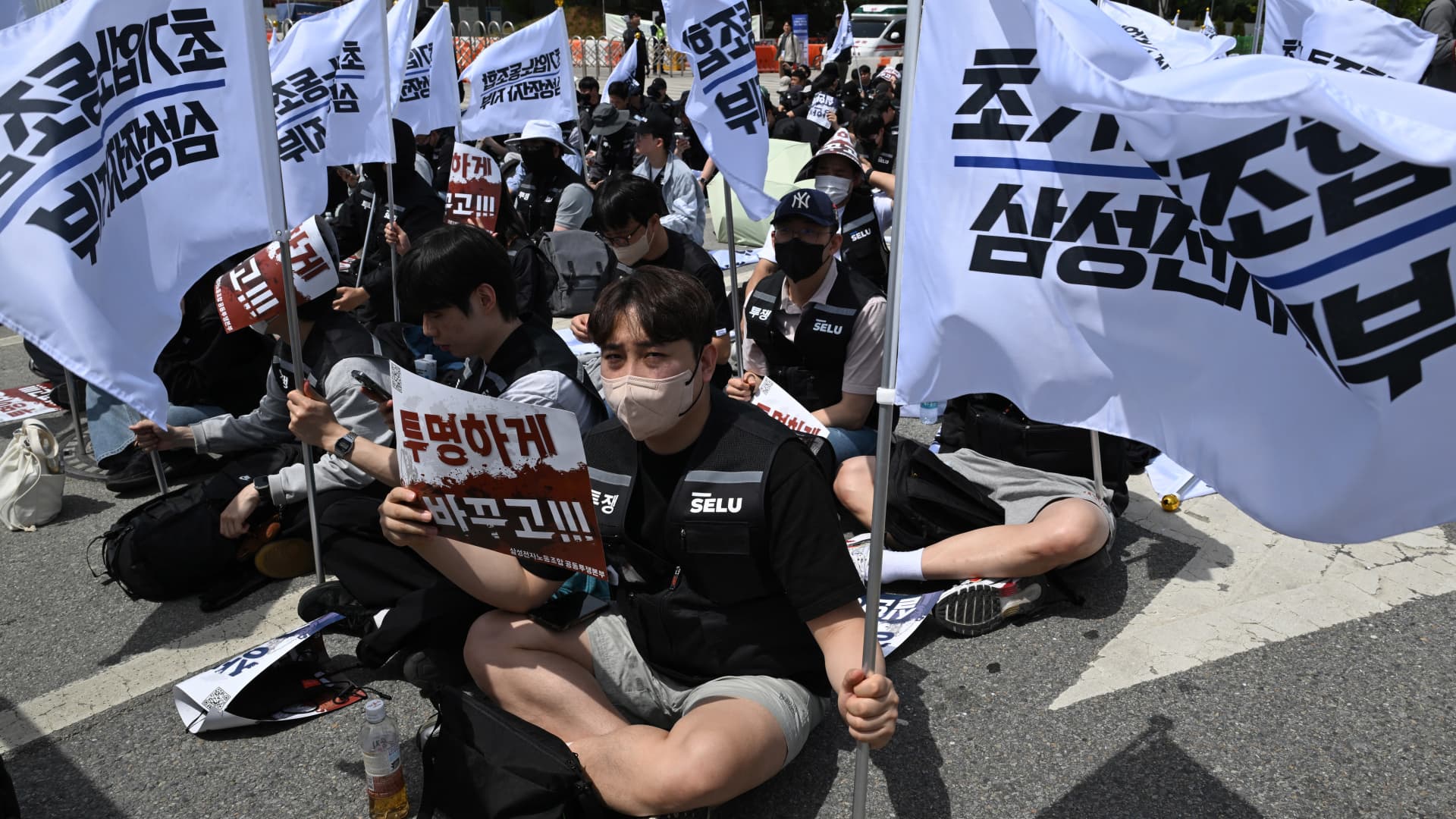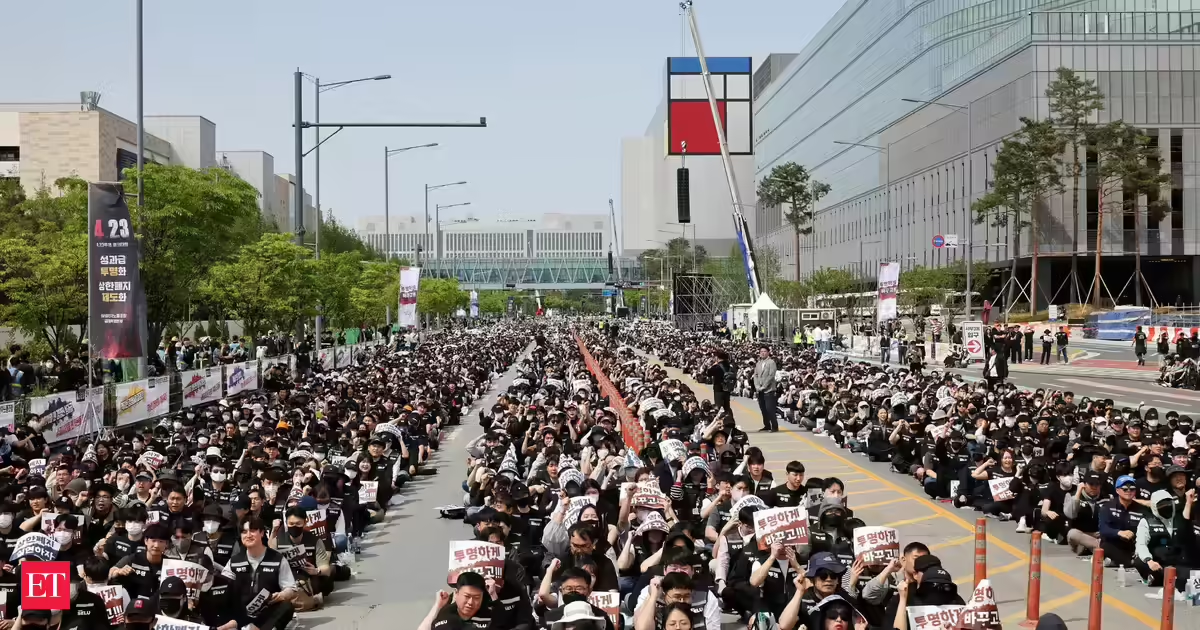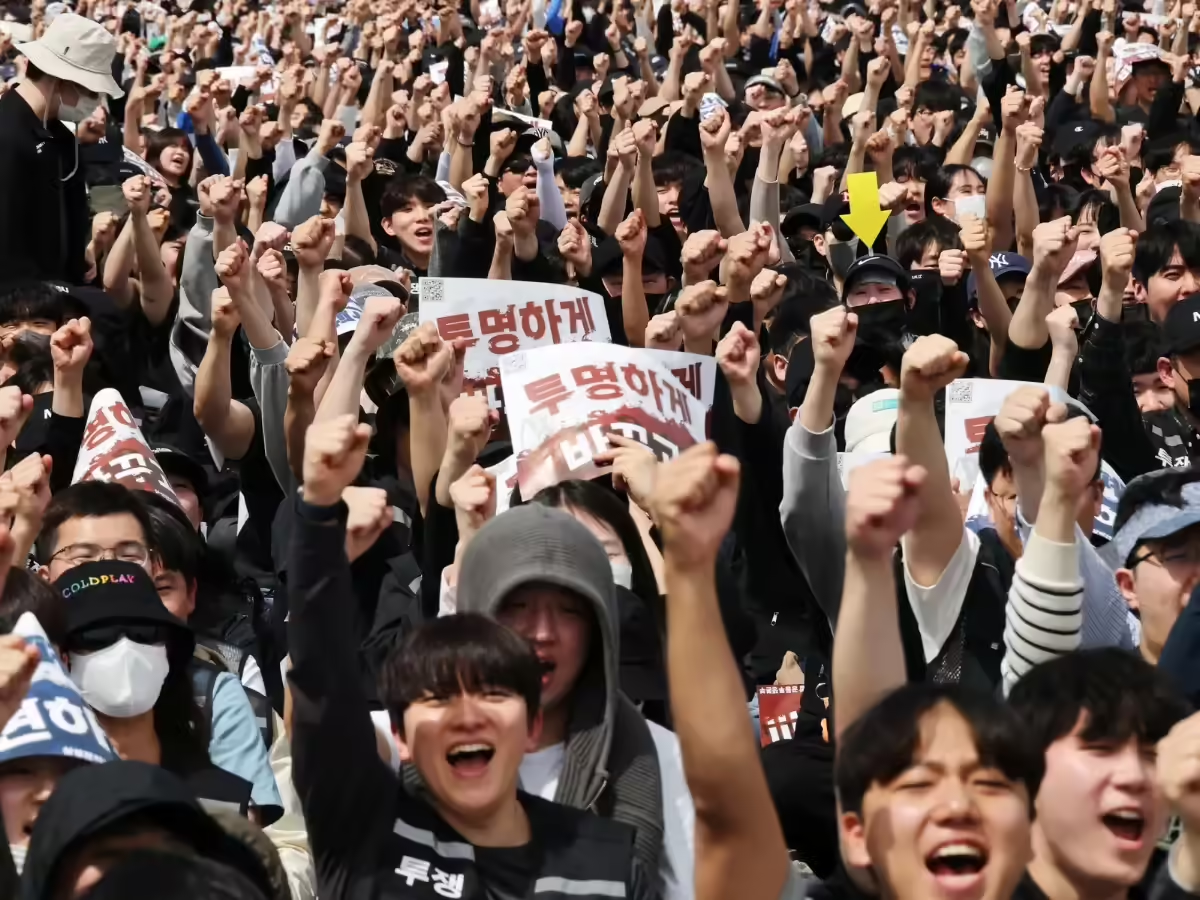
Samsung Electronics pulled off a corporate Hail Mary on May 20, reaching a tentative wage deal with its labor union just hours before a planned strike was set to begin. The walkout would have involved nearly 48,000 union members and lasted until June 7, potentially crippling operations at the company’s massive Pyeongtaek complex.
The agreement, brokered with South Korean government mediation, includes a 6.2% average base salary increase for 2026. But the headline number isn’t what’s causing friction inside Samsung’s ranks. That distinction belongs to a new performance bonus system for the semiconductor division that’s drawing a very visible line between the haves and the have-nots.
The deal and the divide
On the surface, everyone gets a 6.2% raise. Below that, semiconductor workers get access to a special performance bonus tied to 10.5% of business profits, paid proportionately in shares. For some memory-chip employees, those bonuses could reportedly reach around $416,000.
One-third of those special bonuses are immediately sellable. The remaining two-thirds are locked up for one or two years, creating a retention mechanism that also aligns semiconductor staff with long-term company performance.