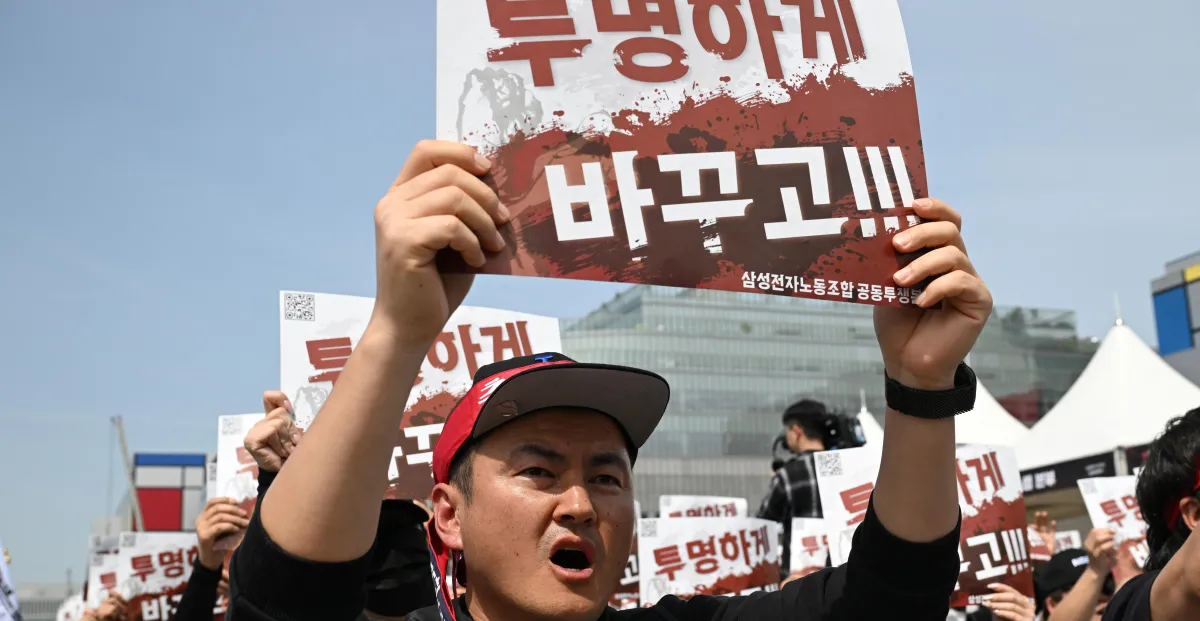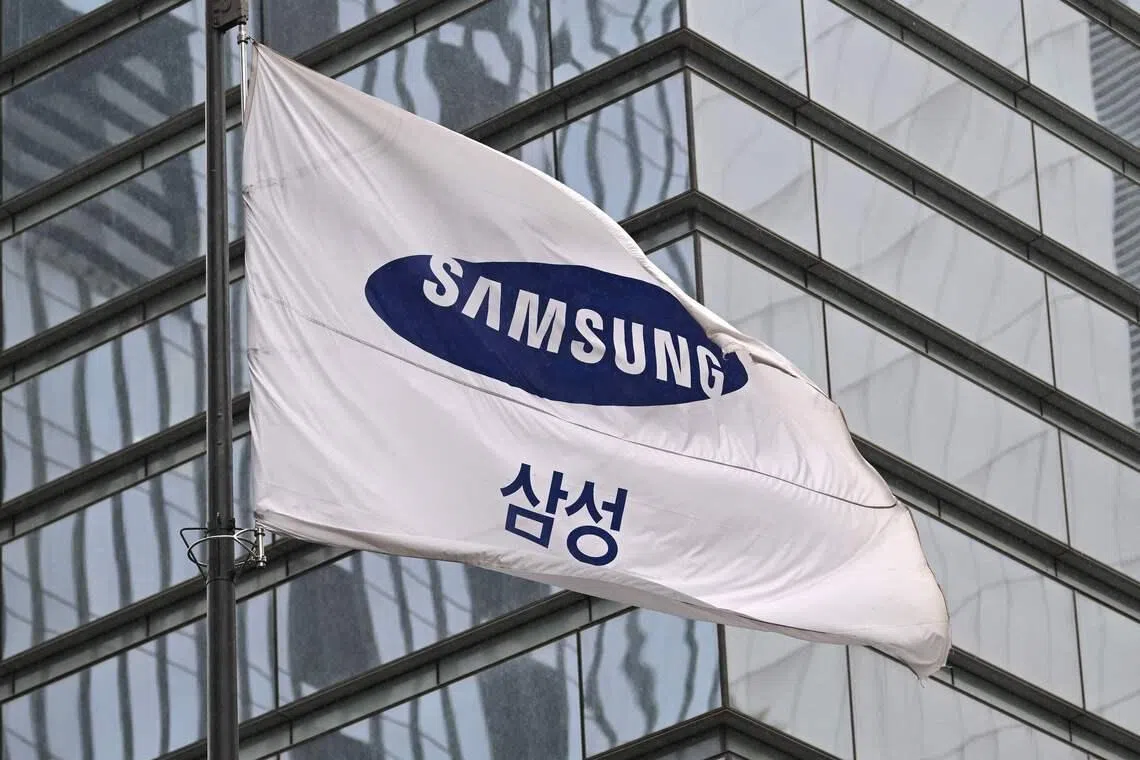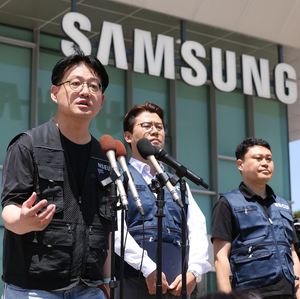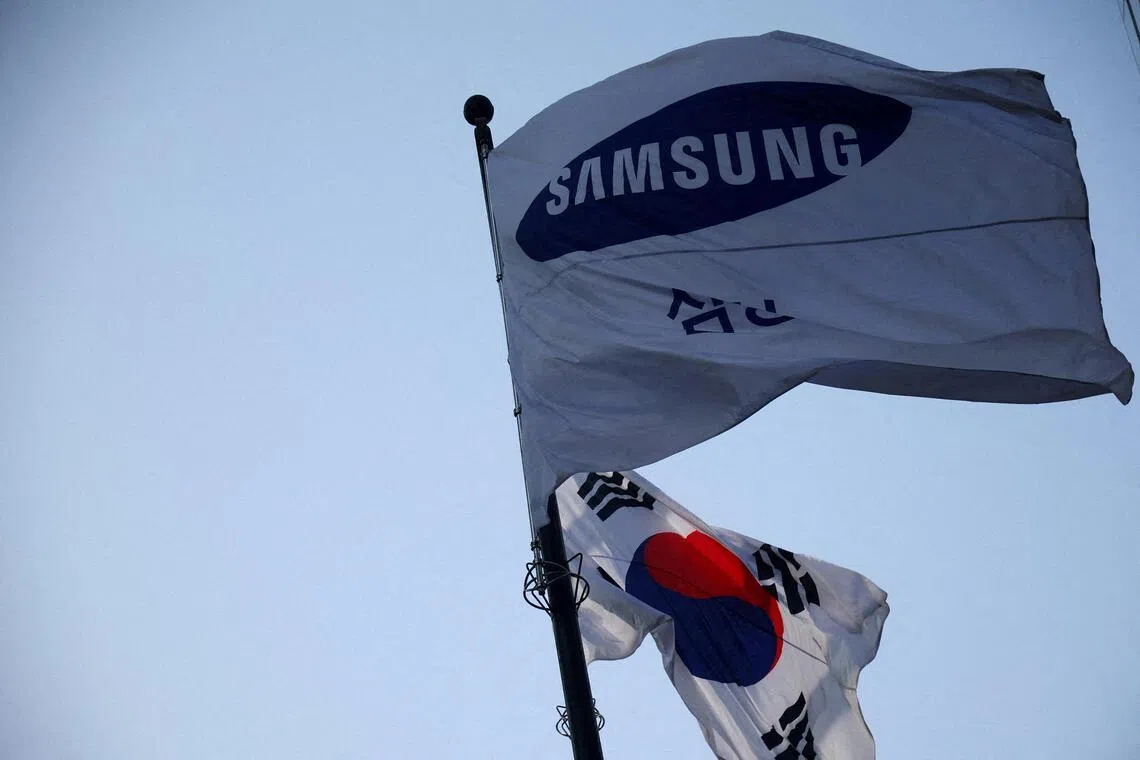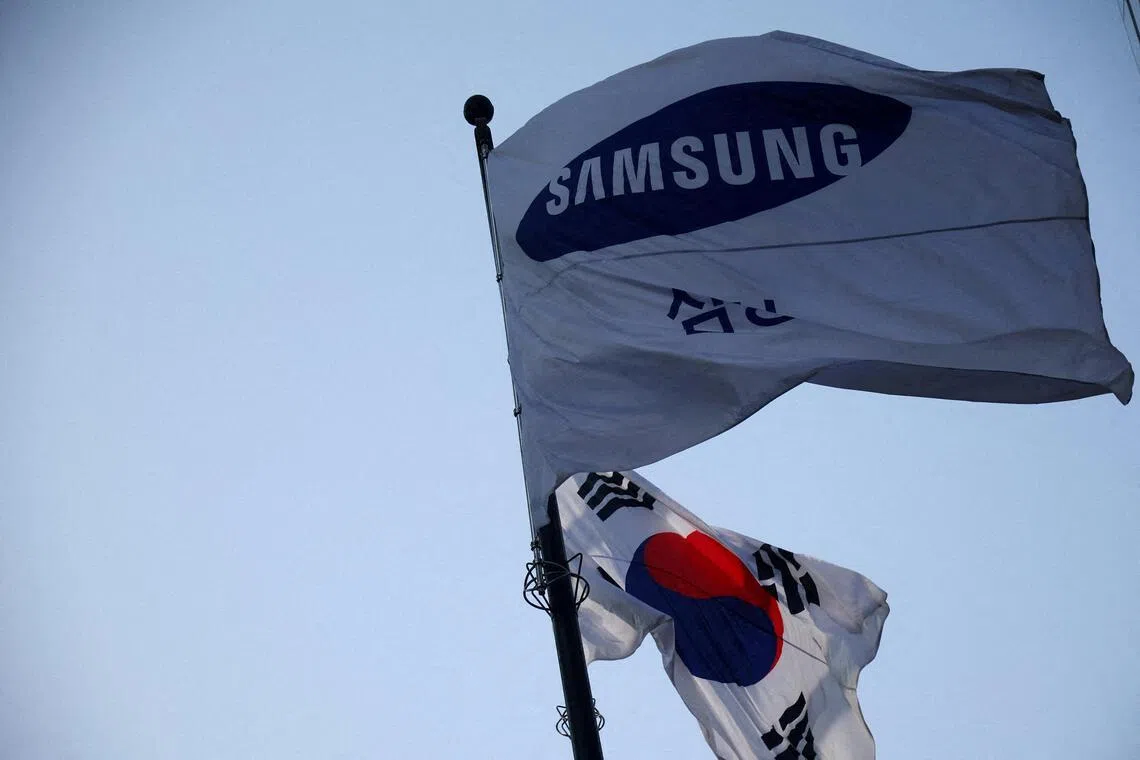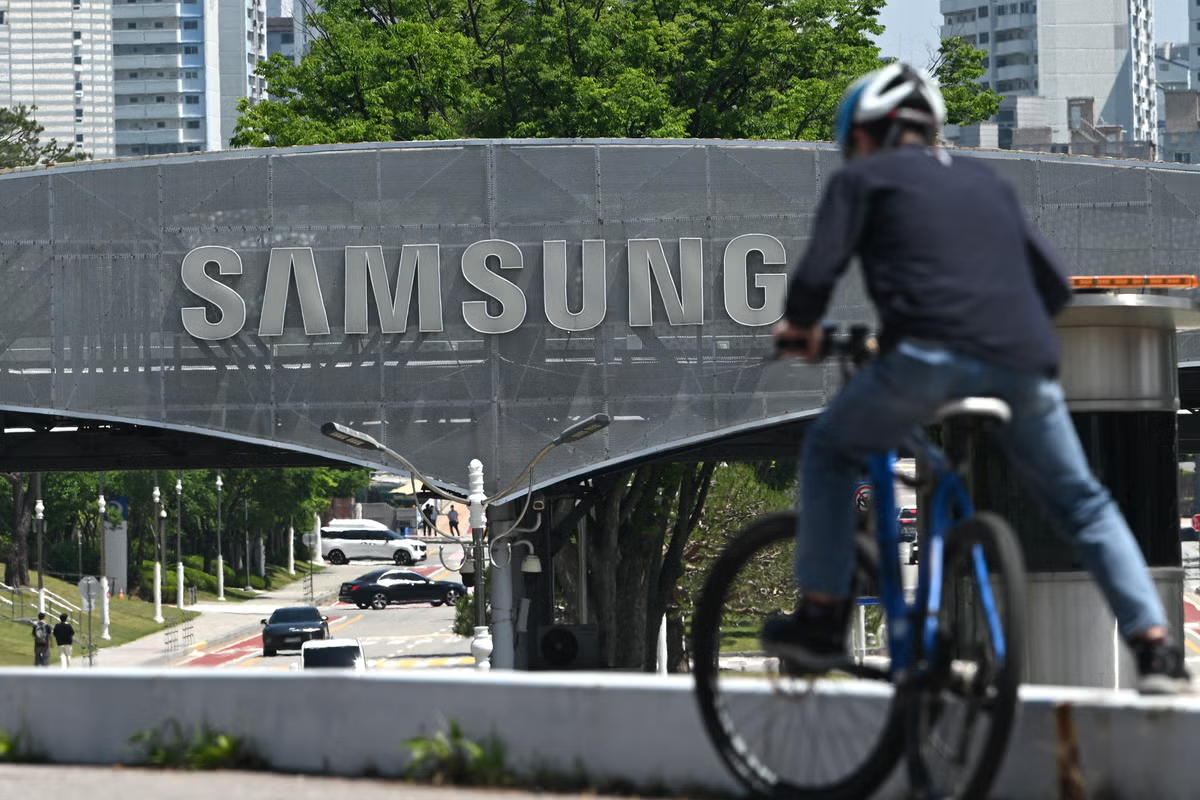
Samsung Electronics’ Seocho headquarters in Seoul (Yonhap) News that Samsung Electronics' management and labor unions agreed to a compensation plan linking bonuses to over 10 percent of business profits prompted significant online backlash Thursday.Under the agreement, employees in Samsung’s semiconductor division, known as DS, could receive performance bonuses as high as 600 million won ($398,000) before taxes this year, based on an annual salary of 100 million won.As reports of the deal circulated online, reactions ranged from admiration to resentment.“Now I understand what relative deprivation feels like,” one commenter wrote beneath a report by Yonhap News Agency.Others questioned the logic of a compensation structure that rewards employees in profitable years but leaves companies with limited flexibility during downturns.“If employees are going to receive bonuses like this, companies should also be allowed to fire workers more easily,” one commenter wrote.“If workers expect a share of profits when business is strong,” another commenter wrote, “shouldn’t they also accept layoffs or wage cuts when the company posts losses?”Some predicted the agreement could prompt similar demands at other major Korean companies.“Many people will feel deprived after seeing this,” another commenter wrote. “Workers at other companies will likely start asking for the same thing.”The debate quickly entered the political sphere as well.Hong Joon-pyo, the former mayor of Daegu and a longtime conservative figure, wrote on social media that if workers demand additional compensation regardless of performance, “would they also agree to wage cuts or layoffs when the company suffers losses?”Although he did not mention Samsung directly in his post, many online interpreted his remarks as criticism of the negotiations between the company and its unions.Samsung is not the first company to attract criticism over large bonuses.Similar reactions emerged when SK hynix drew attention for plans to award generous incentives earlier this year, mainly possible due to the AI semiconductor boom.At the time, online users coined the term “Nix-tong.” This word blends “SK hynix” with the Korean word for “pain” and describes how people felt left out if they did not own company stock or receive bonuses.This sentiment has since entered mainstream entertainment. On a recent television program, entertainer Yu Jae-seok jokingly asked book editor Kim Min-kyung whether she had received any incentives for helping drive profits at her company Minumsa.Last year, Minumsa reported sales of 20.61 billion won, and operating profit of 4.17 billion won, increases of 23.8 percent and 72.7 percent from a year earlier, respectively.“I saw the SK hynix bonus articles,” she replied. “I’ve got ‘Nix-tong.’”
Samsung’s hefty bonus deal sparks backlash online
News that Samsung Electronics' management and labor unions agreed to a compensation plan linking bonuses to over 10 percent of business profits prompted signifi
414 words~2 min read