Academia
NATO members no longer share a coherent understanding of the values, economic order, geopolitical vision and legal principles it was created to defend.
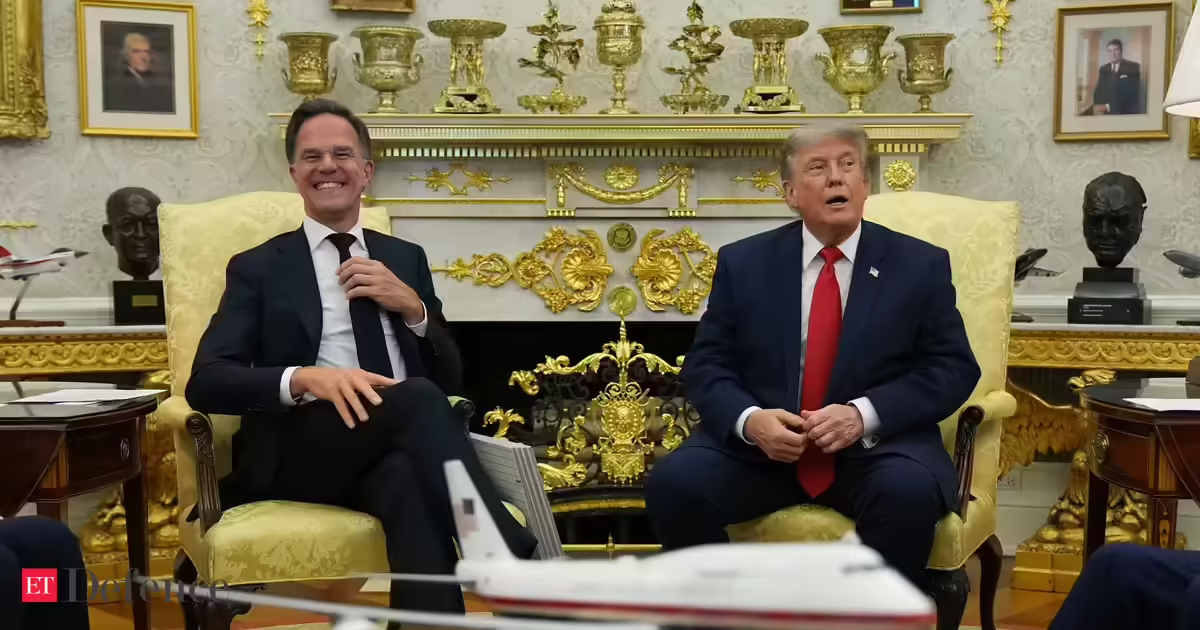
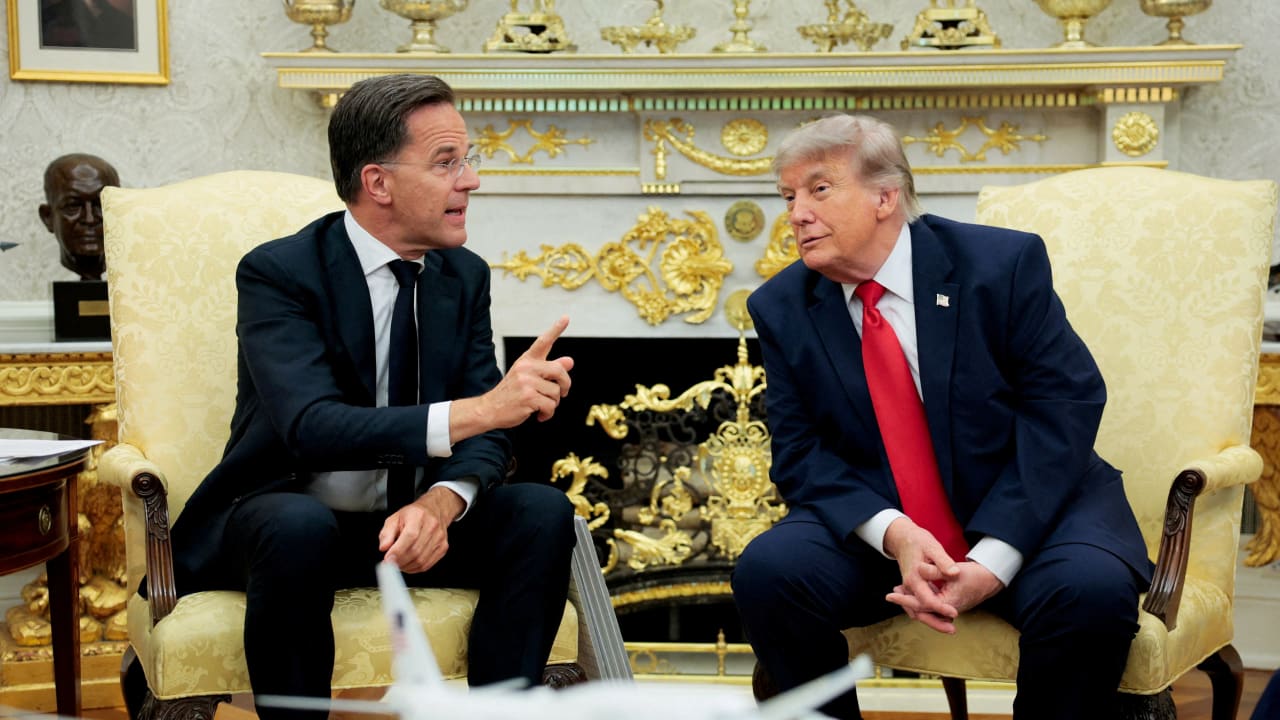
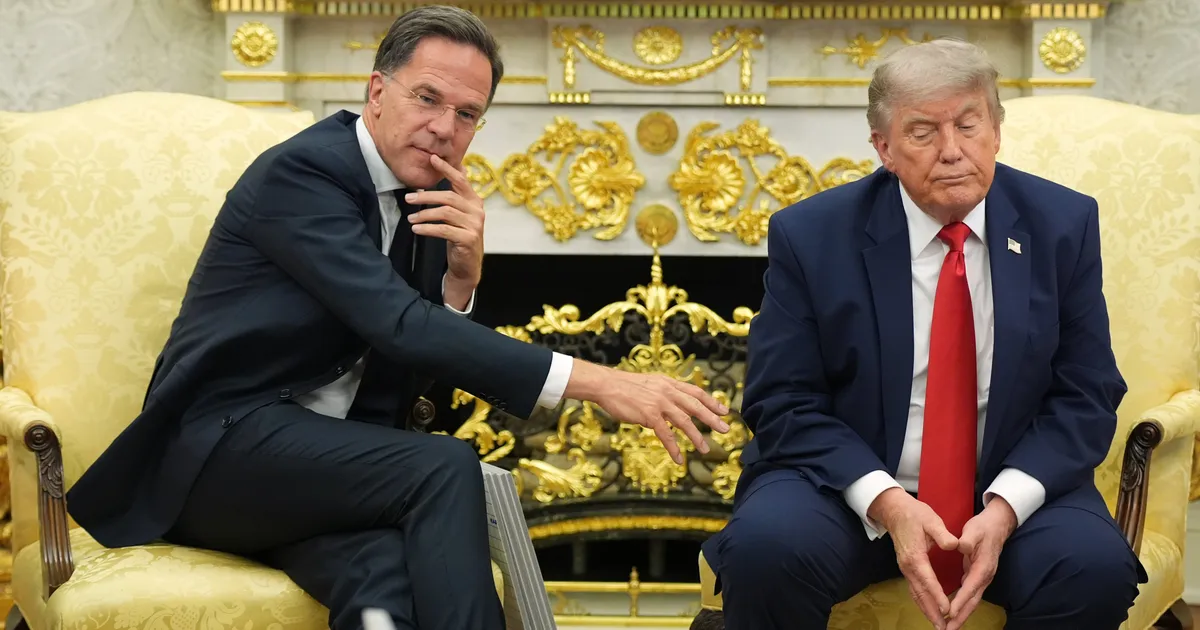
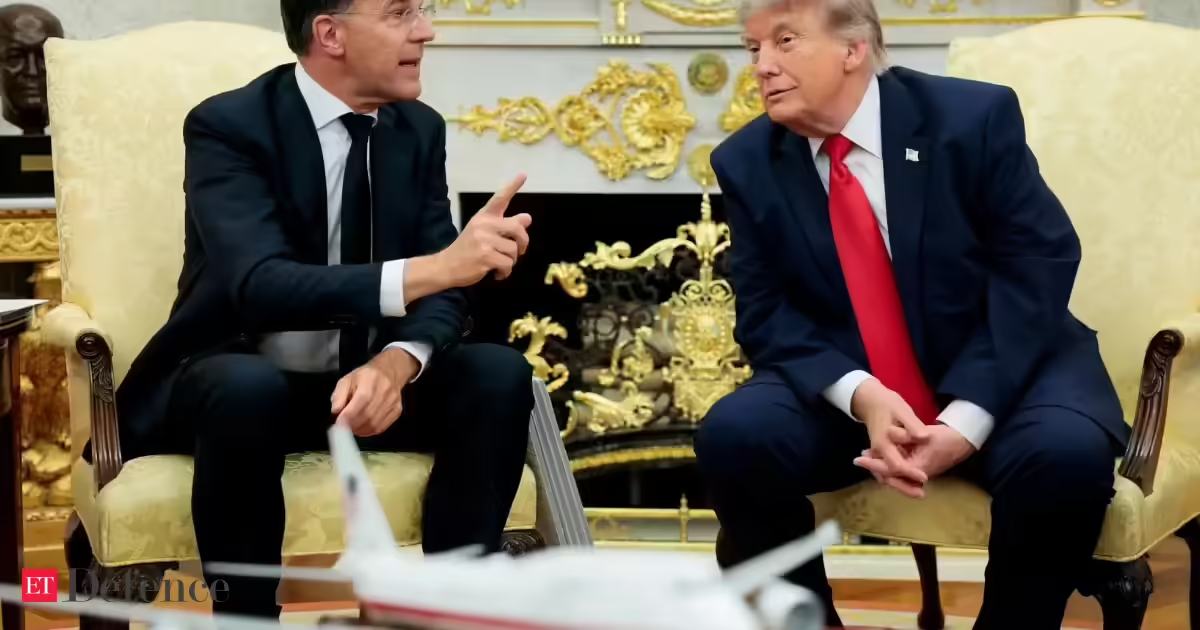
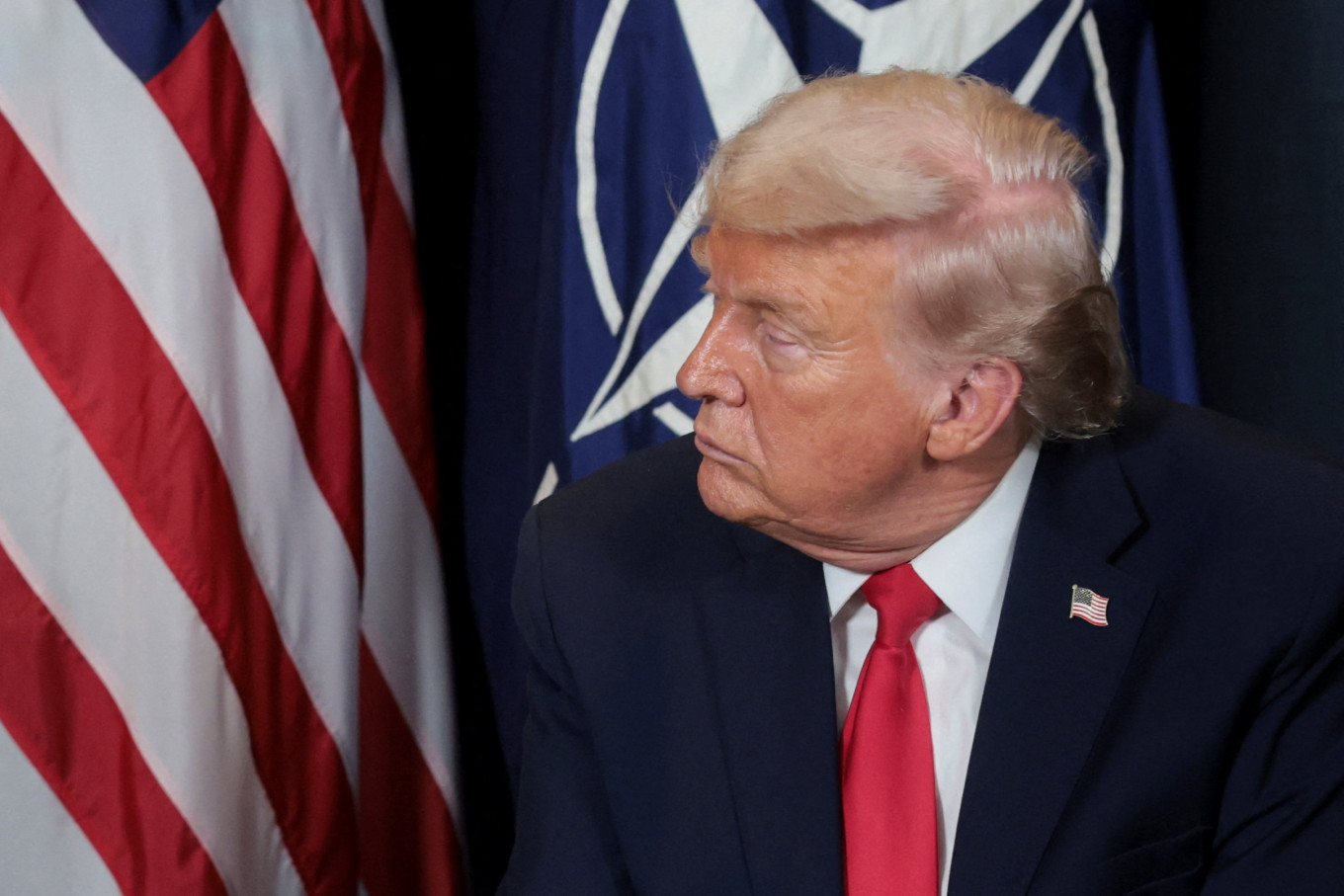
United States President Donald Trump listens during a bilateral meeting with NATO Secretary-General Mark Rutte (not pictured) on Jan. 21 at the World Economic Forum (WEF) in Davos, Switzerland. (Reuters/Jonathan Ernst)
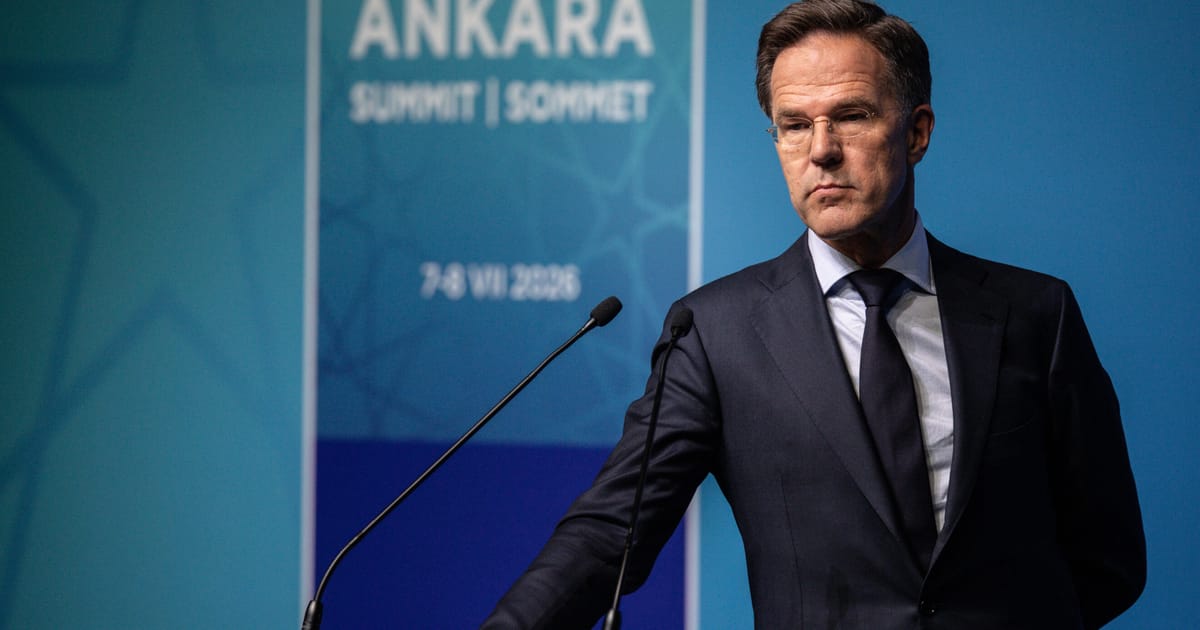
As NATO meets in a summit in Ankara, the alliance faces a bigger challenge than either Russia or China: its members no longer share a coherent understanding of the values, economic order, geopolitical vision and legal principles it was created to defend.Every enduring military alliance ultimately hinges on a deceptively simple question: What is it defending? Without a clear answer, it becomes reactive, defining itself by its adversaries rather than by a common purpose.
When NATO was founded in 1949, that purpose was clear. Emerging from the devastation of World War II, the alliance was established to defend what its founders called the “free world” against Soviet expansionism. More fundamentally, it sought to preserve a liberal international order built on four mutually reinforcing pillars: democratic governance, economic openness, the West’s geopolitical primacy and international law based on the United Nations Charter.