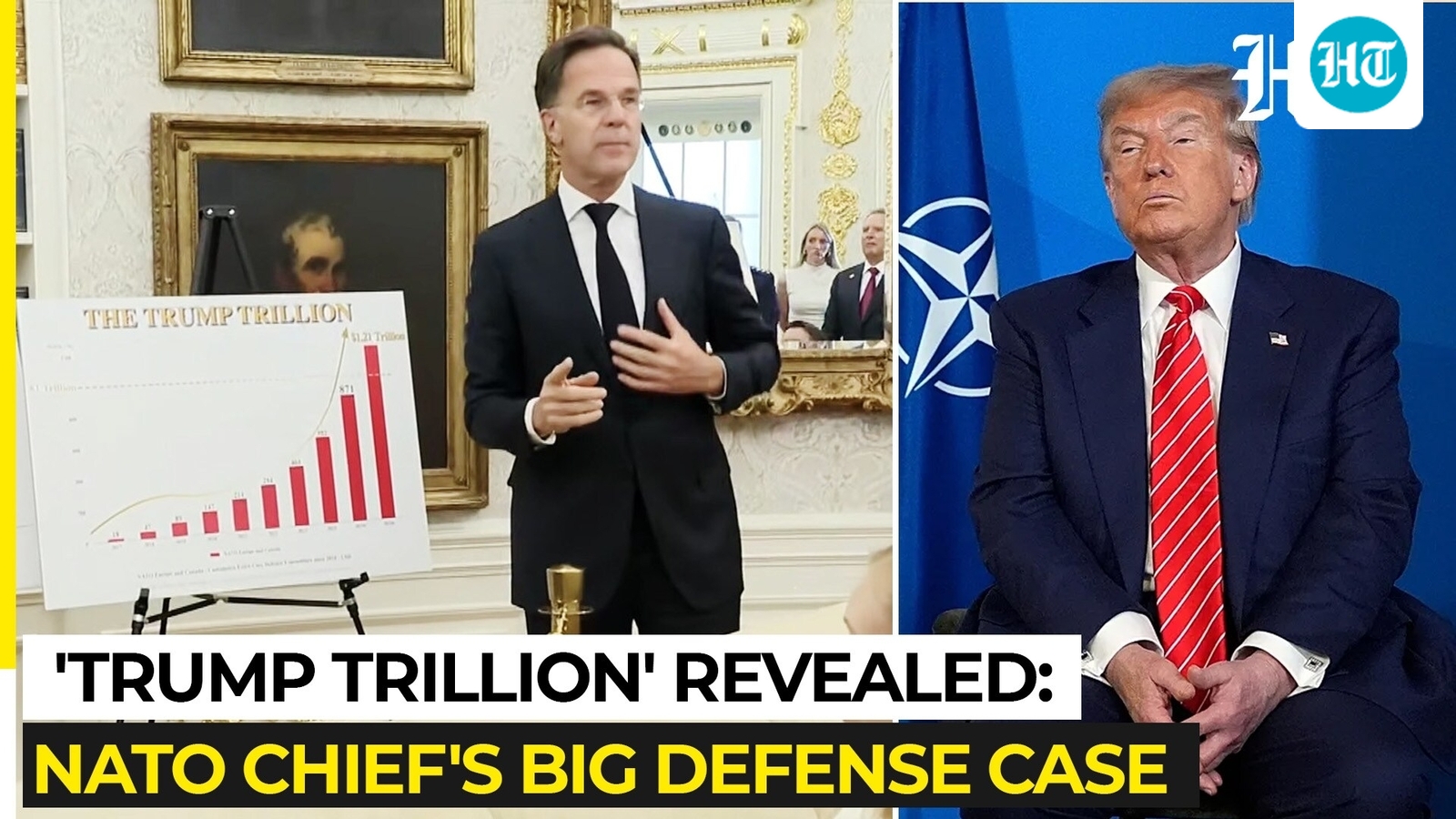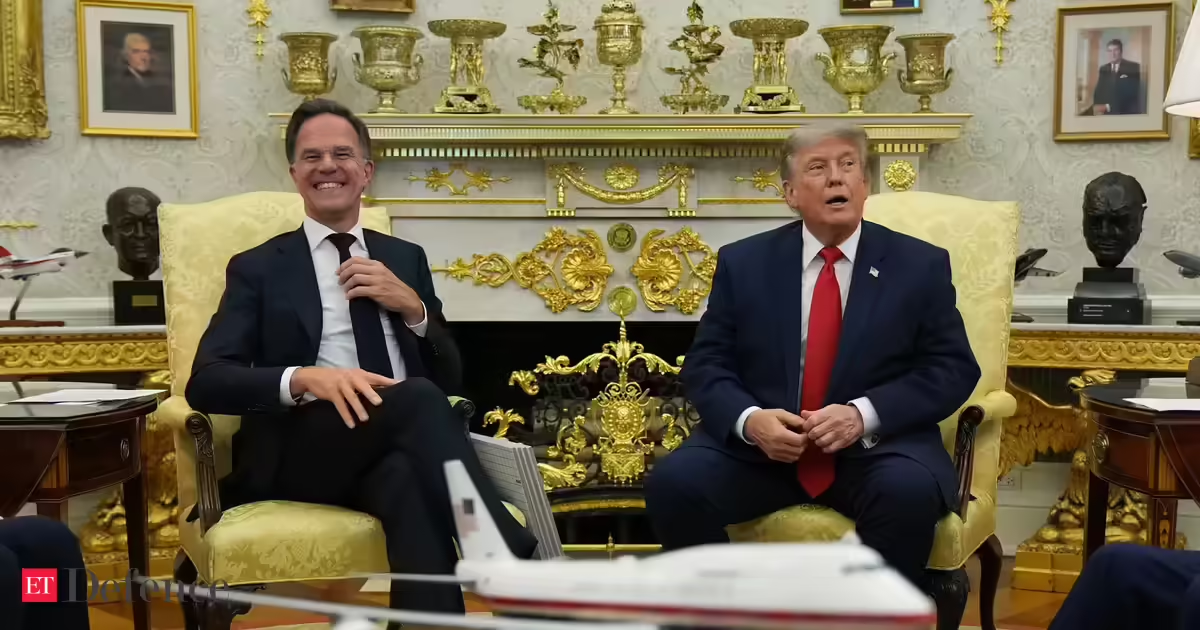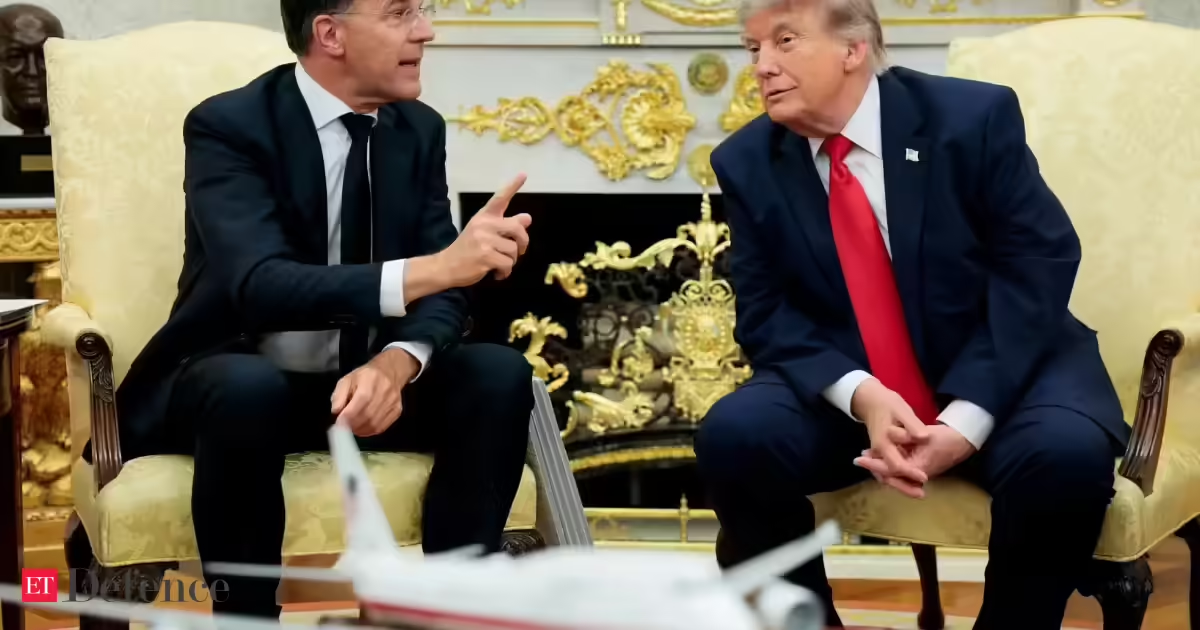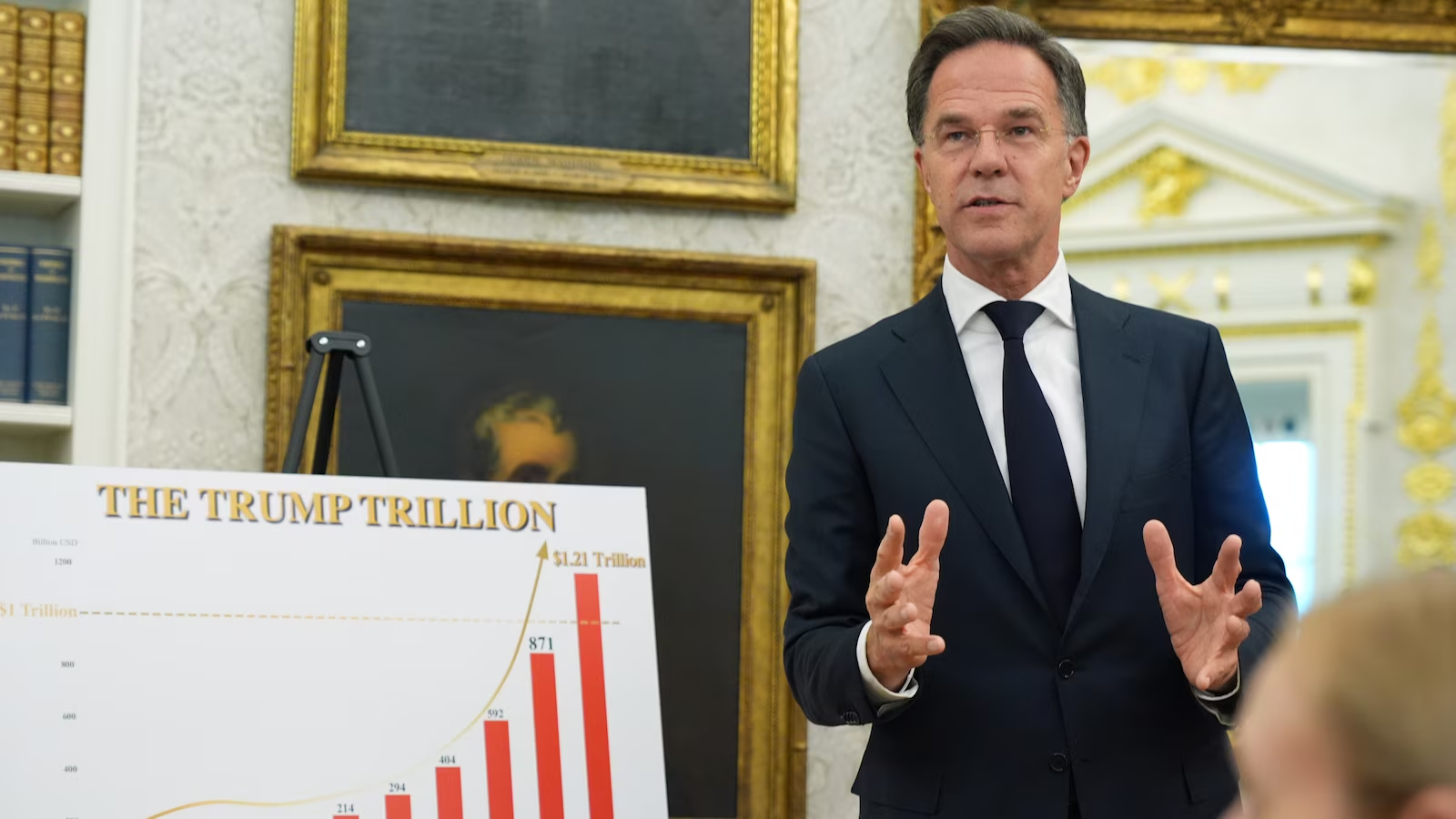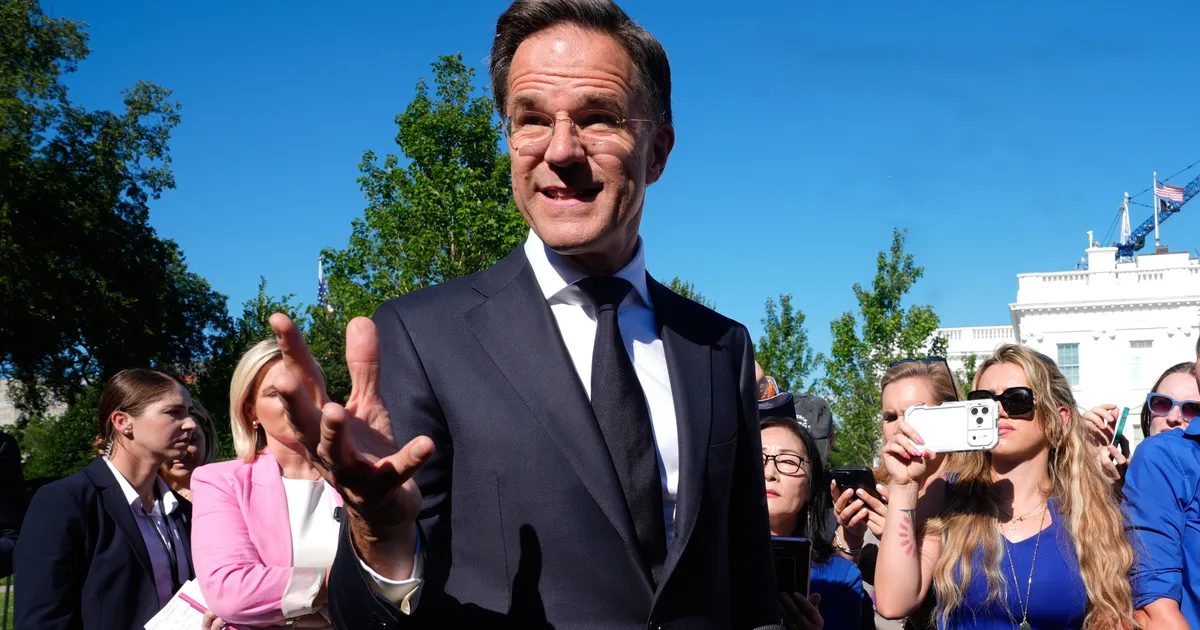
Last month, NATO Secretary-General Mark Rutte unveiled a “Trump Trillion” chart at a press conference in Washington in a bid to flatter, and perhaps even tutor, U.S. President Donald Trump. He described how U.S. NATO allies had spent more than a trillion dollars on defense since Trump first came to power in 2017 and created hundreds of thousands of jobs for Americans.
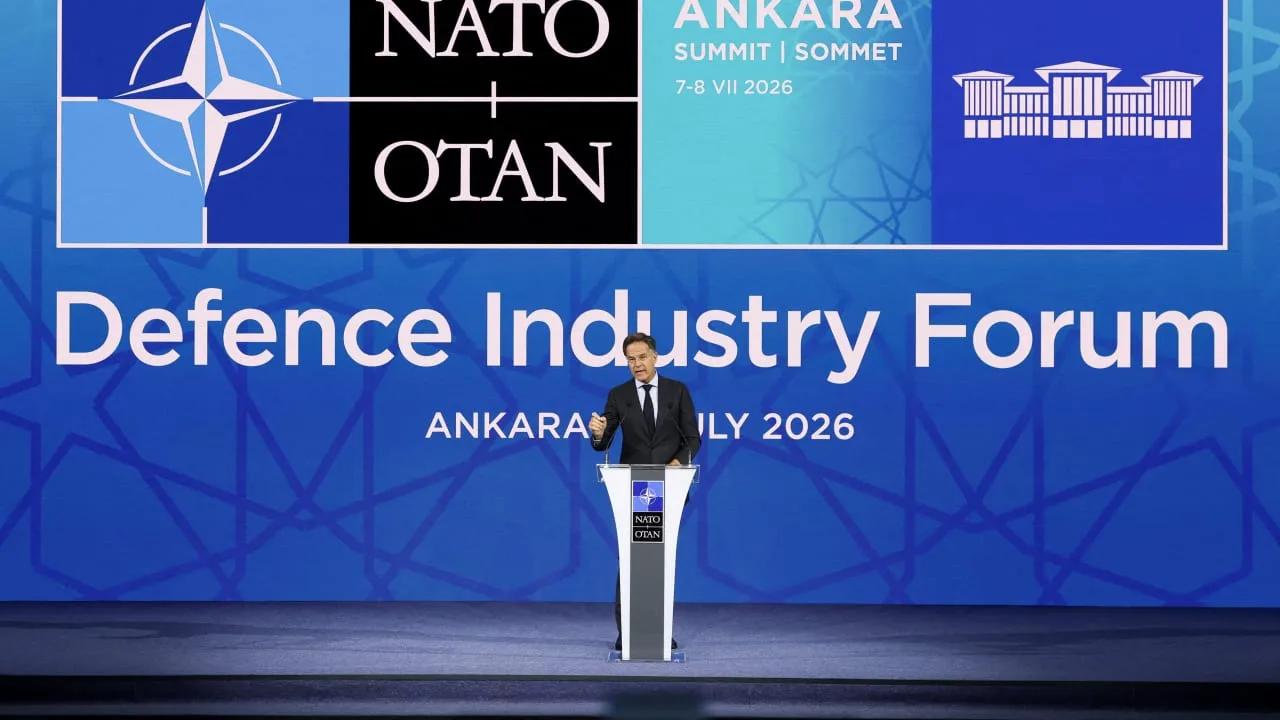
There’s reason to wonder if Rutte’s numbers entirely add up, but what’s indisputable is that his performance set the stage for this week’s NATO summit in Ankara, Turkey, where Trump’s diplomatic approach to Washington’s allies may be shaped on who exactly has met the 5 percent pledge made at The Hague summit last year.
Last month, NATO Secretary-General Mark Rutte unveiled a “Trump Trillion” chart at a press conference in Washington in a bid to flatter, and perhaps even tutor, U.S. President Donald Trump. He described how U.S. NATO allies had spent more than a trillion dollars on defense since Trump first came to power in 2017 and created hundreds of thousands of jobs for Americans.
There’s reason to wonder if Rutte’s numbers entirely add up, but what’s indisputable is that his performance set the stage for this week’s NATO summit in Ankara, Turkey, where Trump’s diplomatic approach to Washington’s allies may be shaped on who exactly has met the 5 percent pledge made at The Hague summit last year.