Donald Trump upholds the alliance for now, but the era of confidence in US security guarantees is over
There is more to Nato than article 5 of its founding charter, but the alliance depends on that commitment to mutual assistance. Enemies are deterred because an attack on one is understood as an attack on all. That is why Donald Trump’s record of ambivalence has been so destabilising.
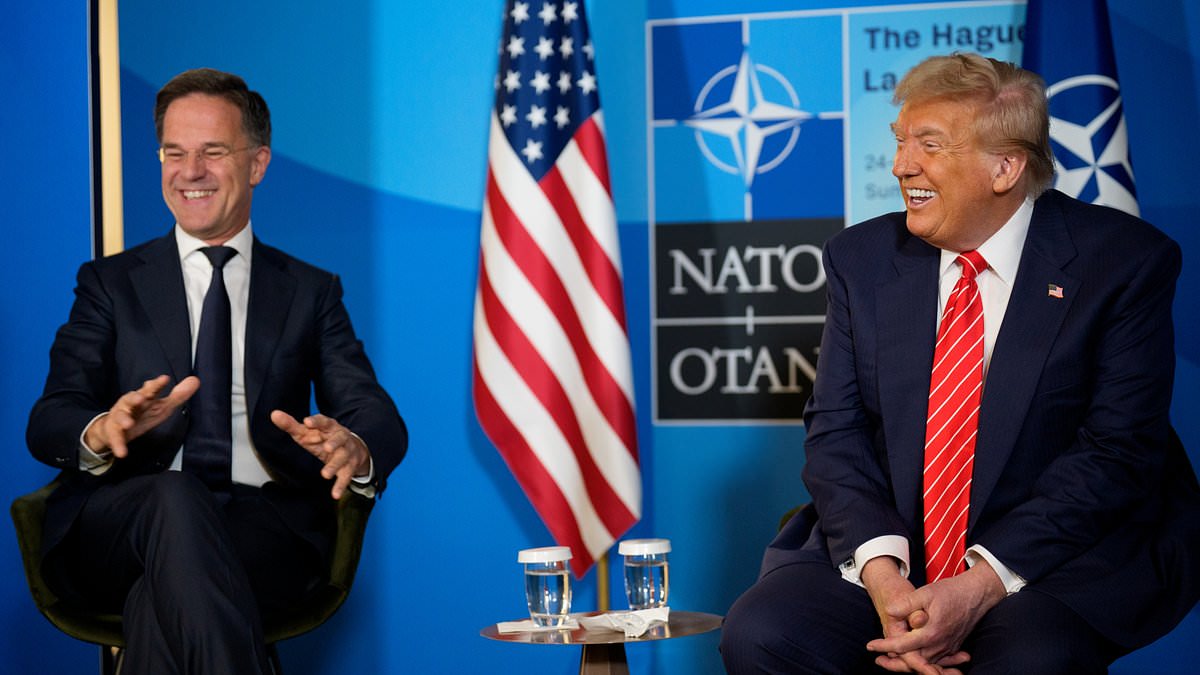
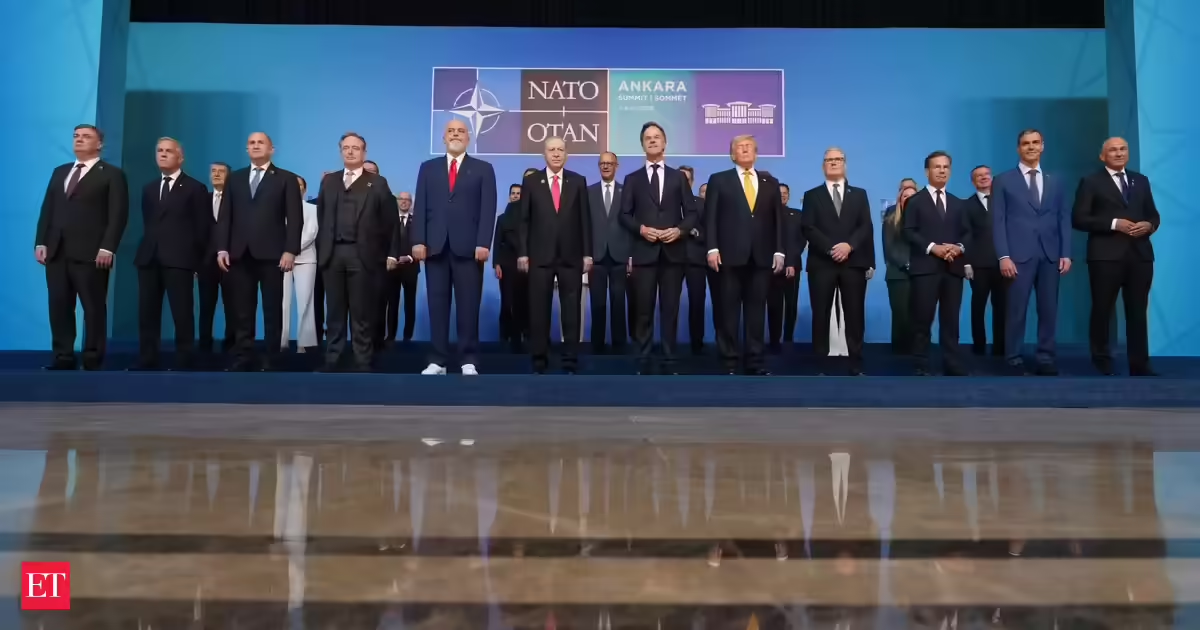
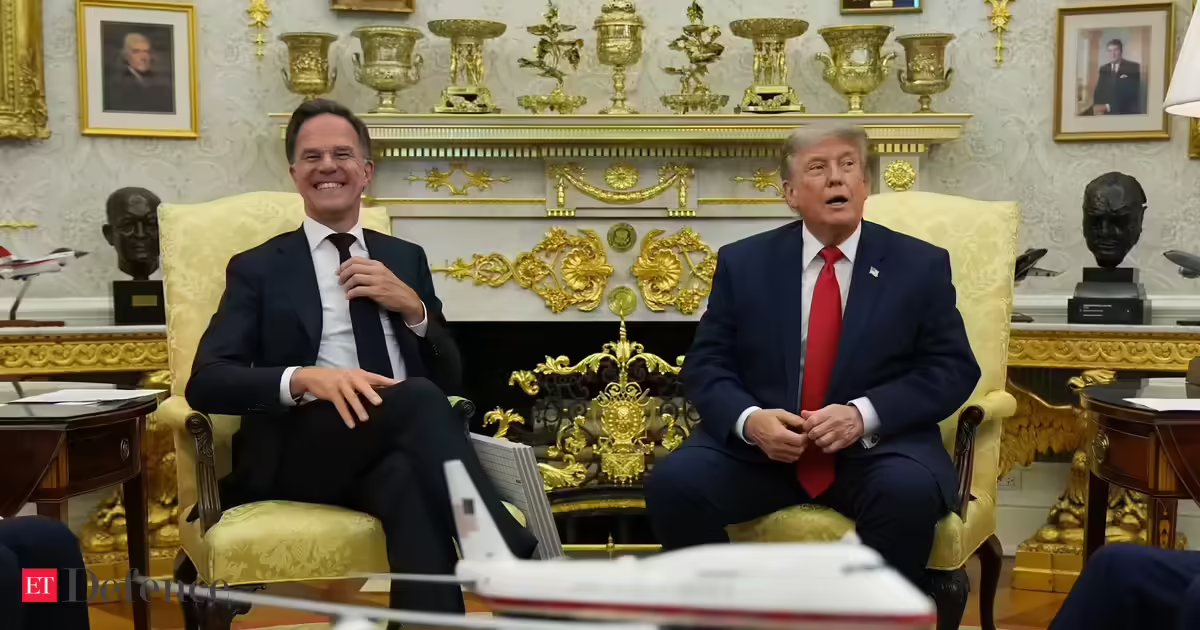
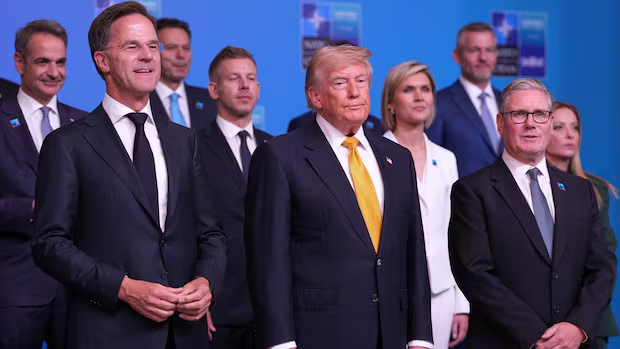
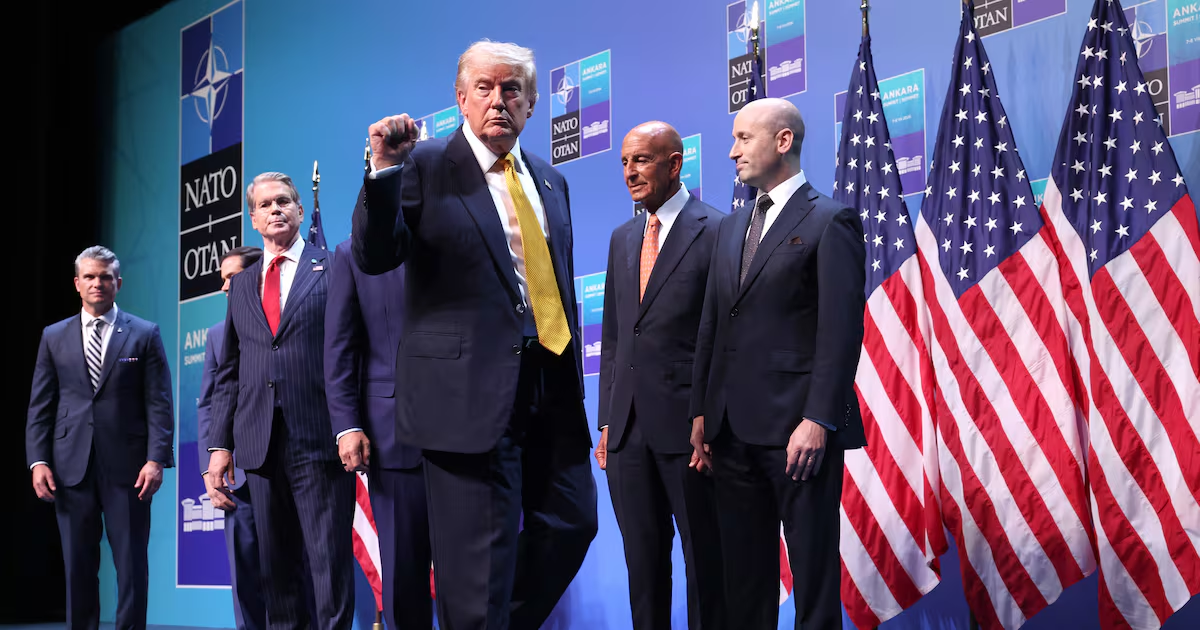
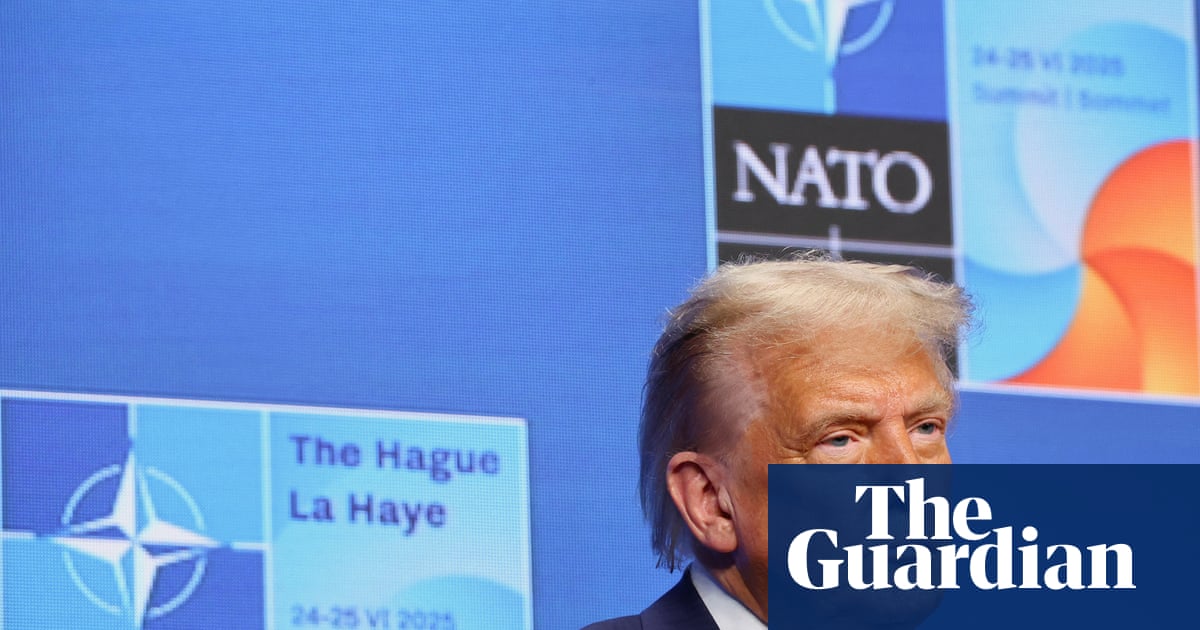
Nato leaders, gathered for their annual summit in The Hague this week, were heartened to hear the US president say he is “with them all the way”. It was a stronger affirmation of the alliance’s purpose than the one he had given the previous day. Asked about his commitment to article 5, Mr Trump equivocated, saying: “It depends on your definition.”
That implies some category of tolerable attack on a fellow Nato member. Such ambiguity invites Russia to keep testing the threshold with escalating campaigns of sabotage and provocation on the alliance’s eastern border and at sea. But Mr Trump doesn’t see Vladimir Putin as an adversary. He speaks warmly of their telephone calls. He doesn’t recognise the Russian president’s culpability for the war in Ukraine and has shown willingness to broker a peace deal there in terms that would amount to a Kremlin victory. His administration is resisting tighter sanctions on Moscow.