https://arab.news/6qgea
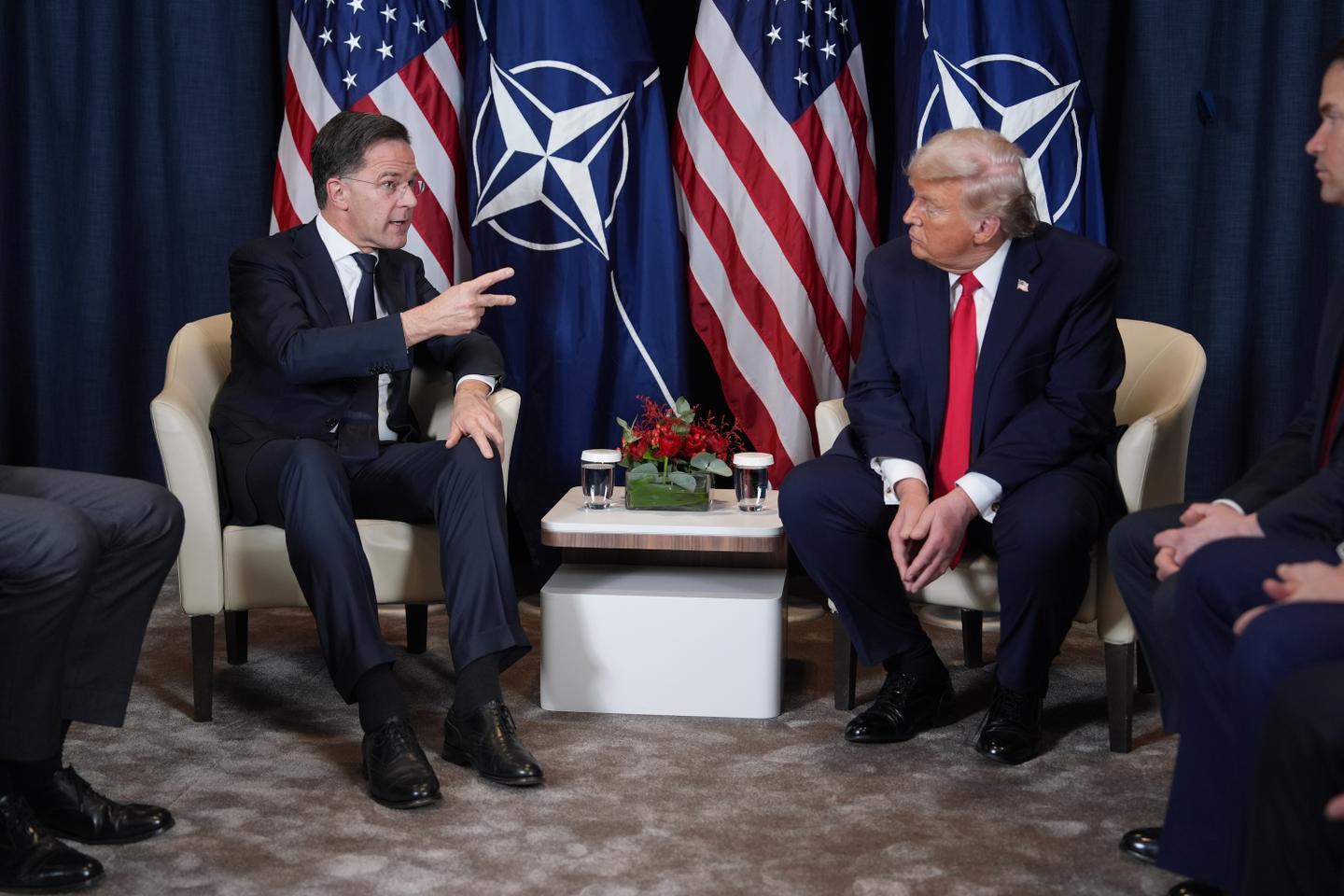
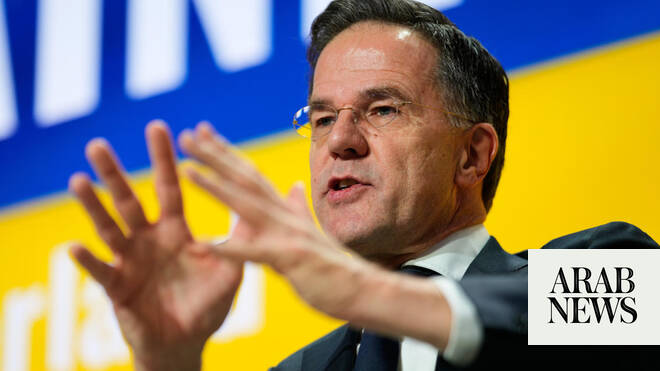
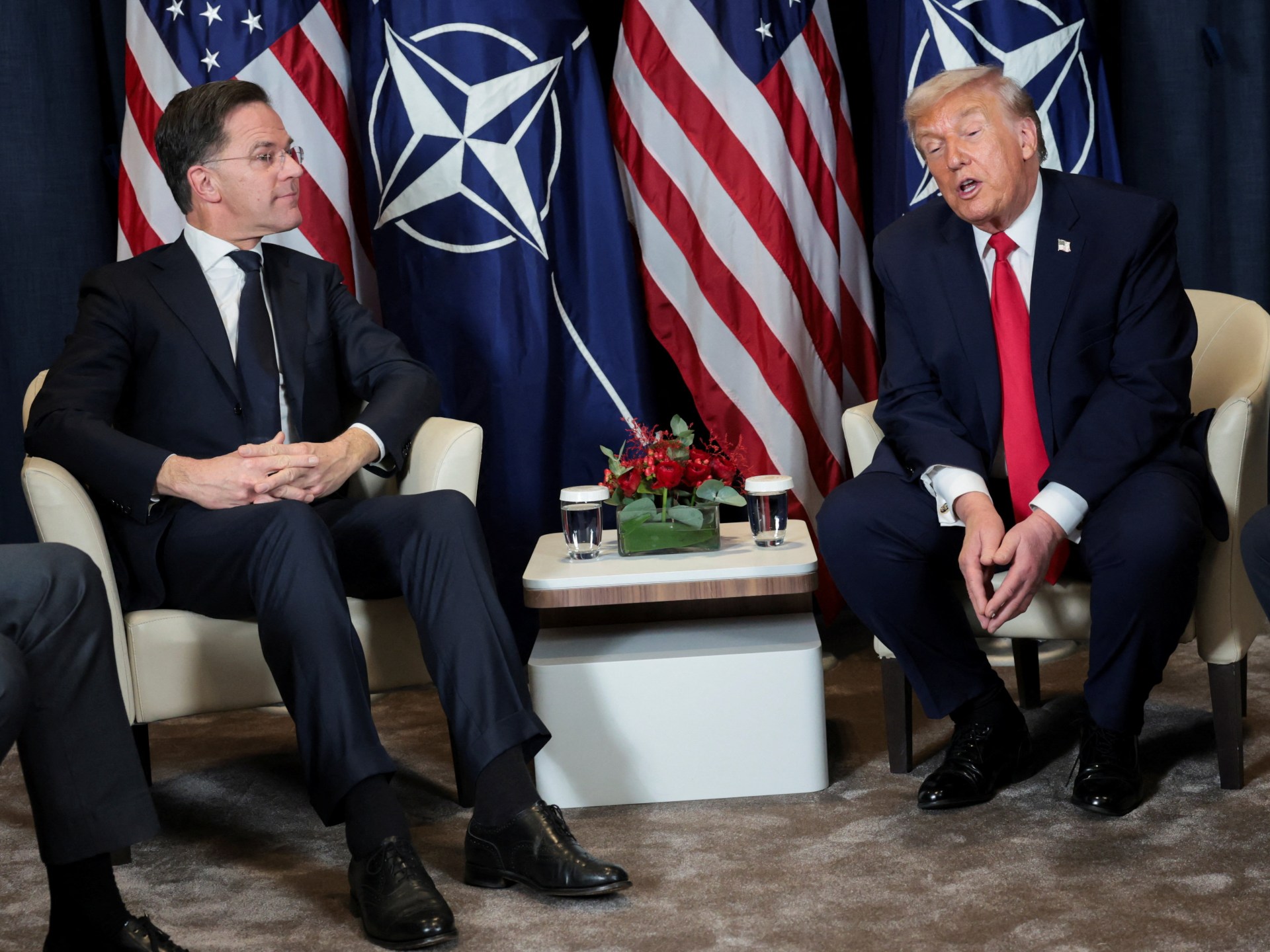
The World Economic Forum in Davos, Switzerland, last week highlighted an ongoing rift between the worldview of the US and that of its transatlantic partners in Europe. This time, the dispute centered on Greenland — specifically, America’s desire for greater access to and control over the territory. While tensions were high at times, it was NATO Secretary-General Mark Rutte who ultimately helped calm the situation and get transatlantic relations back on track.
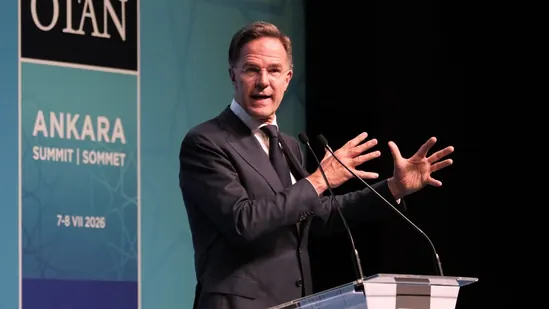
Looking ahead, 2026 will be a pivotal year for NATO, with a major summit scheduled to take place less than six months from now in Ankara, Turkiye. To ensure the summit’s success, policymakers must begin shaping the agenda immediately. While the meeting may seem far off, in terms of statecraft and diplomacy, six months is very little time at all. Aligning the US and its European partners more closely will require early preparation, sustained engagement and political will on both sides of the Atlantic.
Getting the transatlantic relationship right carries significant economic implications — not only for North America and Europe, but for the global economy as well. Together, the two account for nearly half of the world’s gross domestic product. Europe and the US are each other’s largest export markets and each is responsible for trillions of dollars of investment in the other’s economy, supporting millions of jobs. When rifts emerge across the Atlantic, the consequences are felt well beyond security policy, with ripple effects across trade, investment and global growth.