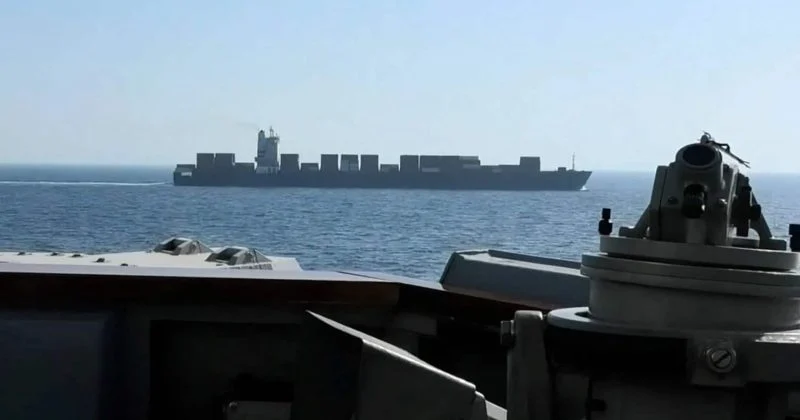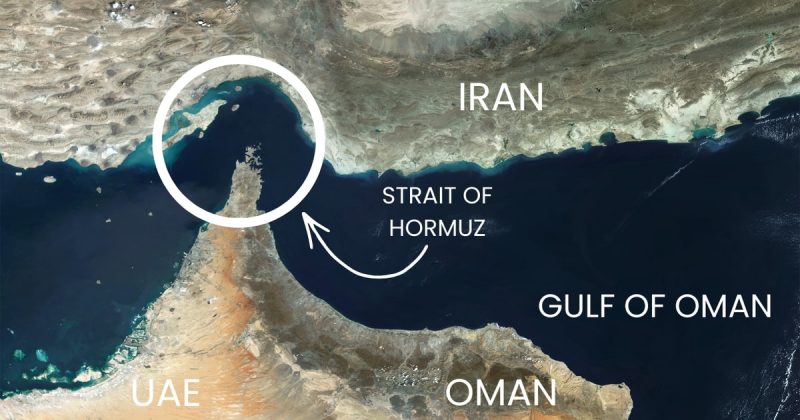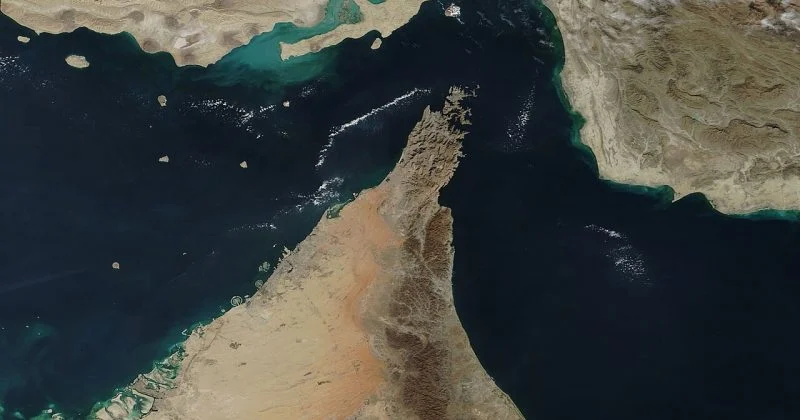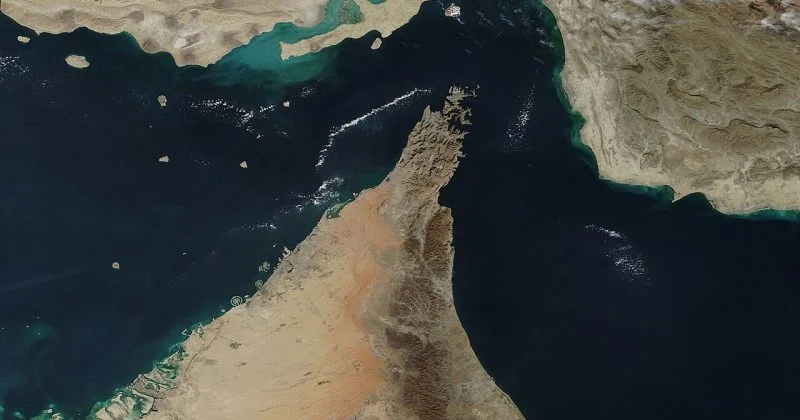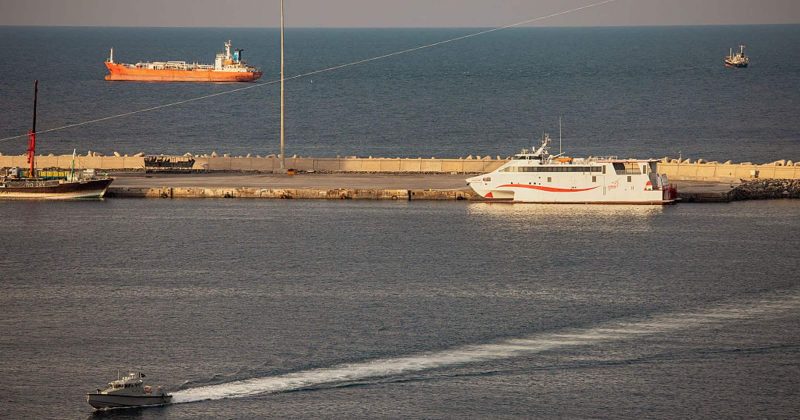
The NATO Secretary General has indicated that he expects member nations to affirm the necessity for Iran to fully reopen the Strait of Hormuz. This critical maritime passage has seen a significant reduction in commercial shipping due to the ongoing U.S.-Iran conflict, with Iran imposing restrictions and attacking vessels. The closure has disrupted global oil and natural gas supply chains, affecting approximately 20% of the world’s supply. The current situation emerged after the U.S.-Israeli attack on Iran earlier this year, which led to retaliation from Iran. The reopening of the strait is a key condition set by the U.S. for any ceasefire agreement, with a deadline for lifting the U.S. naval blockade looming.
Key Takeaways
NATO’s expectation for Iran to reopen the Strait of Hormuz suggests a potential easing of current global oil supply constraints.
Market pricing currently reflects a low probability of WTI Crude Oil prices reaching $130 in July, with only a 1% YES probability.
Pricing trends suggest that a confirmed reopening could lead to downward pressure on oil prices, consistent with improved supply conditions.