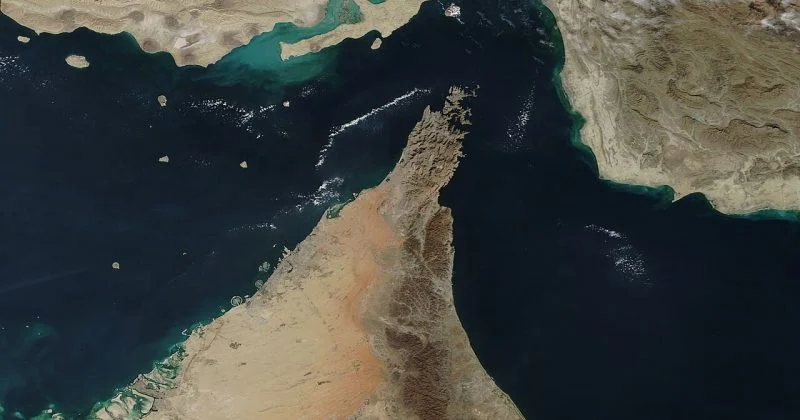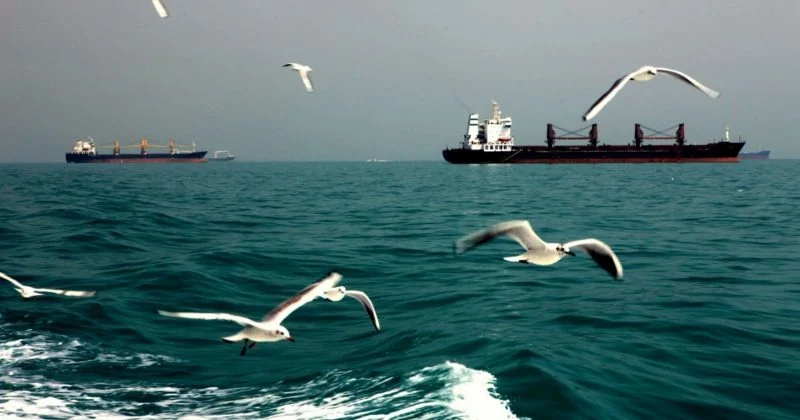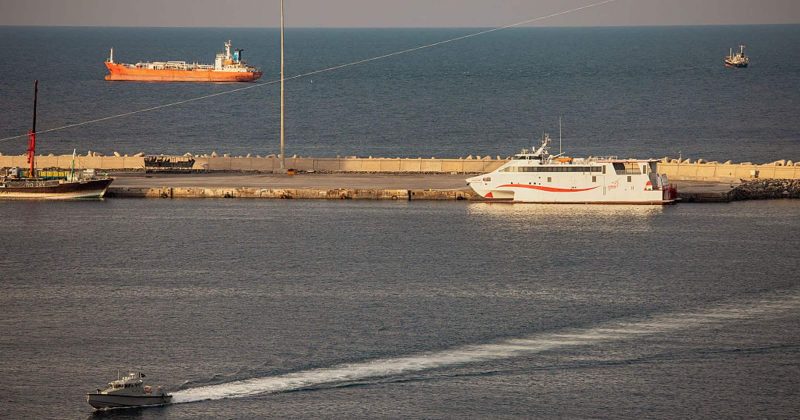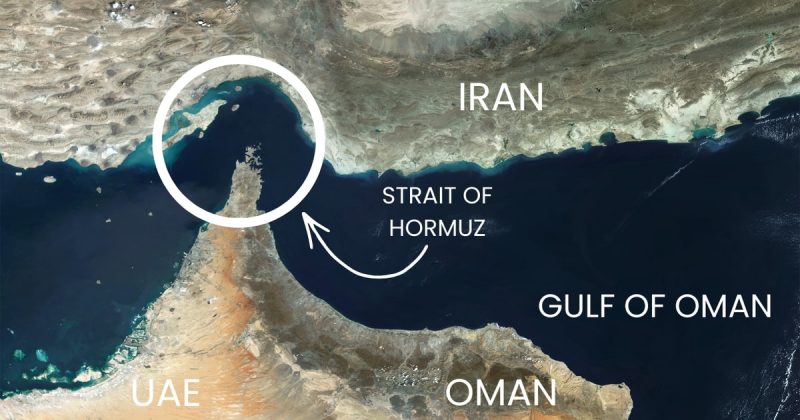
The European Union has called for the immediate reopening of the Strait of Hormuz, a vital maritime passage for global energy supplies. This demand comes amid ongoing tensions between the United States and Iran that have led to the strait’s closure, significantly disrupting oil and gas shipments. The closure has sparked concerns over rising oil prices, with Brent crude possibly reaching $200 per barrel in severe scenarios. The EU’s statement aligns with a U.S.-Iran memorandum of understanding, which mandates the resumption of commercial navigation and a lifting of the U.S. naval blockade by July 19, 2026.
Key Takeaways
The EU’s call to reopen the Strait of Hormuz appears to suggest a potential easing of geopolitical tensions, consistent with a decline in oil prices.
Market pricing reflects a low probability of WTI Crude Oil reaching $130 in July 2026, with a current 0.7% YES likelihood.
The EU’s stance supports the recent U.S.-Iran agreement, which could stabilize energy supply chains if implemented successfully.