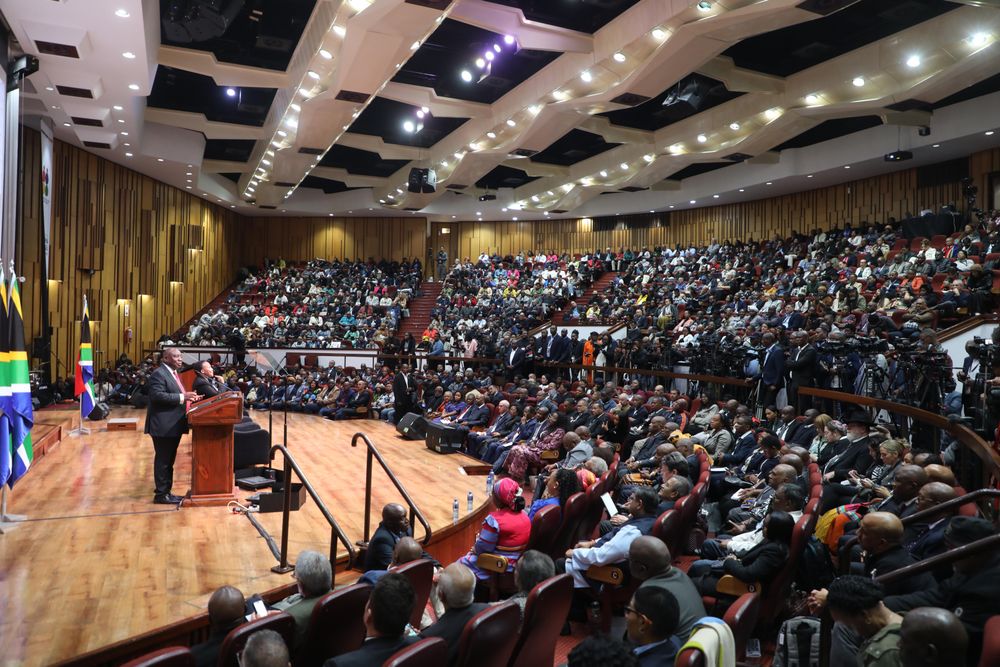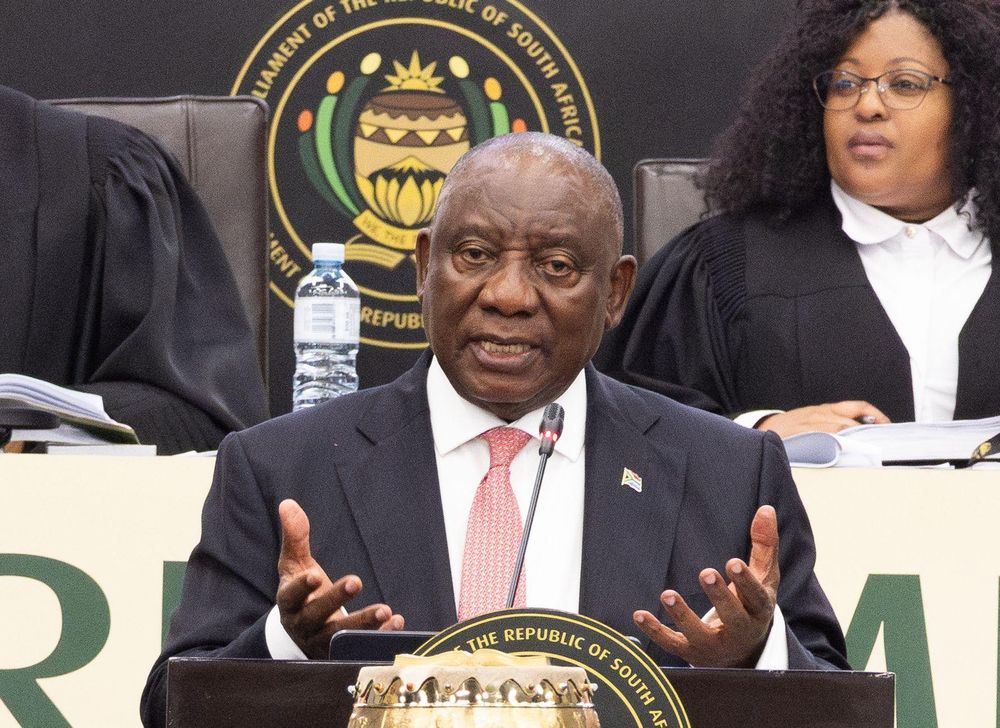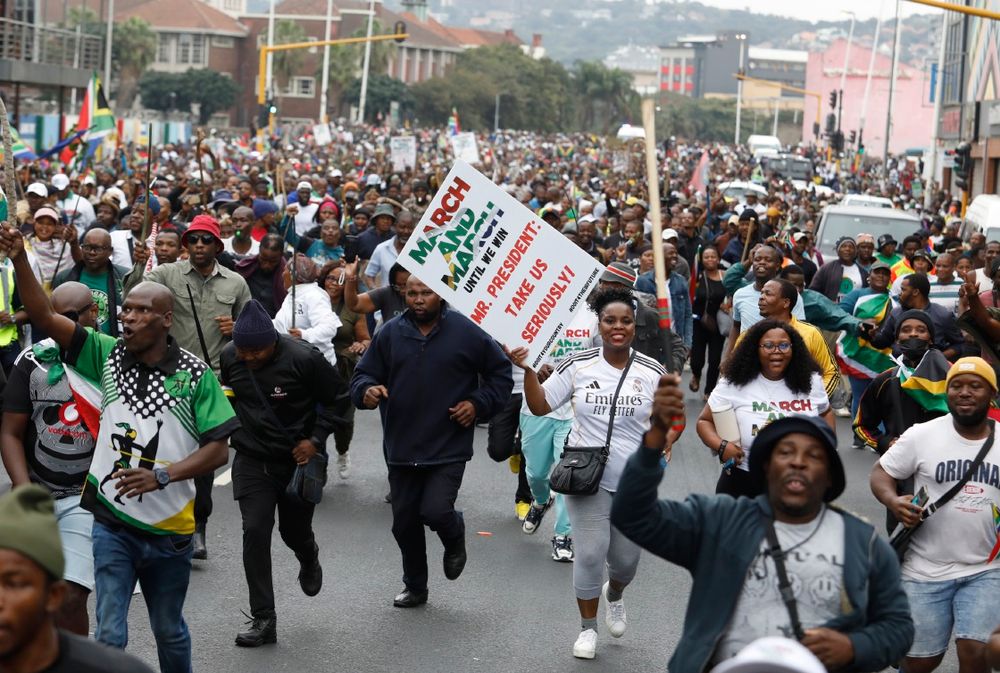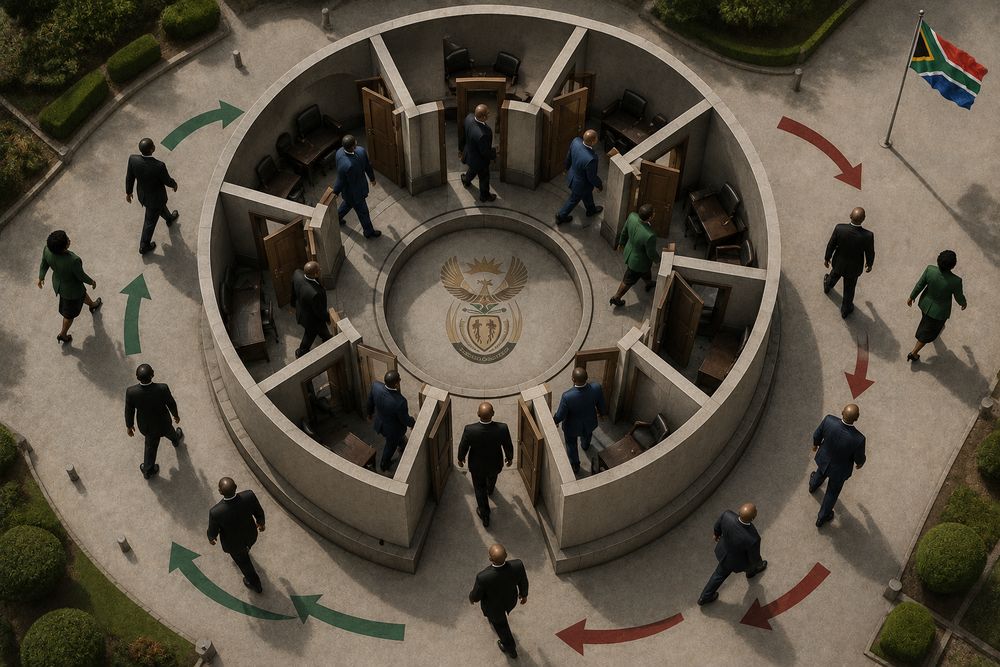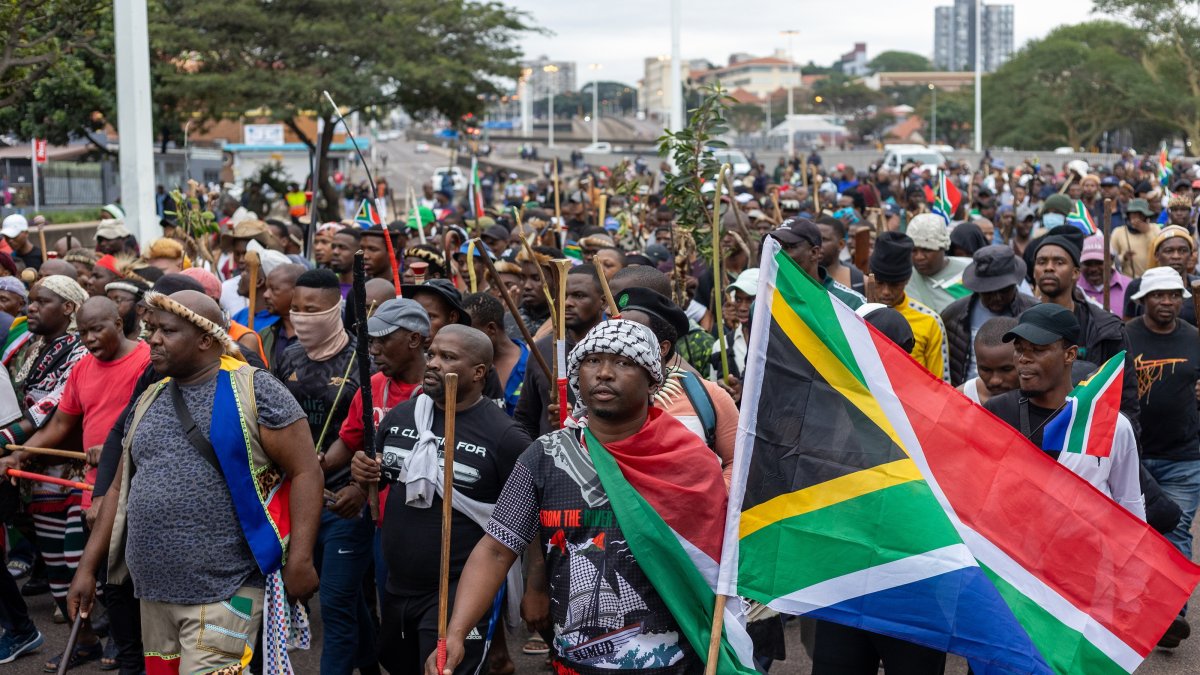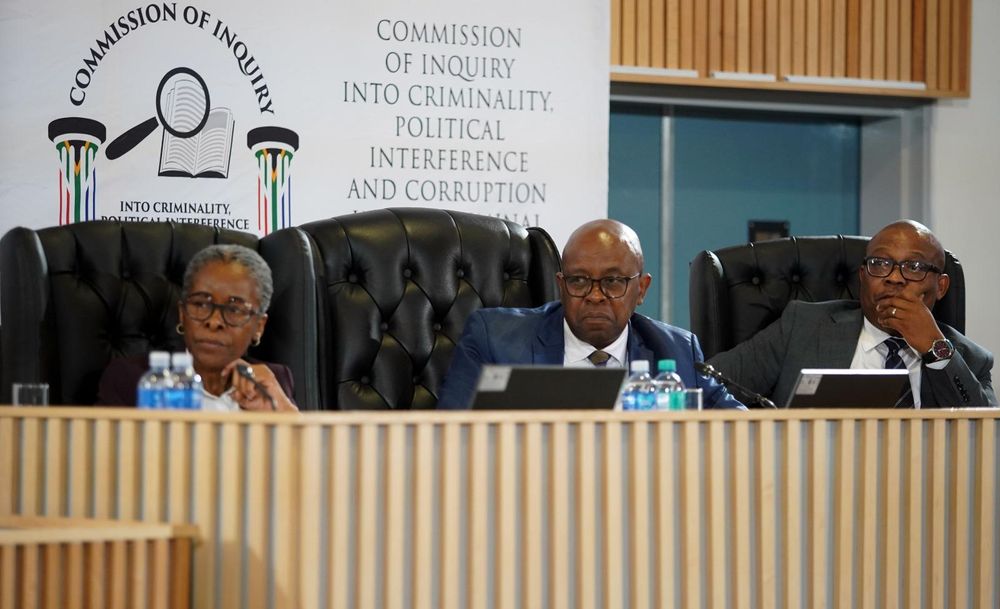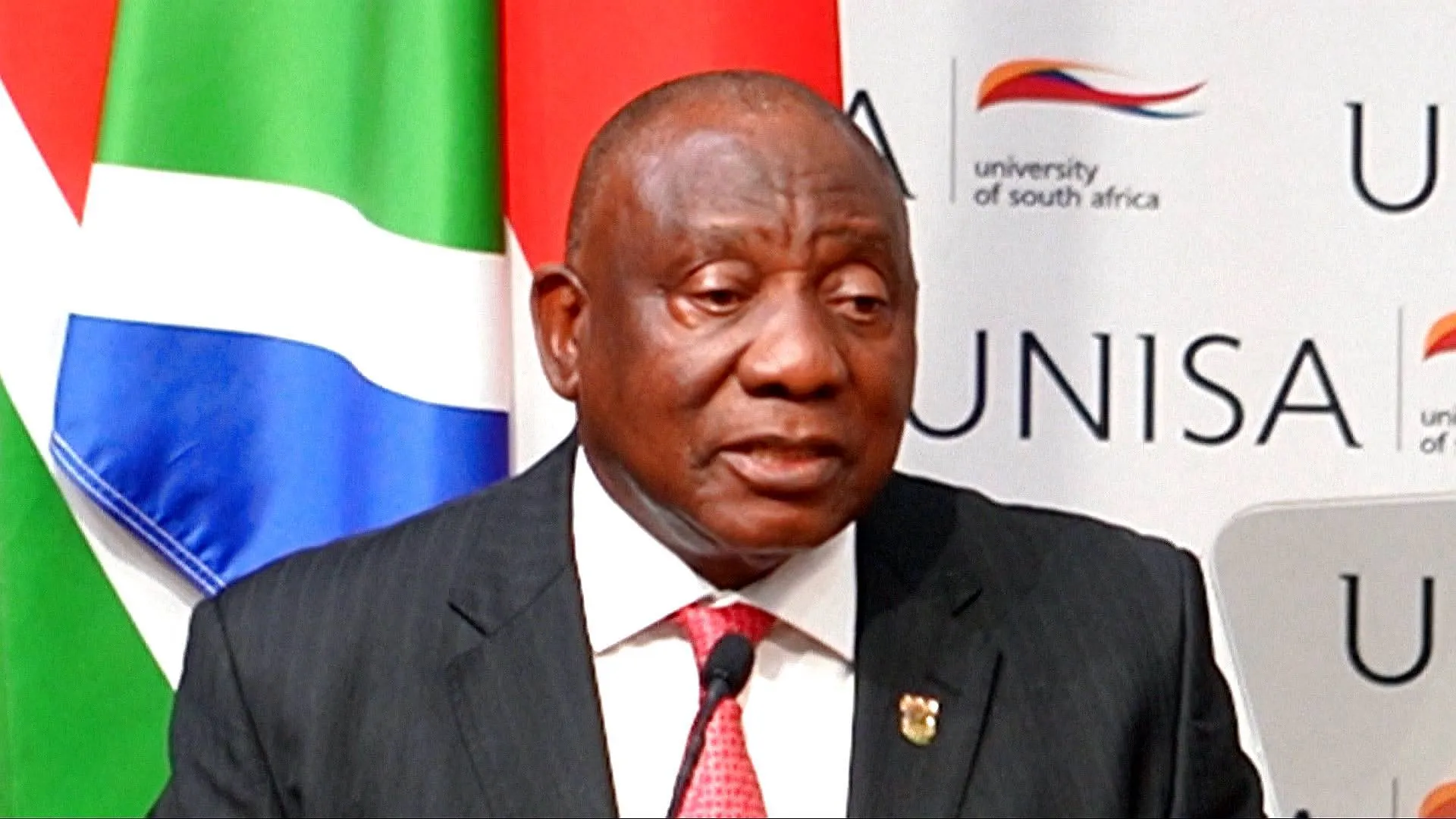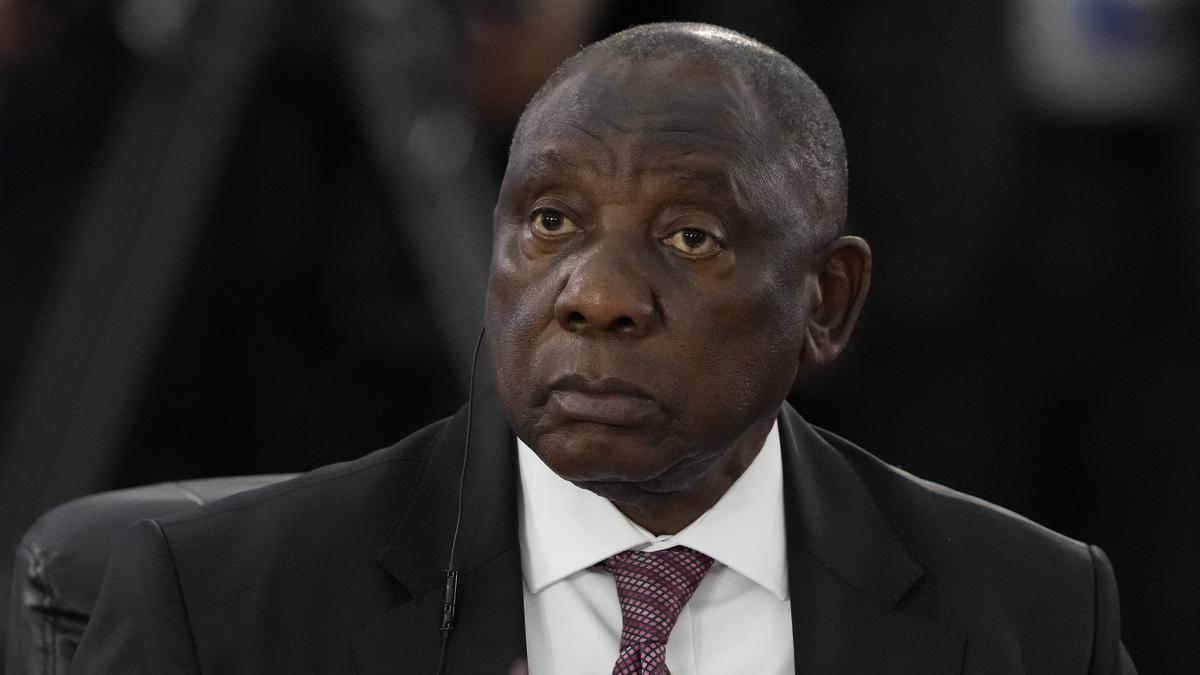
The national dialogue is as good as dead. However, its critics shouldn’t be allowed to dance on its grave.Launched at a controversy-dogged convention late last year, the dialogue is headed for collapse. No meaningful work or dialogue is taking place. The odds were stacked against it from day one. Its biggest saboteur was, and still is, the government. The government grudgingly agreed to the proposal to hold the dialogue after 30 years of multiracial democracy. The idea came from civil society and was ably championed by the legacy foundations of Thabo Mbeki, FW de Klerk and Steve Biko. Once the government reluctantly agreed that the idea could proceed, it set out to dilute it to the point of meaninglessness. For example, the language was changed to include “social compacting”. During his first term, President Cyril Ramaphosa sought to get all social partners — labour, business, community and government — to agree on a social compact. This grand pact failed spectacularly for reasons almost similar to the fate of the dialogue. Next up, to ensure the idea doesn’t take off, the government set up nebulous structures to drive the dialogue. On Tuesday, members of the so-called steering committee approached the court about grievances related to their appointment to the body. Nothing to do with substantive work of the dialogue; it was another sideshow and theatrics.The government also used its financial power to ensure the idea goes no further than the launch phase. Its budget has never been a government priority.While still claiming it should be a citizen-led initiative, the government ensured its enforcers brought every structure into line.The masterstroke was to ask the National Economic Development and Labour Council to house the dialogue. Nedlac, which reports to the employment & labour department, was also the forum for social compacting. While Nedlac has competent and thoughtful people working for it, it has serious problems. For a start, it’s poorly funded. Critically, its constituents don’t take it seriously; for them it’s a tick-box exercise. Until Saftu, Zwelinzima Vavi’s labour federation, joined Nedlac, Cosatu preferred to deal directly with the ANC.Business deals directly with government or, more specifically, with the president. When things don’t work, the courts are the next recourse.This effective forum-shopping has fatally undermined Nedlac’s credibility and legitimacy.Giving it one more responsibility without reinventing it was always going to be a fruitless exercise. Instead of reaffirming Nedlac’s relevance, the dialogue’s death will erode what remains of Nedlac’s credibility.It’s not hard to see why government is no friend of the dialogue. A proper dialogue would serve as a referendum on the ANC’s (mis)rule over the past three decades. While the government should shoulder the bulk of the blame for the impending collapse of the dialogue, it’s not the only culprit. A few parties inside the government of national unity, such as the Freedom Front Plus and the DA, opted to stay out and boycotted the launch convention last year.It’s not hard to see why government is no friend of the dialogue. A proper dialogue would serve as a referendum on the ANC’s (mis)rule over the past three decades. This despite the clear voters’ message from the 2024 general elections that no single party can be trusted with their votes to govern.The government not only failed to persuade political parties, but it also did nothing to convince business that the dialogue is necessary and deserves its financial support. So, last year, the government’s priority was a successful G20. This was its preferred platform to endorse for such support.This year, the dialogue didn’t move up on the government’s priority list. These new pet priorities include the commemoration of the 50th anniversary of June 16 and 30 years of the signing of the constitution.These high-profile events managed to further obscure the dialogue.The absence of an effective dialogue meant that there was no structured platform to discuss the anti-immigrant sentiment. As happened with the Arab Spring, the streets became safe spaces for this conversation.It would be a huge travesty if the dialogue were allowed to die like the social compact.However, serious course correction is required to save the dialogue. For a start, the government’s role should be strictly redefined; that is, the government must be an ordinary participant, and the government should be another, not the main, funder of the dialogue.The legacy foundations must reclaim the dialogue. This means, among other things, that they must restore it to the original concept. They must also lead the effort to raise alternative funds for a successful dialogue. Friends of South Africa should be approached to financially support the dialogue. Most have watched as the country they helped birth, last century’s most inspiring human story, teeters towards an explosion.Local and international businesses have a vested interest in investing in the dialogue.The death of the dialogue would risk an apocalyptic explosion in South Africa. It shouldn’t be allowed.• Dludlu is a former Sowetan editor.
JOHN DLUDLU | National dialogue is failing, but South Africa still needs it
Failed national dialogue needs rescuing before divisions deepen and trust erodes
813 words~4 min read