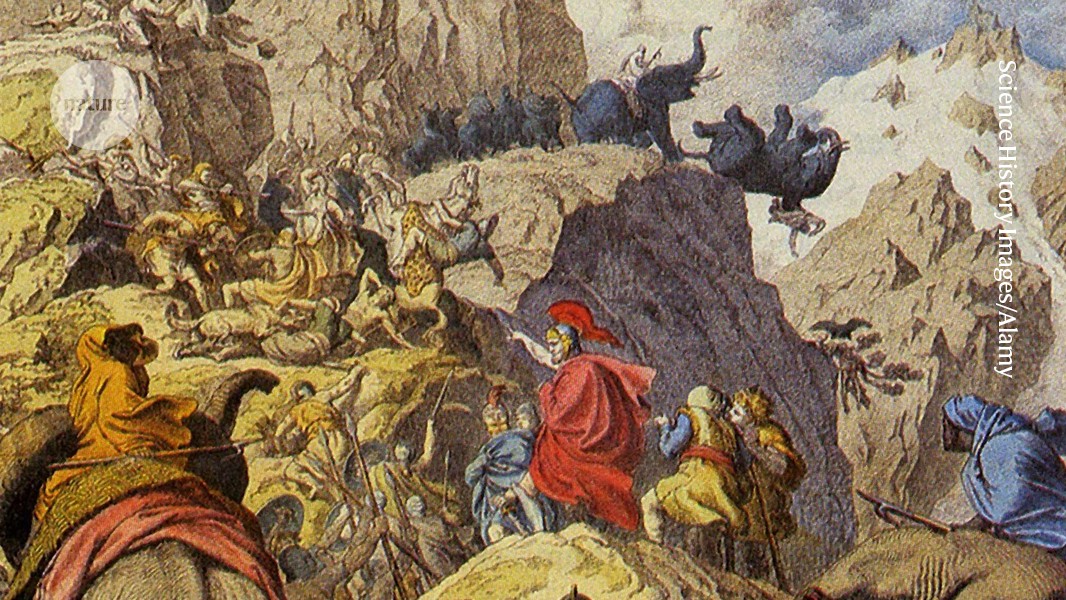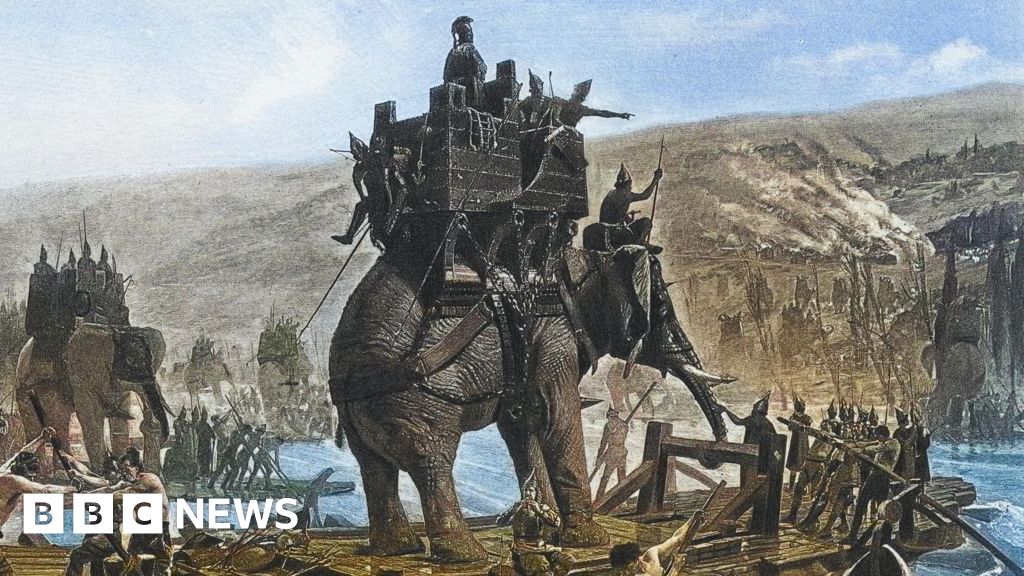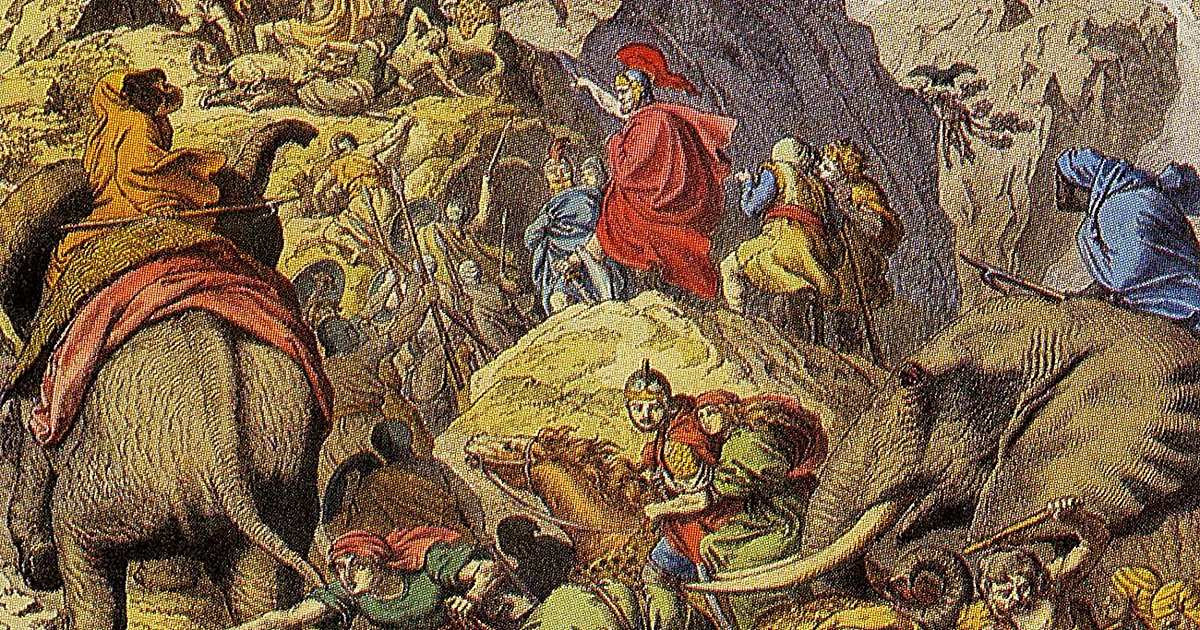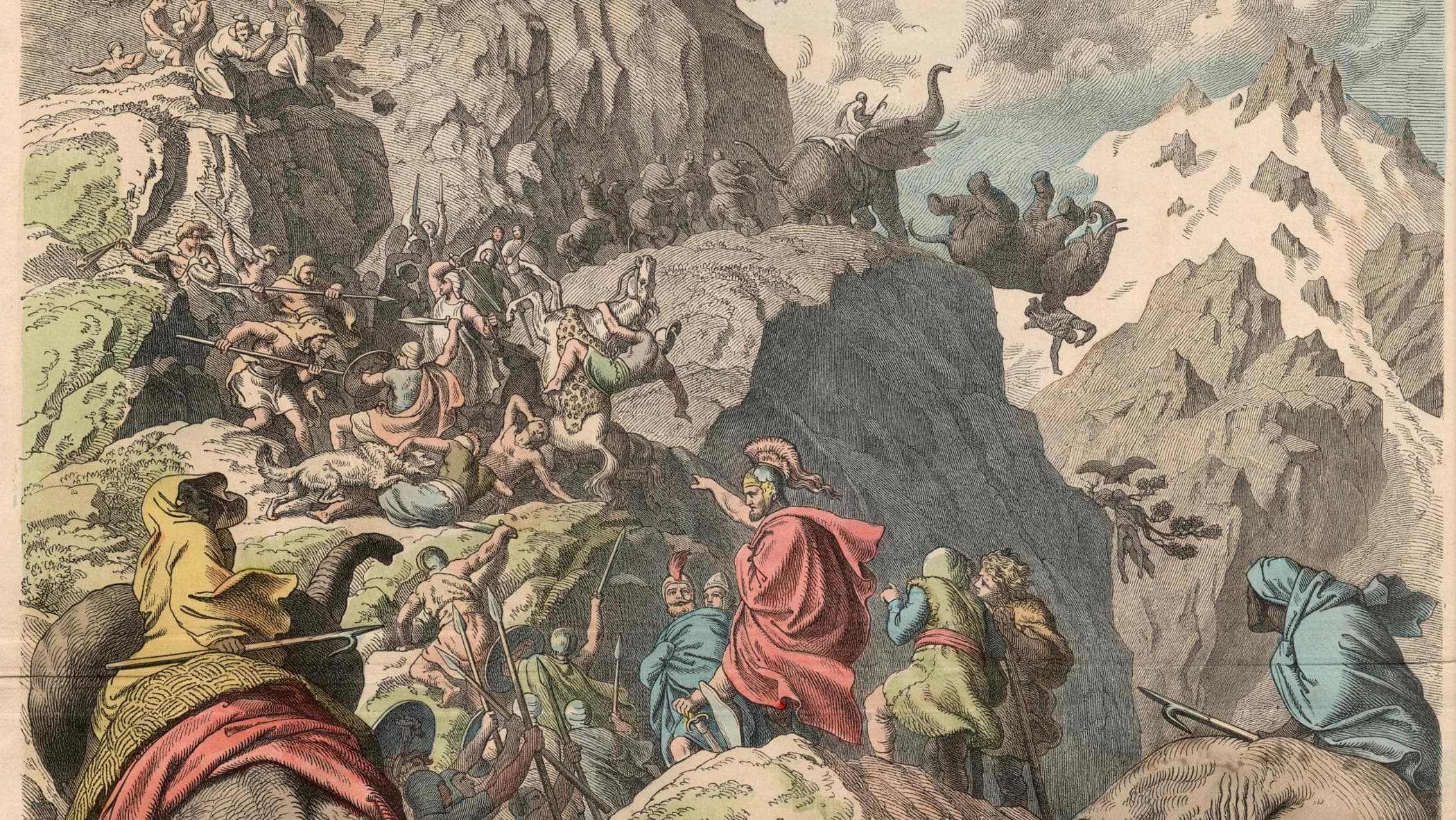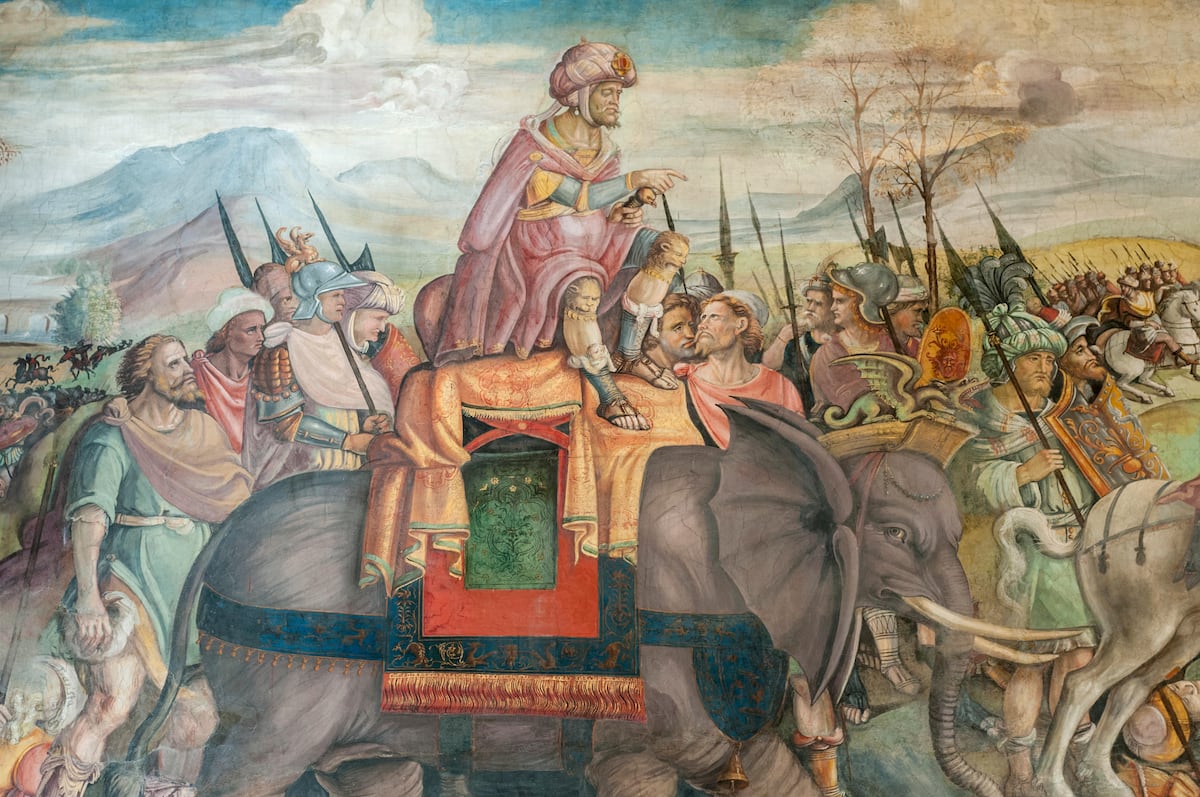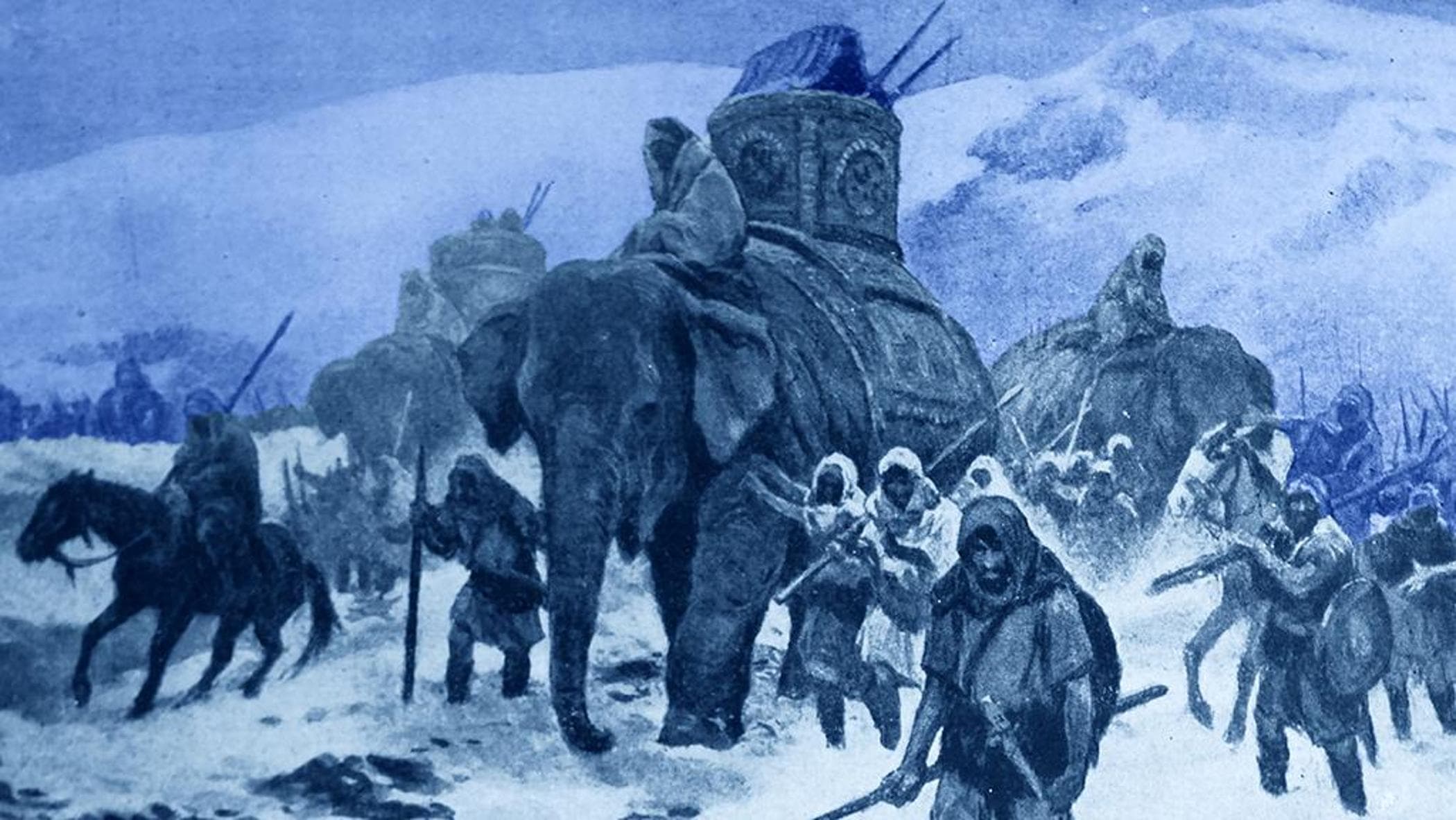
BERLIN: Just how Hannibal managed to lead war elephants and a full army over the Alps to attack the Romans remains a mystery, but a new modern biology study points to a potential route.
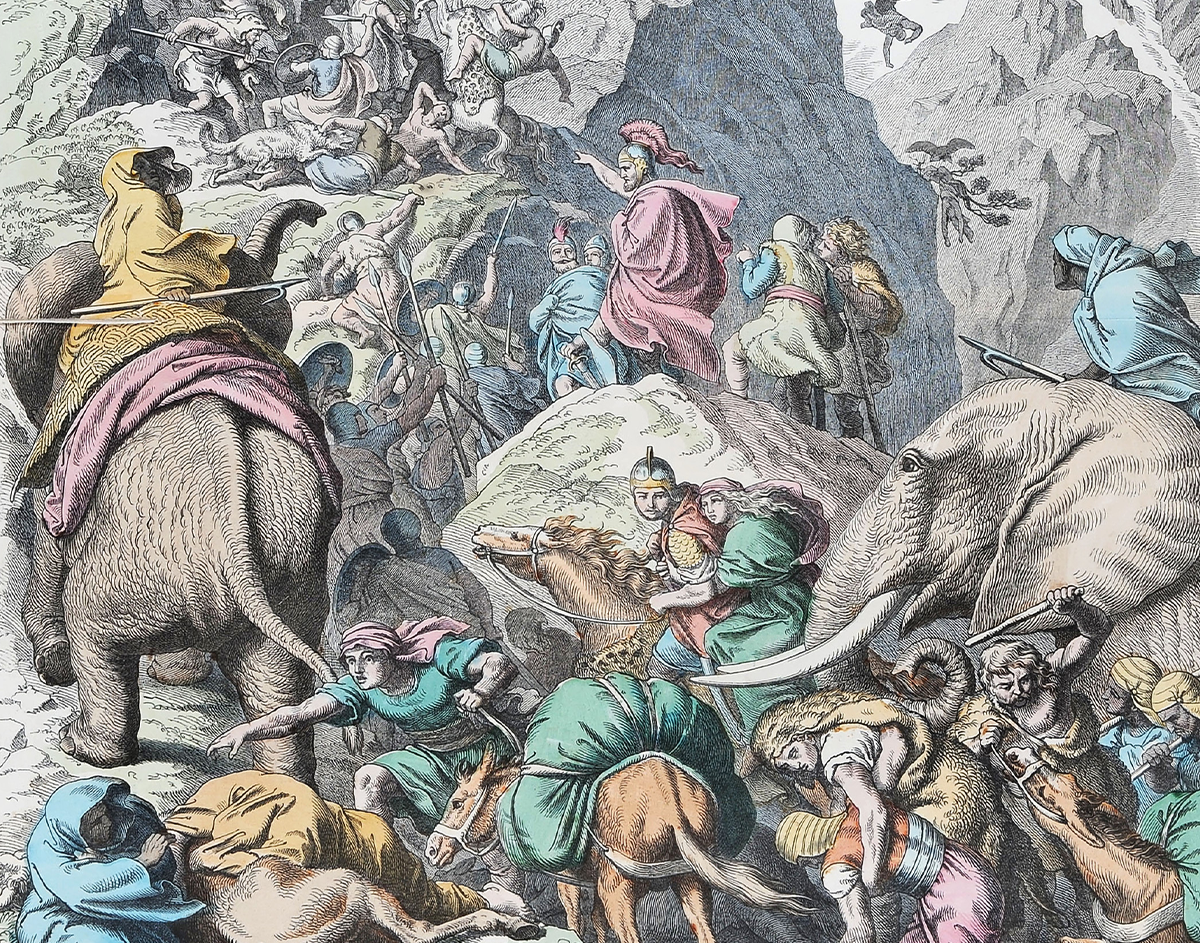
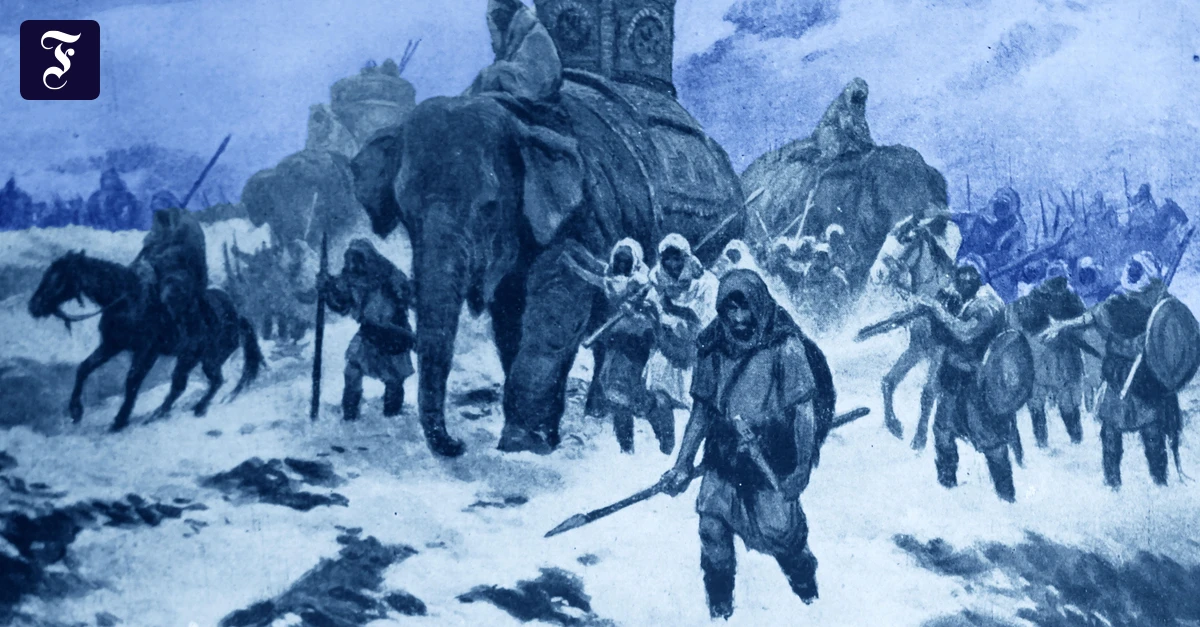
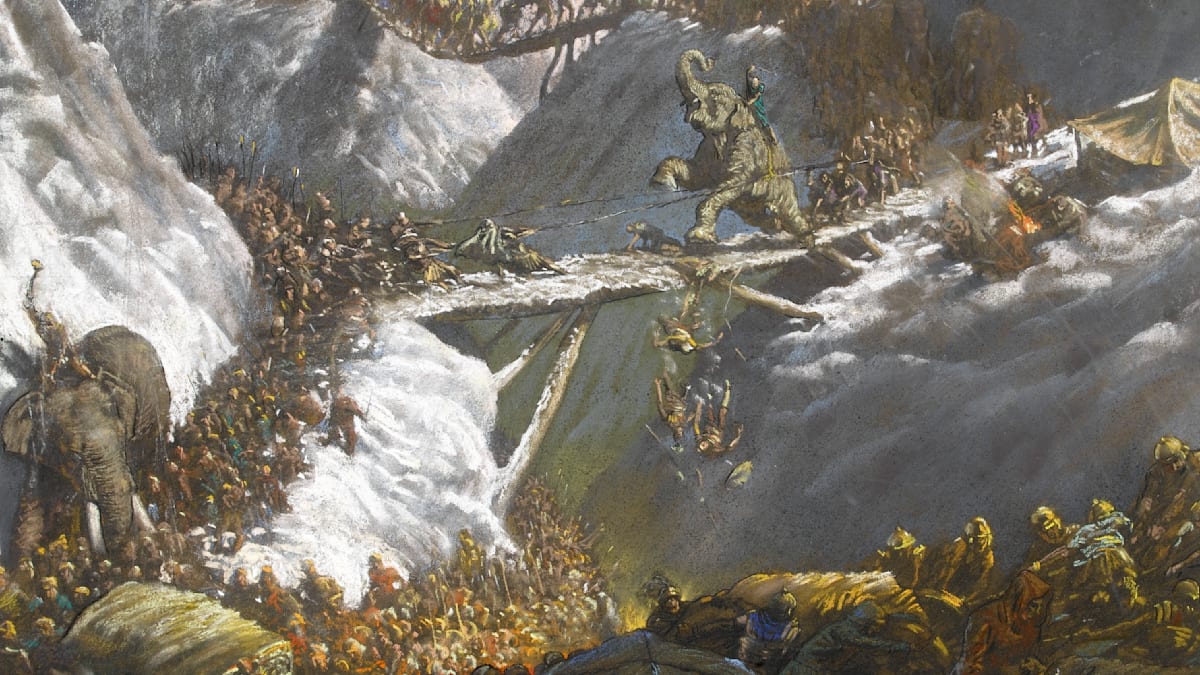
The bold and legendary crossing in 218 BC, which allowed the ancient Carthaginian leader to strike Rome from the north, has long remained one of the most astounding and celebrated achievements in warfare.
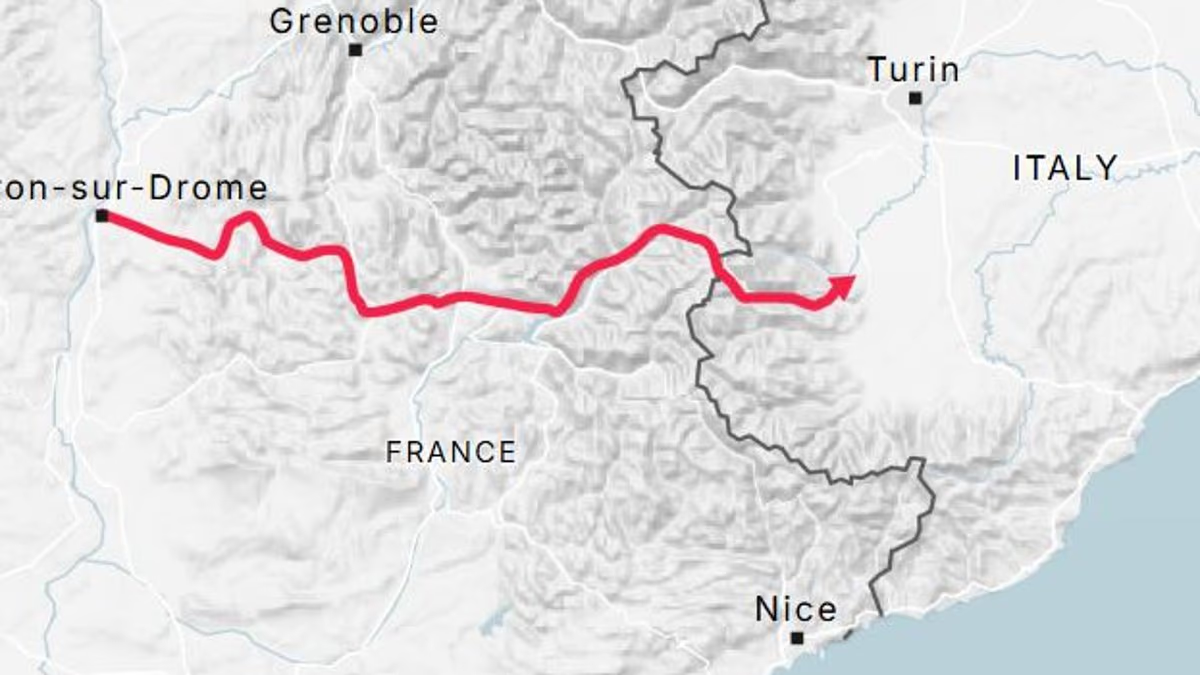
Calculations about the energy requirements of Hannibal’s force — especially the elephants — points to the Col de la Traversette as the most likely route, according to a study released on Monday by a group of German and British researchers.
The Col de la Traversette is a high-altitude mountain pass in the Cottian Alps at 2,947 metres (9,669 feet) on the border between modern-day France and Italy.
Researchers from the German Centre for Integrative Biodiversity Research (iDiv), the University of Jena and the University of Oxford used route models and elevation data to weigh the physical demands on Hannibal’s army of roughly 40,000 men, thousands of horses and a reported 37 war elephants, using body mass data from modern African elephants.