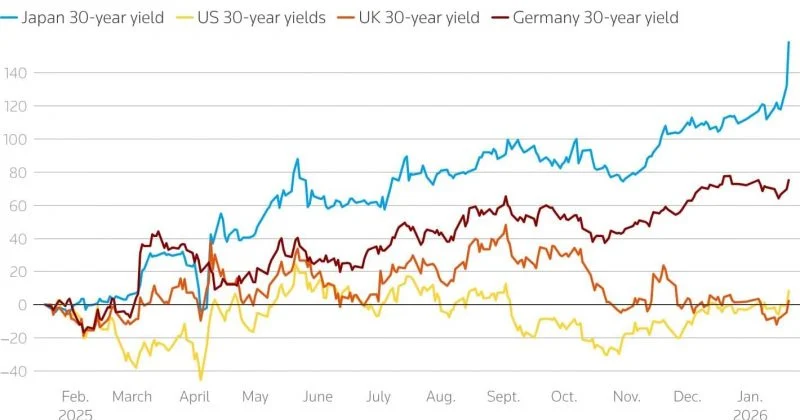
Japan’s 10-year government bond yields surged to approximately 2.85% on July 7, 2026. That’s the highest level in three decades, and it matters far beyond Tokyo.
What’s driving the yield spike
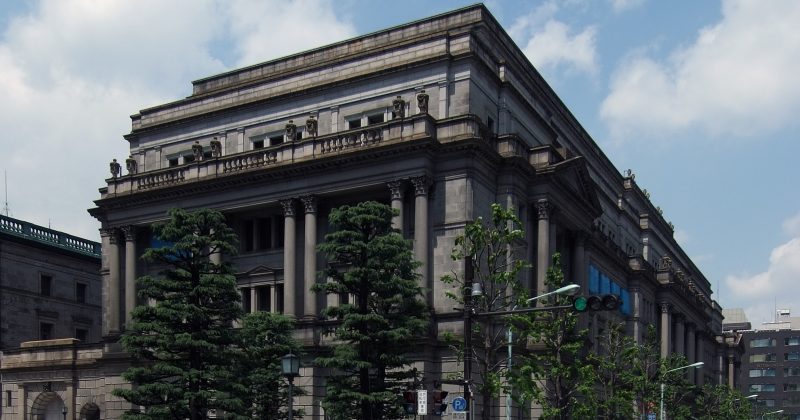
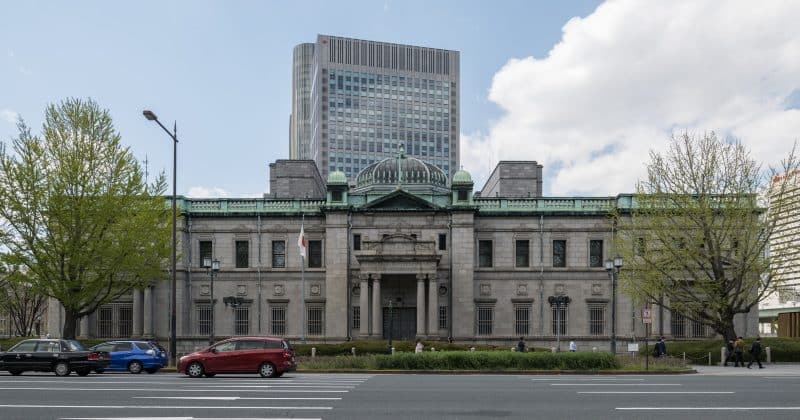
The Bank of Japan has been on a slow but deliberate march away from the easy-money policies that defined its approach for decades. Negative interest rates are gone. Yield curve control, the mechanism that kept long-term borrowing costs artificially suppressed, has been dismantled.
Now the BOJ is expected to push its policy rate toward 1% at upcoming meetings. That would represent a rate level Japan hasn’t seen since 1995.
The catalyst isn’t mysterious. Persistent inflation has forced the BOJ’s hand, and Japan’s fiscal math is getting harder to ignore. Government debt exceeds 230-250% of GDP. Debt servicing costs in the fiscal 2026 budget have hit record levels, meaning more of every tax yen collected goes straight to interest payments rather than services or investment.