Japan’s government bond market is now posting numbers that would have seemed absurd just a few years ago. The 2-year yield climbed to 1.41%, and the 5-year yield reached approximately 1.915%, levels that represent a fundamental break from the country’s decades-long experiment with ultra-easy monetary policy.
What’s driving the surge
The Bank of Japan has been quietly dismantling the infrastructure of its aggressive stimulus program. The central bank previously purchased roughly ¥5.7 trillion in bonds per month, a colossal intervention that kept a lid on yields across the entire curve. Those purchases have been reduced as part of what the BOJ calls policy normalization.
Persistent inflation pressures in Japan have given the BOJ cover to make this shift. After fighting deflation for the better part of three decades, Japan is now dealing with the opposite problem.
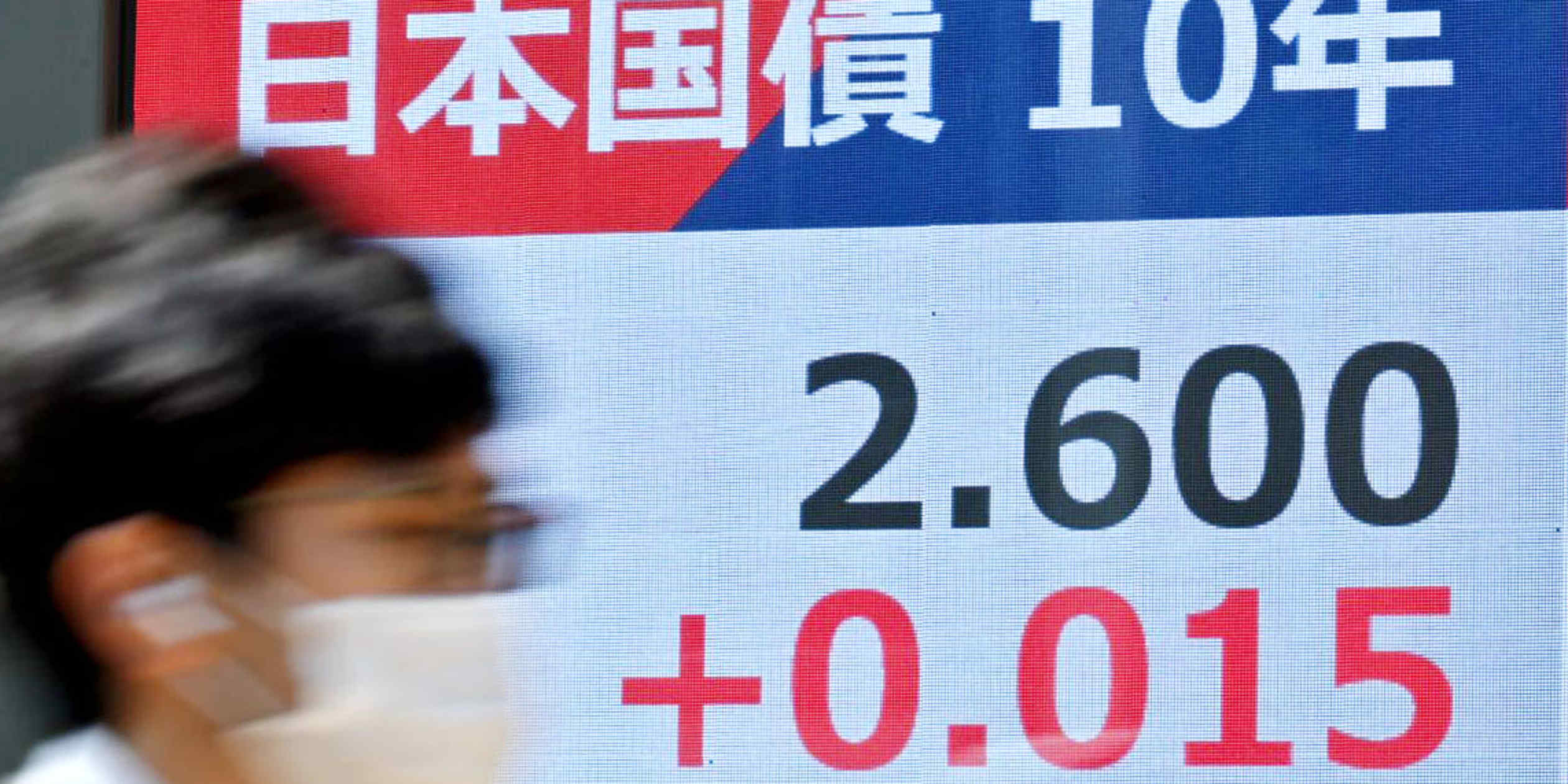
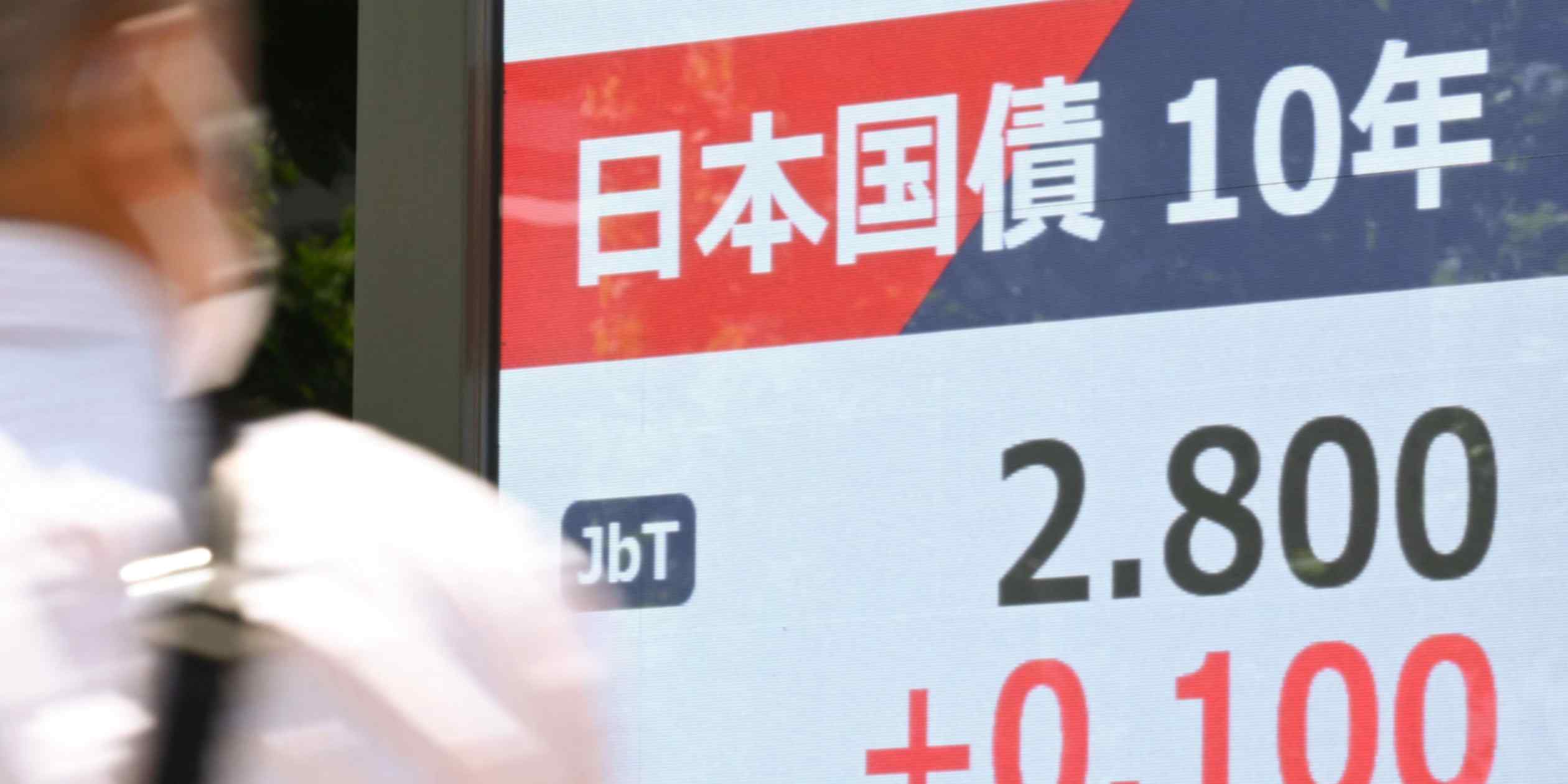
The result has been a broad repricing across the yield curve. Ten-year Japanese government bond yields have exceeded 2.4%, also hitting multi-decade highs. The 2-year and 5-year maturities are simply following the same trajectory, catching up to longer-dated securities that repriced earlier.