view more
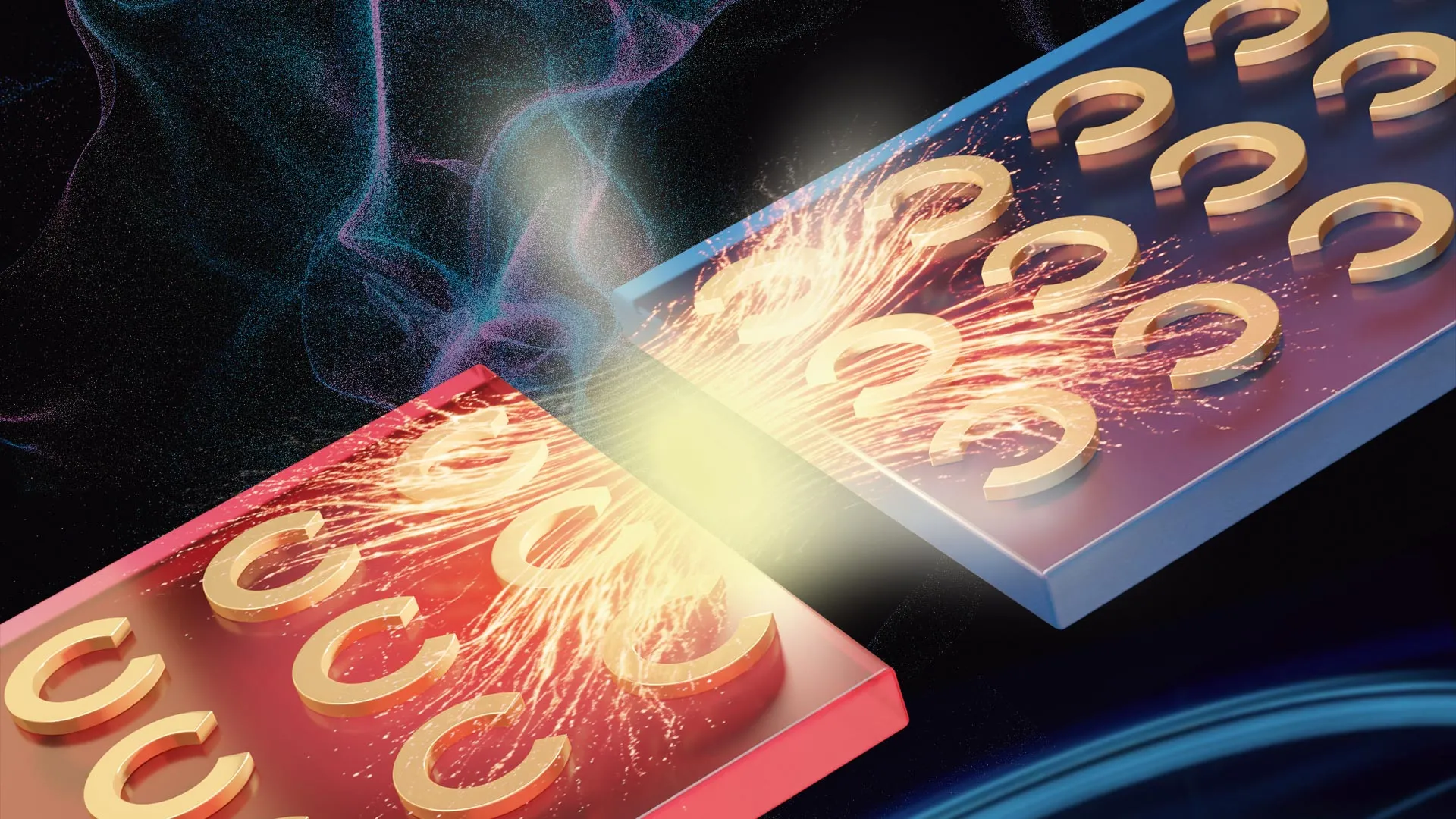
Normally, a material absorbs and emits heat in a linked way: a surface that absorbs heat well at a certain wavelength and direction will also emit heat in the same ways. This fundamental relationship, known as reciprocity, limits our ability to independently control heat absorption and heat emission.
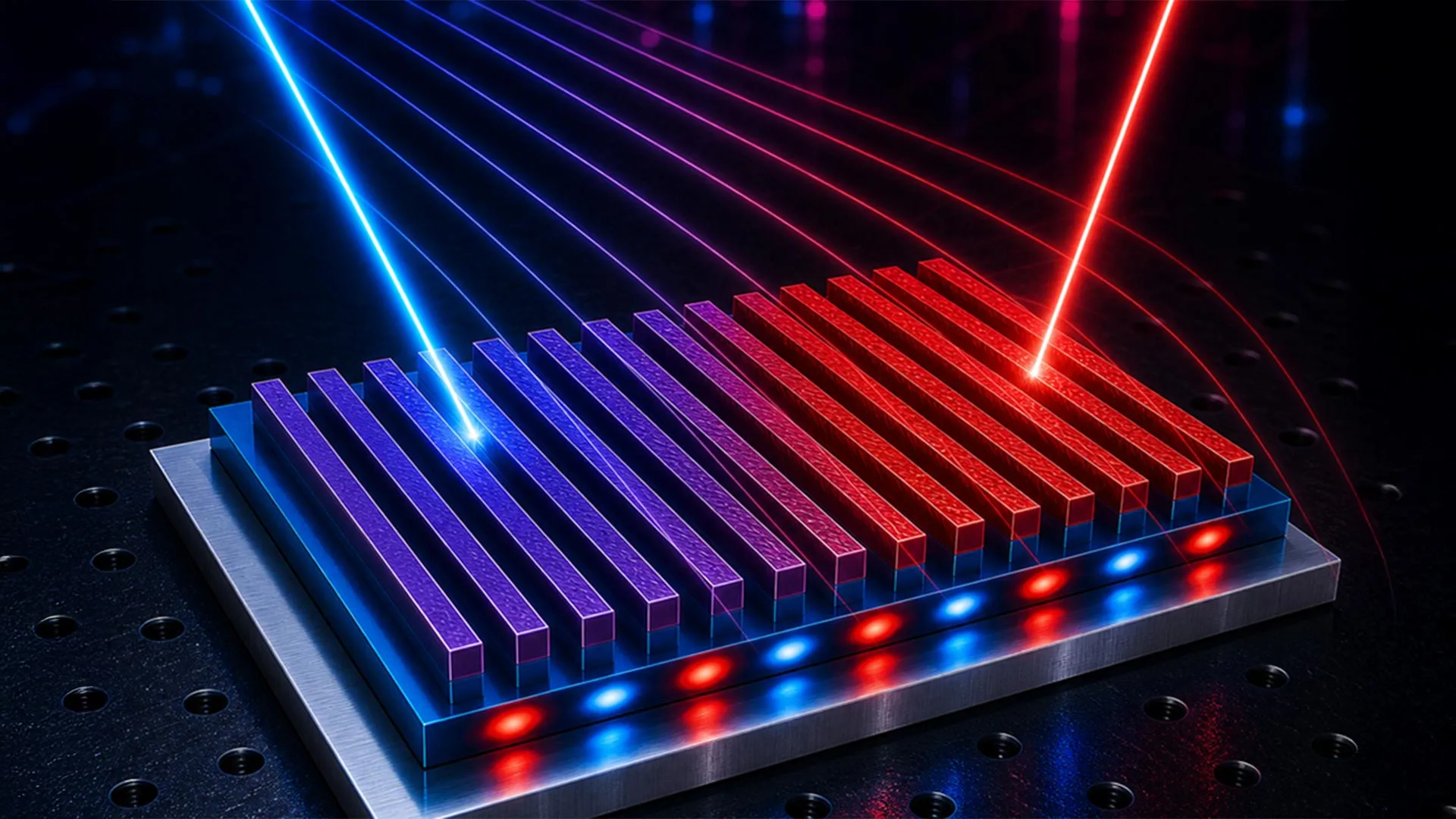
But if absorption and emission could be separated, engineers could design devices that absorb heat from one direction while emitting it in another. By ‘steering’ thermal energy, they could create more efficient thermal management, energy conversion, infrared sensing, and thermal communication technologies.
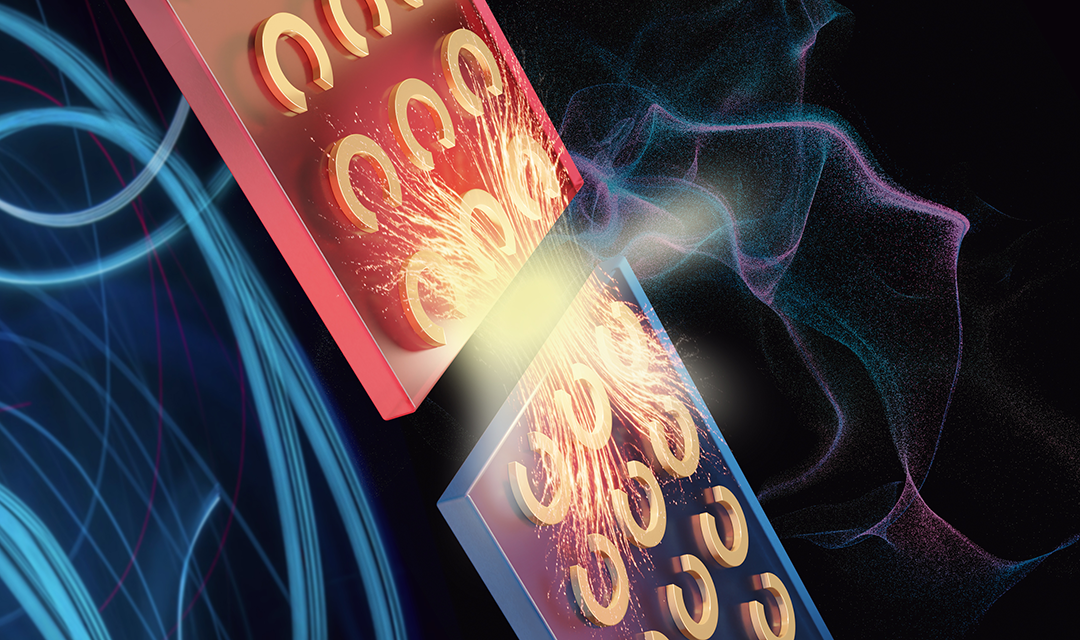
To create a material that behaves differently for incoming and outgoing radiation, an international research team led by Professor Koichi Okamoto and Dr. Shunsuke Murai from Osaka Metropolitan University’s Graduate School of Engineering turned to magneto-optical materials. In these materials, the interaction with light can be altered using a magnetic field.
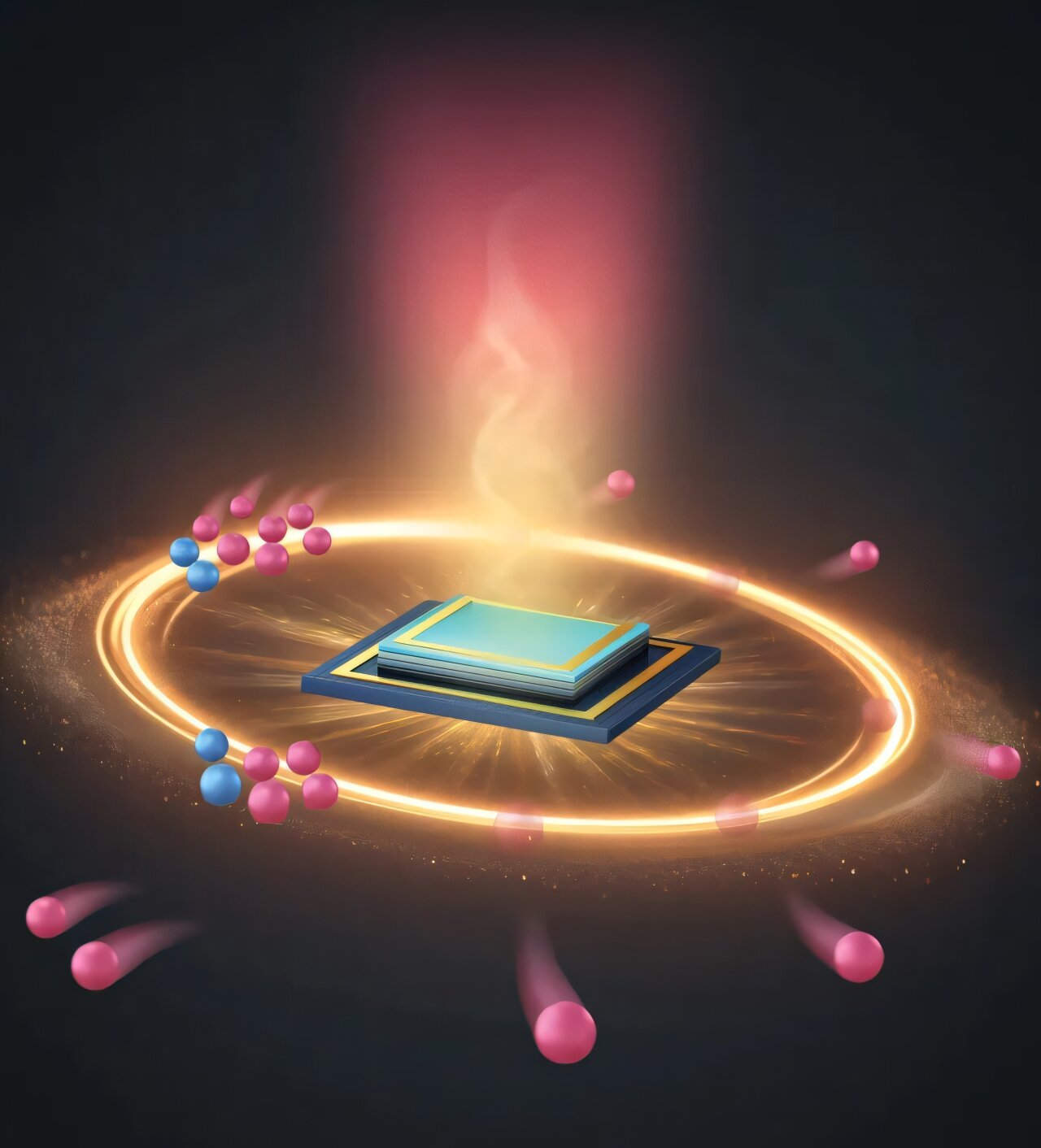
By combining a magneto-optical material with a special phase-change material called GST, the team created a device that can not only control the direction of heat radiation but also switch this effect on and off and remember its state even when the power is removed, allowing heat to be programmed like data in a microchip.